Affiliate Disclosure: This post may contain affiliate links. If you purchase through links on our site, we may earn an affiliate commission at no extra cost to you.
Imagine pulling a perfect pizza from your home oven. The cheese is bubbly, the crust is crispy, and the toppings are just right.
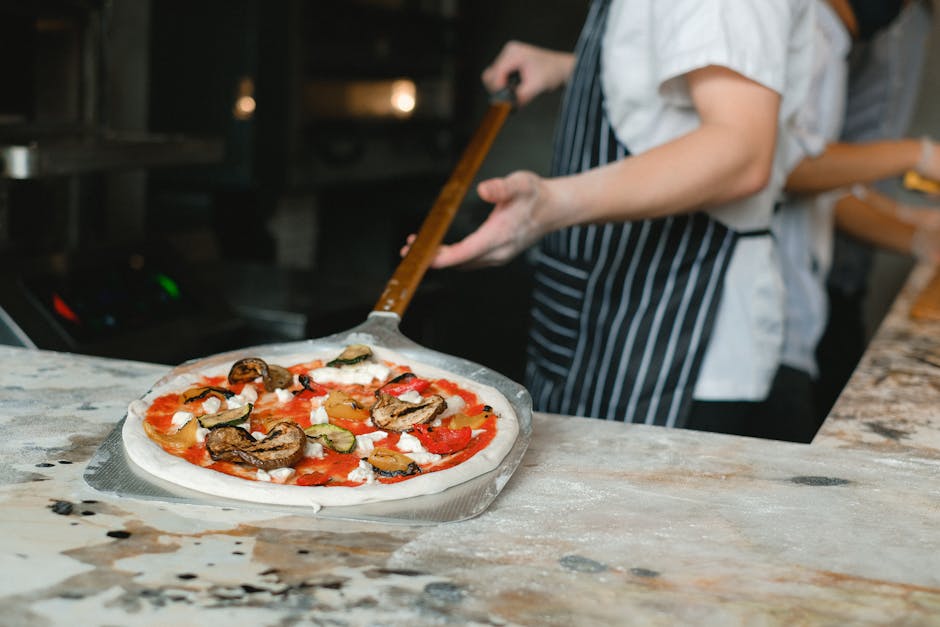
What if I told you the secret to this pizza perfection lies in a simple tool? That’s right—it’s all about the pizza peel. The right peel can transform your homemade pizza game, making it easier to slide your creation in and out of the oven without a hitch.
But with so many options out there, how do you choose the best one? Don’t worry, we’ve got you covered. In this guide, we’ll explore the best pizza peels for your home oven, ensuring that every slice you make is a slice above the rest. Get ready to discover the tool that could be the missing ingredient in your pizza-making process. Stay with us, and let’s find the perfect pizza peel for you!
Types Of Pizza Peels
Choosing the right pizza peel for your home oven can significantly enhance your pizza-making experience. Different types of pizza peels offer unique benefits, and understanding these can help you make an informed decision. From material differences to design features, the world of pizza peels is more varied than you might expect. Let’s dive into some of the most common types.
Wood Vs. Metal
Wooden pizza peels are the traditional choice, known for their rustic charm and natural feel. They are gentle on your dough, reducing the risk of tearing. Plus, they don’t heat up as quickly, keeping your hands safe during use.
Metal pizza peels, usually made from aluminum or stainless steel, offer a sleek, modern look. They are thinner and lighter, making it easier to slide under the pizza. However, they can get hot quickly, so be cautious. Which do you prefer: the classic wood or the contemporary metal?
Perforated Vs. Solid
Perforated pizza peels feature small holes that allow excess flour to fall away. This helps to reduce burning and sticking, resulting in a cleaner, crispier crust. They are often favored by professional pizzaiolos who want precision in their baking.
Solid peels, on the other hand, provide a sturdy, uninterrupted surface. They are perfect for beginners, offering more control as you transfer your pizza to the oven. Could the added precision of a perforated peel improve your pizza game?
Whether you’re a seasoned pizza enthusiast or just starting out, understanding the types of pizza peels can make a huge difference in your homemade creations. Consider your priorities—are you looking for tradition, precision, or ease of use? Your choice could be the secret ingredient to perfect pizzas.
Choosing The Right Size
Selecting the perfect pizza peel size ensures easy handling in a home oven. A smaller peel fits comfortably, making it simpler to slide pizzas in and out. This choice prevents spills and burns, making pizza-making a hassle-free experience.
Choosing the right size of a pizza peel for your home oven can transform your pizza-making game from messy to masterpiece. The size of your peel not only affects how you handle the pizza but also impacts the final outcome. A peel that’s too large might not fit well in your oven, while one that’s too small can make transferring the pizza a challenge. So, how do you pick the perfect size?
Standard Sizes
Pizza peels come in a variety of sizes, with standard widths ranging from 12 to 16 inches. A 12-inch peel is great for smaller ovens and pizzas, providing just enough room to maneuver without feeling cumbersome. On the other hand, a 16-inch peel offers more space, making it ideal for larger pizzas or for those who like a bit more breathing room when sliding the pizza into the oven.
Considerations For Home Ovens
Before choosing a size, measure your oven’s interior. This ensures that your peel won’t be too large to fit comfortably. Think about the size of pizzas you usually make. If you often make large pizzas, a bigger peel is necessary to support the pie fully. Remember your storage space. A larger peel might offer more flexibility in handling pizzas, but it also takes up more space in your kitchen. Choosing the right size peel can make or break your pizza-making experience. Have you ever struggled with a peel that just didn’t fit? Picking the right size means more than convenience; it’s about achieving that perfect crust without the hassle.
Handle Design And Comfort
Choosing the right pizza peel for a home oven can enhance your pizza-making experience. The design of the handle plays a crucial role in comfort and ease of use. A well-designed handle can make flipping and transferring pizzas a breeze.
Material Options
Handles come in various materials. Wood handles offer a classic feel and are often preferred for their natural warmth. Metal handles provide durability and strength, ideal for frequent use. Plastic handles are lightweight and can be more affordable, making them a practical choice for many home cooks.
Length And Grip
Handle length affects control and comfort. Longer handles keep hands away from the oven’s heat. They offer better leverage for maneuvering pizzas. Shorter handles are easier to store and can be more convenient for smaller ovens.
Grip is another important factor. Non-slip grips ensure safety when handling hot pizzas. Textured grips provide better hold, reducing the risk of accidents. Ergonomic designs increase comfort, allowing for longer periods of use without strain.
Ease Of Use
The best pizza peel makes baking at home easy and fun. Ease of use is important. A good pizza peel should help you in the kitchen. It should make the pizza-making process smooth. Let’s explore how easy loading, unloading, and rotating pizzas can be.
Loading And Unloading
Loading a pizza onto a peel can be tricky. The right peel should have a smooth surface. This helps you slide the pizza without sticking. A thin edge also makes it easier to pick up the dough. Consider a peel with a non-stick surface. It helps the dough move easily. A wooden peel works well for loading pizzas. It has a natural texture that prevents sticking.
Rotating Pizzas
Rotating pizzas ensures even cooking. A good peel lets you turn the pizza easily. This helps get a crispy crust. Look for a peel with a comfortable handle. It should be long enough to keep your hands safe. Metal peels are often best for rotating. They slide smoothly under the pizza. This makes turning the pizza simple and quick.
Durability And Maintenance
Finding the right pizza peel for your home oven is essential. It ensures smooth pizza transfers and adds a touch of professionalism. Durability and maintenance are key factors to consider. A durable pizza peel will last longer, reducing the need for frequent replacements. Proper maintenance keeps it in top condition, enhancing your pizza-making experience.
Cleaning Tips
Always clean your pizza peel after use. Wipe it with a damp cloth to remove residue. Avoid soaking wooden peels in water to prevent damage. For metal peels, use mild soap and water. Dry thoroughly to prevent rust. Regular cleaning keeps your peel hygienic and ready for the next bake.
Storage Solutions
Store your pizza peel in a dry place. Avoid areas with high humidity. Hang it on a wall hook to save space. Keep it away from direct sunlight to prevent warping. Proper storage prolongs its lifespan and maintains its shape. Choose a dedicated spot in your kitchen for easy access.
Top Picks For Home Bakers
Discover the best pizza peel for your home oven. Enjoy easy handling with lightweight designs and comfortable grips. Ensure perfect pizza every time with peels made from durable materials.
If you’re a home baker looking to elevate your pizza game, choosing the right pizza peel is crucial. The right tool can make a world of difference in your pizza-making experience. But with so many options on the market, how do you decide which one to pick? Here, we’ve narrowed down the top choices for home bakers, focusing on budget-friendly options and premium choices. Whether you’re just starting out or you’re a seasoned pizza enthusiast, there’s something here for you.
Budget-friendly Options
Finding a good pizza peel doesn’t have to break the bank. If you’re looking for something cost-effective yet reliable, consider a wooden pizza peel. These peels are often lightweight, easy to handle, and help prevent dough from sticking. For instance, the New Star Foodservice Wooden Pizza Peel is a great choice. Its smooth surface and sturdy handle make it easy to slide pizzas in and out of your oven. Plus, it doubles up as a cutting board, which is a nice bonus. Another option is the Chef Pomodoro Aluminum Metal Pizza Peel. It comes with a foldable handle for easy storage. The lightweight aluminum surface makes it easy to maneuver your pizza without adding extra weight to your grip.
Premium Choices
If you’re willing to invest a bit more for quality and durability, premium options offer excellent features. Consider a peel with a perforated design, like the GI Metal Perforated Pizza Peel. This peel reduces the amount of flour on the bottom of your pizza, giving you a crispier crust. The Baking Steel Pizza Peel is another top pick for those looking for sturdiness and long-lasting performance. Made from high-quality materials, it provides a smooth transfer from peel to stone. Its sleek design also adds a professional touch to your kitchen tools. Have you ever considered how the weight and material of a peel can affect your baking experience? A heavier peel might offer more control, while a lighter one can be easier to handle for long baking sessions. Choosing the right pizza peel can transform your home baking efforts. It’s all about matching your needs with the right features. So, what’s your top priority in a pizza peel? Durability, ease of use, or perhaps versatility? The choice is yours, and with these options, you’re well on your way to baking the perfect pizza at home.
Enhancing Your Baking Experience
Using the right pizza peel can change your baking experience. A good peel helps you slide the pizza into the oven smoothly. It ensures even cooking and a delicious crust. The right peel also offers ease and safety.
Choosing the best peel involves considering size, material, and handle length. Each feature plays a role in how well you bake. This guide will help you find the perfect peel for your home oven.
Tools To Complement Your Pizza Peel
Pairing your peel with the right tools enhances baking. A pizza stone or steel retains heat well. It provides a crispy base for your pizza. A dough scraper aids in handling sticky doughs.
A good oven thermometer ensures accurate temperature. This helps achieve perfect results. A rolling pin flattens dough evenly. Consider these tools for a complete baking setup.
Tips For Perfect Pizza
Prepare your dough a day in advance. This allows flavors to develop fully. Use semolina or cornmeal on the peel to prevent sticking. These ingredients create a smooth sliding surface.
Preheat your oven and stone for at least 30 minutes. High heat ensures a crisp crust. Don’t overload with toppings. Too many can make the crust soggy.
Slide the pizza quickly and confidently. This action prevents sticking and uneven cooking. Let the pizza cool for a few minutes before slicing. This step ensures neat slices and a better eating experience.
Frequently Asked Questions
What Is The Best Pizza Peel For A Regular Oven?
A wooden pizza peel with a thin, tapered edge works best for regular ovens. It easily slides under pizzas. Choose one with a long handle for safe and convenient use. Its natural material prevents sticking, ensuring a perfect bake every time.
This tool is ideal for home pizza enthusiasts.
Is Stainless Steel Or Aluminum Better For A Pizza Peel?
Stainless steel peels are durable and easy to clean. Aluminum peels are lighter and easier to maneuver. Choose based on your preference for weight and durability. Both materials are popular and effective for different needs.
What Is The Best Pizza Peel To Avoid Sticking?
Choose a wooden pizza peel for less sticking. Dust it with flour or cornmeal before use. Aluminum peels are great for transferring but may need more dusting to prevent sticking. Regular maintenance, like oiling wooden peels, can enhance non-stick properties.
Ensure the peel is clean and dry before each use.
Is A Perforated Pizza Peel Better Than Non-perforated?
A perforated pizza peel reduces sticking and excess flour, improving pizza texture. Non-perforated peels provide more stability for heavier pizzas. Choose based on your baking needs for better results.
Conclusion
Choosing the right pizza peel makes homemade pizza better. With the best peel, transferring dough becomes simple. Consider materials like wood, metal, or bamboo. Each offers unique benefits. Comfort and grip matter too. Find a handle that’s easy to use.
Size is also important. Make sure it fits your oven. Cleaning should be a breeze. Dishwasher-safe options save time. Enjoy your pizza-making journey. Happy baking!








