Affiliate Disclosure: This post may contain affiliate links. If you purchase through links on our site, we may earn an affiliate commission at no extra cost to you.
When you’re craving a comforting, hearty meal that warms both your home and your heart, few dishes deliver like a perfectly cooked pot roast. But to achieve that mouthwatering tenderness and rich flavor, choosing the right roast is crucial.
Have you ever wondered which roast is the best for your pot roast in the oven? You’re not alone. Many home cooks face this delicious dilemma. Imagine the satisfaction of serving a meal that has your family or guests savoring every bite, asking for seconds, and praising your culinary skills.
This guide will help you discover the best roast for pot roast in the oven, ensuring your next meal is a resounding success. Get ready to unlock the secrets of creating a pot roast that’s not just good, but unforgettable.
Choosing The Right Cut
Choosing the right cut is key for a perfect pot roast. Chuck roast offers rich flavor and tender texture. Ideal for slow cooking in the oven.
Choosing the right cut of meat is a game-changer for a succulent pot roast in the oven. Your choice can make the difference between a dry, tough meal and a juicy, flavorful masterpiece. Let’s dive into some of the best cuts you can choose and how each contributes to the perfect pot roast experience.
Chuck Roast
The chuck roast is a favorite for many home cooks. It’s well-marbled with fat, which means it breaks down beautifully during a long, slow roast. This is the cut I go for when I want a pot roast that feels like a warm hug on a cold day. Cook it low and slow, and you’ll get a fork-tender result that’s rich in flavor. Imagine coming home to the smell of a chuck roast wafting through your house—it’s pure comfort. You won’t need a knife because it practically falls apart on its own.
Brisket
Brisket is another excellent choice, known for its deep, beefy flavor. It can be a bit tougher than chuck, but with the right cooking method, it transforms into a melt-in-your-mouth delight. I remember the first time I made brisket for a family gathering—it was the star of the show. The slow roasting process renders the fat and connective tissues, creating a tender, juicy roast that your guests will rave about. Pair it with root vegetables for a complete meal.
Round Roast
Round roast is leaner compared to chuck or brisket, making it a healthier option. It can be slightly less tender, but don’t let that deter you. With the right marinade or cooking technique, it can be just as satisfying. Think about seasoning it well and perhaps using a meat thermometer to ensure it doesn’t overcook. You might find that it’s perfect for slicing thin and serving with gravy or au jus. Have you ever tried using leftovers in sandwiches? It’s a delightful way to enjoy every last bit. Choosing the right cut is about understanding what each offers and how it suits your taste. Consider your options, try different cuts, and discover which one makes your pot roast unforgettable. Which cut will you try next? Let your taste buds lead the way!
Prepping The Meat
Choosing the best roast for pot roast in the oven is essential. Beef chuck roast offers tender, juicy results. Preparing involves seasoning well and searing to lock in flavors.
Preparing the perfect pot roast in the oven starts with giving some love to the meat. You might think skipping this step is okay, but trust me, it’s the foundation for deliciousness. How you prep your roast can make or break the meal, and it’s easier than you think.
Trimming Fat
Trimming fat is a crucial step. While a bit of fat adds flavor, too much can make your dish greasy. Use a sharp knife to remove excess fat, leaving just a thin layer. Think of this as a balancing act—enough fat for flavor but not so much that it overwhelms your dish. Have you ever had a roast that tasted heavy? That’s usually because it wasn’t trimmed properly.
Marinating Tips
Marinating can elevate your roast to another level. A simple mix of olive oil, garlic, and herbs can do wonders. Let the meat soak in the marinade for at least a few hours, or even overnight for deeper flavors. Have you tried adding a splash of balsamic vinegar to your marinade? It adds a tangy sweetness that pairs beautifully with beef. Remember, patience here pays off with richer, more complex flavors.
Seasoning Essentials
Seasoning is where you can get creative. While salt and pepper are classics, don’t stop there. Consider adding paprika or dried thyme for a twist. If you’ve ever wondered why some roasts lack depth, it’s often due to under-seasoning. Generously season all sides of the meat to ensure every bite is flavorful. What’s your go-to seasoning mix? Trying different combinations can lead to delightful discoveries. By focusing on these steps, you’re not just preparing a meal—you’re crafting an experience. Each bite tells the story of the care you put into preparing the meat. What will your story be?
Optimal Cooking Techniques
Achieving the perfect pot roast in the oven requires using optimal cooking techniques. These methods ensure that the meat is flavorful, tender, and juicy. From searing to slow cooking, each step plays a crucial role in creating a delicious dish. Whether you’re using a Dutch oven or a regular pot, understanding these techniques makes all the difference.
Searing The Roast
Searing locks in juices and enhances flavor. Start by heating oil in a pan until it shimmers. Place the roast in the pan and cook until each side is browned. This creates a flavorful crust on the meat. The process also adds depth to the dish’s taste. It’s a crucial step that shouldn’t be overlooked.
Low And Slow Cooking
Slow cooking ensures tenderness and rich flavor. Set your oven to a low temperature, around 275°F. Cook the roast for several hours, allowing the heat to break down the fibers. This method guarantees a melt-in-your-mouth texture. Patience is key in this phase. The end result is worth the wait.
Using A Dutch Oven
A Dutch oven distributes heat evenly. Its heavy lid traps moisture, enhancing the roast’s flavor. Place the seared roast inside with vegetables and broth. Cover and cook in the oven at low heat. The Dutch oven makes cleanup easy too. It’s a versatile tool for perfect pot roast.
Flavor Enhancements
Selecting the ideal roast for pot roast in the oven brings out the best flavors. Choose a chuck roast for its rich marbling, which ensures tenderness and juicy taste. Proper seasoning and slow cooking enhance its natural flavors, creating a mouthwatering dish.
Pot roast in the oven is a comforting classic, but the magic truly happens when you enhance its flavors. A well-chosen combination of vegetables, herbs, spices, and liquids can transform a basic roast into a mouthwatering experience. Flavor enhancements are not just about adding taste; they’re about creating a symphony of aromas and textures that elevate your meal. Have you ever wondered why some pot roasts taste extraordinary? Let’s dive into the secrets of enhancing your roast’s flavor.
Vegetable Pairings
The choice of vegetables can significantly influence the flavor profile of your pot roast. Root vegetables like carrots, potatoes, and parsnips absorb the roast’s juices, becoming deliciously tender and flavorful. Don’t shy away from adding mushrooms or onions for a touch of earthiness and sweetness. Imagine the aroma of garlic cloves roasting alongside your meat, infusing it with a mild pungency. Experimenting with seasonal vegetables can also bring unexpected flavors to the table. What unique vegetable combination will you try next?
Herbs And Spices
Herbs and spices are the silent heroes of any pot roast. A sprinkle of rosemary or thyme can add a fragrant complexity that complements the meat’s richness. The gentle heat from black pepper or the warmth of paprika can take the flavor to the next level. Have you considered using bay leaves or a pinch of cinnamon for a subtle yet surprising twist? Fresh herbs can be added towards the end of cooking for a burst of freshness, while dried herbs can be incorporated early on for a more mellow infusion. What’s your go-to herb or spice for pot roast?
Liquid Additions
Liquids are more than just a cooking medium; they are a flavor powerhouse for your pot roast. Beef broth is a classic choice, but have you tried wine or beer to add depth and richness? Even a splash of balsamic vinegar can introduce a tangy contrast that balances the dish’s flavors. Cider or fruit juices can add a hint of sweetness, complementing the savory elements. The key is to match your liquid choice with the flavor profile you want to achieve. Which liquid will you experiment with to create your perfect pot roast?
Checking For Doneness
Choosing the best roast for pot roast in the oven ensures perfect doneness. A chuck roast is ideal, offering tender, juicy results. Monitor the meat’s internal temperature for accuracy.
Cooking the perfect pot roast in the oven requires attention to detail, especially when checking for doneness. A well-cooked roast should be juicy and tender, with flavors that fill your kitchen with warmth. But how do you know when it’s just right? Let’s delve into the critical aspects of checking for doneness.
Temperature Guidelines
Using a meat thermometer is your best friend here. The ideal internal temperature for a pot roast should be around 190°F (88°C). This ensures the meat is cooked thoroughly while retaining its moisture. Insert the thermometer into the thickest part of the roast, avoiding any bones. This will give you the most accurate reading. Remember, every oven is different, so keep an eye on it!
Tenderness Test
Temperature isn’t the only indicator of doneness. You want your roast to be fork-tender. Use a fork to gently pull apart the meat. If it easily breaks apart, it’s ready to serve. This is where personal experience comes in handy. I’ve found that the roast is often done when the aroma becomes irresistible. Your senses can be a valuable guide.
Resting The Roast
Once the roast reaches the perfect tenderness and temperature, let it rest. This step is crucial but often overlooked. Allow the meat to sit for at least 15 minutes before carving. Resting helps retain juices, making every bite succulent. Have you ever cut into a roast immediately, only to find it dry? Resting can prevent that disappointment. Checking for doneness is more than just following a recipe. It’s about understanding the nuances of your meat and oven. How do you ensure your pot roast is perfect every time?
Serving Suggestions
A chuck roast is ideal for a pot roast in the oven. Its marbled fat ensures tender, juicy results. Pair with carrots and potatoes for a classic, hearty meal.
When serving pot roast, the right side dishes and presentation can make a big difference. A well-cooked pot roast deserves thoughtful accompaniments. Let’s explore how to elevate your pot roast experience.
Side Dishes
Mashed potatoes pair beautifully with pot roast. Their creamy texture complements the tender meat. Roasted vegetables like carrots and Brussels sprouts add color and crunch. Consider a fresh green salad for a lighter option. Bread rolls are great for soaking up the savory juices. Choose hearty grains like quinoa or barley for a nutritious side.
Presentation Tips
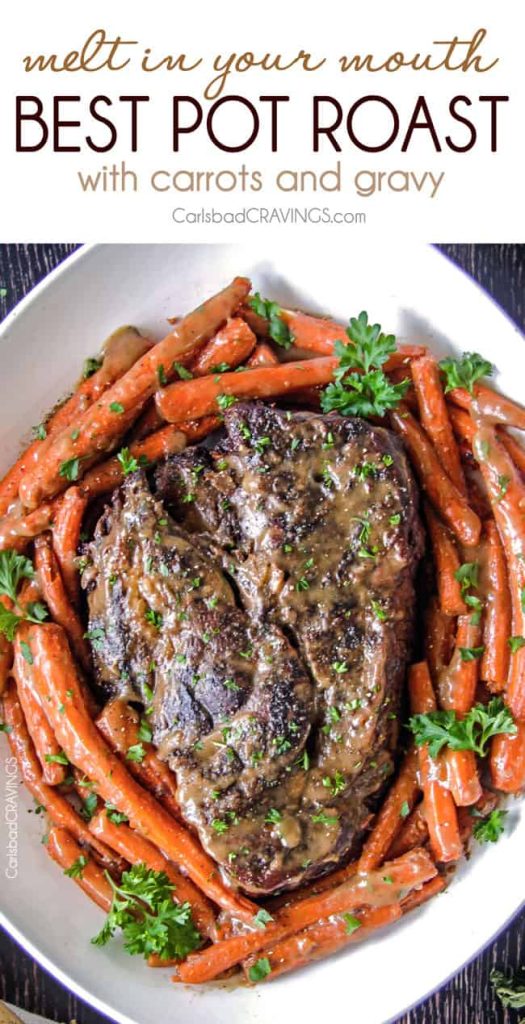
Arrange your pot roast on a large serving platter. Place the roast in the center for focus. Surround it with colorful vegetables for visual appeal. Use fresh herbs like parsley for a pop of color. Slice the pot roast before serving for easy portions. Warm the serving dishes to keep the meal hot. A neat arrangement enhances the dining experience.
Leftover Ideas
Transform pot roast leftovers into tasty meals. Shred the meat for sandwiches or tacos. Add it to soups for extra flavor. Use leftovers in a hearty stew with vegetables. Create a pot roast hash with potatoes and onions. Freeze portions for quick meals later. Leftovers don’t have to be boring. They offer endless meal possibilities.
Frequently Asked Questions
What Is The Best Cut Of Meat For Pot Roast?
Chuck roast is ideal for pot roast. It’s affordable, flavorful, and tenderizes with slow cooking. Opt for well-marbled meat for best results.
What Is The Most Tender Cut Of Beef For Oven Roast?
The beef tenderloin is the most tender cut for oven roasting. It offers a melt-in-your-mouth texture, making it ideal for special occasions. This cut is lean, flavorful, and cooks evenly. Opt for a center-cut tenderloin for the best results.
What Is The Secret To The Best Pot Roast?
Use quality beef and brown it well. Add vegetables and herbs for flavor. Cook slowly at a low temperature. Keep it moist with broth or wine. Let it rest before serving for optimal tenderness and taste.
At What Temperature Is Pot Roast Most Tender In The Oven?
Pot roast becomes most tender at 325°F (163°C) in the oven. Slow cooking at this temperature ensures juicy, flavorful meat. Use a meat thermometer to check doneness, aiming for an internal temperature of 190°F (88°C). Proper cooking time varies with size, typically 3 to 4 hours for best results.
Conclusion
Choosing the best roast makes your pot roast truly delicious. A well-cooked roast transforms your meal into a hearty delight. The right cut ensures tenderness and rich flavors. Remember, seasoning plays a key role. Simple spices elevate the dish’s taste.
Cook patiently for the best results. An oven’s steady heat brings out deep flavors. Your kitchen fills with comforting aromas. Family and friends gather to enjoy. Everyone appreciates a perfectly done pot roast. Try different roasts and find your favorite.
Enjoy your cooking journey with confidence. Your perfect pot roast awaits!








