Affiliate Disclosure: This post may contain affiliate links. If you purchase through links on our site, we may earn an affiliate commission at no extra cost to you.
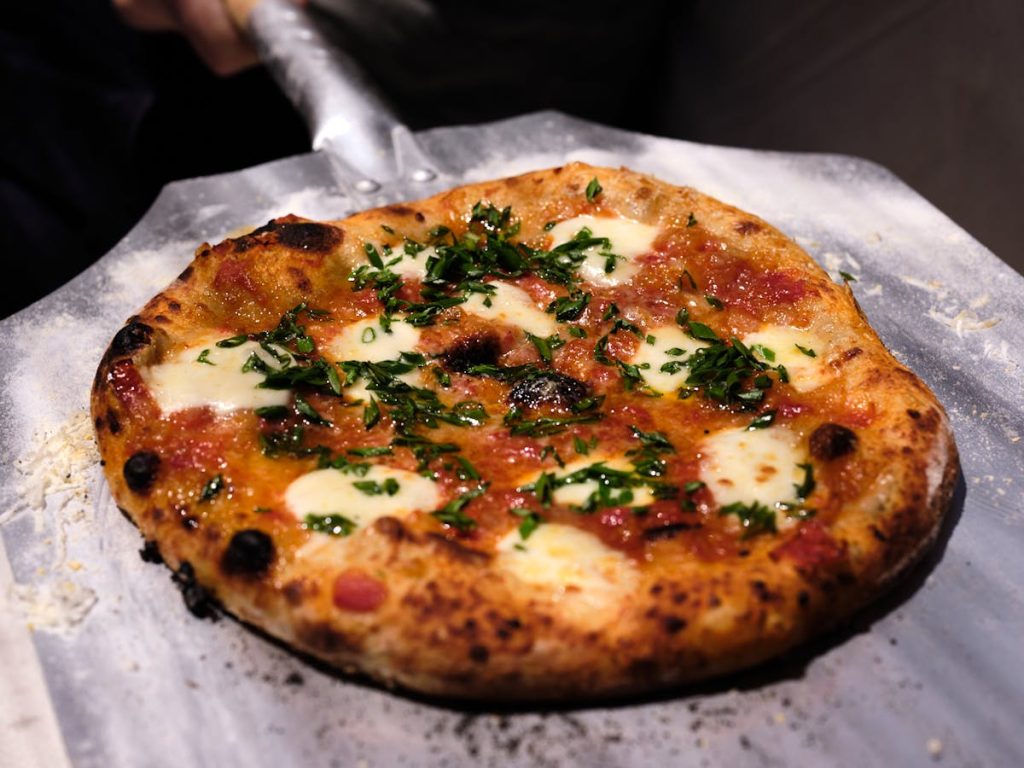
Imagine the aroma of freshly baked pizza wafting through your kitchen. The cheese bubbles and the crust has that perfect golden hue.
But what’s the secret ingredient to achieving this pizzeria-quality magic at home? It’s all about the flour. The right pizza flour can transform your homemade pie from good to unforgettable. Are you ready to elevate your pizza-making game? Discover the best pizza flour for your home oven and unlock the full potential of your culinary skills.
Dive in to uncover the flour that will make your pizza nights the highlight of your week.
Types Of Pizza Flour
Choosing the right flour can make a world of difference in your homemade pizza. Different types of flour bring unique textures and flavors to the crust. Whether you like a chewy bite or a crisp finish, understanding the types of pizza flour can elevate your baking game.
All-purpose Flour
All-purpose flour is the most versatile option you can have in your pantry. It’s like a blank canvas for your pizza creation. While it may not offer the chewiness of other flours, it’s perfect for thin crusts and a lighter pizza.
Many home bakers start with all-purpose flour for its accessibility and simplicity. If you’re experimenting for the first time, this is a great place to start. You might be surprised at how satisfying a simple dough can be.
Bread Flour
Bread flour is a game-changer for those who love a chewy crust. It has a higher protein content, which helps develop that lovely texture. If you enjoy a pizza that’s hearty and filling, bread flour is your best bet.
Have you ever bitten into a slice and marveled at its bounce? That’s the magic of bread flour. The dough rises beautifully, creating bubbles that make each bite memorable.
00 Flour
00 flour is the secret to authentic Italian pizza. It’s finely milled and makes for a delicate, crispy crust. Imagine biting into a slice that’s soft yet crunchy at the edges—00 flour delivers just that.
While it might seem intimidating, using 00 flour can transform your home oven into a pizza haven. If you’re aiming for Neapolitan-style pizza, give this flour a try. You might find yourself wondering why you didn’t try it sooner.
So, which flour will you choose for your next pizza night? Each type offers something unique. Consider the texture and flavor you desire, and let your taste buds guide you to the perfect crust. Remember, the best pizza is one you enjoy making and eating.
Characteristics Of Ideal Pizza Flour
Ideal pizza flour offers the perfect balance of protein and gluten for a chewy crust. It absorbs water well and stretches easily, making it perfect for home ovens. Flour with 12-14% protein content is recommended for achieving that classic pizza texture.
Choosing the right pizza flour can make all the difference in your homemade pizza experience. The characteristics of ideal pizza flour can influence everything from the crust’s chewiness to its taste. Whether you’re a seasoned home cook or just getting started, understanding these characteristics can elevate your pizza game to the next level.
Gluten Content
The gluten content in pizza flour plays a crucial role in the dough’s elasticity and chewiness. High-gluten flour, often labeled as bread flour, typically provides a stretchy dough that holds up well under toppings. If you’ve ever struggled with a dough that tears too easily, checking the gluten content might be your first step toward improvement.
Texture And Consistency
A smooth, consistent dough is essential for a successful pizza crust. The right flour should mix easily with other ingredients, creating a dough that’s neither too sticky nor too dry. Experimenting with different flours can help you find the perfect consistency for your personal pizza preference.
Flavor Profile
Flour isn’t just a background player; it contributes to the overall flavor of your pizza. Some flours, like whole wheat or spelt, add a nutty or earthy taste that can complement your toppings beautifully. Think about the flavors you love and consider how your choice of flour can enhance them. Have you ever considered how the type of flour you use affects your pizza’s taste and texture? Next time you’re at the store, take a closer look at the flour selection. The perfect pizza flour might just be waiting for you to discover it.
Expert Recommendations
Choosing the right pizza flour can change your homemade pizza. Experts agree that the flour you use impacts flavor and texture. With many options available, finding the best can be tricky. Below are expert recommendations to help you make the best choice for your home oven.
Top Brands To Consider
Several brands stand out for quality. Caputo 00 flour is a top pick. Known for its fine texture, it creates a soft, chewy crust. King Arthur Flour is another favorite. It offers consistent results and easy handling. Both are trusted by pizza enthusiasts worldwide.
Budget-friendly Options
Not everyone wants to spend a lot on flour. Gold Medal All Purpose Flour is a great choice. It’s affordable and widely available. Bob’s Red Mill also offers a good option. Their flour is versatile and reasonably priced. These choices provide good quality without breaking the bank.
Premium Choices
For those seeking the best, premium flours are worth trying. Antimo Caputo Pizzeria Flour offers excellent results. It is perfect for high-temperature baking. Central Milling Organic Flour is another premium option. It provides rich flavor and great texture. These flours are ideal for serious pizza makers.
Tips For Using Pizza Flour
Making the perfect pizza at home starts with the right flour. Whether you’re a seasoned pizza maker or just starting out, using the best pizza flour can elevate your homemade pizza game significantly. Below, you’ll find some practical tips to help you make the most of your pizza flour, ensuring your dough is always spot-on.
Storage And Shelf Life
Proper storage of pizza flour can preserve its quality and extend its shelf life. Always keep your flour in an airtight container to prevent moisture and pests from sneaking in. Consider storing it in a cool, dry place; a pantry or cupboard works best.
If you buy in bulk, freezing the flour is a great option to maintain freshness. Just make sure to use a freezer-safe, airtight container. Remember, while flour doesn’t spoil quickly, using it within six months will yield the best results for your pizza dough.
Mixing Techniques
How you mix your pizza dough affects its texture and taste. Start by mixing your flour with the right amount of water—usually about 60% hydration works well. Gradually add the water to the flour, mixing until you achieve a shaggy dough.
Once mixed, let the dough rest for at least 15 minutes; this is known as autolyse. This step improves the dough’s elasticity, making it easier to stretch. Kneading is also crucial—aim for a smooth, slightly tacky dough that doesn’t stick to your hands.
Baking Tips For Home Ovens
Baking pizza in a home oven can be a bit challenging, but with the right techniques, you can achieve a crispy, delicious crust. Preheat your oven to the highest temperature possible, usually around 475°F to 500°F. A preheated pizza stone or steel can mimic the effects of a professional pizza oven.
Position your pizza in the middle or lower rack for even cooking. Keep an eye on the crust; it should turn golden brown within 10 to 15 minutes. Consider rotating the pizza halfway through baking to ensure even heat distribution.
Have you ever tried adding a touch of olive oil or herbs to your dough for an extra flavor boost? Small tweaks like these can make a big difference. What will you try next time you make pizza at home?
Common Mistakes To Avoid
Making pizza at home can be a delightful experience, but it’s easy to stumble upon some common pitfalls that might turn your culinary adventure into a kitchen nightmare. Whether you’re a seasoned chef or a newbie to the pizza-making scene, understanding these mistakes can save you time and frustration. Let’s dive into the details and ensure your homemade pizza is nothing short of perfection.
Incorrect Flour Type
Choosing the wrong flour can make or break your pizza. You might be tempted to grab any flour on your shelf, but not all flours are created equal. For home ovens, the best choice is usually bread flour or all-purpose flour. They provide the right gluten structure needed for a chewy crust. Skip using cake or pastry flour, as they lack the necessary protein content.
I once used cake flour thinking it would make my pizza light and airy. Instead, it resulted in a crumbly mess. Learn from my mistake and reach for the right flour to ensure a perfect dough.
Improper Dough Handling
Handling dough is an art in itself. Over-kneading can make it tough, while under-kneading can leave it weak and unable to rise properly. Aim for a smooth and elastic dough by kneading just enough to develop the gluten. Remember, gentle handling is key.
Ever tried tossing your dough like a pro, only to have it tear apart? It’s probably because the dough wasn’t kneaded properly. Focus on the feel of your dough and you’ll be tossing it like a pizza chef in no time.
Over Or Under Baking
Timing is crucial when baking pizza. Over-baking can lead to a dry and brittle crust, while under-baking results in a doughy center. Aim for a golden brown crust with a slight char. Keep a close eye and adjust your oven settings based on your specific type of oven.
Once, I left my pizza in the oven just a minute too long, and it turned into a cracker. Consider using a timer and checking periodically to find the perfect balance. How does your pizza crust look and feel?
Avoiding these common mistakes can elevate your pizza-making skills and bring joy to your dining table. Embrace the challenge, and remember, practice makes perfect!
Credit: m.youtube.com
Frequently Asked Questions
What Is The Best Flour For Pizza Oven?
Caputo 00 flour is ideal for pizza ovens. It offers a fine texture and high gluten content. This ensures a chewy, crispy crust. Many pizzerias prefer it for authentic Neapolitan pizzas.
Which Flour To Use For Homemade Pizza?
Use high-protein bread flour for homemade pizza. It creates a chewy crust with good texture. For a crispier crust, try all-purpose flour. Experiment with 00 flour for authentic Italian pizza. Each flour offers unique characteristics, enhancing your pizza’s taste and texture.
Choose based on your preferred crust style.
Is 00 Flour Really Better For Pizza?
00 flour is ideal for pizza due to its fine texture and high gluten content. It creates a chewy, crispy crust. Many pizza chefs prefer it for authentic Neapolitan-style pizzas. Its ability to handle high heat makes it perfect for wood-fired ovens.
Can You Use 00 Flour In A Home Oven?
Yes, you can use 00 flour in a home oven. It is ideal for making pizzas and pasta. This finely milled flour creates a delicate texture, perfect for thin crusts. Adjust hydration as needed for best results. Ensure proper kneading and resting for optimal dough quality.
Conclusion
Choosing the right pizza flour makes a big difference. It impacts taste, texture, and crust quality. Experiment with different flours to find your favorite. Each flour type offers unique qualities. All-purpose flour is versatile and easy to find. Bread flour gives a chewier crust.
For a crispy base, try using semolina. Whole wheat flour adds a nutty flavor. Balance your ingredients for the best results. Enjoy making delicious pizzas at home. With practice, your pizzas will improve. Remember, great pizzas start with good flour.
Happy baking!