Affiliate Disclosure: This post may contain affiliate links. If you purchase through links on our site, we may earn an affiliate commission at no extra cost to you.
Are you ready to bake the perfect loaf of bread at home? Choosing the right Dutch oven can make all the difference between a good loaf and a truly great one.
Imagine the aroma of freshly baked bread filling your kitchen, the perfect crust crackling under your fingers, and the soft, warm interior that melts in your mouth. This could be your reality, but only if you pick the right Dutch oven.
You might wonder, with so many options out there, which Dutch oven is the best for baking bread? Don’t worry; we’ve got you covered. This article is your ultimate guide to finding the perfect Dutch oven that will elevate your bread-baking game to new heights. Keep reading to discover the secrets to baking bread that will have everyone asking for seconds.
Materials Matter
Choosing the best Dutch oven for baking bread involves considering material quality. Cast iron Dutch ovens retain heat well, ensuring even baking and a crispy crust. Enamel-coated options offer easy cleaning and prevent sticking, enhancing the baking experience. The right Dutch oven elevates the bread’s texture and flavor.
When you’re on a quest to bake the perfect loaf of bread, the material of your Dutch oven can significantly impact the outcome. Each material type offers unique benefits that can transform your baking experience. Understanding these differences is key to elevating your bread-making game. Let’s dive into the specifics of each material, so you can choose the best one for your baking needs.
Cast Iron Benefits
Cast iron is a popular choice for many home bakers. It retains heat exceptionally well, creating a consistent baking environment that mimics a professional oven. This results in a beautifully crusty exterior and a soft, chewy interior. Another advantage is its durability. Cast iron Dutch ovens can last a lifetime with proper care, making them a wise investment. However, they can be heavy, so consider if you’ll be comfortable handling them. You might wonder if the weight is worth it. If you love a good crust and don’t mind a workout, a cast iron Dutch oven could be your best friend in the kitchen.
Ceramic Advantages
Ceramic Dutch ovens are known for their aesthetic appeal and even heat distribution. They provide gentle, uniform cooking, which is perfect for delicate bread recipes. Plus, they often come in beautiful colors that can brighten your kitchen. They are lighter than their cast iron counterparts, making them easier to handle. This can be a significant advantage if you often find yourself juggling multiple tasks in the kitchen. But are they as durable? While ceramic can chip if not handled with care, their performance can be unbeatable when properly maintained.
Enamel Options
Enamel-coated Dutch ovens offer the best of both worlds. They combine the heat retention of cast iron with the easy-to-clean surface of enamel. This can be particularly helpful if you dislike scrubbing burnt remnants off your cookware. They also resist rusting, which is a common issue with bare cast iron. If you’re looking for minimal maintenance, an enamel option might be ideal. Consider your cleaning habits. If a quick wash-up is what you prefer, enamel could save you time and effort while still delivering delicious results. Choosing the right material for your Dutch oven is more than just a decision—it’s about enhancing your entire baking experience. So, which one fits your needs and lifestyle?
Credit: dirtanddough.com
Size And Shape
The size and shape of a Dutch oven can affect bread baking. It influences the crust, crumb, and overall look of your loaf. Choose wisely to enhance your bread-baking experience. Let’s explore the ideal dimensions and the debate between round and oval shapes.
Ideal Dimensions
For baking bread, a 5 to 7-quart Dutch oven works best. This size holds enough dough for a standard loaf. It provides space for the dough to rise without spreading too thin. Consider the height as well. A taller Dutch oven gives room for higher-rising bread. Ensure it fits comfortably in your oven.
Round Vs Oval
Round Dutch ovens are the go-to for most bread bakers. They promote even heat distribution, perfect for uniform loaves. Round shapes fit well on most stovetops and in ovens. They are ideal for boules or round-shaped bread.
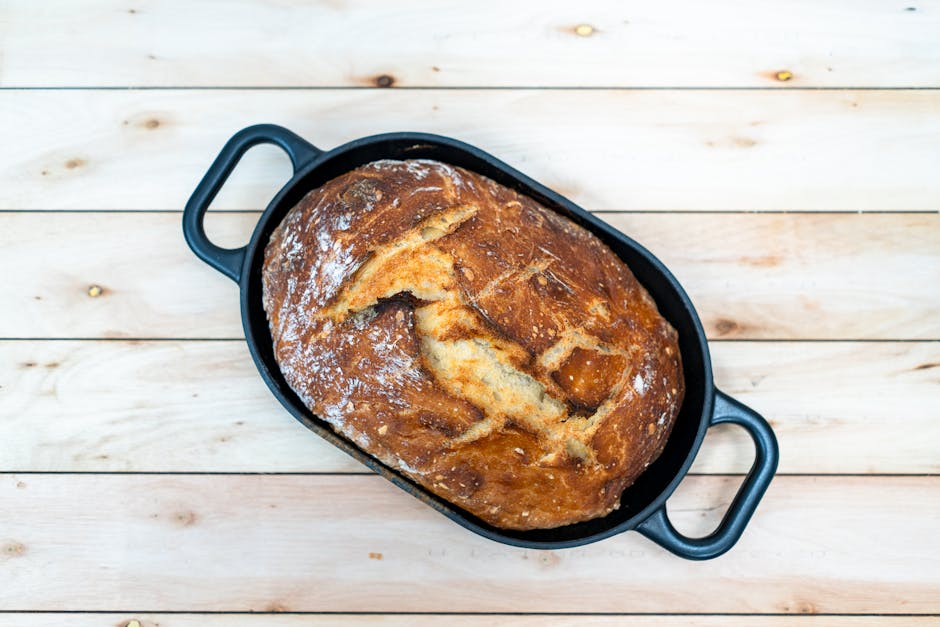
Oval Dutch ovens offer versatility. They suit elongated loaves like bâtards. Oval shapes provide more surface area for larger bread. Think about your preferred bread shape before deciding. Both shapes have unique advantages in bread baking.
Heat Retention And Distribution
Choosing the right Dutch oven for baking bread is crucial, and two key factors that can greatly influence your baking results are heat retention and distribution. A Dutch oven that excels in these areas ensures that your bread bakes evenly, with a perfect crust and soft interior. Let’s dive into why these aspects are so important and how they can make or break your baking experience.
Consistent Baking
Imagine pulling out a perfectly baked loaf every time. This dream becomes a reality with a Dutch oven that offers consistent heat retention. If the heat is evenly distributed, each part of your bread receives the same level of warmth, resulting in uniform texture and color. This consistency means you won’t find yourself with a loaf that’s burnt on one side and undercooked on the other.
Think about the last time you baked bread. Did the crust come out just as you hoped? A high-quality Dutch oven maintains a steady temperature, ensuring your bread has the ideal crust—crisp, golden, and inviting. It’s not just about the crust, though; the inside should be just as delightful, soft, and airy, which consistent heat helps achieve.
Temperature Control
How much control do you have over your oven’s temperature? With a Dutch oven that excels in heat distribution, you gain better control over the baking process. This means fewer surprises and more predictable results. As someone who loves baking, I learned that a Dutch oven with poor heat control can lead to frustration and wasted ingredients.
Consider the importance of preheating. A Dutch oven that retains heat well preheats more effectively, allowing you to start your baking with precision. You’ll notice a difference in your results when you have a tool that keeps the heat steady throughout the baking process. When the temperature is in your control, you can confidently experiment with different recipes and techniques.
So, which Dutch oven should you choose? Look for options made of materials that excel in heat retention, like cast iron. Consider the design—thick walls and a tight-fitting lid help maintain a consistent temperature. The right choice can elevate your bread baking from good to exceptional. Are you ready to transform your baking adventures with the perfect Dutch oven?
Lid Design
The lid design of a Dutch oven plays a crucial role in baking bread. A well-designed lid ensures perfect bread texture and crust. It helps trap moisture, creating a steamy environment. This is essential for achieving that desired crispy crust. Let’s explore what makes a lid design effective for baking bread.
Importance Of A Tight Seal
A tight seal on a Dutch oven lid keeps heat and steam inside. This is crucial for baking bread with a perfect crust. The trapped steam allows the dough to rise and expand. It also prevents the bread from becoming dry. A snug-fitting lid is key to achieving consistent baking results.
Steam Retention Features
Some Dutch oven lids have steam retention features. These features include dimples or ridges on the lid’s interior. They help direct steam back onto the bread. This ensures even moisture distribution. The bread bakes evenly with a glossy finish. Such features enhance the overall baking experience.
Durability And Maintenance
Choosing the right Dutch oven for baking bread involves more than its cooking ability. Durability and maintenance are key factors that affect your experience. A durable Dutch oven will stand the test of time, ensuring you enjoy baking for years. Maintenance determines how often you need to clean and care for your pot. Simple maintenance keeps your Dutch oven in top condition, making it a reliable kitchen companion.
Cleaning Ease
Cleaning a Dutch oven should be straightforward. Some models offer non-stick surfaces. These surfaces reduce food residue and make cleaning easier. Cast iron requires seasoning to prevent sticking. Proper seasoning creates a smooth surface, easing cleanup. Enamel-coated ovens resist stains and require less scrubbing. This coating simplifies cleaning, saving you time.
Long-term Use
Longevity depends on the material and build quality. Cast iron is known for its durability. It withstands high temperatures and lasts for years with proper care. Enamel-coated options offer similar longevity with less maintenance. Quality brands use durable materials that resist chipping and cracking. Regular maintenance ensures your Dutch oven remains reliable over time.
Brand Comparisons
Choosing the ideal Dutch oven for baking bread involves comparing top brands like Le Creuset, Lodge, and Staub. Each brand offers unique features such as heat retention, durability, and design. Understanding these differences helps in selecting the best fit for perfect, crusty loaves.
Comparing brands is crucial when searching for the best Dutch oven for baking bread. Different brands offer unique features and benefits that can impact your baking results. Understanding these differences will help you make an informed decision and ensure your bread-baking experience is top-notch.
Le Creuset
Le Creuset is renowned for its vibrant colors and superior craftsmanship. Their Dutch ovens are made from high-quality enameled cast iron, which ensures even heat distribution. This is essential for achieving a perfectly baked loaf with a crispy crust. The enamel coating is chip-resistant and easy to clean. These features make it a favorite in many kitchens. However, the price can be a significant investment. I once splurged on a Le Creuset, and it transformed my baking routine. The even heat helped me master sourdough. If you’re serious about baking, consider whether the investment aligns with your goals.
Lodge
Lodge offers more affordable options without sacrificing quality. Their cast iron Dutch ovens are durable and effective for bread baking. Lodge products are preseasoned, which means they are ready to use right out of the box. While they lack the colorful enamel of Le Creuset, they excel in versatility. You can use them on the stovetop or in the oven. This flexibility is great if you enjoy experimenting with different recipes. My first Dutch oven was a Lodge, and it served me well for years. It’s a great starting point if you’re new to bread baking and want an economical option that delivers results.
Staub
Staub Dutch ovens are another excellent choice, known for their black matte enamel interiors. This unique feature enhances browning and creates a beautiful crust on your bread. They also have self-basting spikes on the lid that help retain moisture. Their aesthetic appeal is undeniable, with a range of earthy colors. This makes them a stylish addition to any kitchen. However, they can be heavier than other brands. When I used a Staub, I noticed how effortlessly it maintained moisture in my dough. If you prioritize aesthetics and moisture retention, Staub could be your perfect match. Choosing the best Dutch oven for your bread-baking needs isn’t just about brand loyalty. It’s about aligning your needs with the features each brand offers. What matters most to you: cost, aesthetics, or specialized features?
Budget Considerations
Selecting the best Dutch oven for bread baking involves budget considerations. Affordable options like Lodge offer durability and excellent heat retention. More costly brands such as Le Creuset provide superior craftsmanship and design. Balancing cost with quality ensures delicious homemade bread without breaking the bank.
When selecting the ideal Dutch oven for baking bread, budget plays a big role. Some options cost less but still work well. Others have a higher price but offer more features. Understanding what you need and what you can afford helps in making the right choice.
Affordable Choices
Affordable Dutch ovens can still deliver great results. Brands like Lodge offer good quality at a lower cost. These options often feature cast iron construction, which retains heat well. They come in various sizes to fit different baking needs. Their durability ensures they last long, making them a smart buy. Look for options with a well-fitted lid. This ensures steam is trapped inside, creating a perfect crust. Even with a limited budget, you can find a reliable Dutch oven.
Premium Options
Premium Dutch ovens often come from well-known brands. Le Creuset and Staub are popular choices in this category. These options often boast enamel coating, offering easy maintenance and a stylish look. They provide even heat distribution, crucial for perfect bread. Premium models also come with a variety of colors and designs. This adds a touch of style to your kitchen. Though they require a bigger investment, their quality and performance are unmatched. For those who bake often, it might be worth spending extra on these options.
Credit: kanalifestyle.com
User Reviews
User reviews offer valuable insights into choosing the best Dutch oven for baking bread. They highlight real-life experiences, helping bakers make informed decisions. Reading reviews can uncover hidden gems or potential drawbacks, guiding you to the ideal choice for your kitchen.
Bread Baking Experiences
Bakers share diverse experiences with different Dutch ovens. Many praise their oven’s ability to retain heat, ensuring even baking. Crisp crusts and soft interiors are common praises. Some users mention experimenting with recipes, adjusting baking times for perfect results. Others share stories of baking sourdough, noting how their oven impacts the rise and texture. These experiences provide a glimpse into what one might expect when using a particular brand or model.
Pros And Cons
Users often list pros and cons of their Dutch ovens. Pros typically include durability, heat retention, and versatility. Many users enjoy the ovens’ ability to bake multiple bread types. Cons might involve weight, size, or price. Some mention difficulties in cleaning or maintaining the enamel coating. Understanding these aspects can help weigh the benefits against potential drawbacks.
Frequently Asked Questions
What Kind Of Dutch Oven Is Best For Bread?
Choose a heavy-duty, cast iron Dutch oven with a tight-fitting lid for optimal bread baking. Ensure it’s oven-safe up to 450°F. A 5 to 7-quart size is ideal for accommodating loaf expansion. Enamel coating prevents sticking and enhances heat distribution for crispy crusts.
Brands like Lodge and Le Creuset are popular choices.
Which Is Better, Enameled Or Cast Iron Dutch Oven?
Enameled Dutch ovens offer easy cleaning and resist rust. Cast iron Dutch ovens excel in heat retention and durability. Choose enameled for convenience and aesthetics. Opt for cast iron for traditional cooking and longevity. Your decision depends on personal preference and cooking needs.
Both types are excellent for diverse recipes.
Is Cast Iron Or Ceramic Better For A Dutch Oven?
Cast iron Dutch ovens excel in heat retention and durability. Ceramic ones offer better aesthetics and even heating. Choose based on cooking needs and preferences. Cast iron suits high-temperature cooking, while ceramic is ideal for gentle, even cooking. Both are excellent, depending on your kitchen requirements.
Is A 7 Qt Dutch Oven Too Big For Bread?
A 7 qt Dutch oven works well for bread baking. It provides ample space for dough expansion. This size helps achieve a crispy crust and even cooking. Ensure the dough size matches the oven for optimal results. Many bakers prefer this size for versatile bread recipes.
Conclusion
Choosing the right Dutch oven can enhance your bread baking. Each option offers unique features and benefits. Consider the size, material, and weight. Think about your baking frequency and space. Your budget also plays a role. A cast iron Dutch oven is popular for even heat.
Enamel-coated ones are easy to clean. Steel options are lighter to handle. Prioritize what suits your needs best. Happy baking with your perfect Dutch oven!








