Affiliate Disclosure: This post may contain affiliate links. If you purchase through links on our site, we may earn an affiliate commission at no extra cost to you.
Craving that perfect pizza crust that only a wood-fired oven can deliver? You’re in the right place!
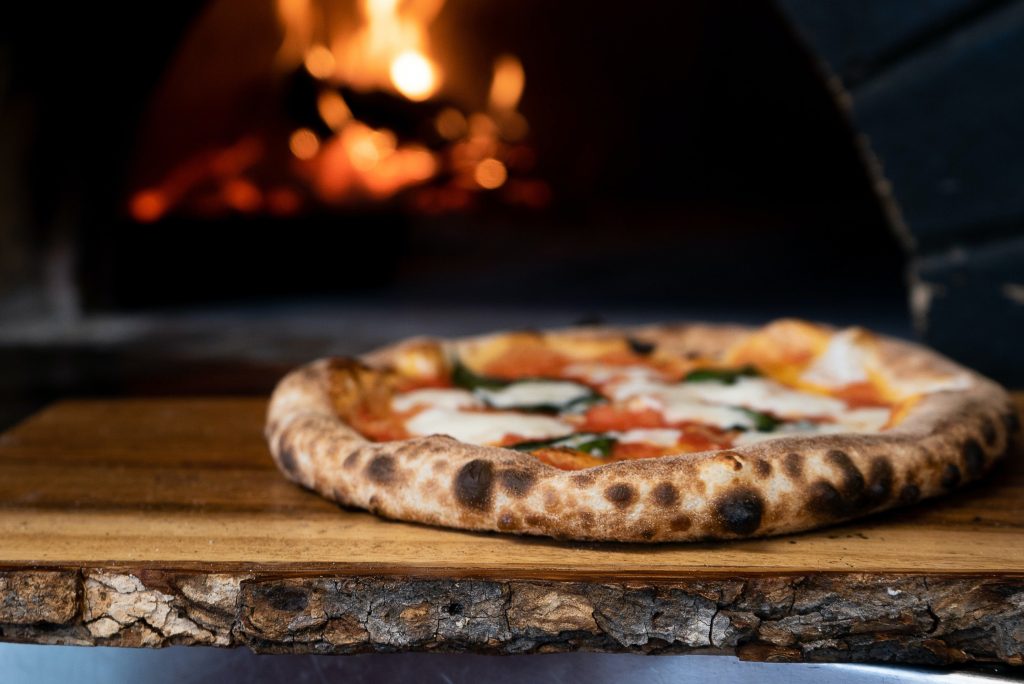
Imagine pulling out a pizza with a golden, crispy crust, slightly charred, yet soft and chewy on the inside. It’s not just a dream; it’s a taste sensation waiting to happen in your kitchen. What if I told you that the secret to achieving this lies in the dough?
Yes, your pizza dough! This article is going to reveal the best pizza dough recipe tailored specifically for wood-fired ovens. Get ready to transform your homemade pizzas into mouth-watering masterpieces that will wow your family and friends. Don’t just take a bite; take the entire experience. Ready to elevate your pizza game? Let’s dive in!
Credit: woodfiredfanatics.com
Choosing The Right Flour
Creating the perfect pizza dough for wood-fired ovens starts with choosing the right flour. Flour impacts the texture, flavor, and rise of your dough. Selecting the ideal flour is crucial for achieving that authentic, crispy crust.
All-purpose Vs. Tipo 00
All-purpose flour is common in many kitchens. It offers versatility for various recipes. Some use it for pizza dough, but it’s not always the best choice for wood-fired ovens.
Tipo 00 flour is preferred by pizza enthusiasts. It’s finely milled and has a softer texture. This flour creates a stretchy, thin crust. Perfect for high-heat wood-fired ovens.
Tipo 00 flour gives pizzas a classic Italian touch. It absorbs water well and contributes to a light, airy dough. Many pizzerias use it for its superior qualities.
Gluten Content Considerations
Gluten content affects dough elasticity. Higher gluten flours produce a chewier crust. Tipo 00 flour typically has a moderate gluten level.
All-purpose flour has varied gluten levels. It can result in a less stretchy dough. For wood-fired pizzas, a balanced gluten level is ideal.
Consider your dough’s rise and texture. Tipo 00 flour’s gluten helps achieve the desired crust. It supports the high temperatures in wood-fired ovens.
Perfecting The Dough Hydration
Creating the perfect pizza dough for wood-fired ovens is an art. One crucial element is dough hydration. It influences texture, flavor, and cooking time. Hydration refers to the water content in the dough. Understanding this helps achieve the desired crust. A well-hydrated dough cooks perfectly in high heat. It results in a crispy exterior and a chewy inside.
Optimal Water Ratio
The water ratio is key to dough hydration. Most pizza doughs use a hydration level of 60-70%. This means 60-70 grams of water per 100 grams of flour. A higher water ratio makes the dough soft and airy. But too much water can make it sticky and hard to handle. Finding the right balance is essential. Test different ratios to find what works best for your oven.
Temperature Effects On Hydration
Temperature influences dough hydration. Warm temperatures speed up fermentation. This affects dough texture and flavor. Cold water slows down the process. It allows more control over dough consistency. Adjusting temperature can improve dough handling. Aim for consistent room temperature when mixing. This ensures even hydration throughout the dough.
Mastering The Kneading Technique
Creating the perfect pizza dough for a wood-fired oven is an art that hinges on mastering the kneading technique. The way you knead the dough can make or break your pizza experience. It’s not just about mixing ingredients; it’s about developing a texture that transforms in the intense heat of a wood-fired oven. Whether you prefer hand kneading or using a machine, understanding the nuances of each method is crucial. Let’s dive deeper into how you can refine your skills and ensure your dough is ready for the heat.
Hand Kneading Vs. Machine Mixing
Hand kneading allows you to feel the dough and its consistency. It’s a tactile experience where you engage directly with the ingredients. You can adjust the pressure and speed, giving you control over the dough’s development.
On the other hand, machine mixing offers consistency and efficiency. It’s ideal for larger batches, ensuring each piece of dough receives uniform treatment. Machines save time, but they can’t replicate the subtle adjustments your hands make instinctively.
Which method suits you best? Consider the time you have and the quantity of dough you need. Your choice might vary based on your schedule or the size of your pizza gathering.
Importance Of Gluten Development
Gluten is the magic that gives your pizza dough its structure. When developed properly, it creates that chewy, airy crust we all love. Kneading plays a key role in this process.
Think about the texture you want. A well-kneaded dough will stretch without tearing, allowing the gluten network to form. This structure is crucial when the dough hits the high temperatures of a wood-fired oven.
Experiment with kneading times to find what works best for your dough. You might notice that a few extra minutes can make a big difference in the final product. Are you paying enough attention to your dough’s elasticity?
Remember, the journey to perfect pizza dough is personal. What works for one might not work for another. Let your taste buds guide you as you refine your kneading technique for the ultimate wood-fired pizza experience.
Fermentation For Flavor
Fermentation transforms basic ingredients into flavorful pizza dough. It develops the dough’s texture and taste. The process involves yeast consuming sugars and producing carbon dioxide. This creates airy dough with a complex flavor profile. The duration and method of fermentation influence the final taste. One popular technique is cold fermentation.
Cold Fermentation Benefits
Cold fermentation involves refrigerating the dough for several days. This slow process enhances flavor and texture. The dough matures, resulting in a richer taste. It also becomes easier to handle, stretching without tearing. Cold fermentation allows for better gluten development. This contributes to the dough’s chewy, yet crisp texture.
Yeast Types And Flavor Profiles
Yeast selection affects the dough’s taste and aroma. Different yeasts offer unique flavor profiles. Active dry yeast provides a classic, mild flavor. Instant yeast speeds up fermentation, offering subtle taste differences. Fresh yeast delivers a more pronounced, earthy flavor. Each type influences the dough’s final characteristics.
Shaping Your Dough
Crafting the perfect pizza dough for wood-fired ovens requires balance and simplicity. Achieving a crispy yet soft texture enhances flavors beautifully. Using high-quality ingredients and proper techniques ensures delicious results every time.
Shaping your dough is a crucial step in making the perfect pizza. The shape affects how the crust cooks and the overall texture. A well-shaped dough ensures even cooking in wood-fired ovens. It also guarantees a delightful bite in every slice. Let’s explore how to shape dough using traditional methods. We’ll also look at ways to avoid tears and holes.
Traditional Methods
Traditionally, dough shaping is done by hand. This hands-on method gives you control over the thickness. Start by gently pressing the dough with your fingertips. Use the base of your palm to flatten it evenly. Stretch the dough by rotating it in the air. This helps create a uniform circle. Keep your movements steady and gentle. Avoid stretching too much in one area. The goal is an even thickness throughout.
Avoiding Tears And Holes
Tears and holes can ruin your pizza crust. Handle the dough gently to prevent them. Don’t press too hard while shaping. Check for thin spots as you stretch. Use your fingertips to patch any holes. A light touch helps maintain dough integrity. If a tear occurs, pinch the edges together. Use a gentle motion to smooth the surface. A well-prepared dough leads to a perfect pizza crust.
Prepping The Wood Fired Oven
Cooking pizza in a wood fired oven brings unique flavors. The intense heat cooks the dough quickly, giving it a crispy crust. Prepping the oven correctly ensures consistent results. It’s not just about lighting a fire. Proper preparation involves managing heat and temperature.
Achieving The Right Temperature
Reaching the right temperature is key for perfect pizza dough. A wood fired oven should be around 750°F. This high temperature cooks the pizza in just minutes. Use a thermometer to check the oven’s heat. An infrared thermometer works best. It measures the surface temperature accurately. Building a good fire helps reach this heat. Use dry, seasoned wood for the fire. It burns hotter and cleaner. Start with small kindling to ignite the fire. Gradually add larger logs for a steady flame.
Managing Heat Distribution
Heat distribution affects how evenly your pizza cooks. Move the fire to one side of the oven. This creates a hot zone and a cooler zone. The hot zone cooks the crust quickly. The cooler zone allows the toppings to cook evenly. Rotate the pizza during baking. It ensures all sides cook equally. Use a long-handled peel for this task. Keep an eye on the flames and embers. Adjusting them helps maintain even heat. Remember to keep the oven door slightly open. This lets air circulate, feeding the fire. Proper heat management is essential for a perfect pizza.
Cooking Techniques
Creating pizza in a wood-fired oven is an art. The dough, the heat, and the technique make all the difference. Cooking techniques play a crucial role in achieving the perfect crust. Each step requires attention and skill. With practice, you can make a pizza that delights every taste bud.
Timing And Turnover
Timing is everything in a wood-fired oven. The high heat cooks pizza quickly. Most pizzas bake in two to three minutes. Watch closely to prevent burning. Turn the pizza halfway through cooking. This ensures even baking on all sides. Use a pizza peel for easy turning.
Signs Of A Perfect Bake
A perfect pizza has distinct signs. The crust should be golden brown. Look for slight charring on the edges. The cheese bubbles and melts evenly. The bottom should be crisp, not soggy. Use a spatula to check the underside. If these signs are present, your pizza is ready.
Troubleshooting Common Issues
Wood fired ovens offer a unique pizza experience. The intense heat creates a crispy crust. Yet, achieving perfect dough is challenging. Many face common issues during preparation. Understanding these problems helps improve your dough.
Dough Too Sticky
Sticky dough is frustrating. It hinders shaping and stretching. The main cause is excess moisture. Measure your water accurately. Use a digital scale for precision. High humidity also affects dough. Adjust flour quantity in humid conditions. Cold dough is sticky too. Allow it to reach room temperature before handling. Adding more flour solves stickiness. But, too much flour makes dough dry. Add gradually and knead well.
Burnt Crust Solutions
Burnt crust ruins the pizza experience. It results from oven temperature being too high. Ensure the oven is not overheated. Use an oven thermometer for accuracy. Consider adjusting the baking time. Shorten the cooking duration slightly. Check the pizza regularly while baking. Positioning affects crust burn. Avoid placing dough too close to the flame. Use a pizza peel for proper placement. Rotate the pizza for even cooking. This prevents one side from burning. A cooler oven floor also helps. Sprinkle flour on the floor before placing pizza. It creates a barrier against direct heat.
Enhancing Flavor And Texture
The perfect pizza dough sets the stage for an unforgettable meal. For wood-fired ovens, dough flavor and texture are crucial. Enhancing these aspects can elevate your pizza experience. Discover new ways to add depth and character. Enjoy a more satisfying bite with every slice.
Incorporating Herbs And Spices
Herbs and spices can transform your dough. Mix dried oregano, basil, or thyme into the flour. These herbs add a delightful aroma. Fresh rosemary can give a unique touch. Spice it up with garlic powder or onion powder. These flavors infuse the dough, creating a memorable crust.
Experimenting With Dough Additives
Different additives can improve your pizza dough. Try using olive oil for a rich taste. Honey or sugar can add subtle sweetness. These ingredients also aid in browning. Whole wheat flour adds a nutty flavor. It also provides a hearty texture. Semolina flour can enhance crispness.
Frequently Asked Questions
Is Wood Fired Pizza Dough Different?
Yes, wood-fired pizza dough is different. It is typically softer, with higher hydration and uses specific flour. This allows it to cook quickly at high temperatures, creating a crispy exterior and chewy interior. The unique flavor comes from the wood smoke and rapid baking process.
Can You Use Regular Pizza Dough In A Wood-fired Oven?
Yes, regular pizza dough works in a wood-fired oven. Ensure it’s thinly stretched for even cooking. The intense heat quickly bakes the crust, enhancing flavor. Use high-quality ingredients for best results. Adjust cooking time to prevent burning. Experiment to achieve desired texture and taste.
What Is The 55 Rule For Pizza?
The 55 rule for pizza suggests cooking pizza at 550°F for 5 minutes. This ensures a crispy crust and thoroughly cooked toppings. Ideal for home ovens, this method imitates pizzeria-style baking, providing delicious results quickly.
Is Apple Wood Or Hickory Better For Wood Fired Pizza?
Apple wood and hickory both offer unique flavors for wood-fired pizza. Apple wood gives a sweet, mild taste, ideal for subtle flavors. Hickory provides a stronger, smoky flavor, perfect for robust toppings. Choose apple for a gentle, fruity aroma or hickory for a bold, savory experience.
Conclusion
Choosing the right pizza dough transforms your wood-fired oven experience. The perfect dough creates a crispy, delicious crust. Experiment with different recipes to find your favorite. Remember, practice makes perfect. Fresh ingredients enhance flavor and texture. Knead the dough well for optimal results.
Patience is key in the rising process. Enjoy your homemade pizza with friends and family. Share the joy of crafting pizzas in your wood-fired oven. Savor each slice and cherish the memories created. Happy pizza baking!








