Affiliate Disclosure: This post may contain affiliate links. If you purchase through links on our site, we may earn an affiliate commission at no extra cost to you.
Imagine pulling a perfectly baked pizza out of your oven, its crust golden brown and cheese bubbling just right. Sounds delicious, right?
But achieving that pizza perfection at home can be tricky. The secret lies in knowing the best temperature for your oven. You might wonder, “Is my oven too hot or not hot enough? ” Getting it wrong can lead to a soggy base or burnt edges, ruining your pizza night.
You’ll discover the ideal temperature for baking pizza in your oven, ensuring a crispy crust and mouth-watering toppings every time. Stick around to uncover the simple tweaks that can transform your homemade pizza into a delightful feast that rivals your favorite pizzeria.
Credit: grillscapes.com
Importance Of Oven Temperature
The temperature of your oven is crucial when making pizza. It’s not just about turning the dial to a random number and hoping for the best. The right temperature can make the difference between a soggy pizza and one with a crispy crust and perfectly melted cheese. Whether you’re using a conventional oven or a pizza oven, understanding the importance of oven temperature can elevate your pizza game.
Achieving The Perfect Crust
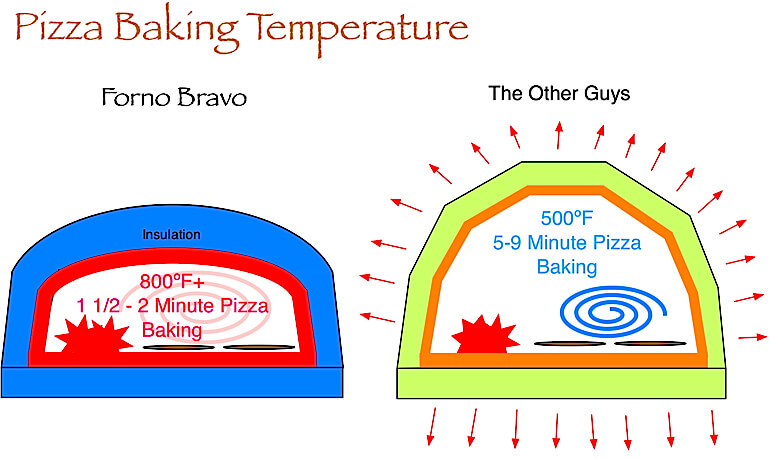
Imagine biting into a pizza with a crust that’s soft and chewy on the inside and crispy on the outside. This is what the perfect oven temperature can achieve. A hot oven, typically around 475°F to 500°F (245°C to 260°C), gives the dough the quick burst of heat it needs to rise rapidly and form that delightful texture.
Even Cooking For Toppings
Have you ever had pizza where the toppings are burnt while the dough is still raw? That’s a sign of uneven cooking, often caused by incorrect oven temperature. A consistent and high temperature ensures that toppings cook evenly with the crust. This harmony creates a symphony of flavors in every bite.
Preventing A Soggy Bottom
No one likes a pizza with a soggy bottom. It’s disappointing and can ruin the experience. The right oven temperature helps avoid this by allowing the moisture in the dough to evaporate quickly. It’s a small detail, yet it makes a huge difference in the overall texture of your pizza.
Speed And Efficiency
Cooking pizza at a high temperature also saves time. Who wants to wait forever for a homemade pizza? A hot oven cooks pizza in minutes, giving you a quick meal without sacrificing quality. It’s perfect for those busy nights or sudden cravings.
Personal Experience: Trial And Error
Years ago, I thought I could bake pizza at any temperature, but the results were disappointing. After some trial and error, I discovered the magic of high heat. It transformed my homemade pizzas into restaurant-quality delights. Now, each pizza is a testament to the power of the right temperature.
Are you ready to fine-tune your oven temperature for perfect pizza? What temperature do you usually set your oven at, and how does it affect your pizza? Understanding and adjusting your oven temperature might just be the secret ingredient you’ve been missing. Give it a try, and let your taste buds be the judge!
Ideal Temperature Range
Cooking pizza at the perfect temperature ensures a crispy crust and melted cheese. Finding the right balance can be tricky, especially for beginners. The ideal temperature range is vital for achieving a delicious homemade pizza. Understanding this range helps avoid soggy or burnt outcomes.
What Is The Ideal Temperature Range?
The ideal temperature for baking pizza usually falls between 450°F and 500°F. This range ensures a crispy crust and perfectly cooked toppings. Too low, and the pizza might become soggy. Too high, and it risks burning. Ovens vary, so it’s good to know your appliance’s quirks. Adjustments may be necessary for best results.
Why 450°f To 500°f Works Best
High temperatures mimic traditional wood-fired ovens. They cook the pizza quickly, locking in flavors. At 450°F to 500°F, the crust becomes crispy, yet the inside remains soft. Cheese melts evenly, creating a delightful texture. This range also helps toppings to cook thoroughly without burning.
Adjusting For Different Types Of Pizza
Thin crust pizzas may require a slightly higher temperature. They cook faster and need that extra heat for crispiness. Thicker crusts, like deep-dish, might benefit from a slightly lower setting. This allows the dough to cook through without overcooking the toppings.
Using A Pizza Stone For Optimal Results
A pizza stone helps achieve an even bake at these temperatures. It retains heat, providing a consistent cooking surface. Preheat the stone in the oven to maximize its effectiveness. This addition can significantly improve your pizza’s texture.
Experimenting With Your Oven
Ovens can vary, affecting cooking times and outcomes. Experiment with your oven to find what works best. Keep a close watch on your first few attempts. Adjust the temperature within the ideal range as needed.
Impact On Crust Texture
Pizza crust texture is influenced by oven temperature. This crucial factor determines the final feel and taste of your pizza. A well-baked crust is key for an enjoyable pizza experience. Temperature changes can alter crust texture, affecting its crispiness and softness. Let’s explore how the right temperature impacts crust texture.
Achieving A Crispy Crust
A crispy crust is a delight for pizza lovers. It requires a high oven temperature. Bake pizza at 475°F to 500°F. This heat helps the crust become golden and crunchy. The dough cooks quickly, locking in moisture while creating a crisp exterior. A hot oven prevents the crust from being chewy or soft.
Avoiding A Soggy Base
No one enjoys a soggy pizza base. To prevent this, preheat your oven well. Ensure temperatures reach the recommended range. This stops moisture from ruining your pizza. A hot oven evaporates excess moisture. It keeps the bottom firm and delicious. Proper temperature ensures a balanced crust, avoiding sogginess.
Credit: pizzello.com
Different Pizza Styles
Pizza is a universal comfort food, but not all pizzas are created equal. Different styles have unique qualities, and the right oven temperature can make all the difference. Whether you’re a fan of the classic Neapolitan or love the New York slice, understanding how temperature affects each style is key. Let’s dive into the specifics of various pizza styles and their ideal baking temperatures.
Neapolitan Pizza
Neapolitan pizza is a purist’s dream. Originating from Naples, it features a soft, chewy crust with slight charring. This style requires a high temperature, typically around 900°F (485°C). Such high heat ensures a quick bake, usually in 60 to 90 seconds, giving you that classic airy crust.
Have you ever tried making Neapolitan pizza at home? It’s quite the experience. The key is a preheated pizza stone or steel to mimic the intense heat of a wood-fired oven. If your oven doesn’t reach that high, use the broiler for a similar effect. It’s worth the effort for that authentic taste.
New York Style Pizza
New York style pizza is all about that perfect foldable slice. It’s known for its thin yet sturdy crust, with a balance of chewiness and crispness. For this style, aim for an oven temperature of around 500°F (260°C).
When baking at this temperature, you get that iconic golden-brown crust. A longer bake time of about 10-12 minutes allows the cheese and toppings to meld beautifully. Ever wondered why New Yorkers are so passionate about their pizza? It’s all in the bake.
Thin Crust Variations
Thin crust pizzas come in many forms, from cracker-like to slightly chewy. The baking temperature for these pizzas typically ranges from 450°F to 500°F (230°C to 260°C). The goal is a quick bake that crisps the crust without overcooking the toppings.
Consider experimenting with different thin crusts at home. Try a lower temperature for a softer base or higher for a crunchier texture. Each variation offers a unique pizza experience. What’s your favorite thin crust style? It might just change with each bake.
Understanding these different styles and their ideal temperatures can transform your homemade pizza nights. Next time you fire up the oven, experiment with these guidelines and discover your perfect slice. Happy baking!
Baking Techniques
When you think about the perfect pizza, you imagine a crispy crust with bubbling cheese and toppings cooked just right. Achieving this perfection starts with mastering the baking techniques. Whether you’re using a conventional oven or a convection one, understanding the right methods can elevate your homemade pizza game. Ready to turn your kitchen into a pizzeria?
Preheating The Oven
Preheating your oven is essential for a crispy crust. Set your oven to at least 475°F (245°C). This high temperature ensures that the dough starts cooking immediately, sealing in moisture and flavor. Think of it as setting the stage for your pizza, where every minute counts.
Have you ever noticed how the best pizzas come from ovens that have been preheated properly? Imagine the disappointment of a soggy pizza because the oven wasn’t hot enough. Don’t let that happen to you. Always preheat and give your pizza the heat it deserves.
Using A Pizza Stone
A pizza stone can be your best friend for getting that authentic pizzeria feel. It absorbs heat and distributes it evenly, giving your pizza a crispy base. Place it in the oven while preheating to get it as hot as possible.
Have you tried using a pizza stone before? If not, it’s time to experiment. Your pizza stone can transform your baking experience, making every slice a delight. Just remember to be careful; it’s hot!
Convection Vs. Conventional
Do you have a convection oven? If so, you’re in luck. Convection ovens use fans to circulate hot air, cooking your pizza more evenly and quickly. You may need to adjust the temperature slightly lower than conventional settings to prevent burning.
On the other hand, conventional ovens heat from the bottom and top. They can work perfectly if you watch your pizza closely. So, which oven do you prefer? Your choice can impact the texture and taste of your pizza.
Ultimately, the best temperature for oven pizza isn’t just about numbers. It’s about finding the right technique that suits your style and setup. Are you ready to experiment and find your perfect pizza temperature?
Common Mistakes
Setting the oven temperature too low can make pizza dough soft and chewy instead of crispy. Baking pizza at a high temperature, around 475-500°F, ensures a crispy crust and evenly cooked toppings. Avoid opening the oven door frequently, as this can lower the temperature and affect cooking.
Cooking pizza at home offers delicious satisfaction. But small mistakes can ruin it. Understanding common errors helps achieve perfect pizza every time. Avoid these pitfalls for a crispy, tasty crust.
Overloading The Pizza
Many people love extra toppings on their pizza. But too many can be a problem. Overloading the pizza makes it soggy. The crust might not cook evenly. This leads to a heavy, undercooked center. Use fewer toppings for a better balance. Choose quality over quantity for a delicious result.
Incorrect Rack Position
Rack position in the oven is crucial. It affects how the heat reaches the pizza. Placing it too high can burn the crust. Too low, and the toppings might not cook well. The middle rack is usually best. It ensures even cooking and a crispy crust. Experiment to find the best spot in your oven.
Tips For Home Bakers
Achieve crispy pizza crusts by setting your oven to 475°F (245°C). Preheat for a consistent heat distribution. A hot oven ensures a perfect balance between crispy edges and gooey cheese.
As a home baker, achieving the perfect oven pizza can feel like a delicious challenge. Understanding the best temperature for your pizza can elevate your baking skills and impress your taste buds. Let’s explore some practical tips to help you master this art in your own kitchen.
Monitoring Oven Thermostat
Did you know that your oven’s thermostat might not always be accurate? Many home ovens can be off by as much as 25 degrees Fahrenheit. This can make a big difference in your pizza’s texture and taste. Consider using an oven thermometer to verify the actual temperature inside your oven. Place it on the middle rack for the most accurate reading. This small investment can ensure that you’re baking your pizza at the right temperature every time.
Experimenting With Temperatures
The ideal pizza temperature is often debated, but many experts recommend around 475-500 degrees Fahrenheit. This high heat helps achieve a crispy crust while cooking the toppings evenly. However, your personal preference plays a significant role. Try baking a pizza at different temperatures to see how it affects the crust and toppings. You might find that a slightly lower or higher temperature suits your taste better. Keep a baking journal to note the temperatures you’ve tried and the results you loved. Does your pizza crust come out too soggy or too crispy? Adjusting the temperature can solve these issues. Remember, the journey to the perfect pizza is a tasty experiment. By monitoring your oven’s thermostat and experimenting with temperatures, you can refine your pizza-making skills. What’s your go-to oven temperature for pizza, and how does it impact your baking experience? Share your thoughts and tips in the comments below!
Frequently Asked Questions
Should Pizza Be At 375 Or 400?
Pizza should be baked at 400°F for a crispy crust. This temperature ensures even cooking and enhances flavor. For thicker crusts, 375°F works well, providing softer results. Adjust based on oven performance and personal taste for optimal pizza enjoyment.
Should I Cook Pizza At 450 Or 500?
Cook pizza at 500°F for a crispy crust and quicker bake. Some prefer 450°F for a softer crust. Choose based on your desired texture. Adjust according to your oven’s performance. Always monitor to avoid burning.
What Is The Best Oven Temperature For Homemade Pizza?
Bake homemade pizza at 475°F (245°C) for optimal crispiness and flavor. Preheat oven for best results. High temperature ensures a perfectly cooked crust. Use a pizza stone for even heat distribution. Adjust based on your oven’s performance for ideal texture.
How Long To Bake Homemade Pizza At 425 Degrees?
Bake homemade pizza at 425°F for 12 to 15 minutes. Check for golden-brown crust and bubbling cheese. Adjust time based on thickness and toppings. Use a pizza stone for crispiness. Enjoy your delicious homemade creation!
Conclusion
Choosing the right oven temperature makes your pizza delicious. A hot oven ensures a crispy crust. The cheese melts perfectly at the right heat. Experimenting with temperatures can help find your favorite. Remember, each oven might vary slightly. Start with a high temperature, around 475°F (245°C).
Adjust as needed for personal preference. Enjoy the process of making homemade pizza. It’s all about finding what works best for you. Keep practicing and tasting. Soon, you’ll know exactly what your perfect pizza needs. Share your tasty creations with family and friends.
Happy pizza baking!








