Affiliate Disclosure: This post may contain affiliate links. If you purchase through links on our site, we may earn an affiliate commission at no extra cost to you.
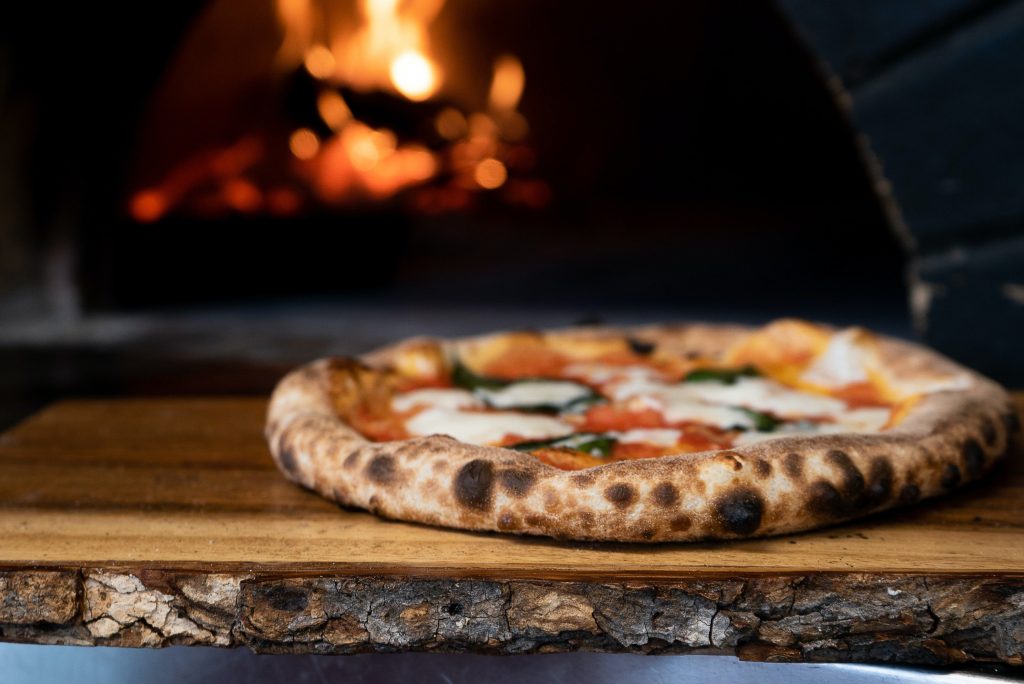
Imagine the aroma of freshly baked pizza wafting through your home. You can almost taste the crispy crust and feel the warmth of the brick oven.
If you’re passionate about pizza, you know that the dough is the heart of the perfect pie. But not just any dough—brick oven pizza dough that elevates your homemade pizza to a whole new level. You deserve to experience the authentic, mouth-watering taste that only the best pizza dough can deliver.
We’re diving into the secrets of crafting the ultimate pizza dough for a brick oven, so you can impress your taste buds and satisfy your cravings. Get ready to unlock the key to pizza perfection right in your own kitchen. Are you excited to discover how to make your pizza dreams come true?
Essentials Of Brick Oven Pizza Dough
There’s something magical about the crispy, chewy texture of brick oven pizza dough. Achieving that perfect dough isn’t as elusive as it might seem. With a few key essentials, you can make pizza dough that transforms your pizza nights. The beauty of brick oven pizza lies in its simplicity and authenticity, and by focusing on these essentials, you can bring a piece of Italy to your kitchen.
Ingredients Matter
Quality ingredients are the backbone of great pizza dough. Choose high-protein flour for strength and elasticity. This ensures your dough stands up to the intense heat of a brick oven. Remember, fresh yeast can make a big difference in flavor and texture.
Proper Hydration
The water-to-flour ratio is crucial in pizza dough. A well-hydrated dough leads to a light and airy crust. Aim for a hydration level around 60-65% for that perfect balance. This means if you’re using 100 grams of flour, you’ll want 60-65 grams of water.
Long Fermentation
Don’t rush your dough. Allowing it to ferment overnight in the fridge develops flavors and improves texture. This slow rise enhances the dough’s complexity. Have you tried this method? You’ll notice the difference in taste.
Temperature Control
Brick ovens are known for their high temperatures. Your dough should be at room temperature before cooking to ensure even baking. This prevents the crust from burning before the toppings cook. Is your dough too cold? Let it sit out for a bit before using.
Proper Kneading Technique
Kneading is vital for building gluten structure. Use a gentle folding technique to avoid overworking the dough. This keeps it soft and pliable. Have you ever kneaded dough until it’s silky smooth? It’s quite satisfying.
Preheat Your Brick Oven
A well-preheated oven is key to achieving the perfect crust. Ensure your oven reaches at least 700°F before baking. This intense heat creates that signature charred crust. Do you feel the heat? It’s what gives brick oven pizza its unique flavor.
Brick oven pizza is more than just a dish; it’s an experience. By focusing on these essentials, you’re not just making pizza, you’re crafting a masterpiece. Imagine the joy of biting into a slice with a crust so perfect, it could rival any pizzeria. What’s your secret to pizza dough perfection? Share your tips and tricks, and let’s create the ultimate pizza dough together.
Key Ingredients
Creating the perfect pizza dough for a brick oven is an art. The key ingredients can make or break your dough’s texture and flavor. Understanding each ingredient’s role helps in crafting a delightful pizza experience. Let’s explore the essential components of this classic recipe.
Flour Types
Flour forms the base of any pizza dough. For brick oven pizza, use high-protein flour. It gives strength and elasticity to the dough. Bread flour is a popular choice. It has a higher gluten content. This results in a chewy and airy crust. Experiment with different flours to find your perfect match.
Yeast Varieties
Yeast is crucial for dough rising. Choose between active dry yeast or instant yeast. Active dry yeast needs to be dissolved in water first. Instant yeast can be mixed directly with flour. Both types work well. The choice depends on personal preference and time availability.
Water Quality
Water affects dough texture. Use filtered or bottled water for best results. Tap water can contain chlorine. This can impact yeast activity. The right amount of water makes dough soft but not sticky. Adjust water based on flour type and humidity levels.
Salt Importance
Salt enhances flavor and controls yeast activity. It strengthens gluten structure. Use fine sea salt for even distribution. Avoid using too much. It can slow down fermentation. Measure accurately for consistent results.
Olive Oil Benefits
Olive oil adds richness and flexibility to the dough. It aids in browning during baking. Extra virgin olive oil is preferred for its flavor. Drizzle some on top before baking. It gives a crisp, golden crust. Olive oil also keeps dough from drying out.
Dough Preparation Steps
Crafting the perfect pizza dough for a brick oven starts with careful preparation. Each step ensures the dough’s flavor and texture are just right. Follow these easy guidelines to create a dough that cooks beautifully in a brick oven.
Mixing Techniques
Combine flour, salt, yeast, and water. Stir gently until blended. Use a wooden spoon or spatula for mixing. Add water gradually to avoid lumps. Ensure the mixture is smooth and elastic.
Kneading Tips
Knead the dough on a floured surface. Press and fold repeatedly for 10 minutes. This develops gluten, giving the dough strength. The dough should feel smooth and springy.
Fermentation Process
Place the dough in a lightly oiled bowl. Cover with a damp cloth. Let it rest in a warm place. Fermentation develops flavor and texture. Wait until the dough doubles in size.
Rising And Resting
After fermentation, punch down the dough gently. Shape into a ball and cover again. Allow it to rise for another hour. Resting helps the dough become airy and light.
Shaping The Dough
Shaping the dough is crucial for pizza perfection. The way you shape your pizza dough affects its texture and taste. A well-shaped dough cooks evenly in the brick oven. It also holds your toppings just right.
Rolling Vs. Stretching
Rolling the dough is easy and fast. You use a rolling pin to flatten the dough. This method gives a uniform shape. But it might make the dough too dense.
Stretching is more traditional. It involves using your hands to pull and spread the dough. Stretching keeps the dough airy and light. It allows the crust to rise nicely.
Achieving The Perfect Thickness
Thickness matters for brick oven pizzas. Too thick, and the crust might stay raw inside. Too thin, and it might burn quickly.
A good thickness is about 1/4 inch. This ensures the crust is crispy outside and soft inside. Use your fingers to feel the thickness. Adjust as you go along.
Remember, practice makes perfect. The more you shape dough, the better it gets.
Cooking In A Brick Oven
Brick ovens offer unique advantages for pizza enthusiasts. They create a crisp crust with a chewy center. The intense heat cooks the pizza quickly. This quick cooking maintains the freshness of toppings. Brick ovens provide an authentic taste. They enhance flavors with a smoky touch. The experience feels rustic and traditional.
Optimal Temperature
Achieving the right temperature is crucial. Brick ovens can reach up to 900°F. The ideal range is 700°F to 800°F. This high heat ensures a perfect crust. It also cooks toppings evenly. Preheat the oven thoroughly. It should be hot before placing the pizza. Use a thermometer to check the temperature. Consistent heat leads to better results.
Baking Time Considerations
Cooking times vary in brick ovens. They depend on dough thickness and toppings. Thin crusts cook faster. Usually, they take 2 to 5 minutes. Thick crusts might need 5 to 8 minutes. Keep an eye on the pizza. Overcooking leads to dryness. Under-cooking makes the dough soggy. Adjust baking time based on observation.
Monitoring Dough Crispiness
Crispiness is vital for a good pizza. Observe the crust as it bakes. Look for a golden-brown color. The edges should be firm. Tap the crust lightly. Listen for a hollow sound. This indicates crispiness. Remove the pizza if it looks perfect. Let it cool slightly before serving. Enjoy the delicious texture and taste.
Troubleshooting Common Issues
Crafting the best pizza dough for a brick oven can have its challenges. Common issues include dough sticking, uneven cooking, and bland flavors. Solve these problems by using the right flour, precise measurements, and proper kneading techniques for perfect results every time.
Making pizza dough for a brick oven can be tricky. Sometimes, things don’t go as planned. But don’t worry. With a bit of knowledge, you can fix common dough problems. This section will help you handle sticky dough, prevent tears, and avoid uneven cooking. Let’s dive in and make your pizza dough perfect!
Dealing With Sticky Dough
Sticky dough can be frustrating. It sticks to your hands and surfaces. To fix this, add a little flour. Sprinkle it over the dough and knead gently. Be careful not to add too much. Excess flour can make the dough tough. Use just enough to stop the sticking. You can also oil your hands lightly. This helps prevent sticking without changing the dough’s texture. Keep your work surface floured too. This ensures the dough stays smooth and easy to handle.
Preventing Dough Tears
Dough tears can ruin your crust. They usually happen if the dough is too thin. To avoid tears, roll the dough evenly. Use a rolling pin for even pressure. If a tear occurs, don’t panic. Pinch the edges of the tear together. Let the dough rest for a few minutes. Resting helps the gluten relax, reducing the chances of tearing.
Avoiding Uneven Cooking
Uneven cooking can leave some parts undercooked. To prevent this, ensure your oven is hot enough. Brick ovens need to reach high temperatures. Preheat your oven properly. Also, rotate your pizza halfway through cooking. This ensures all sides cook evenly. Use a pizza peel for easy rotation. Check your pizza’s bottom for even browning. Adjust the position if needed. `
Enhancing Flavor And Texture
Crafting the perfect pizza dough enhances flavor and texture. Ideal for brick oven baking, this recipe delivers a crispy crust with a soft interior. The balance of ingredients ensures a delightful chew and rich taste, making every slice unforgettable.
Enhancing the flavor and texture of your pizza dough can take your homemade pizza to the next level. If you’ve ever wondered how to achieve that perfect balance of taste and chewiness, you’re in the right place. Let’s dive into some simple yet effective ways to elevate your pizza dough for a brick oven masterpiece.
Using Spices And Herbs
Adding spices and herbs to your dough can make a world of difference. Consider mixing in dried oregano or basil for a subtle Italian flair. A pinch of garlic powder or onion powder can also add depth and complexity. Experiment with different combinations to suit your taste. You might find that rosemary adds a fragrant aroma, while a touch of chili flakes gives your dough a spicy kick. Don’t be afraid to adjust quantities to find your perfect blend. Engage your senses by smelling the dough as you mix. Does the aroma transport you to your favorite pizzeria? This can be a good indicator that you’re on the right track.
Incorporating Cheese And Other Ingredients
Cheese isn’t just for the topping; it can be an exciting addition to your dough. Grated Parmesan or Asiago can add a nutty undertone and a crispy texture to the crust. You can also fold in other ingredients like sun-dried tomatoes or olives. These ingredients will provide bursts of flavor in every bite, making each slice a delightful surprise. Think about what flavors you love in a pizza and consider adding them to the dough. Would a hint of rosemary or chunks of roasted garlic make your pizza unforgettable? Experimenting is key to finding a combination that excites your palate. Creating the perfect pizza dough for a brick oven involves a bit of trial and error. But with these tips, you’re well on your way to crafting a dough that not only tastes great but also has the ideal texture. What will you experiment with in your next dough?
Tips For Perfect Brick Oven Pizza
Crafting the perfect brick oven pizza requires precision and care. The dough sets the foundation. But toppings, timing, and serving elevate the experience. Follow these tips to create a memorable pizza.
Choosing The Right Toppings
Fresh toppings enhance flavors. Choose ripe tomatoes and fresh basil. Opt for high-quality cheese. Fresh mozzarella melts beautifully. Add meats like pepperoni or sausage sparingly. Too many toppings can weigh the crust down.
Mastering The Art Of Timing
Timing is crucial in brick oven baking. Preheat the oven for at least 45 minutes. This ensures an even heat. Cook pizza for 90 seconds to two minutes. Watch for bubbling cheese and crispy edges. Avoid overcooking. It dries the crust.
Serving Suggestions
Let the pizza cool slightly before serving. This prevents burns and enhances flavors. Serve with a simple salad. A light vinaigrette complements the rich pizza. Offer garlic oil or chili flakes for extra flavor. Pair with a cold drink for a refreshing meal.
Frequently Asked Questions
What’s The Secret To The Best Pizza Dough?
Use high-quality flour and let the dough ferment overnight. Maintain a proper hydration level. Knead until smooth and elastic. Ensure the dough rests adequately. Bake on a preheated pizza stone for a crispy crust.
What Is The 55 Rule For Pizza Dough?
The 55 rule for pizza dough involves maintaining a 55% hydration level, meaning 55 grams of water per 100 grams of flour. This ensures a balanced texture, easy handling, and optimal rise, resulting in a delicious, crispy crust. Adjust flour or water as needed for desired consistency.
Is Wood Fired Pizza Dough Different?
Yes, wood-fired pizza dough is different. It typically uses high-protein flour for better elasticity. This dough often includes less yeast, allowing it to rise slowly, enhancing flavor. The high heat from wood-fired ovens creates a crispy, charred crust, setting it apart from other pizza doughs.
What Makes Brick Oven Pizza So Good?
Brick oven pizza tastes amazing due to its crispy crust and smoky flavor. The high heat cooks the pizza quickly. This quick cooking locks in moisture, creating a perfect texture. The brick oven’s even heat distribution ensures a consistently delicious pizza.
Fresh ingredients and traditional methods enhance its rich taste.
Conclusion
Crafting pizza dough for a brick oven is simple and rewarding. With these steps, you can enjoy pizza nights at home. The dough’s texture and flavor will impress every time. Practice makes it better, so don’t hesitate to try again.
Friends and family will love your homemade pizzas. Remember, the key is quality ingredients and a little patience. Now, gather your toppings and get ready to bake. Enjoy the process and the delicious results. Your perfect pizza awaits, ready to be shared and savored.








