Affiliate Disclosure: This post may contain affiliate links. If you purchase through links on our site, we may earn an affiliate commission at no extra cost to you.
Are you ready to bake the perfect cake? If you’ve ever wondered why some cakes turn out beautifully golden while others end up unevenly baked, the secret could be as simple as the oven shelf you’re using.
Choosing the right oven shelf can make a world of difference in your baking results. We’ll explore which oven shelf is best for baking cakes, helping you unlock the secrets to a perfectly baked delight. Keep reading to discover how this simple tweak can elevate your baking game and ensure your cakes come out just right, every single time.
Importance Of Oven Shelf Position
Choosing the right oven shelf can make or break your cake. Each shelf holds a different role in the baking process. Understanding the importance of oven shelf position ensures a fluffy, well-cooked cake.
Why Oven Shelf Position Matters
The oven shelf position affects heat distribution. The top shelf receives the most heat. This can lead to a quicker bake. The middle shelf offers balanced heat. It’s ideal for even cooking. The bottom shelf is cooler. It suits recipes needing slow cooking.
Impact On Cake Texture
Oven shelf choice can change cake texture. Cakes on the top shelf may brown faster. This can create a crispier top. Middle shelf cakes rise well. They often have a softer texture. Bottom shelf cakes can end up dense. They might not rise as much.
Heat Circulation And Baking Results
Heat circulation varies with shelf position. Top shelf allows rapid heat exposure. This benefits quick-cooking recipes. The middle shelf ensures even heat flow. It’s best for balanced baking. The bottom shelf can disrupt heat flow. It might cause uneven baking.
Choosing The Right Shelf For Your Cake
Select the middle shelf for most cakes. It offers consistent results. For a crusty top, try the top shelf. Use the bottom shelf for slow-baked goods. Adjust according to your recipe’s needs.
Factors Influencing Shelf Choice
Choosing the right oven shelf can affect cake baking results. Middle shelves provide even heat distribution, ideal for cakes. Upper shelves may overcook tops; lower shelves can undercook bottoms.
Choosing the right oven shelf for baking cakes might seem trivial, but it can significantly affect your baking results. The shelf you use dictates how your cake bakes, impacting its texture, rise, and even its color. To help you make an informed decision, let’s explore the factors that influence shelf choice.
Heat Distribution
Understanding how heat moves within your oven is crucial. Most ovens heat from the bottom, so placing your cake too low might cause the bottom to brown before the top is done. A mid-level shelf usually offers the most balanced heat distribution, ensuring even baking. Have you ever noticed uneven browning on your cake? It might be because you placed it too high or too low.
Cake Type And Size
The type and size of your cake can also dictate which shelf to use. Smaller cakes, like cupcakes or single-layer cakes, often do best on the middle shelf where heat can circulate evenly around them. Larger cakes, such as multi-layered or denser cakes, might benefit from being placed slightly lower to allow the heat to penetrate without burning the top. Have you ever baked a dense fruit cake? It requires more gentle, even heat to cook through properly.
Oven Type
Your oven type can play a significant role in shelf choice. Convection ovens, which use fans to circulate hot air, might require adjustments. You might need to lower the baking temperature slightly and choose a middle or lower shelf. In contrast, a conventional oven might require more experimentation to find that sweet spot. Are you using an older oven model? It might have its own quirks that influence which shelf works best. In your baking adventures, have you ever tried different shelf positions to see the effect? Sometimes, a small change can lead to a big difference in your cake’s outcome. Experimenting with shelf choices can lead to discovering what truly works best for your oven and your cakes.
Top Shelf Considerations
Baking a cake is an art, and where you place your cake in the oven can make all the difference. The top shelf of the oven often gets overlooked, yet it holds specific advantages. Before you decide where to bake your next cake, consider the unique benefits and challenges of using the top shelf. Understanding these can turn your baking experience from a trial-and-error method into a successful venture.
Pros And Cons
Using the top shelf for baking cakes has its perks. Cakes on this shelf might bake faster due to the intense heat at the top of the oven. If you’re short on time, this can be a game-changer. However, this same heat can cause uneven baking. You might find the top of your cake browning too quickly, while the middle stays undercooked.
Think about the heat distribution. The top shelf exposes your cake to more direct heat. This can lead to a dry texture if not monitored closely. Is your oven’s top shelf reliable? If it tends to overheat, you might need to adjust your baking time or temperature.
Ideal Cake Types
Not all cakes thrive on the top shelf. Light and airy cakes like chiffon or angel food cakes can benefit from the quicker baking time. These cakes need less moisture, so the top shelf’s dry heat can be advantageous.
On the other hand, dense cakes such as pound cakes might not fare as well. They require gradual, even heat to cook thoroughly. Baking them on the top shelf might lead to the dreaded dry edges or an uneven center.
Consider your recipe. What does your cake need to rise beautifully? If speed is your priority, lighter cakes could be the perfect match for the top shelf. Would you trade a slightly longer baking time for a perfectly moist cake?
Next time you bake, think about your oven’s shelves. Each shelf offers unique benefits, and knowing them could be the secret to your best cake yet. Where will you place your cake?
Middle Shelf Benefits
Baking a cake can often feel like a science experiment, and choosing the right oven shelf is a crucial part of the process. The middle shelf is usually the go-to for most bakers, offering a balance that ensures your cake turns out perfectly. But why exactly is the middle shelf considered the best for baking cakes? Let’s dive into its benefits.
Even Heat Exposure
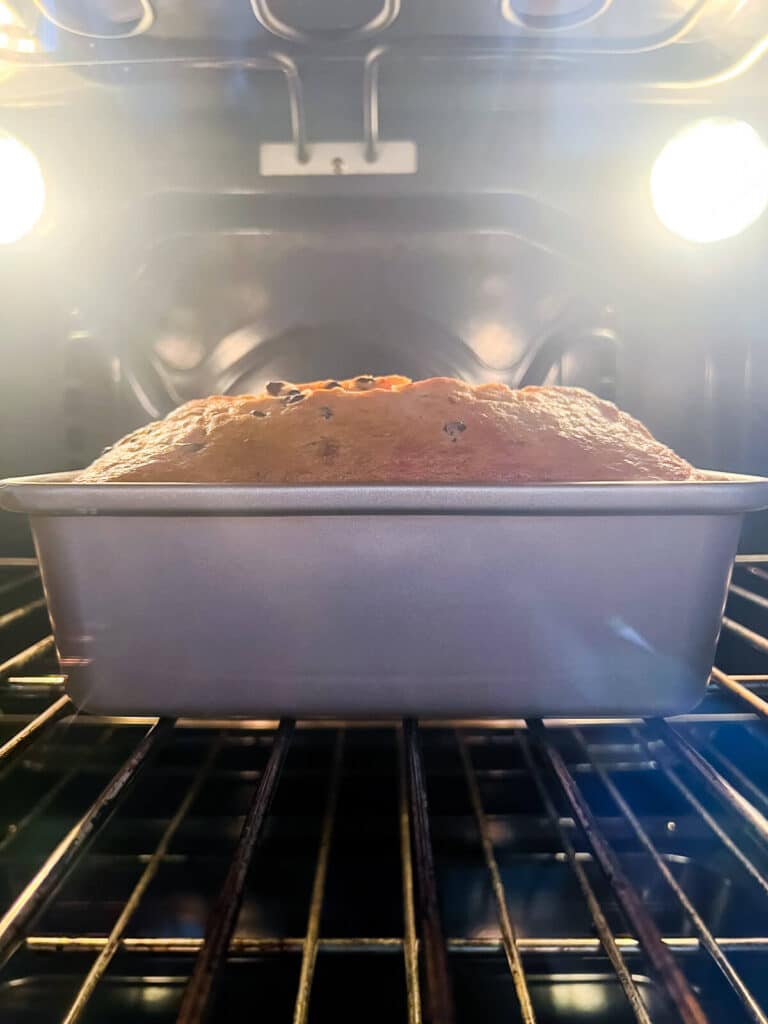
The middle shelf provides an ideal position for even heat exposure. When you place your cake on this shelf, it’s not too close to the top or bottom heat sources, which can cause uneven cooking. Have you ever baked a cake only to find the bottom burnt while the top remains undercooked? The middle shelf helps avoid this common mishap.
Think of it as the Goldilocks spot in your oven—neither too hot nor too cold. This spot ensures your cake cooks uniformly, reducing the risk of burning or undercooking. By using the middle shelf, you give your cake the best chance to rise beautifully and develop a golden crust.
Best For Most Cakes
Most cake recipes are designed with the middle shelf in mind. Whether you’re baking a classic vanilla sponge or a rich chocolate cake, this shelf position is often recommended. It offers a consistent and reliable environment that meets the needs of various cake types.
Consider your own experiences. Have you noticed how cakes baked on the middle shelf tend to have a better texture and color? This shelf is particularly beneficial for cakes that require gentle and steady heat to rise properly, like chiffon or angel food cakes.
Does this mean every cake should be baked on the middle shelf? Not necessarily. Some recipes might call for a different placement, but as a rule of thumb, the middle shelf is a safe bet for most cakes.
Have you experimented with different oven shelves? How did it affect your cakes? These are questions worth pondering as you refine your baking skills. Next time you’re preheating your oven, consider the middle shelf’s reliable benefits. It’s a small adjustment with big payoffs in the world of baking.
Bottom Shelf Usage
When it comes to baking cakes, choosing the right oven shelf can make a world of difference. The bottom shelf often gets overlooked in favor of the middle, but it has its own unique advantages. Understanding when to use it and the potential challenges can help you elevate your baking game.
When To Use
The bottom shelf is ideal for cakes that need a crispy base or a deeper browning. This shelf is closest to the oven’s heat source, providing direct and intense heat. You might consider using it for dense cakes like fruitcakes or pound cakes that benefit from a firm crust.
If you’re looking for a more textured base, the bottom shelf can be your ally. It’s particularly useful if you enjoy a slightly caramelized edge. Imagine slicing into a cake with a perfect golden-brown bottom—it’s a delightful contrast to a soft interior.
Have you ever tried baking a cheesecake with a graham cracker crust? The bottom shelf can help achieve that extra crispness without compromising the creamy filling. Experiment with different recipes and see which ones benefit from this shelf.
Potential Challenges
Using the bottom shelf can be tricky, as it may lead to uneven baking. With the intense heat, the cake’s bottom can cook faster than the top. This can result in a burnt base while the top remains undercooked.
To tackle this, try adjusting the temperature or baking time. You can lower the oven temperature slightly and extend the baking duration. This helps in distributing the heat more evenly across the cake.
Another challenge is limited space. If your oven has multiple racks, the bottom shelf might be too close to the oven floor. This can restrict air circulation, affecting the overall baking quality. Consider removing other racks or rearranging them to allow better airflow.
Have you ever faced these challenges while baking on the bottom shelf? It’s a learning curve but can be rewarding. Next time you bake, ask yourself: is my cake best suited for the bottom shelf? Your decision might just lead to a deliciously surprising outcome.
Adjusting Shelf Positions
Baking a cake is an art. Finding the right oven shelf position is key. Adjusting the shelf can improve your cake’s texture and taste. The position of the shelf affects heat distribution. Each cake recipe may require a different shelf level. Knowing how to adjust the shelf is crucial for success.
Experimentation Tips
Start with the middle shelf. It often provides even heat. Experiment with different shelf levels. Use a smaller cake for testing. Note the results of each position. Keep a baking journal. Record which level works best for your recipes.
Monitoring Cake Progress
Check your cake regularly. Use the oven light instead of opening the door. Opening the door can affect the baking process. Look for signs of uneven baking. Adjust the shelf if necessary. Move the cake to a higher or lower shelf. This can help achieve even cooking.
Professional Bakers’ Insights
Understanding the best oven shelf for baking cakes can be tricky. Professional bakers have shared their secrets to help home bakers achieve success. Their experiences and tips can transform how you bake cakes at home. Knowing the right techniques can make a huge difference in your baking results.
Common Practices
Most professional bakers prefer the middle oven shelf for even baking. This position allows heat to circulate uniformly around the cake. It prevents the cake from browning too quickly on the top or bottom. The middle shelf is often the sweet spot for consistent results.
Some bakers might adjust the shelf position based on specific recipes. Taller cakes might need a lower shelf to avoid burning. Shorter cakes might benefit from a higher shelf for better rise. Adapting shelf position can cater to the unique needs of each bake.
Tips For Perfect Cakes
Preheat the oven well before placing your cake inside. Consistent temperature is crucial for a well-baked cake. Use an oven thermometer for accurate temperature reading. Many ovens can be off by several degrees.
Rotate the cake halfway through baking. This ensures even baking and prevents over-browning. Avoid opening the oven door too often. Each time you open it, the temperature drops. This can affect the cake’s rise and texture.
Cool the cake on a wire rack after baking. This prevents soggy bottoms and helps the cake set properly. Following these tips can lead to a delightful baking experience.
Frequently Asked Questions
Where Should The Oven Rack Be When Baking A Cake?
Place the oven rack in the center position. This ensures even heat distribution for your cake. Avoid placing it too high or low to prevent uneven baking. The middle rack position is optimal for most cake recipes, providing consistent results.
Adjust based on specific recipe instructions if needed.
What Shelf Should I Bake A Cake On?
Bake cakes on the middle oven shelf. This ensures even heat distribution and consistent baking results. Adjust your oven rack accordingly for best results. Avoid placing the cake on the top or bottom shelf, as uneven cooking may occur. Always follow specific recipe instructions for optimal outcomes.
Is The Top Or Bottom Shelf Better For Baking?
The middle oven shelf is best for even baking. It ensures balanced heat distribution for cakes and cookies. Use the top shelf for browning or crisping and the bottom shelf for crusty items. Always adjust based on your oven’s quirks.
Which Part Of The Oven Is For Baking Cakes?
Use the center rack for baking cakes. This ensures even heat distribution and consistent baking results. Adjust your oven’s temperature settings as needed for optimal cake texture. Always preheat the oven to ensure proper baking conditions.
Conclusion
Finding the right oven shelf is key for perfect cakes. Middle shelf often works best. It provides even heat distribution. But, ovens can vary. Test different shelves in your oven. Note the results. Consistent baking leads to better cakes. Don’t forget to check your cake regularly.
This helps avoid over-baking. Each oven is unique. Practice makes perfect. Keep experimenting with shelf positions. Happy baking!








