Affiliate Disclosure: This post may contain affiliate links. If you purchase through links on our site, we may earn an affiliate commission at no extra cost to you.
Are you craving a delicious, perfectly cooked fish dish? Knowing the best temperature to cook fish in the oven can make all the difference between a succulent meal and a disappointing dinner.
Imagine serving a fish dish that’s tender, flaky, and bursting with flavor. Whether you’re a seasoned chef or a beginner in the kitchen, mastering the right oven temperature for fish can elevate your cooking to new heights. In this guide, you’ll discover the secrets to achieving that ideal texture and taste, ensuring your next fish dish is nothing short of perfection.
Don’t let the mystery of oven temperatures hold you back from impressing your family and friends with a gourmet meal. Dive into the details below and transform your culinary skills today!
Ideal Oven Temperature For Fish
Cooking fish in the oven is best at 375°F for a juicy and tender result. This temperature ensures even cooking, preserving the fish’s natural flavors. Adjusting cooking time based on thickness helps achieve perfect texture.
Cooking fish in the oven can be a delightful experience, especially when you hit the right temperature. Finding the ideal oven temperature ensures your fish is cooked to perfection—juicy, flavorful, and simply irresistible.
Factors Affecting Temperature Choice
Several factors influence the ideal temperature for baking fish. The type of fish matters; fatty fish like salmon may require different temperatures compared to lean fish like cod. The thickness of the fish is another consideration. Thicker cuts might need a slightly higher temperature or longer cooking time. Your oven’s calibration can also affect the temperature choice, as some ovens run hotter or cooler than others. Do you prefer your fish with a crisp exterior? Adjusting the temperature can help you achieve that texture without drying out the fish. Consider these factors when deciding how to set your oven for the perfect bake.
Common Temperature Ranges
Most chefs agree that a range of 350°F to 450°F works well for baking fish. A temperature of 375°F is often recommended for general purposes, as it provides a balance between cooking the fish evenly and keeping it moist. Opt for 400°F if you want a quicker cook time or a firmer texture. This temperature is excellent for thicker fillets or if you’re in a hurry. In contrast, 350°F is ideal for delicate fish, ensuring it cooks gently and retains its natural juices. Have you ever tried experimenting with different temperatures? Adjusting the range can lead to discovering new textures and flavors in your favorite fish dishes.
Types Of Fish And Their Cooking Temperatures
Cooking fish in the oven requires precise temperatures for the best taste. Salmon thrives at 375°F for moistness. White fish like cod prefers 400°F to ensure flakiness.
Cooking fish in the oven can be a delightful experience, but it’s important to get the temperature just right for each type of fish. Different types of fish require specific temperatures to ensure they are cooked perfectly, preserving their flavor and texture. Understanding these temperatures can elevate your home-cooked meals and impress your family and friends.
White Fish Varieties
White fish like cod, haddock, and tilapia are popular choices due to their mild flavor and flaky texture. These fish are best cooked at a temperature of 350°F (175°C) to ensure the flesh remains tender and juicy. You might be wondering, why not crank up the heat for a quicker cook? Higher temperatures can dry out these delicate fillets, leaving them rubbery and less enjoyable. Using a thermometer can help you check for doneness; aim for an internal temperature of 145°F (63°C).
Oily Fish Options
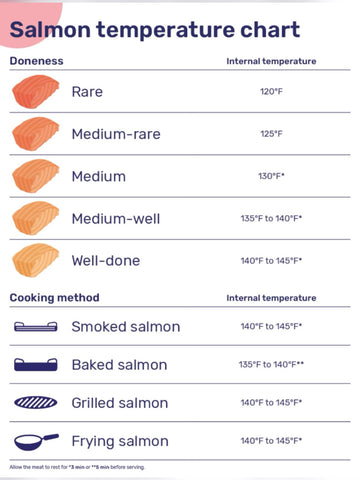
Oily fish such as salmon, mackerel, and trout are not only flavorful but also packed with healthy fats. These types of fish thrive at slightly higher temperatures, around 375°F (190°C). I once baked salmon for a dinner party, and the higher temperature gave it a crispy exterior while keeping the inside moist. It was a hit! Always ensure the internal temperature reaches 145°F (63°C) for a perfectly cooked piece. Choosing the right temperature for your fish can make a world of difference. Have you ever noticed how the right heat can bring out the best in a dish? Don’t be afraid to experiment within these guidelines to find what works best for you.
Cooking Techniques For Perfect Fish
Cooking fish in the oven is an art. The right technique makes it tender and flavorful. Mistakes can lead to dryness or overpowering flavors. Choosing the correct method ensures success. Explore the differences in baking and roasting. Learn how foil and parchment can enhance your dish. Each method has its unique benefits.
Baking Vs. Roasting
Baking involves cooking fish at a lower temperature. This method is ideal for delicate types like cod or haddock. It keeps the fish moist and soft. Roasting uses higher heat, perfect for thicker fillets. Salmon and tuna benefit from roasting. The heat creates a nice crust. Both methods have their place in the kitchen. Choose based on the fish type and desired texture.
Using Foil Or Parchment
Foil is great for locking in moisture. It helps the fish cook evenly. A foil packet infuses flavors from herbs and spices. Parchment paper offers a lighter option. It allows steam to circulate. This technique is known as “en papillote.” Parchment keeps the fish tender without overcooking. Each option offers unique advantages. Select based on your recipe and preference.
Tips For Moist And Flavorful Fish
Cooking fish in the oven can produce delightful results. With the right techniques, your fish will be moist and flavorful. The key is to maintain balance. This involves proper seasoning, correct temperature, and knowing when it’s done.
Seasoning And Marinades
Seasoning enhances the natural taste of fish. A simple mix of salt and pepper works well. For a burst of flavor, consider using marinades. Citrus-based marinades add zest and freshness. Let the fish soak for at least 15 minutes. Avoid longer marination to prevent mushy texture. Herbs such as dill or parsley add a fragrant touch. Spice blends can introduce warmth and depth. Use olive oil for moisture and richness.
Checking Doneness
Properly cooked fish flakes easily. Use a fork to test this. Insert it at an angle, gently twist, and see if it separates. The internal temperature should reach 145°F (63°C). A thermometer provides accuracy in checking doneness. The fish should appear opaque, not translucent. Avoid overcooking to retain moisture. If the fish is thin, watch closely to prevent drying. Rest the fish for a few minutes before serving.
Common Mistakes To Avoid
Cooking fish in the oven can be tricky. Getting the temperature right is crucial. Avoiding common mistakes ensures your fish is delicious and perfectly cooked. Let’s explore common errors that might ruin your dish.
Overcooking Issues
Overcooking fish is a frequent mistake. It makes the fish dry and chewy. Pay attention to cooking time and temperature. Most fish should be cooked at 350°F to 400°F. Check the fish often to avoid overcooking. Use a timer for precise cooking. A meat thermometer helps check the internal temperature. Fish is ready when it reaches 145°F internally.
Inadequate Preheating
Preheating the oven is crucial for even cooking. A common mistake is skipping this step. Ensure your oven is properly preheated. This helps cook the fish evenly. Set your oven to the right temperature before placing the fish inside. Preheating takes about 10-15 minutes. This small step can make a big difference in the final result. Proper preheating ensures the fish cooks well.
Credit: seatopia.fish
Healthy Cooking Practices
Cooking fish perfectly in the oven requires setting the temperature to around 350°F (175°C). This heat ensures the fish cooks evenly, keeping it moist and flavorful. Proper temperature helps preserve nutrients, offering a delicious and healthy meal.
Cooking fish in the oven can be a delightful experience, especially when you’re mindful of healthy cooking practices. The right temperature not only ensures the fish is cooked to perfection but also retains its nutritional value. With a few simple techniques, you can enjoy a delicious meal that’s good for you too. Have you ever wondered how to cook fish without losing its essential nutrients or adding too much fat? Let’s dive into some effective methods.
Low-fat Cooking Methods
One of the best ways to keep your fish dish healthy is by using low-fat cooking methods. Baking fish in the oven at 350°F to 400°F is ideal for reducing the need for added fats. Try using a non-stick baking sheet or lining your pan with parchment paper to avoid excess oil. Steaming is another excellent low-fat option. You can wrap your fish in foil with some herbs and lemon slices, which not only cooks it in its own juices but also enhances the flavor. This method keeps your dish light and refreshing. Grilling in the oven is also a wonderful way to prepare fish with minimal oil. By using a grill rack, the excess fat drips away, leaving you with a lean and tasty meal.
Nutrient Retention Strategies
Preserving the nutrients in your fish is just as important as cooking it well. Cooking at a moderate temperature, around 375°F, helps maintain essential vitamins and omega-3 fatty acids. If you’ve ever baked salmon at too high a temperature, you might notice it dries out quickly. Lower temperatures prevent this and keep the fish moist. Opt for cooking methods that require minimal water to retain water-soluble vitamins. Baking and grilling are ideal because they don’t leach nutrients like boiling might. Adding vegetables to your baking tray can also enhance nutrient retention. The veggies not only soak up the juices from the fish, but they also add an extra dose of vitamins and minerals to your meal. These practices ensure your fish remains a nutritious and delicious part of your diet. What techniques will you try next time to keep your fish both tasty and healthy?
Frequently Asked Questions
How Long Should A Fish Be In The Oven At 400 Degrees?
Bake fish at 400 degrees Fahrenheit for 10-15 minutes per inch of thickness. Check for flaky texture. Adjust time based on fish type and oven. Use a meat thermometer to ensure an internal temperature of 145°F. Enjoy your perfectly cooked fish!
Is It Better To Bake Fish At 350 Or 400?
Baking fish at 400°F results in a crispier texture and shorter cooking time. At 350°F, it cooks more gently, retaining moisture. Choose 400°F for a crispy finish and 350°F for a tender, moist result.
How Long Does It Take Fish To Cook At 350 In The Oven?
Fish typically cooks in the oven at 350°F for 20 to 25 minutes. Cooking time can vary based on thickness and type. Ensure the fish is opaque and flakes easily with a fork. Always check for doneness to guarantee a safe and delicious meal.
Should Fish Be Covered Or Uncovered When Baking In The Oven?
Cover fish with foil to keep it moist during baking. Uncover for a crispy finish. Adjust based on recipe.
Conclusion
Choosing the right oven temperature is key for cooking fish perfectly. The ideal range is 350°F to 450°F. This ensures the fish is tender and flavorful. Cooking time varies with fish type and thickness. Always preheat the oven for even cooking.
Use a thermometer to check doneness. A temperature of 145°F internally is safe. Experiment with spices and herbs for added taste. Remember, practice makes perfect. Try different recipes to find what works best for you. Enjoy your delicious, oven-baked fish with confidence and flair.








