Affiliate Disclosure: This post may contain affiliate links. If you purchase through links on our site, we may earn an affiliate commission at no extra cost to you.
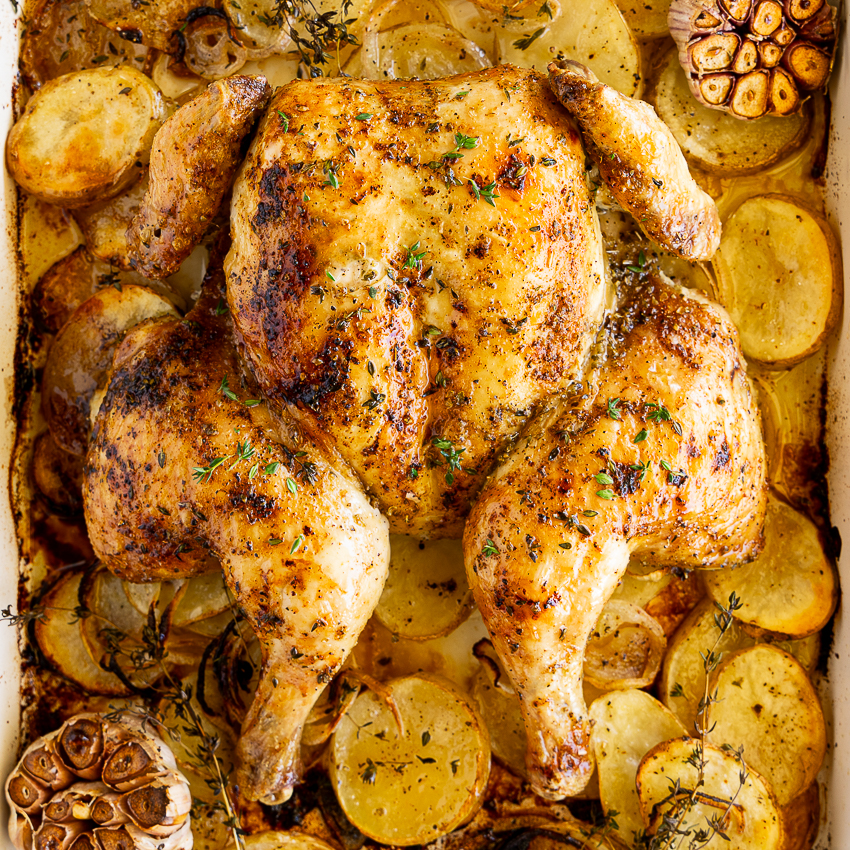
Are you tired of the same old chicken recipes and yearning for something that truly delights your taste buds? Imagine the aroma of a perfectly roasted whole chicken filling your kitchen, its golden skin crisped to perfection, and every juicy bite melting in your mouth.
The best recipe for whole chicken in the oven is right here, promising to transform your dining experience into something extraordinary. You’ll discover the secret to achieving that restaurant-quality flavor and texture at home, without any complicated steps or hard-to-find ingredients.
Ready to wow your family or guests with a meal they’ll rave about? Stick around, because this recipe is about to become your new favorite go-to for any occasion.
Choosing The Right Chicken
Choosing the right chicken is crucial for a successful oven recipe. Not every chicken suits every cooking method. Understanding the factors that influence flavor and texture ensures the dish delights everyone.
Freshness Matters
Fresh chicken enhances flavor significantly. The meat retains moisture better. Always check the packaging date. Fresh chicken should have a pleasant aroma. Avoid chicken with strong smells.
Inspect the color. It should be light pink. Avoid chicken with a grayish tint. Freshness impacts cooking results profoundly.
Size And Type Considerations
Consider the chicken’s size for even cooking. A medium-sized chicken cooks evenly in the oven. Large chickens may need more time and adjustments.
Type matters too. Free-range chickens often have better taste. They’re usually more tender. Organic chickens are also a good choice. They often have fewer additives.
Consider these factors before purchasing. They influence the final dish’s taste and texture.
Essential Ingredients
Roasted whole chicken in the oven needs simple ingredients. Olive oil, garlic, rosemary, and lemon bring out delicious flavors. Salt and pepper add the perfect touch for a tasty meal.
Cooking a whole chicken in the oven can be a delightful experience, but the magic truly begins with selecting the right ingredients. The beauty of roasting a whole chicken lies in its simplicity, yet the flavors can be surprisingly complex. By focusing on essential ingredients, you can transform a basic dish into a mouth-watering masterpiece.
Herbs And Spices
Herbs and spices are the heart and soul of a flavorful roast chicken. A classic combination includes rosemary, thyme, and garlic, which add a fragrant aroma and savory taste. Don’t shy away from experimenting with other spices like paprika or cumin for a touch of warmth and color. Crushed black pepper and salt are staples, but consider adding a pinch of cayenne for a spicy kick. I once tried using coriander seeds, and it added a delightful citrusy note. What unique spices might you try to create your signature roast?
Marinade Options
Marinating your chicken can elevate its taste profile and ensure juicy, tender meat. A simple marinade of olive oil, lemon juice, and garlic can work wonders. You might also enjoy a yogurt-based marinade with turmeric and ginger for an exotic twist. If you’re feeling adventurous, try a honey and mustard marinade for a sweet and tangy flavor. Remember, marinating for at least a few hours, or overnight if possible, allows the flavors to penetrate deeper. What flavors do you think would pair well with your favorite sides?
Vegetable Pairings
Vegetables roasted alongside your chicken absorb the flavorful drippings, enhancing their taste. Carrots, potatoes, and onions are classic choices that bring sweetness and earthiness. Brussel sprouts or parsnips can add a delightful crunch and a hint of bitterness. Consider adding lemons or oranges to bring a zesty brightness to the dish. I once added sweet potatoes, and their caramelized edges were a hit at dinner. Which vegetables will you choose to complement your roast and create a harmonious meal? Choosing the right ingredients not only enhances the taste but also adds a personal touch to your cooking. Let your creativity shine and make this classic dish your own.
Preparing The Chicken
Roasting a whole chicken in the oven brings out juicy flavors. Start by seasoning with salt, pepper, and herbs. Baking at 375°F ensures tender meat and crispy skin.
Preparing the chicken is a crucial step that sets the foundation for a delicious oven-roasted whole chicken. This process is not just about getting the bird ready; it’s about ensuring that each bite is packed with flavor. By paying attention to the details of cleaning, trimming, and brining, you can elevate your cooking game. Ready to transform your kitchen into a hub of culinary excellence?
Cleaning And Trimming
Before you start, make sure you have a sharp knife and kitchen shears. These tools will make the job easier. Start by removing any excess fat from the chicken. You want your chicken to cook evenly and excess fat can hinder this. Trim the wing tips if you prefer not to have them in the final dish. Clean the chicken thoroughly under cold running water. This removes any residue from packaging and ensures freshness. Pat it dry with paper towels. This step is crucial because it allows the skin to crisp up during cooking.
Brining Techniques
Brining can make a huge difference in the flavor and juiciness of your chicken. A simple saltwater solution can work wonders. Add a few tablespoons of salt to a bowl of water and submerge the chicken. Let it sit for at least an hour in the fridge. This process helps the chicken retain moisture during roasting. You can also experiment with adding other flavors to your brine. Try herbs like rosemary or thyme for added aroma. Or toss in a few peppercorns for a hint of spice. Have you ever tried a sweet brine with a bit of sugar? It’s surprisingly delightful! Consider your preferences and those of your guests. Do you prefer subtle flavors or bold and spicy? Your choice of brine can cater to either. What will be your signature style?
Seasoning Techniques
Seasoning a whole chicken perfectly can transform a simple meal into a flavorful feast. Understanding the right techniques ensures every bite is delicious and mouth-watering. The blend of spices and herbs can make all the difference. Explore these seasoning methods to enhance your chicken recipe.
Dry Rub Basics
Dry rubs are a quick and easy seasoning method. They add flavor without moisture. Mix your favorite spices and herbs for a custom blend. Paprika, garlic powder, and thyme are popular choices. Rub the mixture evenly over the chicken. Ensure it covers all sides for a uniform taste. Let the chicken rest for at least 30 minutes. This allows the flavors to absorb. Longer resting times intensify the taste.
Wet Marinade Application
Wet marinades infuse the chicken with moisture and flavor. Combine oils, acids, and seasonings for a balanced blend. Olive oil, lemon juice, and rosemary work well. Place the chicken in a large bag or dish. Pour the marinade over the chicken. Massage it gently to coat all surfaces. Refrigerate for several hours or overnight. This helps the marinade penetrate the meat. Turn the chicken occasionally for even absorption.
Oven Setup
Cooking a whole chicken in the oven is a delightful experience. To achieve perfect results, setting up your oven correctly is crucial. The oven setup ensures even cooking, crispy skin, and juicy meat. Let’s explore the essential aspects of oven setup for cooking a whole chicken.
Temperature Settings
Temperature plays a key role in cooking chicken evenly. Set the oven to 375°F (190°C) for best results. This temperature ensures the chicken cooks through without drying out. Preheating the oven is important. It helps maintain the temperature throughout the cooking process.
Rack Placement
Rack placement affects how the chicken cooks. Place the rack in the center of the oven. This position allows heat to circulate evenly around the chicken. Middle rack placement ensures the chicken cooks uniformly, giving you a crispy skin and juicy meat. Using a roasting pan can help catch drippings, making cleanup easier.
Proper oven setup is the first step to a delicious chicken dish. With these simple tips, you can create a meal that everyone will enjoy.
Cooking Process
Roast a whole chicken in the oven for a delicious meal. Season it with herbs, salt, and pepper. Cook until juicy and golden brown for a flavorful dish.
Cooking a whole chicken in the oven is a rewarding experience that fills your kitchen with mouthwatering aromas and guarantees a delicious meal. The process is straightforward but requires attention to detail to achieve the perfect roast. From setting the right temperature to ensuring the chicken remains juicy, every step plays a vital role in the final outcome. Let’s dive into the essentials of the cooking process to make your whole chicken dish a success.
Roasting Timeline
Timing is everything when roasting a whole chicken. Start by preheating your oven to 425°F (220°C). Place the seasoned chicken on a roasting pan and slide it into the oven. For a 4-pound chicken, you’ll typically need around 1 hour and 20 minutes. As a rule of thumb, roast for 20 minutes per pound. Always check for doneness by ensuring the internal temperature reaches 165°F (74°C) using a meat thermometer.
Basting Tips
Basting is the key to a moist and flavorful chicken. Every 30 minutes, use a spoon or baster to drizzle the juices from the roasting pan over the chicken. This simple step keeps the skin crispy and the meat succulent. Be cautious not to open the oven too often, as this can lower the temperature and extend cooking time. Remember, patience and precision are your best friends here. Have you ever thought about how basting can elevate a simple chicken roast to a gourmet dish? It’s these small touches that make your meal memorable.
Checking Doneness
Ensure the whole chicken is cooked perfectly by checking its internal temperature. The thickest part should reach 165°F. Juicy and safe to eat!
Cooking a whole chicken in the oven is an art. Ensuring it’s cooked perfectly is crucial. Nobody wants a dry or undercooked bird. How do you know when your chicken is ready to serve? Checking doneness is key.
Using A Meat Thermometer
A meat thermometer is your best friend. Insert it into the thickest part of the chicken, usually the thigh. Avoid touching the bone, as it can give an inaccurate reading. You’re aiming for a temperature of 165°F (74°C). This ensures the chicken is safe to eat and perfectly juicy. Ever tried guessing the doneness by sight alone? It’s easy to be fooled. A thermometer provides peace of mind. If you don’t have one, consider investing in it. It’s a small purchase with big benefits.
Visual Cues
Visual cues are helpful but not foolproof. Look for clear juices running from the chicken. If they’re pink, the chicken needs more time. The skin should be golden brown and crispy. Check the leg joint. It should move freely and easily. This suggests the meat is cooked through. Do these checks alongside the thermometer for best results. Have you ever been surprised by how different a cooked chicken looks compared to an undercooked one? It’s a lesson learned. Trust your eyes, but always verify with a thermometer. Your guests will thank you for it. What’s your go-to method for checking doneness? Whether you rely on tools or tricks, ensuring a perfect roast is a skill worth mastering.
Resting The Chicken
Resting the chicken after baking ensures juicy meat. It allows the juices to settle evenly. This crucial step enhances the flavor and tenderness of your whole chicken recipe.
Resting the chicken is a crucial step in achieving perfect oven-roasted chicken. After cooking, the juices inside need time to redistribute. This makes the meat tender and flavorful. Skipping this step can result in dry meat and uneven flavor. Understanding why and how to rest chicken can elevate your cooking.
Why Resting Is Important
Resting lets the juices settle back into the meat. During cooking, heat pushes juices towards the outer edges. Resting allows these juices to move back evenly. This process enhances taste and texture. It prevents dry bites and ensures every piece is juicy. Resting also helps the skin remain crisp. Cutting too soon can cause juices to escape. Keep the flavor locked inside by resting.
Optimal Resting Time
The ideal resting time for a whole chicken is 15 minutes. This time allows juices to distribute evenly. Too short, and the juices may not settle. Too long, and the chicken might cool too much. Cover the chicken loosely with foil while resting. This helps maintain warmth without trapping steam. A simple kitchen timer can ensure perfect resting time.
Serving Suggestions
Perfectly roasted whole chicken pairs beautifully with roasted vegetables, mashed potatoes, or a fresh green salad. Serve with a side of warm, crusty bread for a hearty, comforting meal. Drizzle with homemade gravy for added flavor.
When you’re serving a perfectly roasted whole chicken from the oven, you want to ensure every element on the plate enhances your culinary masterpiece. Whether you’re hosting a cozy family dinner or an impressive gathering with friends, presenting your chicken with thoughtful serving suggestions can elevate the entire dining experience. Let’s dive into how you can carve your chicken skillfully and pair it with delightful side dishes that complement its flavors.
Carving Techniques
Carving a whole chicken can seem intimidating, but with the right technique, you can have beautiful, even slices on your platter. Start by letting the chicken rest for about 10 minutes after you take it out of the oven. This helps the juices settle, keeping the meat moist. Place the chicken on a stable cutting board. Use a sharp carving knife to cut along the breastbone, removing the breasts in clean, even strokes. Separate the drumsticks by cutting through the joint connecting the leg to the body. As you carve, think about the balance of white and dark meat you’re offering your guests.
Side Dish Ideas
Choosing side dishes that complement the roasted chicken can enhance its flavor profile. Consider serving creamy mashed potatoes seasoned with garlic and herbs. The creamy texture and subtle flavors blend well with the savory chicken. Roasted vegetables like carrots, Brussels sprouts, and sweet potatoes can add color and a slight sweetness to your plate. Their natural caramelization brings out their flavors, making them a perfect partner for your chicken. For something lighter, a fresh green salad with a tangy vinaigrette can cleanse the palate and add a refreshing contrast. Think about including seasonal fruits like apples or pears for an extra touch of sweetness. Imagine the satisfaction of your guests as they enjoy a beautifully carved chicken surrounded by a harmonious array of sides. What flavors do you think will make your meal unforgettable?
Storing Leftovers
Preparing a whole chicken in the oven leaves you with delicious leftovers. Properly storing these leftovers ensures their freshness and flavor. Let’s explore the best practices for storing and enjoying leftover chicken.
Proper Refrigeration
Once your chicken cools, place it in an airtight container. Refrigerate within two hours of cooking. Use separate containers for bones and meat. This keeps flavors intact and prevents spoilage. Leftover chicken stays fresh for up to four days in the fridge.
Reheating Tips
Reheat chicken slowly to retain moisture. Use an oven set at 350°F for best results. Cover with foil to avoid drying out. Heat until the internal temperature reaches 165°F. Microwaving is faster but may dry the meat. Add a bit of broth to keep it juicy.
Credit: allthehealthythings.com
Frequently Asked Questions
What Is The Best Way To Cook A Full Chicken In The Oven?
Preheat the oven to 425°F. Season the chicken with salt, pepper, and herbs. Place it in a roasting pan. Roast for 20 minutes per pound, basting occasionally. Ensure the internal temperature reaches 165°F. Let it rest for 10 minutes before carving.
Enjoy your juicy, flavorful roast chicken!
How Do You Keep A Whole Chicken From Drying Out In The Oven?
To keep a whole chicken moist, brine it before cooking. Use a meat thermometer to ensure proper cooking temperature. Baste the chicken with its juices periodically. Cover it with foil if browning too quickly. Let it rest before carving to retain juices.
Is It Better To Bake A Whole Chicken At 350 Or 400?
Baking a whole chicken at 400°F crisps the skin and reduces cooking time. At 350°F, it stays moist and tender. Choose 400°F for crispiness and 350°F for juiciness, depending on your preference. Use a meat thermometer for perfect results. Aim for an internal temperature of 165°F.
Should I Cover A Whole Chicken When Baking In The Oven?
Covering a whole chicken while baking helps retain moisture. Use foil or a lid for juicy results. Uncover during the last 20 minutes for crispy skin. Adjust baking time based on size. Maintain oven temperature for even cooking. Check doneness with a meat thermometer.
Conclusion
Roasting a whole chicken in the oven is simple. Perfect for family dinners. The flavors blend beautifully. Crispy skin and tender meat. A satisfying meal every time. You can customize spices. Add your favorite herbs. Experiment with marinades for variety.
This method saves time and effort. Ideal for busy days. Enjoy delicious chicken without fuss. Serve with vegetables or rice. Share with friends and family. Make memories around the table. Celebrate the joy of cooking. Try this recipe today. You won’t regret it.
Cooking made easy and tasty!








