Affiliate Disclosure: This post may contain affiliate links. If you purchase through links on our site, we may earn an affiliate commission at no extra cost to you.
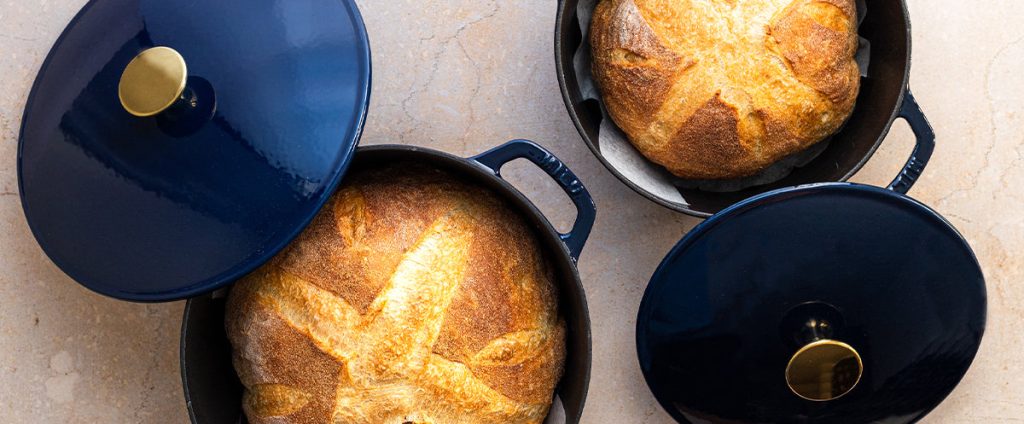
Are you ready to bake the perfect loaf of bread at home? The secret might just lie in choosing the right size Dutch oven.
You might wonder why size matters when it comes to baking. Picture this: a golden, crispy crust with a soft, airy interior. The right Dutch oven can make all the difference in achieving this baking bliss. But with so many options available, how do you know which size is best for you?
We’ll guide you through the essentials of selecting the ideal Dutch oven size for your bread-baking adventures, ensuring that each loaf is a masterpiece. Stick with us to discover how to elevate your baking game to the next level.
Credit: dirtanddough.com
Choosing The Right Dutch Oven
Choosing the right Dutch oven can make your bread baking experience rewarding. The right size ensures even cooking and perfect crust. A Dutch oven traps steam, creating a crispy exterior. But with many options, selecting the right one seems daunting. Let’s explore the factors to consider for the best baking results.
Factors To Consider
Consider the size of your bread loaf. Most home-baked breads fit in a 5 to 6-quart Dutch oven. This size accommodates rising dough without spilling over. Think about your oven space too. A larger Dutch oven might not fit in all ovens. Check your oven’s dimensions before purchasing. Weight also matters. Ensure it’s manageable when filled with dough and heated.
Material Matters
Cast iron is a popular choice for Dutch ovens. It retains heat well, ensuring even baking. Enamel-coated cast iron is easier to clean. It also prevents rust. Bare cast iron requires more maintenance. Regular seasoning keeps it in good condition. Aluminum Dutch ovens are lighter. But they don’t retain heat as effectively.
Shape And Design
Round Dutch ovens are common for bread baking. They allow for even heat distribution. Oval shapes can fit longer loaves. But heat distribution might not be as uniform. Lids with knobs are practical. They’re easier to handle when hot. Look for a well-fitting lid. It should trap steam efficiently. This helps in achieving a great crust.
Ideal Size For Baking Bread
Choosing the right Dutch oven size is crucial for perfect bread. A 5 to 6-quart Dutch oven is ideal. This size offers ample space for dough expansion and even heat distribution.
Choosing the ideal size Dutch oven for baking bread can significantly impact your baking experience and results. You might wonder, does size really matter? It absolutely does. The size of your Dutch oven determines the crustiness of your bread, the shape it takes, and how evenly it bakes. Picking the right size can turn your homemade bread from good to great, and it’s easier than you might think to find the perfect fit.
Common Sizes Explained
Dutch ovens come in a variety of sizes, typically ranging from 3 quarts to over 7 quarts. A 3-quart Dutch oven is on the smaller side, great for those who bake for one or two people. It can handle a modest loaf, about 1 pound of dough. On the other hand, a 5-quart Dutch oven is considered versatile, commonly used for a standard loaf that serves a small family. If you often bake larger or multiple loaves, a 7-quart or larger Dutch oven might be more suitable. It provides ample space for bigger dough, allowing it to expand freely.
Pros And Cons Of Each Size
3-Quart Dutch Oven – Pros: Compact and easy to store. Ideal for those with limited kitchen space. It heats quickly, saving time and energy. – Cons: Limited capacity. Not suitable for larger loaves or when baking for more than two people. 5-Quart Dutch Oven – Pros: Versatile and most popular choice for home bakers. Accommodates a standard loaf size comfortably. – Cons: While versatile, it might be too large for very small loaves, leading to uneven baking if not careful. 7-Quart and Larger Dutch Oven – Pros: Best for large batches or big loaves. Perfect for baking enthusiasts who enjoy experimenting with different types of bread. – Cons: Bulky and requires more storage space. Takes longer to heat up, which might affect energy efficiency. Have you ever found your bread didn’t rise as expected or the crust wasn’t quite right? It could be the Dutch oven size. A smaller oven might restrict dough expansion, while a larger one could let it spread too thin. Next time you bake, consider how many people you’re serving and how much space you can spare in your kitchen. A well-chosen Dutch oven doesn’t just bake bread, it elevates your baking to a new level of satisfaction. What size will you choose for your next loaf?
Expert Tips For Bread Baking
Baking bread in a Dutch oven can be rewarding. Choosing the right size ensures even baking. Expert tips can help improve your technique. Discover how to enhance your bread baking journey.
Preheating Techniques
Preheat your Dutch oven for 30 minutes. This ensures consistent heat. A hot oven helps bread rise quickly. Place the lid on during preheating. This traps heat inside. Use oven mitts for safety.
Handling Dough In A Dutch Oven
Transfer dough gently into the Dutch oven. Use parchment paper to lift the dough. Avoid touching the hot surface. Shape the dough before placing it inside. This enhances the final look of your bread.
Achieving The Perfect Crust
Steam helps create a crispy crust. Keep the lid on for the first 20 minutes. Remove it for the final 10 minutes. This allows the crust to brown. Use a spray bottle for extra steam. A golden crust is a sign of success.
Maintaining Your Dutch Oven
Maintaining your Dutch oven ensures it stays in top condition for baking bread. Proper care extends its lifespan and enhances your baking results. It involves regular cleaning and smart storage techniques. With a few simple steps, your Dutch oven remains a reliable kitchen tool.
Cleaning And Care Tips
Always let your Dutch oven cool before cleaning. This prevents damage. Use warm, soapy water and a soft sponge for washing. Avoid metal scrubbers. They can scratch the surface. After washing, dry it thoroughly to prevent rust. For stubborn stains, use a paste of baking soda and water. Gently scrub and rinse well.
Regularly season your cast iron Dutch oven. Apply a thin layer of vegetable oil to the interior. Heat it in the oven for about an hour. This process creates a non-stick surface and prevents rust.
Storage Solutions
Store your Dutch oven in a dry place. Moisture can cause rust. Keep the lid slightly ajar during storage. This allows air circulation and prevents odors. If space is a concern, consider using a pot rack. It keeps your Dutch oven accessible and organized.
Avoid stacking heavy items on top of your Dutch oven. It can damage the enamel coating. Use a cloth or paper towel between the pot and lid. It prevents chipping and scratching. By following these storage solutions, your Dutch oven stays in great shape.
Popular Brands And Models
Selecting the right Dutch oven size for baking bread is important. A 5 to 6-quart Dutch oven works best. It allows the dough to expand fully, ensuring a perfect crust. Popular brands include Le Creuset and Lodge, known for durability and consistent baking results.
Finding the perfect Dutch oven for baking bread can transform your homemade loaves from ordinary to extraordinary. The size you choose not only influences the final product but also determines the ease of handling and storage. While exploring popular brands and models, you’ll discover that certain options stand out due to their durability, heat distribution, and price points. Whether you’re seeking top-rated choices or budget-friendly alternatives, there’s a Dutch oven out there that perfectly suits your bread-baking needs.
Top-rated Options
When it comes to top-rated Dutch ovens, Le Creuset often leads the pack. Their enameled cast iron pieces are praised for their even heat distribution and stylish design. You might have seen this colorful cookware in professional kitchens or on your favorite cooking shows. Their 5.5-quart model is a favorite among avid bakers, offering ample space for your dough to expand. Another highly recommended brand is Staub, known for its robust construction and self-basting lid. Staub’s 4-quart cocotte is perfect for a smaller loaf, creating a crust that’s both crispy and flavorful. The matte black interior helps with caramelization, giving your bread an irresistible golden hue.
Budget-friendly Alternatives
You don’t need to break the bank to find a reliable Dutch oven for your bread-baking adventures. Lodge offers an excellent choice with its 6-quart enameled cast iron Dutch oven. It’s a favorite for those who want quality without the hefty price tag. Lodge offers durability and great heat retention, making it suitable for both beginners and seasoned bakers. Another wallet-friendly option is the AmazonBasics 6-quart enameled cast iron pot. This model has garnered positive reviews for its performance at a fraction of the cost. It provides a spacious interior for your dough and an enamel coating that helps prevent sticking. Have you tried baking bread in a Dutch oven before? The right size and brand can make all the difference. Whether you’re choosing a premium brand or a budget alternative, ensure it suits your baking style. What features matter most to you when selecting a Dutch oven?
Credit: forum.breadtopia.com
Frequently Asked Questions
What Size Dutch Oven Do I Need For Bread Making?
A 5 to 6-quart Dutch oven works best for bread making. It provides ample space for dough expansion. Ensure the pot has a tight-fitting lid to trap steam, crucial for a crispy crust. Choose one made from heavy cast iron to retain heat evenly, enhancing your bread’s texture and flavor.
Should I Get A 5.5 Or 7 Quart Dutch Oven?
Choose a 5. 5-quart Dutch oven for small families or limited storage space. Opt for a 7-quart size for larger families or frequent entertaining. Consider your cooking habits and available storage to make the best choice. Both sizes are versatile, but larger provides more flexibility for bigger meals.
What Is The Best Type Of Dutch Oven For Bread?
The best Dutch oven for bread is a heavy-duty cast iron model with a tight-fitting lid. It retains heat well, ensuring even baking. Choose a 5 to 7-quart size for optimal dough expansion. Enamel-coated options offer easy cleaning and prevent sticking.
Always preheat the pot for perfect crust formation.
Is A 3 Quart Dutch Oven Too Small?
A 3-quart Dutch oven suits small meals or side dishes. It works well for singles or couples. For larger meals or families, consider a bigger size. A larger Dutch oven offers more versatility in cooking. Choose based on your specific needs and meal sizes.
Conclusion
Choosing the right Dutch oven size is essential for perfect bread. A 5 to 7-quart Dutch oven works well for most recipes. It offers enough space for dough expansion. Smaller sizes might limit your loaf’s growth. Larger ones can overheat and dry out the crust.
Consider your oven space and storage. Also, think about how much bread you bake at once. The ideal size balances usability and results. Happy baking! Enjoy your homemade bread with the perfect crust.








