Affiliate Disclosure: This post may contain affiliate links. If you purchase through links on our site, we may earn an affiliate commission at no extra cost to you.
Ever wondered why your cookies sometimes bake unevenly or why your roast chicken isn’t as juicy as you’d like? The secret might just be in the position of your oven racks.
Believe it or not, where you place those racks can be the game-changer in your culinary adventures. Imagine consistently pulling perfectly baked goodies out of your oven every time you cook. Sounds dreamy, right? Well, it’s possible, and it all starts with understanding the best position for your oven racks.
This isn’t just about following recipes; it’s about mastering your kitchen. Get ready to transform your baking and roasting results, and impress not just yourself, but everyone lucky enough to taste your creations. Stick around, because once you uncover this secret, your oven will become your most trusted kitchen ally.
Oven Rack Basics
The oven rack position impacts cooking results. It can mean the difference between a perfectly baked cake and a burnt disaster. Understanding where to place the racks is essential for achieving desired cooking outcomes. Whether baking, roasting, or broiling, knowing the basics helps.
Each oven comes with adjustable racks. These racks allow for flexible cooking. Changing their position can alter the cooking temperature. It affects how heat distributes around your food. This knowledge is crucial for achieving consistent results.
Understanding Rack Positions
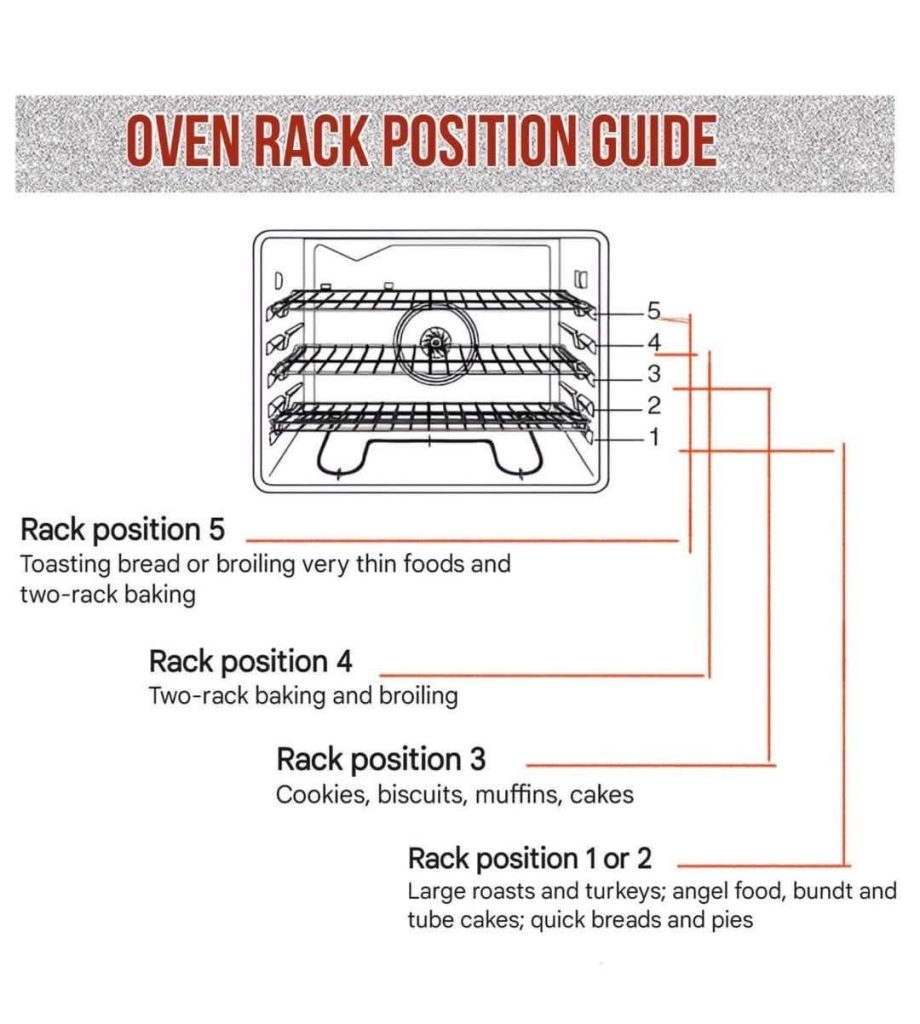
Ovens typically have three main rack positions. Each serves a specific purpose. The top rack is ideal for broiling. It exposes food to direct heat, perfect for browning.
The middle rack is the most versatile. It’s best for even cooking. Use it for baking cakes, cookies, or casseroles. It’s often the safest choice for recipes.
The bottom rack is great for roasting. It helps with dishes needing a crisp base. Items like pizza or bread benefit from this position.
Choosing The Right Position
Choosing the correct rack position enhances cooking results. For delicate baked goods, use the middle rack. It ensures even heat distribution.
For dishes requiring a crispy top, select the top rack. It gets the most heat exposure. Broiling meats or melting cheese works well here.
For crispy bases, opt for the bottom rack. This position is perfect for pizzas and crusty breads.
Common Mistakes
One common mistake is using the wrong rack. It can lead to uneven cooking. Another is overcrowding the oven. It disrupts air circulation.
Avoid placing items too close to the oven walls. It can lead to burning. Ensure there is space between food items. This promotes even heat distribution.
Top Rack Benefits
The top rack of the oven holds many benefits for home cooks. It is often the go-to position for achieving specific cooking goals. Understanding its advantages can elevate your baking and cooking results.
Broiling And Crisping
Positioning food on the top rack is ideal for broiling. The heat source is closer, allowing food to cook quickly. This is perfect for dishes needing a crispy finish. Think cheese-topped casseroles or garlic bread. The top rack ensures these items get a delightful, golden crust.
Browning And Caramelization
The top rack excels in browning and caramelizing foods. Use this position for roasting vegetables or baking pastries. The intense heat helps sugars in food caramelize efficiently. This creates rich flavors and appealing textures. The top rack is key for achieving that perfect golden-brown appearance.
Middle Rack Advantages
The middle rack in an oven offers several advantages. It is often the go-to choice for many cooking tasks. Understanding its benefits can improve your cooking results.
Even Heat Distribution
Placing food on the middle rack ensures even heat distribution. This is because it is centrally located. The heat reaches the food from all directions. This placement minimizes the risk of burning. It also helps in cooking food evenly. The middle rack is ideal for dishes needing uniform heat.
Ideal For Baking
Baking on the middle rack gives excellent results. Cakes, cookies, and pastries benefit from this position. The consistent heat aids in proper rising. It helps achieve a golden-brown crust. Using the middle rack is a trusted choice for bakers. It delivers perfect texture and flavor. This position avoids uneven cooking issues.
Bottom Rack Uses
The oven’s bottom rack holds a unique position in cooking. Many overlook its potential. Yet, it’s perfect for specific techniques. It provides even heat distribution. This ensures dishes cook thoroughly. Let’s explore how to best utilize it.
Roasting Techniques
The bottom rack is ideal for roasting. Heat rises from below, cooking meats evenly. Vegetables develop a crispy texture. Place a roasting pan directly on the rack. The heat caramelizes the outer layer. This locks in juices and flavors. For best results, use a low-sided pan. It allows hot air to circulate freely. This enhances the roasting effect.
Slow Cooking Benefits
Slow cooking on the bottom rack transforms dishes. It mimics a slow cooker. This method tenderizes tougher cuts of meat. It also melds flavors beautifully. Use a heavy, oven-safe pot with a lid. This traps moisture and heat. The lower position maintains a steady temperature. It’s perfect for stews and casseroles. The gentle heat prevents burning. It creates a rich, hearty meal.
Specialized Baking Needs
When it comes to baking, oven rack placement can make or break your culinary creation. Specialized baking needs call for unique strategies to ensure perfect results. Whether you’re using a convection oven or baking multiple items at once, understanding the best rack positions can elevate your baking game.
Convection Oven Considerations
Convection ovens circulate hot air, offering even cooking. The fan’s airflow affects rack placement. Place dishes on the middle rack for uniform results. This position allows the hot air to envelop your dish evenly. If you’re baking something that requires browning, the top rack can be a good choice.
Remember, convection settings can speed up cooking. Keep an eye on your baked goods to prevent overcooking. Experimenting with rack positions can lead to surprising results. Have you ever tried swapping racks mid-bake for an unexpected twist?
Multi-rack Baking Tips
Baking on multiple racks is a time-saver. Adjusting the racks can ensure even cooking when dealing with several items. Use the top rack for items needing browning, like cookies. The middle rack is best for cakes and casseroles.
Avoid placing items too close together. This can restrict airflow and lead to uneven baking. Rotate your pans halfway through the bake time for balanced heat exposure. Have you ever thought about the impact of rack position on your baking success?
Each oven is unique. Your baking style might demand specific rack placements. Adjust your strategy based on your oven’s quirks and the type of dish. With practice, you’ll master the art of rack placement for specialized baking needs.
Common Mistakes To Avoid
Choosing the wrong oven rack position can affect cooking results. Avoid placing racks too close to the heat source. Incorrect placement leads to uneven cooking and burnt food. Experiment to find the best position for your recipes.
When it comes to using your oven efficiently, the position of your oven racks can significantly impact the outcome of your dishes. However, several common mistakes can easily sabotage your baking or roasting efforts. Understanding these pitfalls can be the key to perfecting your culinary creations.
Overcrowding The Oven
Overcrowding the oven is a frequent mistake that many home cooks make. You might think you’re saving time by cramming multiple dishes in at once. But this can actually block heat circulation and lead to uneven cooking. Ever baked cookies only to find some are golden while others are still pale? That’s a classic sign of overcrowding. Leave enough space between dishes to allow hot air to circulate freely. This ensures everything cooks evenly and at the right pace.
Ignoring Recipe Guidelines
Ignoring recipe guidelines on oven rack positions is another common error. Recipes often specify rack placement for a reason. It can affect the browning and texture of your food. I once baked a lasagna on the top rack instead of the recommended middle rack. It resulted in an overly crispy top and an undercooked middle. Trust the recipe’s guidance on rack placement to avoid such mishaps. Do you often skip over those little details in recipes? They might seem trivial, but they often make all the difference. By following these instructions, you enhance the chances of your dish turning out just right. By being aware of these mistakes and making small adjustments, you can improve your baking and roasting outcomes significantly. What other small changes could lead to better results in your kitchen adventures?
Tips For Optimal Results
Getting the most from your oven involves more than just setting the temperature. The position of the oven rack can greatly impact the outcome of your dish. Adjusting rack positions and monitoring cooking times can lead to optimal baking results. Knowing where to place your racks is crucial for perfectly cooked meals.
Adjusting Rack Positions
Different dishes benefit from different rack positions. Baking cookies or pastries? Place the rack in the middle for even heat distribution. Roasting meats or vegetables? Use the bottom rack for a well-cooked and juicy finish. For broiling, position the rack close to the top to achieve a crispy exterior.
Adjust racks based on your oven’s heat pattern. Some ovens heat more from the top or bottom. Experiment with rack positions to find what works best for your specific oven model. This can prevent undercooked or burnt dishes.
Monitoring Cooking Times
Cooking times can vary based on rack position. Foods cook faster on the top rack due to rising heat. Lower racks may require longer times for thorough cooking. Keep an eye on your dish, especially if trying a new recipe.
Set timers and check your food periodically. This helps in preventing overcooking or undercooking. Adjust the time if necessary based on the rack position. Experience will guide you to make better timing decisions.
Credit: bakeschool.com
Frequently Asked Questions
Which Oven Rack Position Is The Hottest?
The top oven rack position is generally the hottest. Heat rises and accumulates near the top. For broiling or quick browning, use the top rack. Adjust rack positions for optimal cooking results based on your recipe’s requirements.
Does Bread Go On Top Or Bottom Rack?
Place bread on the middle or top rack for even baking. Use the middle for balanced heat. Use the top for a crispy crust. Avoid the bottom rack to prevent over-browning. Adjust based on your oven’s specific heat distribution for best results.
Do You Bake Pie On Bottom Or Middle Rack?
Bake pie on the bottom rack for a crispier crust. The middle rack ensures even cooking and browning. For best results, start on the bottom rack, then move to the middle halfway through. Adjust based on your oven’s performance and pie type.
Where Is The Best Place To Put The Oven Rack On A Cake?
Place the oven rack in the center for even cake baking. This position ensures uniform heat distribution. Adjustments may be needed for specific recipes, but the center is generally ideal. Always refer to your oven’s manual for precise guidance.
Conclusion
Choosing the right oven rack position enhances your cooking results. Different foods need different rack positions for optimal cooking. For even baking, use the middle rack. Roasting often works best in the lower position. Broiling is perfect on the top rack.
Experimenting with rack placements can improve your dishes. Understanding your oven’s heat distribution is key. This knowledge helps you cook efficiently. Enjoy better meals by mastering these simple tricks. Keep experimenting to find what works best for you. Happy cooking!








