Affiliate Disclosure: This post may contain affiliate links. If you purchase through links on our site, we may earn an affiliate commission at no extra cost to you.
Do you ever find yourself yearning for the charm and nostalgia of the past, especially when it comes to your kitchen? Imagine baking a pie in the same style pan your grandmother used, or whipping up a cake with a whisk that has stood the test of time.
Vintage bakeware brands offer that magic. They combine timeless design with unmatched durability, bringing a warm, nostalgic touch to your baking adventures. In this post, you’ll discover the history and unique features of these beloved brands, learn why they remain a staple in many kitchens, and find out how they can transform your own baking experience.
Let’s dive into the world where past meets present and where your kitchen can become a haven of timeless beauty and function.
History Of Vintage Bakeware
Throughout history, vintage bakeware brands like Pyrex and CorningWare have crafted durable, stylish kitchen essentials. These brands are known for their timeless designs and quality materials. Their creations remain popular among collectors and home bakers alike.
The history of vintage bakeware is a fascinating journey through time, capturing the essence of home baking across generations. These iconic pieces tell stories of kitchens buzzing with activity, where family traditions were born and cherished. Understanding the evolution of bakeware not only enriches our appreciation for these items but also connects us to the culinary past.
The Birth Of Bakeware
In the 19th century, the Industrial Revolution brought significant changes to kitchen tools. Cast iron was the material of choice, known for its durability and heat retention. People relied on cast iron pans for baking everything from breads to cakes.
Rise Of Enamelware
The early 20th century saw the rise of enamelware. Its vibrant colors added a splash of personality to kitchens. Enamelware was lightweight and easy to clean, making it a favorite for busy households.
The Aluminum Revolution
By the mid-1900s, aluminum bakeware became a staple. It offered even heat distribution and was more affordable. Many families started using aluminum for its practicality and reliability in baking.
Pyrex: A Game Changer
Pyrex introduced glass bakeware in 1915, revolutionizing home baking. Glass allowed bakers to monitor their creations without opening the oven door. It was a game changer for precision and consistency in baking.
Modern Vintage Bakeware
Today, vintage bakeware is treasured for its charm and functionality. Many people collect these pieces, often passed down through generations. Using vintage bakeware can evoke a sense of nostalgia and connection to family traditions. Have you ever used a vintage baking dish passed down from a relative? It might surprise you how these older pieces can perform just as well, if not better, than modern counterparts. The stories they carry make each baking session more meaningful. Whether you’re a seasoned baker or new to the kitchen, exploring vintage bakeware can be a delightful experience. It invites you to appreciate the craftsmanship and history that have shaped today’s baking culture. What stories could your bakeware tell?
Credit: allthingsfrenchstore.com
Popular Vintage Bakeware Brands
Discovering the charm of vintage bakeware brands is like opening a treasure chest filled with nostalgia and timeless beauty. These brands have been gracing kitchens for decades, offering durability and style that modern bakeware sometimes struggles to match. As you explore these iconic names, you might find yourself reminiscing about family gatherings or eager to add a piece of history to your collection. Let’s delve into the world of popular vintage bakeware brands that continue to captivate bakers and collectors alike.
Pyrex: The Iconic Glassware
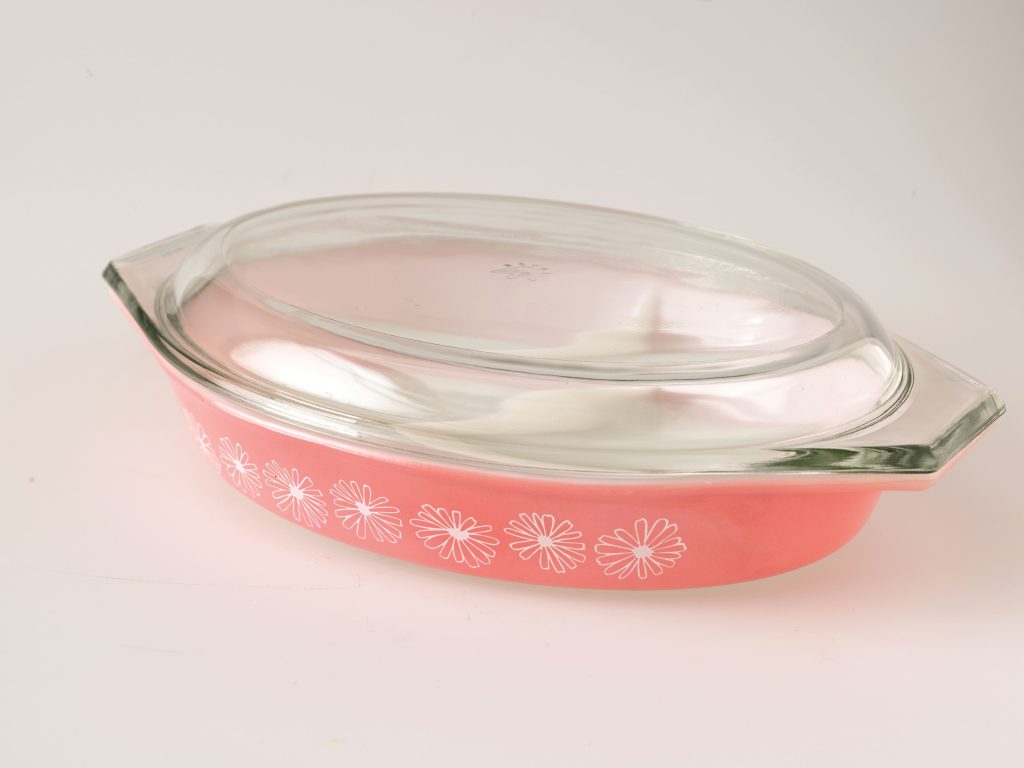
Pyrex is synonymous with glass bakeware that stands the test of time. Known for its clear, durable glass dishes, Pyrex has been a staple in kitchens since the early 20th century. Its heat-resistant quality makes it perfect for baking and serving straight from the oven. You may even recall your grandmother’s colorful Pyrex mixing bowls as a centerpiece at family meals. Owning a piece from this brand feels like holding a slice of history.
Fire-king: Durable And Stylish
Fire-King bakeware is famed for its robust and stylish designs. Made from heat-resistant glass, these pieces were a popular choice for home bakers in the mid-1900s. The iconic peach lustre and jadeite green colors add a touch of vintage elegance to any kitchen. Imagine serving a homemade pie in a Fire-King dish that not only cooks evenly but also dazzles your guests with its beauty.
Corningware: Versatile Cookware
CorningWare revolutionized the concept of cookware with its versatility. These ceramic dishes can go from oven to table effortlessly, making them ideal for busy cooks. Their ability to withstand high temperatures without cracking made them a favorite for casseroles and bakes. Do you have a CorningWare dish that has been passed down through generations? It’s not just cookware; it’s a family heirloom.
Griswold: Cast Iron Classics
Griswold’s cast iron cookware is cherished for its longevity and cooking performance. These skillets and pans offer unmatched heat retention, perfect for searing meats and baking cornbread. The distinct logos and markings on Griswold pieces make them highly collectible. Why settle for a modern replica when you can cook with a piece that has a rich history and delivers impeccable results?
As you consider adding vintage bakeware to your kitchen, ask yourself: Which brand resonates with your cooking style and nostalgia? Each piece tells a story, waiting to become part of your culinary adventures. Whether you’re a seasoned collector or a curious newcomer, these brands offer an opportunity to blend history with practicality. So, which one will you choose to start your vintage collection?
Collecting Vintage Bakeware
Collecting vintage bakeware is a delightful journey that combines nostalgia with the thrill of discovery. Each piece carries a story, reflecting the culinary styles and craftsmanship of its era. Whether you’re a seasoned collector or just starting out, understanding how to identify and source authentic vintage bakeware can enrich your collection and enhance your kitchen adventures.
Identifying Authentic Pieces
Spotting authentic vintage bakeware is a skill that grows with experience. Look for manufacturer’s marks or stamps; these are often hidden on the bottom of the piece. Familiarize yourself with popular vintage brands like Pyrex, Fire-King, and Anchor Hocking. A quick online search can reveal the historical significance of these marks.
Consider visiting antique fairs or talking to seasoned collectors. They can share insights into recognizing genuine pieces. Don’t be afraid to ask questions—most collectors love to share their knowledge.
Condition And Value Considerations
The condition of vintage bakeware directly impacts its value. Examine pieces for chips, cracks, and discoloration. These imperfections can tell a story, but they also affect usability and worth.
Sometimes a piece with slight wear can be more valuable due to its rarity. Weigh the charm of minor flaws against practical use. Would you display it proudly, or is it better left behind?
Where To Find Vintage Bakeware
Finding vintage bakeware requires patience and a bit of adventure. Check local thrift stores and estate sales. These venues often hold hidden treasures at reasonable prices.
Online marketplaces like eBay and Etsy can offer a vast selection, but be cautious. Verify the authenticity and condition through detailed photos and seller reviews. Have you ever stumbled upon a gem at a garage sale? The thrill of discovery is unmatched.
Join online forums and social media groups dedicated to vintage bakeware enthusiasts. These communities are valuable resources for tips, leads, and shared passion. Who knows, you might find your next favorite piece through a recommendation.
Caring For Vintage Bakeware
Discover the charm of vintage bakeware brands like Pyrex and Fire-King. These cherished pieces require gentle cleaning and careful handling. Preserve their beauty by avoiding harsh chemicals and opting for soft cloths.
Caring for vintage bakeware is not just about maintaining its aesthetic appeal; it’s about preserving a piece of history. Whether you’ve inherited a family heirloom or discovered a gem at a thrift shop, these items deserve special attention. You may find that caring for them is a rewarding experience, as it connects you to past culinary traditions and crafts.
Cleaning And Maintenance Tips
When cleaning vintage bakeware, gentleness is key. Harsh detergents and abrasive scrubbers can strip away finishes and damage delicate surfaces. Instead, use mild soap and warm water, and consider a soft-bristled brush for stubborn residue. For those with cast iron pieces, remember the importance of seasoning. A light coat of oil after cleaning keeps them non-stick and rust-free. If you have aluminum bakeware, avoid washing it in the dishwasher, as this can cause discoloration.
Storage Solutions
Proper storage prevents damage and prolongs the life of your vintage bakeware. Stack items carefully, placing a soft cloth or paper towel between them to avoid scratches. If space allows, display your bakeware on open shelves. Not only does this keep them safe, but it also adds a charming, nostalgic touch to your kitchen decor. Consider using labeled bins for smaller items like cookie cutters or pie weights. This keeps your collection organized and makes it easier to find what you need when baking inspiration strikes.
Repairing And Restoring Damaged Pieces
Don’t despair if you find a crack or chip in your vintage bakeware. Many damages can be repaired with a bit of effort. Small chips in enamelware can often be touched up with specialized repair kits available online or at hardware stores. For glass pieces, a professional restoration service might be necessary for significant repairs. It’s worth the investment if the piece holds sentimental value or is rare. When dealing with rust on cast iron, use a mixture of baking soda and water to gently scrub the area. Afterward, re-season the pan to restore its protective coating. Have you ever turned a seemingly lost cause into a kitchen favorite again? The satisfaction is unmatched! Taking care of vintage bakeware offers more than utility—it invites you to honor the past. What stories do your pieces tell, and what new ones will you create with them?
Using Vintage Bakeware Today
Vintage bakeware offers unique charm and functionality. Many bakers appreciate the craftsmanship and history behind these pieces. Using vintage bakeware today brings nostalgia to the kitchen and connects us with the past.
Incorporating Into Modern Baking
Vintage bakeware blends well with modern baking styles. Its aesthetic appeal enhances kitchen decor. Many pieces perform exceptionally in baking tasks. Cast iron bakeware retains heat efficiently. Glass dishes distribute heat evenly, perfect for baking pies. Mixing bowls made from ceramic or stoneware add a rustic touch. They are also durable and can withstand daily use.
Health And Safety Considerations
Ensure vintage bakeware is safe for use. Inspect items for chips or cracks. Damaged pieces may not hold up during baking. Lead content is a concern in older ceramics. Test for lead if unsure. Hand wash vintage items to preserve their finish. Avoid harsh detergents that can damage surfaces.
Preserving The Legacy Of Vintage Bakeware
Careful preservation maintains the beauty and functionality of vintage bakeware. Store pieces in a dry, cool place. Display them in glass cabinets to protect from dust. Regularly clean and oil cast iron to prevent rust. Share the history behind each piece with friends and family. This keeps the tradition alive and appreciated.
Frequently Asked Questions
What Is The Oldest Cookware Brand?
The oldest cookware brand is Lodge, founded in 1896. Known for durable cast iron products, Lodge remains popular today. Their cookware is versatile and ideal for various cooking methods. Lodge’s commitment to quality and tradition has ensured its longevity in the industry.
What Is The Most Sought After Vintage Kitchen?
The most sought-after vintage kitchen style is the Mid-Century Modern kitchen. This design features sleek lines, bright colors, and functional layouts. Original elements like retro appliances and Formica countertops often attract collectors and design enthusiasts. This timeless style continues to captivate those seeking a nostalgic and stylish kitchen space.
What Were The Kitchen Brands In The 1950s?
Popular kitchen brands in the 1950s included Formica, General Electric, Hotpoint, and Frigidaire. These brands offered appliances and surfaces that defined the era. Mid-century designs emphasized functionality and modern aesthetics, making these brands favorites among homeowners seeking stylish and efficient kitchens.
What Are Some High-end Cookware Brands?
Popular high-end cookware brands include Le Creuset, All-Clad, Viking, and Staub. These brands offer durable and stylish options. High-quality materials ensure longevity and superior cooking performance. Investing in these brands can elevate your culinary experience. Choose a brand that suits your kitchen needs and aesthetic preferences.
Conclusion
Exploring vintage bakeware brands offers a unique charm. These classic pieces tell stories. They bring nostalgia to modern kitchens. Each brand has its own legacy. Some are known for durability. Others for distinct designs. Collecting vintage bakeware can be a rewarding hobby.
It adds character to your baking routine. Plus, these pieces often last for years. So, embrace the charm of the past. Let vintage bakeware inspire your next baking adventure. Enjoy the blend of tradition and taste. Your kitchen will thank you.








