Affiliate Disclosure: This post may contain affiliate links. If you purchase through links on our site, we may earn an affiliate commission at no extra cost to you.
Choosing the right oil for cooking can feel overwhelming. With so many options on the supermarket shelves, how do you know which one is the best for your health and culinary needs?
You might wonder if the oils you use are enhancing your meals or if they could be silently affecting your well-being. This isn’t just about flavor; it’s about making informed choices that impact your lifestyle and health. Imagine effortlessly elevating your dishes while knowing you’ve made the healthiest choice.
You’ll discover the best oils to use for cooking, tailored to your needs, preferences, and the meals you love to create. Let’s dive in and find out which oil will be your new kitchen staple!
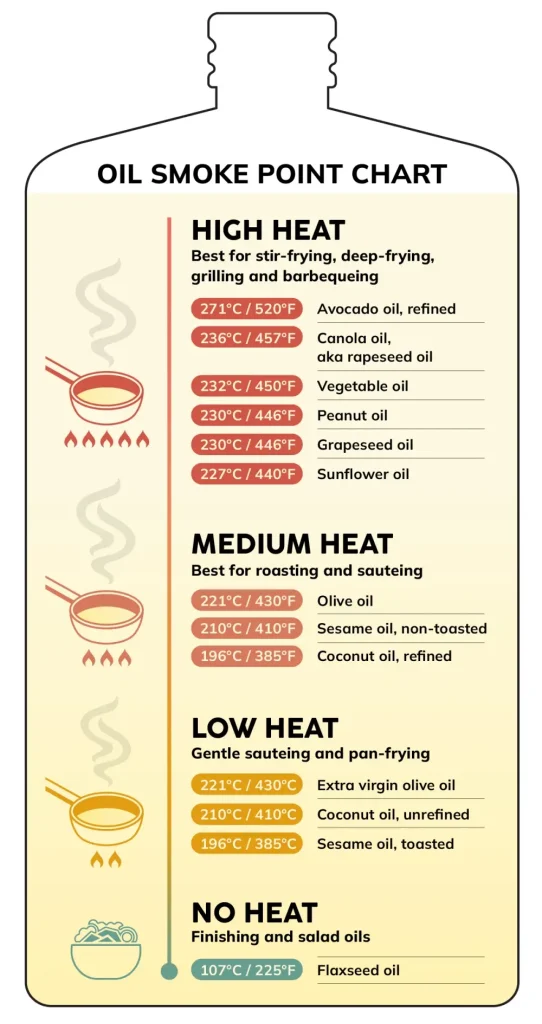
Credit: originz.co
Factors To Consider
Choosing the best oil for cooking involves considering its smoke point, nutritional content, and flavor. Olive oil is popular for its health benefits, while canola oil is favored for its neutral taste. Coconut oil adds a unique flavor, making it ideal for certain dishes.
Choosing the right oil for cooking can be a game-changer in your kitchen. It’s not just about taste; it’s about finding the right balance between flavor, health benefits, and practicality. You might be wondering, what should you focus on when selecting the best oil for your culinary needs? Here are some key factors to consider.
Smoke Point
The smoke point of an oil is crucial. It’s the temperature at which the oil starts to smoke and break down, releasing harmful compounds. For high-heat cooking methods like frying or searing, opt for oils with a high smoke point, such as avocado oil or refined coconut oil. If you’re sautéing or baking, olive oil with a moderate smoke point might be your go-to.
Flavor Profile
The flavor profile of oil can either enhance or overpower your dish. Neutral oils like canola or vegetable oil are versatile and won’t alter the taste of your food. On the other hand, oils like extra virgin olive oil or sesame oil add distinct flavors, perfect for drizzling over salads or finishing a stir-fry.
Nutritional Benefits
Nutritional value can make or break your choice of oil, especially if health is a priority. Oils rich in monounsaturated fats, like olive oil, are heart-healthy and may reduce the risk of heart disease. Omega-3 rich oils, such as flaxseed oil, offer anti-inflammatory benefits. Consider what your body needs and choose an oil that aligns with those health goals.
Price And Availability
Your budget and local grocery options are equally important. While some oils like safflower or walnut can be pricey, they might be worth the splurge for their unique benefits. However, commonly available oils like sunflower or canola are often more budget-friendly and still provide good quality. Check your pantry and decide what makes sense for you. Selecting the right cooking oil involves more than just reaching for the first bottle you see. What matters most to you in the kitchen: flavor, health, or cost? Explore your options and find the oil that fits your lifestyle.
Olive Oil
Olive oil is a staple in kitchens around the world. It’s known for its rich flavor and health benefits. Many choose it for its versatility and heart-friendly properties. Olive oil is made from pressed olives. Its quality can vary based on the pressing method and purity.
Extra Virgin Olive Oil
Extra virgin olive oil is the highest quality of olive oil. It comes from the first pressing of olives. No heat or chemicals are used in its extraction. This oil has a strong flavor and aroma. It’s often greenish in color. Extra virgin olive oil is rich in antioxidants. It contains healthy fats that can lower cholesterol levels.
Uses And Benefits
Extra virgin olive oil is perfect for dressing salads. It adds depth to marinades and sauces. Many use it in dips like hummus. Drizzle it over bread for a tasty treat. Cooking with olive oil is common in Mediterranean dishes.
Its benefits go beyond taste. Olive oil is great for heart health. It can reduce inflammation in the body. Some studies suggest it may lower the risk of chronic diseases. Using olive oil regularly can support a balanced diet. It’s a simple way to enhance meals while boosting nutrition.
Canola Oil
Canola oil is a popular choice in kitchens worldwide. It’s known for its mild flavor and versatility. This oil is extracted from the seeds of the canola plant, a variety of rapeseed. Its light taste and high smoke point make it ideal for many cooking methods. From frying to baking, canola oil is a staple in many recipes.
Health Benefits
Canola oil is low in saturated fat. It’s a heart-friendly option for those watching their diet. Rich in omega-3 and omega-6 fatty acids, it supports heart health. This oil contains vitamin E, which aids in skin health. Its antioxidant properties help reduce inflammation. Canola oil can assist in lowering cholesterol levels.
Common Uses
Canola oil is perfect for frying due to its high smoke point. It’s great for sautéing vegetables and meats. Many bakers use it for cakes and muffins for its mild flavor. It blends well in salad dressings and marinades. Canola oil is often used in stir-fry dishes. Its versatility extends to grilling and roasting.
Coconut Oil
Coconut oil stands out for its heat stability, making it a reliable choice for cooking at high temperatures. Its mild flavor enhances dishes without overpowering other ingredients, providing a pleasant cooking experience. Rich in healthy fats, it offers nutritional benefits while keeping meals delicious and satisfying.
Coconut oil is a popular choice in many kitchens. Known for its unique taste and aroma, it offers a healthy alternative for cooking. Many people love coconut oil for its health benefits. It’s versatile and can be used in various cooking methods.
Saturated Fat Content
Coconut oil is high in saturated fats. These fats are different from other fats. They are medium-chain triglycerides. MCTs are easily digested and quickly absorbed. This can provide fast energy. Some studies suggest MCTs may help with weight loss. Coconut oil is solid at room temperature. This is due to its saturated fat content. It remains stable at high temperatures.
Cooking Applications
Coconut oil is great for frying. It handles heat well. You can use it for baking too. It adds a nice flavor to baked goods. Stir-frying is another good option. The oil enhances the taste of vegetables. Coconut oil is also used in sautéing. It can be used for making popcorn. It gives a rich taste to your snacks. Coconut oil is versatile in many recipes. Use it for curries and soups.
Avocado Oil
Avocado oil stands out as a top choice for cooking. Its high smoke point makes it ideal for frying and baking. Packed with healthy fats, it enhances the flavor of dishes while supporting heart health.
Avocado oil is rapidly gaining popularity in kitchens around the world. It’s not just because of its rich, buttery flavor. It’s also packed with health benefits that make it a top choice for health-conscious cooks. Have you ever wondered why avocado oil is becoming a staple in many households?
High Smoke Point
Cooking at high temperatures can be tricky. You need an oil that won’t break down and release harmful compounds. Avocado oil has a high smoke point of around 520°F (271°C). This means you can sauté, fry, or grill without worrying about smoke or burnt taste. Imagine preparing a stir-fry without the stress of oil burning too quickly. With avocado oil, you can focus on perfecting your dish. How does your current cooking oil hold up in high heat?
Nutritional Value
Avocado oil isn’t just about high heat cooking. It’s also loaded with nutrients. Rich in monounsaturated fats, it supports heart health. It’s like giving your body a hug with each meal. But there’s more. Avocado oil is a good source of vitamin E, an antioxidant that helps protect your cells. Next time you drizzle oil over your salad, think about the nutritional boost you’re giving your body. Are you making the most of your cooking oil’s benefits?
Sunflower Oil
Sunflower oil is a popular choice in many kitchens. It’s extracted from sunflower seeds. This oil is known for its mild flavor and high smoke point. It’s a versatile option for various cooking methods. Many people prefer it due to its light taste. Sunflower oil is a staple in both professional and home cooking.
Versatility In Cooking
Sunflower oil suits many cooking techniques. It’s perfect for frying due to its high smoke point. Use it for roasting vegetables or baking goods. Its neutral taste enhances food flavors without overpowering them. Salad dressings benefit from its light texture. Marinating meats with sunflower oil keeps them juicy. It mixes well with herbs and spices.
Health Considerations
Sunflower oil contains healthy fats. These include monounsaturated and polyunsaturated fats. They support heart health when used in moderation. This oil is low in saturated fats. It provides vitamin E, an antioxidant. Vitamin E helps protect cells from damage. Choose high-oleic sunflower oil for better health benefits. It offers a healthier fat profile.
Peanut Oil
Peanut oil offers a high smoke point, making it ideal for frying and sautéing. Its mild flavor complements various dishes without overpowering other ingredients. Rich in healthy fats, it supports heart health while enhancing taste.
Peanut oil is a versatile and flavorful option that often graces the shelves of your local grocery store. This oil is derived from peanuts and is popular in many kitchens, especially those that favor Asian cuisine. Its high smoke point and unique taste make it a favorite for various cooking methods, including frying and sautéing.
Flavor Characteristics
Peanut oil has a mild, nutty flavor that can enhance the taste of your dishes without overpowering them. It adds a subtle richness, making it ideal for both savory and sweet recipes. Some people compare its taste to sesame oil but find it less intense, which can be a plus for those who prefer a more balanced flavor. If you’ve ever tried frying chicken in peanut oil, you might have noticed how the flavor complements the meat. It’s a delightful difference that you can taste, making your culinary creations more memorable.
Frying Applications
Peanut oil shines in frying applications due to its high smoke point, around 450°F (232°C). This means it can withstand high temperatures without burning or breaking down, perfect for deep-frying your favorite foods. Think about the last time you had perfectly crispy fries or golden-brown tempura. Peanut oil is likely the secret behind that satisfying crunch. Its ability to fry food evenly and maintain its integrity makes it a go-to for many chefs and home cooks alike. Are you considering hosting a backyard fish fry or experimenting with homemade doughnuts? Peanut oil might just be your best ally in achieving that perfect, crispy texture. Its stability under high heat and neutral taste ensure your food is both delicious and well-cooked. Would you try peanut oil for your next culinary adventure? Its distinct flavor and reliable frying capabilities might be exactly what you need to elevate your dishes.
Grapeseed Oil
Grapeseed oil is a popular choice for cooking due to its mild flavor and high smoke point. It suits frying, sautéing, and baking, making it versatile in the kitchen. Its light texture and subtle taste enhance dishes without overpowering them.
Grapeseed oil is gaining popularity in kitchens around the world, but what makes it so special? Derived from the seeds of grapes, often those leftover from winemaking, grapeseed oil is a versatile cooking oil with a host of benefits. Its light flavor and high smoke point make it a great choice for various cooking methods, from sautéing to baking.
Light Flavor
Grapeseed oil offers a subtle taste that won’t overpower your dishes. Unlike olive oil, which can sometimes dominate the flavor profile, grapeseed oil lets other ingredients shine. Imagine tossing a salad with a delicate vinaigrette, and you want the fresh vegetables to be the star. Grapeseed oil is your ally here. It’s perfect for recipes where you want the natural flavors to speak for themselves without any interference. Have you ever tried it in a homemade mayonnaise? You’ll notice how it complements rather than competes.
Health Aspects
What does grapeseed oil bring to the table in terms of health? It’s packed with polyunsaturated fats, which are known to be heart-healthy. These fats can help reduce bad cholesterol levels when used wisely in your diet. Additionally, grapeseed oil is rich in vitamin E, a powerful antioxidant that aids in protecting your cells from damage. Consider this: could switching to grapeseed oil be a small step towards a healthier lifestyle? While it’s not a magic bullet for health, incorporating it into your meals could be a smart choice. Incorporate it into simple sautéed dishes or drizzle it over roasted veggies for an extra nutritional boost. Next time you’re browsing the oil aisle, consider picking up a bottle of grapeseed oil. You might find it’s just the change your cooking routine needs!
Sesame Oil
Sesame oil is a popular choice in kitchens worldwide due to its unique flavor and health benefits. This oil is extracted from sesame seeds and comes in two main varieties: light and dark. Each type is suited for different cooking needs and flavor profiles, making it a versatile option for various dishes.
Distinctive Flavor
Sesame oil is known for its distinctive, nutty taste that can transform a simple dish into something extraordinary. Its aroma is rich and captivating, adding depth to your meals. If you’ve ever used sesame oil in stir-fries, you’ll know how it enhances the natural flavors of vegetables and proteins.
Have you ever tried adding sesame oil to a salad dressing? A few drops can make a world of difference. The slight hint of nuttiness pairs well with fresh greens and citrus, creating a refreshing and memorable taste.
Traditional Uses
Sesame oil holds a cherished place in Asian cuisine, often used in Chinese, Japanese, and Korean dishes. It’s a staple in marinades, sauces, and dips, infusing them with a warm, inviting flavor. You might remember enjoying a bowl of ramen that had a subtle, nutty aftertaste – that’s the magic of sesame oil.
It’s also used in Indian cooking, where it serves as a base for pickles and curries. Its high smoke point makes it suitable for frying, while its flavor makes it a perfect finishing touch for soups and stews.
Consider trying sesame oil in your next culinary experiment. Could it be the secret ingredient that takes your cooking to new heights? Embrace its traditional roots and distinctive flavor as you explore its potential in your kitchen.
Frequently Asked Questions
What Is The Healthiest Oil To Cook With?
Extra virgin olive oil is the healthiest for cooking. It contains healthy monounsaturated fats and antioxidants. It reduces inflammation and improves heart health. Its smoke point is suitable for most cooking methods. Always choose high-quality, cold-pressed options for maximum health benefits.
Which Is The World’s No. 1 Cooking Oil?
Olive oil is often considered the world’s number one cooking oil. It is praised for its health benefits and rich flavor. Many chefs and home cooks prefer it for its versatility and heart-healthy properties. Its popularity continues to grow globally.
What’s The Most Unhealthy Oil?
The most unhealthy oil is partially hydrogenated oil, often found in trans fats. It can increase bad cholesterol levels, leading to heart disease. Choosing healthier alternatives like olive or avocado oil can promote better health. Avoiding trans fats is crucial for maintaining a healthy diet and lifestyle.
Which Oil Is Best For Cooking And Frying?
Olive oil and canola oil are excellent for cooking and frying. They have high smoke points and healthy fats. Choose oils based on flavor preferences and dietary needs. Opt for extra virgin olive oil for salads and light frying. Canola oil is versatile for baking, frying, and sautéing.
Conclusion
Choosing the best oil for cooking depends on your needs. Olive oil is great for salads and sautéing. It’s healthy and flavorful. Canola oil works well for frying. It has a neutral taste. Coconut oil adds a unique flavor to dishes.
Good for baking and frying. Always consider smoke point and flavor. Balance health benefits with cooking requirements. Experiment and find what suits your kitchen best. Your choice can enhance taste and nutrition. Make informed decisions for tasty meals. Enjoy cooking with the right oil!








