Affiliate Disclosure: This post may contain affiliate links. If you purchase through links on our site, we may earn an affiliate commission at no extra cost to you.
Are you craving a perfectly cooked filet mignon that melts in your mouth and offers an explosion of flavor with every bite? You’re in the right place.
Filet mignon, known for its tenderness and subtle taste, is a cut that deserves the best cooking method to truly shine. This blog post will guide you through the most effective techniques to achieve that ideal balance of sear and juiciness, ensuring you impress everyone at the dinner table.
As you read on, you’ll discover insider tips that transform your filet mignon from ordinary to extraordinary. Get ready to unlock the secrets that will elevate your cooking game to a whole new level. Dive in, and let the culinary magic begin!
Choosing The Right Cut
Choosing the right cut of meat is vital for a delicious filet mignon. Each cut offers unique textures and flavors. Understanding these differences enhances your cooking experience.
Understanding Filet Mignon
Filet mignon is a tender cut from the beef tenderloin. It has less fat than other cuts. This makes it leaner and more delicate in taste. It’s highly prized for its buttery texture. Perfect for a special meal.
Importance Of Marbling
Marbling refers to the fat within the meat. It plays a key role in flavor. Filet mignon has less marbling than other cuts. Choose a piece with fine marbling for added richness. This ensures a juicy and flavorful bite.
Thickness Matters
The thickness of your filet mignon affects cooking time. A thicker cut may need more time to cook evenly. Aim for a thickness of 1.5 to 2 inches. This helps achieve a perfect medium-rare finish.
Freshness And Quality
Freshness impacts the taste of your filet mignon. Look for a bright red color and firm texture. These are signs of quality meat. Avoid cuts with brown spots or an off smell. Quality enhances your dining experience.
Preparing The Steak
For a tender filet mignon, pan-searing is ideal. This method locks in juices, creating a flavorful crust. Using medium-high heat ensures even cooking, delivering a perfectly cooked steak each time.
Preparing the perfect filet mignon begins long before you heat up the grill or skillet. This stage sets the foundation for a steak that melts in your mouth. Knowing how to prepare this premium cut can make all the difference in taste and texture. So, grab your filet mignon and let’s dive into the essentials of preparing it for cooking.
Trimming Excess Fat
First, examine your filet mignon and identify any visible fat. While some might love the extra richness, trimming excess fat can enhance your steak’s flavor. Use a sharp knife to gently remove fat without cutting into the meat itself. This helps the steak cook evenly and prevents flare-ups during grilling. A friend once told me that trimming too much fat from filet mignon is like cutting corners in life. It’s all about balance. Think of it as refining rather than eliminating. How much fat do you leave on your steak?
Seasoning Techniques
With the fat trimmed, it’s time to season. Simplicity often works best with filet mignon. Generously sprinkle salt and freshly ground black pepper on both sides. Press the seasoning into the meat for better adherence. Some chefs swear by adding garlic powder or herbs like thyme and rosemary for a subtle aroma. You might be tempted to over-season, but remember, filet mignon is prized for its natural flavor. Ever tried marinating overnight? It can add a whole new dimension to the taste. What seasoning tricks do you have up your sleeve? Preparing the steak is all about precision. It’s the small details that elevate your filet mignon from good to unforgettable. Are you ready to take your steak to the next level?
Pan-seared Perfection
Pan-seared filet mignon offers a delightful culinary experience. The tender meat, paired with a flavorful crust, makes for an unforgettable dish. This cooking method enhances the filet mignon’s natural taste. It’s simple yet effective, making it perfect for home cooks.
Selecting The Right Pan
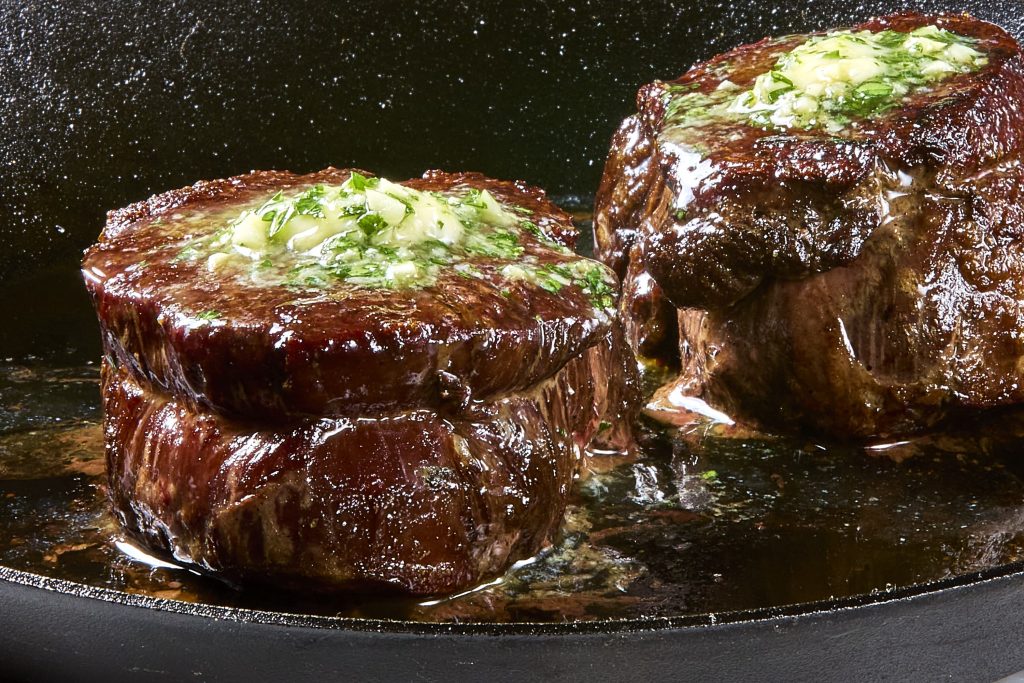
Choosing the right pan is crucial for a good sear. A heavy-duty pan retains heat well. Cast iron or stainless steel pans are ideal. They distribute heat evenly, ensuring a consistent sear. Avoid non-stick pans. They don’t create a proper crust.
Achieving The Perfect Sear
A perfect sear starts with a dry steak. Pat the filet mignon with paper towels. This removes excess moisture. Season generously with salt and pepper. Heat the pan until it’s very hot. Add a splash of oil to the pan. Place the steak in the pan carefully. Avoid overcrowding the pan. Let the steak cook undisturbed for a few minutes. Flip and repeat for even browning.
Rest the steak for a few minutes after cooking. This ensures juices redistribute. Your filet mignon is now ready to enjoy. Experience the rich flavors and tender texture.
Oven-finished Filet
Oven-finishing a filet mignon brings out its best flavors. This method combines the searing of the steak on the stove with the gentle heat of the oven. It delivers a tender, juicy filet mignon with a perfect crust. This technique is popular among chefs and home cooks alike.
Ideal Oven Temperature
The right oven temperature is crucial for a perfect filet. Set your oven to 400°F (204°C). This temperature ensures even cooking without drying out the steak. A hotter oven might overcook the outside too quickly. A cooler oven could leave the inside undercooked.
Monitoring Cooking Time
Keep an eye on the cooking time for the best results. After searing, transfer the filet to the oven. Cook for 5-7 minutes for medium-rare. Use a meat thermometer to check the internal temperature. Aim for 135°F (57°C) for a perfect medium-rare finish.
Grilling Mastery
Filet mignon is a prized cut of beef. Grilling this delicacy can enhance its flavors. Achieving perfection on the grill requires understanding and technique. Grilling mastery involves knowing heat and timing. With the right methods, filet mignon turns tender and juicy.
Preparing The Grill
Start by cleaning the grill grates. A clean grill prevents sticking and ensures even cooking. Preheat the grill to medium-high heat. This temperature sears the steak, locking in juices. Check the gas or charcoal levels. Ensure you have enough fuel to complete the grilling process. Oil the grates lightly with a brush. This prevents the filet mignon from sticking.
Direct Vs. Indirect Heat
Direct heat cooks the steak quickly. It’s ideal for searing the outside. Place the filet mignon directly over the flames. This method gives the steak a flavorful crust. Flip the steak after a few minutes for even cooking.
Indirect heat involves cooking beside the flames. Use this for thicker cuts. It allows the inside to cook evenly without burning. Move the steak to a cooler part of the grill. Close the lid to trap heat, creating an oven-like environment.
Combining direct and indirect heat achieves the best results. Sear the steak over direct heat first. Finish cooking with indirect heat. This ensures a juicy, tender filet mignon with a perfect crust.
Sous Vide Method
Cooking filet mignon with the sous vide method ensures perfect tenderness and flavor. This technique uses precise temperature control to cook meat evenly, preserving its juicy texture and rich taste. Ideal for impressing guests or enjoying a gourmet meal at home.
Cooking a perfect filet mignon can be daunting, but the sous vide method makes it surprisingly straightforward and foolproof. Sous vide, which means “under vacuum” in French, involves cooking food in a vacuum-sealed bag in a water bath at a precisely regulated temperature. This method guarantees that your filet mignon will be cooked evenly from edge to center, delivering unmatched tenderness and flavor. Whether you’re an experienced chef or a home cook wanting to impress, sous vide could be your new go-to technique for filet mignon.
Setting Up Sous Vide
To start, you’ll need a sous vide machine. These devices are compact and user-friendly, perfect for any kitchen setup. Fill a container with water and attach the machine, setting it to your desired temperature. For filet mignon, a temperature of 130°F (54°C) yields a perfect medium-rare. Season your filet with salt, pepper, and perhaps a sprig of rosemary. Seal it in a vacuum bag, removing as much air as possible to ensure even cooking.
Finishing Touches
Once your filet is cooked to your liking, the real magic happens. Remove the steak from the bag and pat it dry with a paper towel. Heat a pan on high with a bit of oil until it’s smoking hot. Sear the filet for about one minute on each side, creating a flavorful crust. Have you ever tried adding a pat of butter and some garlic to the pan for the last 30 seconds? It enhances the flavor without overpowering the meat. After searing, let the filet rest for a few minutes before serving. This step allows the juices to redistribute, ensuring each bite is as juicy as the last. The sous vide method promises consistent results and a rich dining experience every time. Have you considered trying it for your next dinner party? Your guests might be impressed with the restaurant-quality filet mignon you can achieve right at home.
Resting And Serving
Cooking filet mignon to perfection involves searing it in a hot pan and resting before serving. This method ensures juicy, tender meat with a rich flavor that delights the taste buds. Resting allows the juices to redistribute, enhancing every bite.
When it comes to achieving that perfect filet mignon, knowing how to rest and serve your steak is just as crucial as cooking it. Have you ever been disappointed by a steak that looked great but tasted less than stellar? The secret might just lie in how you finish the process. Let’s dive into why resting and serving are pivotal to your success in mastering this dish.
Why Resting Matters
After cooking your filet mignon to perfection, it’s tempting to dive right in. But, patience pays off. Resting allows the juices to redistribute throughout the meat. This ensures every bite is as juicy as the center. Think about it: cutting into a steak immediately can lead to a plate full of juices. These are the same juices that should be enhancing the flavor and texture of your filet. Just a few minutes of rest can make a world of difference.
Perfect Presentation
Presentation isn’t just for show; it’s part of the eating experience. A beautifully plated filet mignon can set the stage for a memorable meal. Start by choosing a simple, elegant plate to let the steak shine. Consider adding a sprig of rosemary or a sprinkle of sea salt as a finishing touch. These small details can elevate the visual appeal. When serving, think about the sides that complement the steak. A creamy mashed potato or a fresh asparagus spear can balance the rich flavors. Are you ready to impress your dinner guests with a filet mignon that not only tastes incredible but also looks the part? Giving attention to resting and presentation could be your secret weapon.
Credit: cookthestory.com
Common Mistakes
Choosing the right cooking method for filet mignon can be tricky. Overcooking or under-seasoning are common mistakes that affect its flavor. Proper timing and seasoning create a juicy, flavorful steak.
Cooking filet mignon can feel like walking a tightrope. This tender cut of beef deserves the best method, yet many trip over common mistakes. Let’s dive into two of the most frequent blunders that can ruin your perfect steak.
Overcooking
Overcooking filet mignon is a crime against your taste buds. This cut is prized for its buttery texture, which disappears when cooked beyond medium rare. How do you ensure it stays tender? Use a meat thermometer. Aim for an internal temperature of 130°F for medium rare. Ever tried timing your steak by eye? It’s risky. Trust the thermometer, not your instincts, to keep that filet juicy.
Improper Seasoning
Seasoning can make or break your filet mignon. Too much salt can overpower the delicate flavor, while too little leaves it bland. Keep it simple: salt, pepper, and a touch of garlic powder. Let the meat’s natural taste shine through. Have you ever marinated a filet mignon overnight? It’s unnecessary. Marinades can mask the unique flavor profile of this premium cut. Does your seasoning bring out the best in your steak? Aim for balance, and let your filet mignon speak for itself.
Expert Tips And Tricks
Discover the perfect way to cook filet mignon. Start by searing it in a hot pan for a flavorful crust. Finish in the oven to ensure a juicy, tender center.
Cooking a perfect filet mignon can feel daunting. But with some expert tips and tricks, you can master the art of preparing this exquisite cut of beef. Whether you aim to enhance the flavor or achieve the desired doneness, these insights will guide you in creating a steak that’s worthy of any fine dining experience.
Enhancing Flavor
Start by choosing a quality cut. The filet mignon is naturally tender, but opting for a well-marbled piece ensures a richer taste. Seasoning is your best friend. Generously coat the steak with salt and freshly cracked pepper. Some chefs swear by adding a touch of garlic powder for depth. Consider a marinade if you prefer a more robust flavor. A simple blend of olive oil, rosemary, and thyme can work wonders. Do you often find your steak lacking that restaurant-quality aroma? Try searing it in a hot cast-iron skillet with a knob of butter. The butter not only adds flavor but creates a beautiful crust.
Achieving Desired Doneness
How do you like your steak cooked? Knowing your preference helps in timing your cooking process effectively. Use a meat thermometer for precision. Insert it into the thickest part of the steak. Aim for 120°F for rare, 130°F for medium-rare, and 140°F for medium. One tip: always rest your steak after cooking. Letting it sit for a few minutes allows the juices to redistribute, ensuring a juicy bite every time. Have you tried the touch test? Press the center of the steak; it should feel slightly springy for medium-rare. Remember, practice makes perfect. The more you cook filet mignon, the better you’ll become at judging doneness by eye or feel.
Frequently Asked Questions
What Is The Best Technique For Cooking Filet Mignon?
Sear the filet mignon in a hot skillet for 2-3 minutes per side. Finish cooking in a preheated oven at 400°F for 5-7 minutes until desired doneness. Let it rest for 5 minutes before serving for perfect tenderness and flavor.
Season with salt, pepper, and herbs for enhanced taste.
How Does Gordon Ramsay Cook His Filet Mignon?
Gordon Ramsay seasons the filet mignon with salt and pepper. He sears it in a hot pan with olive oil. After searing, he adds butter, garlic, and thyme, basting the steak. He cooks it in the oven until desired doneness, then rests it before serving.
Is It Better To Grill Or Fry Filet Mignon?
Grilling filet mignon enhances its natural flavors with a smoky taste. Frying creates a crispy exterior. Choose grilling for a classic taste or frying for a buttery crust. Both methods can yield a delicious steak. Your preference and desired texture ultimately decide the best method.
What Is The Best Method For Fillet Steak?
The best method for fillet steak is pan-searing. Season the steak with salt and pepper. Heat a skillet with oil until hot. Sear the steak for 3-4 minutes per side. Rest for 5 minutes before serving for optimal tenderness and flavor.
Conclusion
Choosing the right cooking method makes filet mignon delicious. Grilling adds a smoky flavor, perfect for summer nights. Pan-searing creates a crispy crust, locking in juices. Broiling is quick and easy, ideal for busy evenings. Slow cooking ensures tenderness, great for special occasions.
Each method has its unique charm. Experiment to find your favorite. Pair it with your choice of sides. Enjoy the perfect meal at home. Savor every bite of this exquisite cut. Make filet mignon a delightful culinary experience. Share your creations with family and friends.
Enjoy your cooking journey!








