Affiliate Disclosure: This post may contain affiliate links. If you purchase through links on our site, we may earn an affiliate commission at no extra cost to you.
Are you tired of relying on traditional cooking methods that consume energy and increase your utility bills? Imagine harnessing the power of the sun to prepare delicious meals without spending a dime on electricity or gas.
Solar ovens offer an eco-friendly, cost-effective solution for cooking your favorite dishes while reducing your carbon footprint. But what makes a solar oven truly efficient? The secret lies in the materials used to construct it. We’ll unveil the best materials for building a solar oven that maximizes heat retention and cooking efficiency.
Whether you’re a DIY enthusiast or just curious about solar cooking, understanding these materials can revolutionize your approach to sustainable living. Get ready to discover how you can create your own solar oven using materials that are not only effective but also readily available. Keep reading to find out how you can turn sunlight into your new cooking fuel!
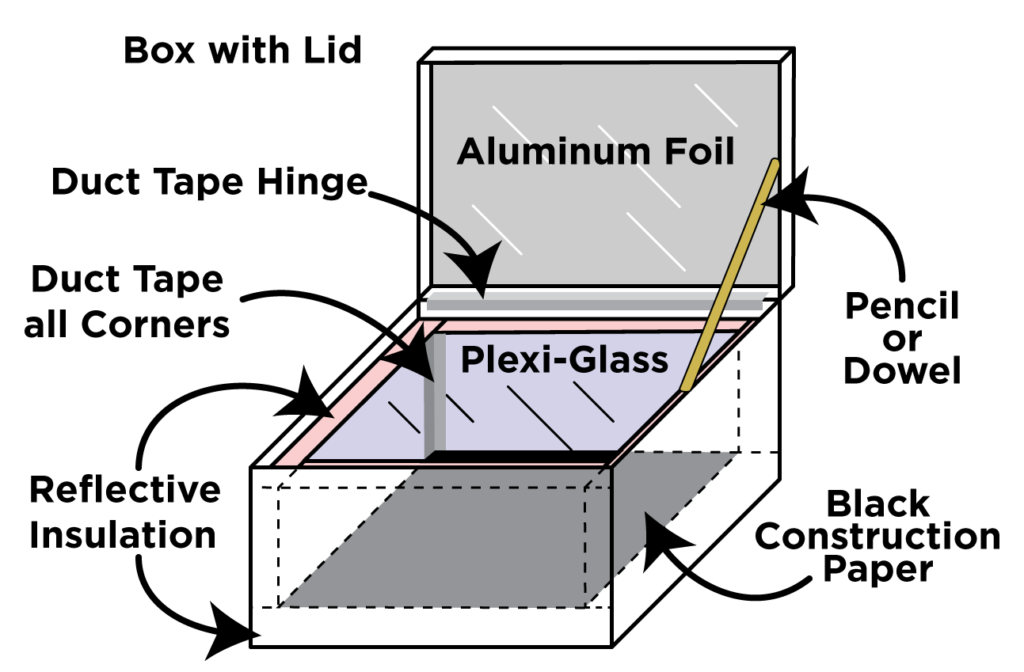
Credit: energyresearch.ucf.edu
Solar Oven Basics
Solar ovens offer a simple way to cook food using sunlight. They are eco-friendly and help save energy. Understanding the basics is crucial for building an effective solar oven. It involves choosing the right materials and design. Let’s explore how these elements come together.
Materials For Heat Absorption
Dark surfaces absorb sunlight better. Use materials like black paint or dark metal. These materials capture and convert sunlight into heat. This heat cooks the food inside the solar oven.
Insulation Materials
Insulation keeps the heat trapped inside the oven. Materials like wool, foam, or even newspaper work well. They prevent heat from escaping. This ensures consistent cooking temperatures.
Reflective Surfaces
Reflective materials direct sunlight into the oven. Aluminum foil and mirrors are common choices. They increase the oven’s efficiency. More sunlight means more heat and faster cooking.
A clear cover lets sunlight enter while trapping heat. Glass and plastic are popular options. They create a greenhouse effect inside the oven. This effect raises the internal temperature.
Durability Considerations
Choose materials that withstand outdoor conditions. Weather-resistant materials last longer. This ensures the oven remains functional over time. It’s important for frequent users.
Importance Of Material Choice
Selecting the right materials for a solar oven is crucial for efficiency and durability. Reflective surfaces like aluminum foil enhance heat absorption, while insulating materials like glass keep the heat contained. Proper materials ensure the oven reaches optimal temperatures, providing a sustainable cooking solution.
Choosing the right materials for a solar oven is crucial. The material you select directly impacts the efficiency and effectiveness of your solar cooking. Imagine investing time and effort into building a solar oven, only to find it doesn’t cook properly because of poor material choices. One summer, I tried making a solar oven using cardboard. It was a fun project, but the cooking was slow, and the structure wasn’t sturdy. This experience taught me the importance of picking durable and heat-efficient materials. The choice of materials can make or break your solar cooking adventure.
Heat Retention
Materials that retain heat well are essential. Glass and metal are excellent choices. They trap heat effectively, ensuring your food cooks evenly. Think about your favorite casserole dish. It’s usually made of glass or ceramic because these materials maintain heat. Your solar oven needs similar materials to work efficiently.
Durability
Durable materials like aluminum or stainless steel ensure long-lasting use. They withstand the elements better than cardboard or plastic. Consider how often you’ll use your solar oven. If it’s for regular outdoor cooking, investing in durable materials will save you time and money in the long run.
Reflectivity
Reflective materials like aluminum foil or mirrors enhance cooking efficiency. They focus sunlight onto the cooking area, increasing temperature. Have you ever played with mirrors to direct sunlight? The concentrated light can heat things quickly. This principle works in solar ovens too, making reflective materials vital.
Insulation
Proper insulation keeps heat trapped inside the oven. Materials like fiberglass or foam board are effective insulators. Imagine your oven losing heat like a leaky boat. Insulation prevents this, ensuring your food cooks faster and better.
Eco-friendliness
Eco-friendly materials minimize environmental impact. Consider recycled or sustainable options. Using eco-friendly materials aligns with the solar oven’s purpose—sustainable cooking. It’s a win-win for you and the planet.
Cost
Balancing cost with quality is key. High-quality materials often come with a higher price tag. But investing wisely pays off in performance. Reflect on your budget versus your solar oven goals. Can you find a compromise that offers both efficiency and affordability?
Ease Of Use
Materials that are easy to work with make the building process smoother. Lightweight and flexible materials are great for DIY projects. Think about your comfort level with DIY tasks. Choose materials that match your skills and make the project enjoyable, not frustrating.
Safety
Safety should be a priority. Avoid toxic or flammable materials. Choose non-toxic and stable options to ensure safe cooking. Consider your family’s health and safety. Are the materials you’re considering safe for cooking? Your choices matter.
Weather Resistance
Weather-resistant materials prevent damage from rain or sun exposure. This ensures your solar oven lasts through various conditions. Think about your local climate. Will your solar oven withstand a sudden rainstorm or intense sunshine? Plan accordingly. Your material choice in building a solar oven isn’t just about construction. It’s about ensuring effective, safe, and enjoyable solar cooking. What materials will you choose for your solar oven?
Reflective Materials
Reflective materials are key in solar oven design. They help capture and concentrate sunlight. Without these materials, solar ovens would struggle to reach high temperatures. The right choice can make your solar oven efficient and effective.
Reflective materials come in various forms. Each has its benefits and drawbacks. Let’s explore some popular options for solar ovens.
Aluminum Foil
Aluminum foil is affordable and easy to find. It reflects sunlight efficiently. Its shiny surface directs heat into the oven. You can shape and mold it to fit different designs. It is lightweight and simple to use.
However, aluminum foil can tear easily. It may not last long in outdoor conditions. Consider using multiple layers for better durability.
Mylar Sheets
Mylar sheets offer excellent reflectivity. They are durable and weather-resistant. This makes them ideal for outdoor solar ovens. Mylar sheets are lightweight and easy to handle. They provide a smooth surface for optimal sunlight reflection.
Though slightly pricier than aluminum foil, Mylar’s longevity compensates for the cost. It remains intact under harsh conditions. Ideal for long-term use.
Reflective Tape
Reflective tape offers versatility. It can be applied to various surfaces. This makes it suitable for different solar oven designs. It’s sticky and easy to apply. Reflective tape is durable and withstands outdoor environments.
Though not as reflective as Mylar, it provides flexibility. It is great for small patches and repairs. A useful addition to any solar oven toolkit.
Credit: mamaguru.com
Insulating Materials
Insulating materials play a vital role in solar oven efficiency. They trap heat, allowing food to cook evenly and thoroughly. Choosing the right insulation can significantly enhance the performance of your solar oven. Here, we explore some of the best materials for insulating solar ovens.
Fiberglass Insulation
Fiberglass insulation is a popular choice for solar ovens. It is durable and has excellent heat retention properties. This material helps maintain the temperature inside the oven. Fiberglass is also resistant to moisture and fire, making it safe for use. Additionally, it is widely available and cost-effective, a great option for many.
Foam Board
Foam board is another effective insulating material. It is lightweight yet sturdy, providing excellent thermal resistance. Foam board helps maintain consistent temperatures within the oven. It is easy to cut and shape, allowing for custom fits. This makes it a versatile choice for solar oven designs.
Wool Blankets
Wool blankets offer a natural insulation solution. They are easy to find and use. Wool traps heat effectively, making it a great insulator. It provides a soft layer that can easily wrap around the oven. Wool blankets are also eco-friendly, appealing to those who prefer natural materials.
Absorptive Materials
Solar ovens rely on the sun’s energy to cook food. Absorptive materials are crucial for maximizing heat absorption. These materials trap sunlight efficiently. They convert light into heat. Choosing the right absorptive materials can enhance a solar oven’s performance.
Black Paint
Black paint absorbs sunlight effectively. It traps heat due to its dark color. The paint should be matte. Glossy paint reflects light, reducing absorption. Apply black paint on surfaces facing the sun. This increases heat retention. Ensure the paint is heat-resistant. This prevents damage during high temperatures.
Dark-colored Metal
Dark-colored metal is another great option. Metals like aluminum or steel work well. They absorb and conduct heat efficiently. Choose metals with a dark finish. This boosts heat absorption. Properly treated metal lasts longer. It withstands outdoor conditions. Keep the metal clean for optimal performance.
Ceramic Tiles
Ceramic tiles can serve as absorptive materials. They have natural heat retention properties. Dark ceramic tiles absorb more sunlight. They maintain heat for extended periods. Arrange tiles inside the solar oven. This helps distribute heat evenly. Ensure the tiles are durable and heat-resistant. Proper placement ensures effective cooking.
Transparent Covers
Transparent covers are essential in solar ovens, ensuring maximum sunlight capture. Glass is a top choice for its durability and efficiency. Polycarbonate is another excellent option, known for its lightweight nature and high heat resistance. Both materials enhance the oven’s performance by effectively trapping heat.
When building a solar oven, the choice of transparent cover is crucial. This cover is not just a window; it plays a vital role in trapping heat inside your oven. The right material can make or break your solar cooking experience. Let’s dive into some of the best options for transparent covers that can maximize the efficiency of your solar oven.
Glass Sheets
Glass sheets are a popular choice for solar oven covers. They are excellent at letting sunlight pass through while retaining heat within the oven. Glass is durable and can withstand high temperatures, making it a reliable option. However, glass can be heavy and fragile. If you plan to move your solar oven frequently, consider the risk of breakage. Have you ever had a glass item shatter unexpectedly? It’s a mess you’ll want to avoid. Despite this, its ability to trap heat efficiently often outweighs the downsides.
Polycarbonate Panels
Polycarbonate panels offer a more lightweight alternative to glass. They are shatter-resistant, making them ideal if you’re worried about durability. If you’ve ever had to transport a solar oven, you’ll appreciate the ease of moving one with a polycarbonate cover. These panels also provide good insulation, keeping the heat inside your solar oven. The downside is they may not be as clear as glass, which could reduce the amount of sunlight entering the oven. Are you willing to trade a bit of clarity for durability? That’s a decision you’ll need to weigh.
Acrylic Covers
Acrylic covers are another excellent option for solar ovens. They are lighter than glass and offer better clarity than polycarbonate. If aesthetics matter to you, acrylic can provide a crystal-clear view into your solar oven. One drawback is that acrylic can scratch easily. If you’ve ever owned an acrylic aquarium, you know how delicate the surface can be. Regular cleaning and careful handling are necessary to maintain its transparency. On the bright side, acrylic is easier to cut and shape, making it a versatile choice for DIY enthusiasts. Choosing the right transparent cover for your solar oven involves balancing durability, clarity, and heat retention. What’s your priority? Whether it’s the robustness of glass, the resilience of polycarbonate, or the clarity of acrylic, each material offers unique benefits that can enhance your solar cooking adventures.
Durability And Weather Resistance
Solar ovens are fantastic for sustainable cooking. Their efficiency depends on the materials used. Durability and weather resistance are key factors in choosing the right materials. A solar oven must withstand various environmental conditions. This ensures long-lasting performance.
Metal Reflectors
Aluminum and stainless steel are popular choices for reflectors. They are durable and resist weather damage. These metals do not rust easily. This makes them ideal for outdoor use. Metal reflectors efficiently capture and direct sunlight. This enhances the oven’s performance.
Glass Covers
Tempered glass is an excellent choice for solar oven covers. It offers high durability and weather resistance. This glass can handle high temperatures without breaking. Its transparency allows maximum sunlight penetration. This aids in efficient cooking.
Fiberglass and foam boards are great insulators. They help maintain consistent cooking temperatures. These materials resist moisture and wear. They ensure the oven’s efficiency in various weather conditions. Proper insulation is crucial for optimal performance.
Frame Construction
Wood and metal are common frame materials. They provide sturdy support for the oven. Weather-treated wood offers natural resistance to decay. Metal frames offer strength and longevity. Both materials can endure harsh outdoor elements.
Protective Coatings
Protective coatings enhance the durability of solar ovens. They shield surfaces from moisture and UV rays. Coatings prevent corrosion and extend the life of materials. This ensures the oven remains functional over time.
Cost-effectiveness
Creating a solar oven is a smart choice for sustainable cooking. But what about the materials? Cost-effectiveness is crucial when selecting them. Efficient materials can save money and enhance performance. Let’s explore the best options for a budget-friendly solar oven.
Aluminum Foil
Aluminum foil is inexpensive and widely available. It is reflective, boosting the oven’s efficiency. It can capture and retain heat effectively. Easy to handle, it’s perfect for DIY projects. Using aluminum foil keeps costs low without sacrificing performance.
Glass Panels
Glass panels can trap heat inside the oven. They are durable and provide insulation. Though slightly more costly, they offer long-term benefits. Recycled glass options can reduce expenses. Glass panels ensure heat retention, making them a smart investment.
Cardboard Boxes
Cardboard boxes are affordable and versatile. They are easy to find and adapt. You can use them as the oven’s structure. Combining cardboard with foil increases heat absorption. Simple and cost-effective, cardboard is a popular choice.
Black Paint
Black paint enhances heat absorption. It is cheap and readily available. Applying it inside the oven boosts its efficiency. A thin layer is all you need. Black paint is a budget-friendly way to improve heat retention.
Recycled Materials
Using recycled materials is both eco-friendly and cost-effective. Old windows or mirrors can serve as glass panels. Scrap wood can form the oven’s base. This approach reduces waste and keeps expenses low. Recycled materials are perfect for sustainable solar ovens.
Sustainability And Eco-friendliness
Sustainability and eco-friendliness are crucial in today’s world. Solar ovens offer a green way to cook without electricity. Using eco-friendly materials enhances this benefit. Let’s explore materials that make solar ovens sustainable and kind to our planet.
Recycled Aluminum Foil
Recycled aluminum foil is a sustainable choice. It reflects sunlight effectively. This material helps concentrate heat inside the solar oven. Using recycled foil reduces waste and conserves resources.
Cardboard And Wood
Cardboard and wood are eco-friendly materials. They are biodegradable and easy to source. These materials form the structure of many solar ovens. They insulate well, retaining heat for efficient cooking.
Glass And Recycled Glass
Glass traps heat inside the oven. Recycled glass is an even better option. It reduces the need for new glass production. This choice supports sustainability by lowering energy consumption.
Non-toxic Paints
Non-toxic paints are essential for solar ovens. They ensure safety and sustainability. These paints withstand high temperatures. They also maintain the eco-friendliness of the solar oven.
Real-world Applications
Solar ovens are not just a fascinating concept; they have real-world applications that impact everyday life and the environment. Imagine cooking a meal without electricity or gas, using only sunlight. This is the power of solar ovens. Whether you’re an eco-enthusiast, a camper, or someone living in a remote area, solar ovens can be a game-changer. But what materials make the best solar ovens, and how do they work in real-world scenarios?
Utilizing Solar Ovens In Camping
Camping is a prime example of where solar ovens shine. They provide a sustainable way to cook without traditional fuel sources. Picture this: you’re deep in the woods, surrounded by nature, and the sun is your chef. With a few reflective panels and a glass cover, you can cook meals efficiently. Solar ovens are lightweight and easy to transport, making them perfect for outdoor adventures.
Solar Cooking In Remote Areas
In remote areas, access to electricity and gas can be limited. Here, solar ovens offer a practical solution. They harness sunlight to prepare food, reducing reliance on costly and hard-to-find fuels. Communities can benefit from a cost-effective and eco-friendly cooking method. Have you ever considered how a simple solar oven could transform daily life in these regions?
Educational Uses For Solar Ovens
Solar ovens are not just for cooking; they are excellent educational tools. Schools and environmental groups use them to teach about renewable energy. Students learn about solar energy in a hands-on way. It’s a fun and engaging method to inspire future generations to think about sustainability. Can you imagine the excitement of students watching their food cook under the sun?
Emergency Preparedness
Solar ovens can be crucial in emergencies where power outages occur. They offer a reliable cooking method when conventional options are unavailable. With the right materials, you can build a solar oven for emergency preparedness. It’s a proactive step for ensuring you can cook even when circumstances are challenging. Are you prepared to cook without electricity when the unexpected happens?
Incorporating solar ovens into your life is more than an eco-friendly choice; it’s a practical decision with diverse applications. Whether you’re camping, living in a remote area, teaching about renewable energy, or preparing for emergencies, solar ovens serve multiple purposes. Consider how you can use a solar oven to make your life more sustainable and resilient. What real-world application will you explore next?
Frequently Asked Questions
What Is The Best Material To Make A Solar Oven?
The best materials for a solar oven include cardboard, aluminum foil, and glass. Cardboard acts as insulation, aluminum foil reflects sunlight, and glass traps heat efficiently. These materials optimize heat retention and concentration, ensuring effective cooking. Choose materials that are affordable, easy to handle, and environmentally friendly for optimal results.
What Makes An Effective Solar Oven?
An effective solar oven efficiently captures and retains heat. It uses reflective materials to focus sunlight. Insulation minimizes heat loss, and a dark interior absorbs heat. Proper sealing prevents air leaks. A clear, heat-resistant cover allows sunlight in while maintaining warmth.
These features ensure optimal cooking performance.
What Kind Of Box Is Best For A Solar Oven?
A sturdy, insulated cardboard box works best for a solar oven. It retains heat and is easy to modify. Ensure the box is large enough to fit cooking containers. Lining it with foil enhances heat absorption, boosting efficiency.
What Is The Best Cookware For Solar Oven?
The best cookware for a solar oven is dark, thin, and lightweight. Cast iron or anodized aluminum pots are ideal as they absorb heat efficiently. Ensure lids fit well to retain heat. Avoid shiny or reflective surfaces since they can deflect sunlight, reducing cooking efficiency.
Conclusion
Choosing the right materials makes solar ovens more efficient. Reflective surfaces help trap heat effectively. Insulation keeps the heat inside, cooking food evenly. Durable materials ensure the oven lasts longer. Easy-to-find supplies make building a solar oven accessible. Simple glass covers retain heat well.
Recycled materials can be eco-friendly choices. Experimenting with different materials can improve results. Consider your budget when selecting materials. Understanding material properties is crucial for success. Build a solar oven and enjoy sun-cooked meals.








