Affiliate Disclosure: This post may contain affiliate links. If you purchase through links on our site, we may earn an affiliate commission at no extra cost to you.
Are you tired of not getting that perfect steak at home? Do you want to impress your family and friends with a restaurant-quality meal?
Achieving the ideal crust and juicy interior with a reverse sear steak might seem daunting, but it all starts with the right oven temperature. Imagine slicing into a perfectly cooked steak, its savory aroma filling the room, as your taste buds dance with delight.
Sounds delicious, doesn’t it? This article is your ultimate guide to discovering the best oven temperature for reverse searing a steak. Stick around to unlock the secrets to achieving mouthwatering perfection every time you cook. Your culinary skills are about to reach new heights!
Reverse Searing Basics
Reverse searing is a game-changer for steak lovers who crave that perfect crust without sacrificing the juicy, tender interior. This technique flips the traditional approach on its head, offering a more controlled and consistent cooking process. As you dive into the world of reverse searing, you’ll discover the nuances that can elevate your steak-cooking skills to new heights.
What Is Reverse Searing?
Reverse searing is a cooking method where you start by slowly cooking the steak in the oven at a low temperature. This ensures the meat cooks evenly from edge to edge. Once it reaches the desired internal temperature, you finish it off with a quick sear in a hot pan or on the grill.
Think of it as a two-step process. First, gently bring your steak up to temperature. Then, add that irresistible crust. This method minimizes the risk of overcooking and allows more control over the steak’s final doneness.
Advantages Of Reverse Searing
One major advantage is that it reduces the chance of having a gray band around the edges of your steak. Instead, you get a beautifully even pink color throughout. This technique also helps in rendering the fat properly, adding flavor and richness to each bite.
Reverse searing is forgiving, making it perfect for home cooks. It gives you more flexibility with timing, allowing you to prep other parts of your meal without stress. Plus, it’s a great way to impress guests with perfectly cooked steaks every time.
Have you ever wondered why restaurant steaks taste so good? Reverse searing is one secret they use. By mastering it at home, you can elevate your steak nights and enjoy restaurant-quality meals without leaving your kitchen.
Choosing The Right Cut
Reverse searing a steak requires the right cut for perfect results. The cut impacts the texture and flavor of the steak. Selecting the ideal cut ensures a juicy and tender steak. Each cut has unique qualities that suit reverse searing.
Ideal Cuts For Reverse Searing
Ribeye is a favorite choice. It has a rich marbling that enhances flavor. The fat melts during cooking, adding juiciness. Strip steak is another excellent option. It offers a balance of tenderness and flavor. Its uniform thickness makes it easy to cook evenly.
Tenderloin is suitable for those who prefer lean cuts. It’s tender and has a mild flavor. Though it lacks marbling, it remains juicy if cooked correctly. Each cut requires attention to detail for the best results.
Factors To Consider
Thickness affects cooking time. Thick cuts cook slower but retain moisture well. Thin cuts may dry out if overcooked. Marbling affects the flavor and texture. More marbling provides a richer taste and tenderness.
Personal preference plays a role. Some prefer a rich flavor, others a leaner taste. Consider the occasion and guest preferences. Each factor influences the final outcome, ensuring a delightful steak experience.
Oven Temperature Essentials
Understanding the essentials of oven temperature is crucial for mastering the reverse sear steak technique. The reverse sear method involves slowly cooking your steak to a precise temperature before searing it for that perfect crust. But what is the ideal oven temperature to achieve this culinary masterpiece? Let’s dive into the specifics and explore how the right temperature can make all the difference.
Best Temperature Range
Finding the sweet spot for oven temperature is key. Aim for a range between 200°F and 275°F. This low and slow approach allows the steak to cook evenly and retain its juices. Have you ever noticed how a steak can sometimes end up dry when cooked too fast? That’s because high temperatures can cause the juices to escape quickly. By maintaining a lower temperature, you ensure your steak is tender and flavorful.
Impact Of Oven Temperature
The oven temperature has a significant impact on the final texture and taste of your steak. A lower temperature ensures the meat cooks gently, allowing proteins to break down slowly for a tender bite. Imagine cutting into a steak that’s as soft as butter. It’s a game-changer, right? On the other hand, higher temperatures can lead to uneven cooking, resulting in a steak that’s overdone on the outside while still raw in the center. Have you ever had this happen? It’s frustrating and disappointing.
Choosing the right oven temperature is not just about following a recipe—it’s about understanding how heat affects your food. Next time you prepare a reverse sear steak, consider how these small adjustments can lead to big changes in taste and texture. Is your oven calibrated correctly? If not, you might be cooking at a different temperature than expected. Have you tried experimenting with different settings to find what works best for you?
By focusing on the right temperature range and understanding its impact, you can elevate your cooking skills and enjoy restaurant-quality steaks at home. What’s stopping you from trying it? The perfect steak is just an oven setting away.
Step-by-step Reverse Sear Technique
Reverse searing is a brilliant way to cook steak. It ensures every bite is juicy and tender. This technique involves slow cooking followed by quick searing. This method locks in flavors and gives a perfect crust. Follow this step-by-step guide to achieve steak perfection.
Preparing The Steak
Start with a quality cut of steak. Ribeye or filet mignon work well. Season the steak generously with salt and pepper. Let it sit at room temperature for about 30 minutes. This ensures even cooking.
Preheat your oven to 250°F (120°C). A low temperature is key for this technique. It helps cook the steak gently and evenly.
Cooking In The Oven
Place the steak on a wire rack. Set the rack over a baking sheet to catch drips. The wire rack allows heat to circulate evenly. Place the steak in the preheated oven.
Cook until the internal temperature reaches 120°F (49°C) for rare. Aim for 130°F (54°C) if you prefer medium-rare. Use a meat thermometer for accuracy. Cooking time varies based on steak thickness.
Final Searing Process
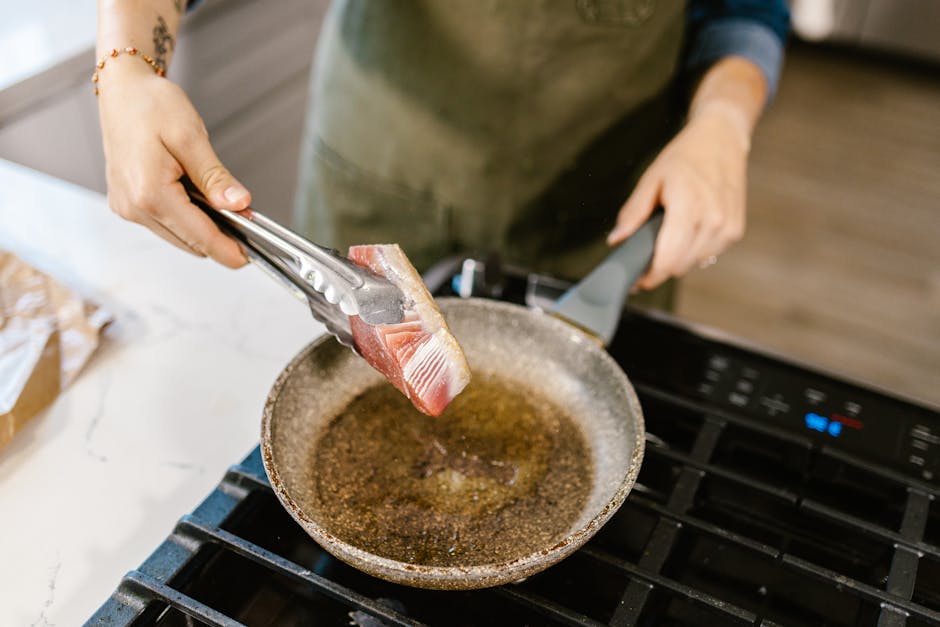
Heat a skillet over high heat. Add a bit of oil to the pan. Wait until the oil begins to smoke. Carefully place the steak in the skillet.
Sear each side for about 1-2 minutes. You want a nice golden crust. Add butter and herbs for extra flavor. Baste the steak with melted butter while searing.
Remove the steak from the skillet and let it rest. Resting helps retain juices. Slice and serve your perfectly cooked steak.
Common Mistakes
Cooking a perfect reverse sear steak requires precision. Many home cooks make mistakes that affect the outcome. Understanding these errors can improve your cooking skills.
Two common mistakes are overcooking and managing oven heat. These can lead to a tough steak. Addressing these issues will ensure a delicious result.
Avoiding Overcooking
Overcooking is a frequent mistake. It happens when the steak is left too long in the oven. The internal temperature rises quickly, leading to dryness.
To avoid this, monitor the steak’s temperature closely. Use a reliable meat thermometer. Remove the steak when it reaches your desired level of doneness.
Managing Oven Heat
Managing oven heat is crucial for a reverse sear steak. Incorrect oven temperature can ruin the meat. Ensure your oven is preheated accurately before placing the steak inside.
Set the oven to a low temperature, around 275°F. This allows the steak to cook slowly, preserving juices. Proper heat management leads to tender and flavorful steak.
Enhancing Flavor
Achieving the perfect reverse sear steak involves setting your oven to 275°F. This temperature ensures gentle cooking, preserving tenderness and enhancing flavor. Gradually heating allows the steak to absorb spices, creating a succulent taste that delights the palate.
Enhancing the flavor of a reverse sear steak is an art that involves more than just nailing the perfect oven temperature. Imagine serving a steak that’s not just cooked to the right doneness but is also bursting with flavor in every bite. The reverse sear method allows you to control the cooking process, giving you the chance to infuse the steak with rich, savory notes that leave a lasting impression.
Seasoning Tips
Seasoning is the cornerstone of flavor enhancement. Start with a generous sprinkle of kosher salt and freshly ground black pepper. These basics help to amplify the steak’s natural flavors. Consider adding garlic powder, onion powder, or smoked paprika for a subtle yet effective flavor boost. Experiment with fresh herbs like rosemary or thyme. Press them gently into the steak to release their oils. A personal tip? Try a light brush of olive oil before seasoning. It helps the spices adhere better and adds a mild richness.
Pairing With Sides
The right sides can elevate your steak from good to unforgettable. Think about textures and flavors that complement, not overpower. Roasted vegetables like Brussels sprouts or asparagus offer a delightful crunch and earthy flavors. A creamy mashed potato can provide a smooth, buttery contrast. For a fresh element, consider a simple arugula salad with a splash of lemon juice. Ever tried pairing with a chimichurri sauce? It’s zesty and fresh, adding a vibrant dimension to your meal. What sides do you love with your steak? Think about balance and how each component can contribute to a harmonious dining experience.
Tools And Equipment
Creating the perfect reverse sear steak requires more than just a steak and an oven. The right tools and equipment ensure precision and ease during cooking. Using the correct equipment can make a significant difference in the taste and texture of your steak. Whether you’re a seasoned chef or a home cook, having the right tools is essential for achieving that perfect crust and juicy interior.
Essential Kitchen Tools
A good-quality cast iron skillet is key for reverse searing. It retains heat well and creates a perfect crust. Oven-safe pans are ideal for transferring the steak from oven to stovetop. An oven rack is necessary to elevate the steak. This allows air to circulate, ensuring even cooking. A baking sheet under the rack will catch drippings, keeping your oven clean.
Recommended Thermometers
Accuracy is crucial in reverse searing. An instant-read thermometer is indispensable. It provides quick and accurate readings of the meat’s internal temperature. This ensures your steak reaches the desired doneness without overcooking. A probe thermometer can be useful too. Leave it in the steak while it’s in the oven. This way, you can monitor the temperature without opening the oven. Digital thermometers are often preferred for their precision and ease of use.
Frequently Asked Questions
What Temperature To Reverse Sear Steak In The Oven?
Preheat the oven to 275°F (135°C) for reverse searing steak. This low temperature ensures even cooking. After reaching the desired internal temperature, finish the steak with a quick sear in a hot pan for a flavorful crust.
Is 225 Or 250 For Reverse Sear?
Use 225°F for a slower, more even cook in reverse sear. It enhances tenderness and flavor. If you prefer faster cooking, 250°F works too. Both temperatures are effective, but 225°F is often recommended for precision. Choose based on your desired cooking speed and outcome.
What Is The 3-3-3 Rule For Steaks?
The 3-3-3 rule for steaks involves grilling each side for three minutes over high heat. This method helps achieve a perfect crust and juicy interior. Ideal for thin cuts, it ensures even cooking and enhances flavor. Use a meat thermometer for accuracy.
Can You Reverse Sear A Steak At 425?
Yes, you can reverse sear a steak at 425°F. Start by cooking the steak in the oven at a lower temperature until it reaches desired doneness. Then, sear it in a hot pan for a crispy crust. This method ensures even cooking and a flavorful finish.
Conclusion
Choosing the right oven temperature makes reverse searing steak simple. A steady 250°F ensures even cooking and juicy results. This method enhances flavor and tenderness without hassle. Experiment with timing to match your preference for doneness. Enjoy each bite with confidence, knowing you’ve cooked it perfectly.
With practice, you’ll perfect your steak every time. Reverse searing offers a satisfying way to achieve restaurant-quality steak at home. So, next time, set your oven to 250°F and enjoy delicious results. Happy cooking!








