Affiliate Disclosure: This post may contain affiliate links. If you purchase through links on our site, we may earn an affiliate commission at no extra cost to you.
Are you tired of biting into dry, flavorless chicken after spending hours in the kitchen? You’re not alone.
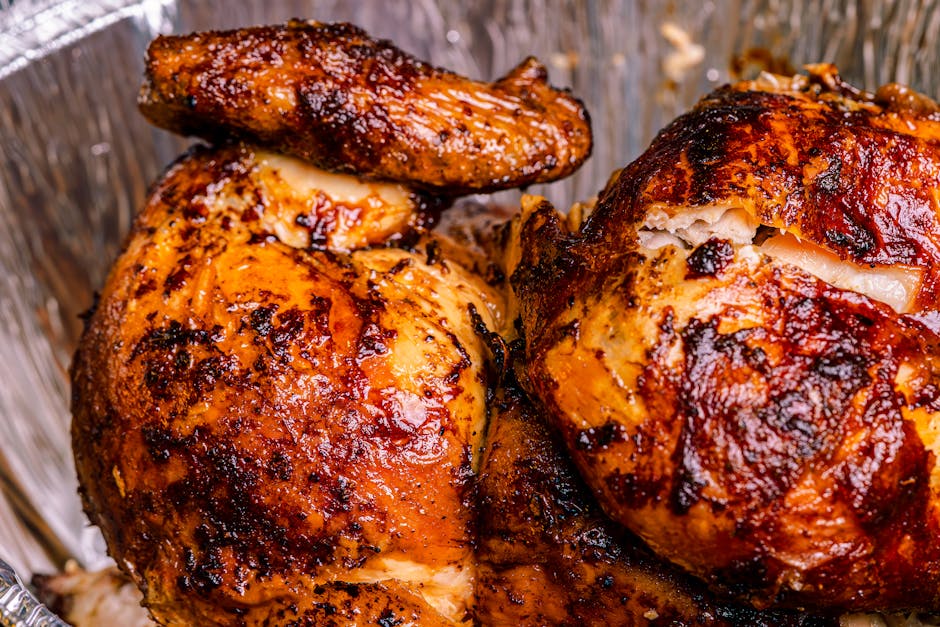
Finding the best oven temperature for roasting chicken can transform your cooking experience and elevate your meals to a new level of deliciousness. Imagine slicing into a perfectly roasted chicken, where the skin is crispy and golden, and the meat is juicy and tender.
Sounds mouthwatering, right? We’ll reveal the secrets to achieving that perfect roast every time. Stick around to discover how a simple tweak in your oven settings can make all the difference in your dinner preparations. Your taste buds will thank you!
Optimal Temperature For Roasting Chicken
Choosing the right oven temperature is crucial for roasting chicken. It ensures the chicken is tender, juicy, and cooked evenly. Finding the perfect temperature can transform your meal from ordinary to extraordinary.
Understanding Oven Temperatures
Oven temperature affects the cooking process. Too high can dry out the chicken. Too low might leave it undercooked. A balanced temperature is key for perfect results.
The Ideal Temperature Range
Roasting chicken at 375°F to 400°F is often recommended. This range helps achieve a crispy skin and moist meat. It cooks the chicken thoroughly without overdoing it.
Benefits Of 375°f To 400°f
This temperature range allows the skin to crisp nicely. It retains moisture inside the meat. The chicken cooks uniformly, reducing risk of undercooked parts.
Adjusting For Chicken Size
Larger chickens may need slight adjustments. If bigger, consider using 400°F for more consistent cooking. Smaller chickens can roast well at 375°F.
Checking Doneness
Use a meat thermometer to ensure the chicken is done. The internal temperature should reach 165°F. This ensures it’s safe to eat and perfectly cooked.
Final Thoughts On Temperature
Finding the right oven temperature enhances flavor. Remember to adjust based on chicken size. This can make all the difference in your meal.
Factors Influencing Temperature Choice
Choosing the right oven temperature for roasting chicken requires some thought. Several factors come into play. Each of these factors affects the final result. Understanding them helps in achieving the perfect roast.
Chicken Size And Type
The size and type of chicken matter. A larger chicken needs more time to cook. Smaller chickens cook faster. Whole chickens require even heating. Chicken pieces might need higher temperatures. The type of chicken also influences temperature. Organic chickens may cook differently than conventional ones.
Desired Texture And Flavor
Texture and flavor are key. A higher temperature gives crispy skin. Lower temperatures result in juicier meat. Some prefer a balance of both. Deciding on the texture helps set the right temperature. The flavor profile can change with temperature too.
Oven Type And Calibration
Oven type affects cooking. Convection ovens cook faster. They circulate hot air around the food. Conventional ovens may need a higher temperature. Calibration is important too. An uncalibrated oven leads to uneven cooking. Check the oven’s accuracy with a thermometer. This ensures the set temperature matches the actual heat.
Temperature Ranges For Juicy Chicken
Roasting chicken can be a culinary delight when done right. Selecting the correct oven temperature is crucial for juicy, flavorful meat. Different temperature ranges impact the texture and taste. Understanding these can elevate your chicken roasting skills.
Low And Slow Method
Cooking chicken at low temperatures, around 300°F, locks in moisture. The meat becomes tender and flavorful. This method is perfect for those who prefer succulent and juicy chicken. It takes longer but the results are worth it. Patience is key.
Moderate Temperature Approach
Roasting at 350°F is a common choice. It balances cooking time and moisture retention. The skin becomes golden and crispy. The meat remains juicy and flavorful. Ideal for everyday cooking.
High-heat Techniques
Using high temperatures, like 425°F, creates a crispy skin. The chicken cooks faster, sealing in juices. Perfect for those who enjoy crispy textures. Careful monitoring is essential to avoid drying out the meat. Quick and efficient.
Safety Considerations
Roasting chicken at 375°F ensures thorough cooking while preserving juiciness. Always use a meat thermometer. Check the thickest part reaches 165°F. This reduces the risk of undercooked poultry. Proper temperature safeguards your meal.
Roasting chicken is a delightful culinary adventure, but ensuring it’s safe to eat is crucial. Safety considerations don’t just make your dish delicious; they protect you and your loved ones from foodborne illnesses. So, how do you guarantee that your roasted chicken is both tasty and safe?
Internal Temperature Guidelines
You might think that a crispy skin means your chicken is done, but looks can be deceiving. The best way to know for sure is by using a meat thermometer. Insert it into the thickest part of the chicken, avoiding bones. The USDA recommends an internal temperature of 165°F (74°C) for chicken. This ensures bacteria like Salmonella are killed. Checking the temperature isn’t just a precaution; it’s a step towards perfecting your culinary skills. Have you ever cut into a beautifully roasted chicken only to find it raw inside? That’s a rookie mistake you can avoid.
Avoiding Undercooked Chicken
Undercooked chicken isn’t just a disappointment; it’s a health hazard. If your chicken is pink and the juices don’t run clear, it needs more time in the oven. Don’t rely solely on cooking time or oven temperature settings. Factors like chicken size and oven type can alter cooking times. Trust your thermometer over the oven dial. Have you ever served chicken with the nagging worry it might be undercooked? Knowing these safety tips can ease that anxiety and let you enjoy your meal stress-free. Remember, safety in cooking isn’t just about avoiding illness; it’s about enhancing your confidence in the kitchen. What measures do you take to ensure your chicken is perfectly cooked?
Enhancing Flavor And Moisture
Roasting chicken to perfection involves more than just setting the right oven temperature. Enhancing flavor and moisture can make a big difference. Two key methods can help achieve this: brining and marinating. These techniques infuse the chicken with taste and keep it moist.
Brining Techniques
Brining involves soaking the chicken in saltwater. This process helps the meat absorb moisture. A simple brine consists of water, salt, and sugar. Add herbs and spices for more flavor. Let the chicken soak for a few hours. This ensures the meat is juicy after roasting. It’s an effective way to enhance taste and texture.
Marinades And Seasonings
Marinades add depth to chicken flavor. Mix oil, vinegar, and herbs. Garlic and lemon work well too. Coat the chicken and let it sit. This allows the flavors to penetrate the meat. Seasonings are crucial for flavor. Salt and pepper are basic, but spices like paprika add more. Rub the chicken before roasting. The right blend of marinade and seasoning can transform the dish.
Tips For Perfect Roasting
Roasting chicken can be simple with the right techniques. Achieve succulent results by mastering a few key tips. These tips will ensure your chicken is tender and flavorful every time.
Preheating The Oven
Preheating the oven is crucial for even cooking. Set your oven to 375°F (190°C) for perfect results. Let it heat for at least 15 minutes before placing the chicken inside. This ensures the chicken cooks evenly throughout.
Using A Meat Thermometer
A meat thermometer is a valuable tool in the kitchen. Insert it into the thickest part of the chicken. Aim for an internal temperature of 165°F (74°C). This ensures the chicken is safe and juicy.
Resting The Chicken
Resting the chicken after roasting is essential. Allow it to rest for about 10-15 minutes. This lets the juices redistribute, making the chicken moist and flavorful. Slice and serve after resting for best taste.
Frequently Asked Questions
Is It Better To Roast Chicken At 350 Or 400?
Roasting chicken at 400°F results in crispier skin and faster cooking. At 350°F, the meat remains tender and juicy. Choose based on your desired texture and cooking time. Always ensure the chicken reaches an internal temperature of 165°F for safe consumption.
Adjust seasoning for best flavor.
What Is The Best Oven Temperature For Roasting Chicken?
The ideal oven temperature for roasting chicken is 375°F (190°C). This ensures even cooking and juicy meat. Roast until the internal temperature reaches 165°F (74°C). Preheat the oven for best results, and consider using a meat thermometer for accuracy. Adjust cooking time based on chicken size.
How Long To Roast A 4 Lb Chicken At 400 Degrees?
Roast a 4 lb chicken at 400 degrees for 60-75 minutes. Ensure the internal temperature reaches 165°F. Let it rest for 10-15 minutes before serving. Adjust time based on your oven’s accuracy and chicken size. Enjoy a perfectly roasted chicken with crispy skin and juicy meat.
What Is The Best Temperature To Bake Chicken And For How Long?
Bake chicken at 375°F (190°C) for 20-30 minutes per pound. Ensure the internal temperature reaches 165°F (75°C). Use a meat thermometer for accuracy. Adjust time based on chicken size. Properly cooked chicken will be juicy and safe to eat.
Conclusion
Finding the right oven temperature makes chicken delicious. A hot oven crisps the skin, while a lower heat keeps it juicy. Experiment with temperatures between 350°F and 450°F. Adjust based on your oven’s quirks. Remember, size matters. Larger chickens might need lower heat.
Smaller ones do well with higher heat. Always check the meat’s internal temperature. Aim for 165°F for safety. Enjoy the process and savor the results. Roast chicken offers comfort and flavor. Perfect for family dinners or special occasions. Choose the best temperature and enjoy a tasty meal.








