Affiliate Disclosure: This post may contain affiliate links. If you purchase through links on our site, we may earn an affiliate commission at no extra cost to you.
Are you tired of your sourdough bread turning out too dense or not getting that perfect, crispy crust? You’re not alone.
Many home bakers struggle with finding the ideal oven temperature for their sourdough creations. The secret to baking sourdough bread that is both light and beautifully crusty lies in the precise heat of your oven. Imagine the satisfaction of pulling out a loaf that’s just as good as—or even better than—one from a bakery.
With the right oven temperature, you can achieve that. Stick with us as we uncover the best oven temp for sourdough bread, ensuring your next bake is your best yet. You don’t want to miss out on these simple yet transformative tips that could revolutionize your home baking.
Basics Of Sourdough Baking
Sourdough baking is both an art and a science. It starts with a mix of flour and water. This mixture ferments and creates a starter. The starter is alive with yeast and bacteria. These microorganisms give sourdough its unique flavor. Baking sourdough is different from baking regular bread. It needs patience and practice. Temperature plays a key role. An ideal oven temperature enhances the bread’s texture. It also helps achieve a perfect crust.
What Is Sourdough Bread?
Sourdough bread is a type of fermented bread. It has a tangy taste and chewy texture. This bread relies on natural yeast and bacteria. These elements come from the starter. The fermentation process is longer than regular bread. This gives sourdough its distinct flavor. Sourdough is known for its crusty exterior. Inside, it is soft and airy. It dates back thousands of years. Today, it is enjoyed worldwide.
Key Ingredients And Tools
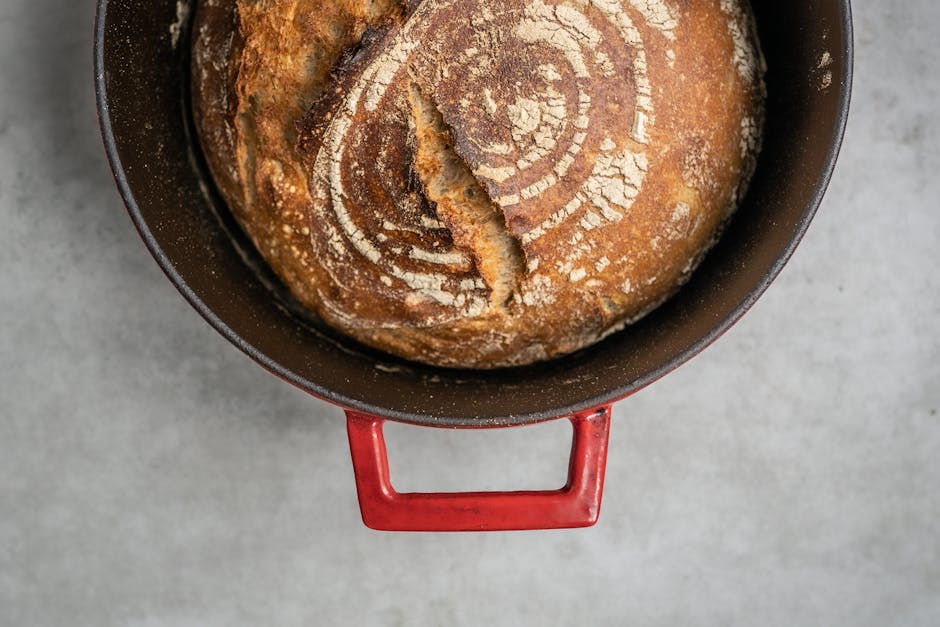
Flour, water, and salt are the main ingredients. Flour provides the structure. Water activates the starter. Salt adds flavor and strengthens the dough. A strong starter is vital. It helps the bread rise. Key tools include a mixing bowl and a kitchen scale. Scales ensure precise measurements. A Dutch oven is great for baking. It traps steam and helps form a crust. A bench scraper aids in shaping the dough. A proofing basket supports the dough as it rises. Each tool contributes to the baking process.
Importance Of Oven Temperature
Understanding the importance of oven temperature can make or break your sourdough bread. It’s not just about setting the dial and waiting. The right temperature ensures your bread comes out with the perfect crust and crumb, making each slice a joy to eat.
Have you ever baked a loaf and found it too dense or lacking that delightful crunch? The culprit might be your oven temperature. Let’s explore why getting it right is crucial.
Impact On Crust And Crumb
The temperature of your oven directly affects the crust and crumb of your sourdough bread. A hot oven helps achieve a crisp, golden crust. This is because high heat causes the sugars in the dough to caramelize, giving your bread that beautiful color and texture.
On the other hand, if your oven is too cool, your bread might turn out pale and soft. A proper crust isn’t just about looks; it locks in moisture, ensuring the inside remains soft and airy. If you’ve ever been disappointed by a chewy loaf, adjusting your oven temp could be the solution.
How Temperature Affects Fermentation
Fermentation is the heartbeat of sourdough baking. The oven temperature can influence how your dough ferments during baking. A higher temperature can speed up the fermentation process, resulting in a more open crumb structure.
Conversely, a lower temperature might not provide the necessary energy for yeast activity. This can lead to a dense loaf, lacking in the signature sourdough holes. Have you ever wondered why your bread isn’t rising as expected? Your oven temperature might hold the answer.
Think about your last sourdough experience. Was the crumb too tight or the crust too hard? Playing with your oven settings might just be the tweak you need. Next time you bake, pay closer attention to your oven’s performance. The perfect loaf might be just a few degrees away.
Optimal Temperature Range
The secret to baking perfect sourdough lies in the oven temperature. Get it right, and you’ll enjoy a crusty exterior with a soft, chewy interior. The optimal temperature range ensures your sourdough achieves its full flavor and texture potential.
Recommended Temperature For Home Ovens
For most home bakers, 450°F is ideal. This temperature ensures a well-baked crust. A hot oven helps the dough rise quickly, forming that desired crust. Preheat your oven for at least 20 minutes before baking. A consistent temperature leads to better results. Use an oven thermometer for accuracy.
Adjustments For Different Types Of Ovens
Not all ovens heat the same. Convection ovens distribute heat evenly, needing a lower temperature. Set a convection oven to 425°F for sourdough. This setting accounts for the fan-assisted heat.
Gas ovens may have hot spots. Consider using a baking stone to distribute heat. Electric ovens tend to maintain temperature better. They usually require fewer adjustments. Always monitor your bread during baking. Adjust based on your oven’s quirks for the best loaf.
Preparing Your Oven
Preparing your oven for baking sourdough bread is a crucial step in achieving that perfect crust and fluffy interior. It’s not just about turning on the oven; it’s about creating the ideal environment for your bread to thrive. The right temperature and setup can make all the difference between a good loaf and a great one. Are you ready to transform your kitchen into a bakery?
Preheating Essentials
Preheating your oven properly is the cornerstone of baking sourdough bread. Set your oven to 450°F (232°C) and allow it to heat up fully before placing your dough inside. An adequately preheated oven ensures that your bread starts cooking immediately, helping it rise and form that signature crust.
How do you know when your oven is ready? Use an oven thermometer to check the temperature. Many ovens can be slightly off, so double-checking can prevent disappointing results. Remember, patience is key—give your oven ample time to reach the desired temperature.
Using Baking Stones And Dutch Ovens
Baking stones and Dutch ovens can elevate your sourdough baking experience. A baking stone holds heat and distributes it evenly, mimicking the conditions of a professional bakery oven. Place the stone in your oven as you preheat, allowing it to absorb heat.
Alternatively, a Dutch oven traps steam, which is essential for creating a moist environment for your dough. This steam helps expand the bread and develop a crisp crust. Preheat your Dutch oven in the oven, then carefully transfer your dough into it when ready.
Have you ever tried using both? Combining a baking stone with a Dutch oven can yield impressive results. The stone provides consistent heat while the Dutch oven ensures steam is trapped. Experimenting with these tools can lead to your best loaf yet.
Preparing your oven might seem like a small detail, but it can significantly impact your sourdough success. Consider these tips next time you bake and watch your bread transform. Are you ready to take your sourdough to the next level?
Monitoring The Bake
Sourdough bread baking demands precision. Monitoring the bake ensures your bread reaches perfection. The oven temperature plays a crucial role in achieving the ideal crust and crumb. Every step matters. From preheating to cooling, each phase impacts your bread’s outcome. Let’s delve into the essentials of monitoring your bake for sourdough bread.
Using Thermometers For Accuracy
Thermometers are vital for precise baking. They help maintain the right oven temperature. An oven thermometer ensures consistent heat throughout the bake. Place it in the center of the oven. This position provides the most accurate readings. Hand-held thermometers check the bread’s internal temperature. Aim for a reading of 200-210°F for perfect sourdough. Consistent temperature results in an even bake.
Signs Of Perfectly Baked Bread
Perfectly baked sourdough has distinct signs. First, inspect the crust. It should be golden and crisp. The bread sounds hollow when tapped. This hollow sound indicates a well-baked interior. The crumb should be airy yet structured. Large, irregular holes signify proper fermentation. The aroma is another clue. A nutty, slightly tangy scent is ideal. These signs confirm your sourdough is baked to perfection.
Troubleshooting Common Issues
Baking sourdough bread involves setting the oven to the perfect temperature for the best results. Typically, 450°F (232°C) works well for achieving a crispy crust and soft interior. Adjusting the temperature can solve issues like overly dense or undercooked bread.
If you’ve ever baked sourdough bread, you know that achieving the perfect crust can be a bit of a balancing act. Sometimes, things don’t go exactly as planned, and you end up with a loaf that doesn’t quite meet your expectations. Let’s tackle some common issues you might encounter when baking sourdough and how adjusting your oven temperature can make a difference.
Underbaked Or Overbaked Crust
A crust that’s either too pale or too dark can be frustrating. If your bread is underbaked, the crust may lack that satisfying crunch. Check if your oven temperature is too low. A higher temperature might help develop a crust that is golden and crispy. On the other hand, if your crust is overbaked and tough, your oven might be too hot. Lowering the temperature slightly can prevent the crust from burning. Keep an eye on it during the last few minutes of baking. Experiment with small adjustments in temperature. You might discover that a 10-degree change is all you need for perfect results.
Uneven Browning
Uneven browning can be another perplexing issue. Ever find one side of your bread darker than the other? This could be due to uneven heat distribution in your oven. A simple fix is to rotate your bread halfway through the baking time. This ensures more even exposure to heat. Consider using a baking stone or steel. They can help retain heat and promote even browning. Have you tried adjusting the oven racks? Placing your bread in the center can often lead to more consistent results. Troubleshooting sourdough baking can feel like a science experiment. But with a bit of patience and tweaking, you’ll find the sweet spot for your perfect loaf. What adjustments will you try next time you bake?
Advanced Baking Techniques
Baking sourdough bread requires the right oven temperature for perfect results. Generally, preheating the oven to 450°F ensures a crispy crust. Lowering to 425°F after 20 minutes helps cook the inside evenly.
Baking sourdough bread is both an art and a science. Once you’ve mastered the basics, advanced techniques can elevate your bread to bakery-level perfection. These techniques focus on achieving the ideal oven conditions to enhance the crust and flavor of your sourdough. Let’s dive into some methods that can transform your baking.
Steam Injection For Crust Development
Ever wondered why bakery bread has such a beautiful, glossy crust? The secret is steam. By adding steam to your oven, you create a humid environment that prevents the crust from forming too quickly. You can introduce steam in several ways. Some bakers use a spray bottle to mist the dough just before closing the oven door. Others place a shallow pan of water on the oven floor during the first few minutes of baking. Both methods help achieve that coveted crispy exterior. Experiment with different steam techniques. See how it affects the crust’s texture. Your taste testers might even think your bread came from a professional bakery.
Temperature Variations For Flavor Enhancement
Temperature isn’t just about how hot the oven gets; it’s about how heat affects flavor. Baking at different temperatures can bring out unique tastes in your sourdough. Start your baking with a high temperature, around 475°F (245°C). This initial heat helps the bread rise quickly, capturing the gases and forming a light, airy crumb. After the initial burst, lower the temperature to around 425°F (220°C) to enhance caramelization and deepen the flavor. Try changing the temperatures to see how they alter the taste. A slightly lower or higher temperature can highlight different flavors in the flour. Discover what combination works best for your palate. Incorporating these advanced baking techniques can make a world of difference. Whether you’re perfecting your crust or exploring new flavors, adjusting your oven settings can transform your sourdough game. What new techniques will you try today?
Tips For Consistent Results
Baking sourdough bread can be both an art and a science. Achieving consistent results requires attention to detail. The oven temperature plays a significant role in the final outcome. Discovering the ideal temperature can be challenging. But with some practical tips, you can master the process.
Keeping A Baking Journal
Document each baking session. Note the oven temperature used. Record the flour type and hydration level. Keep track of rise time and ambient temperature. This helps identify patterns over time. Adjustments become easier with detailed notes.
Experimenting With Different Recipes
Try various sourdough recipes. Each recipe has unique requirements. Some need higher temperatures. Others bake better at lower settings. Experiment with different combinations. Adjust oven settings for each recipe. This helps find what works best.
Frequently Asked Questions
What Is The Best Oven Temperature To Bake Sourdough Bread?
The best oven temperature to bake sourdough bread is 450°F (232°C). Preheat your oven for optimal results. This temperature helps achieve a crispy crust and well-cooked interior. Adjust based on your specific recipe and oven performance.
How Long To Bake Sourdough In A Dutch Oven At 450 Degrees?
Bake sourdough in a Dutch oven at 450°F for 30 minutes with the lid on. Remove the lid and bake for another 15-20 minutes until golden brown. Let the bread cool before slicing for the best texture and flavor.
Can I Bake Sourdough Bread At 350?
Yes, you can bake sourdough bread at 350°F. It might take longer to bake. Ensure the internal temperature reaches 200°F for a fully baked loaf. Baking at this temperature can result in a softer crust compared to higher temperatures. Adjust time based on your oven’s performance.
How Long To Bake Sourdough Bread At 375 Degrees?
Bake sourdough bread at 375 degrees for 30 to 40 minutes. Ensure the internal temperature reaches 200 degrees Fahrenheit for doneness.
Conclusion
Finding the best oven temp for sourdough bread is vital. It ensures a crispy crust and soft interior. Aim for around 475°F (246°C) for the best results. Adjust slightly based on your oven’s quirks. Keep an eye on your bread while it bakes.
A thermometer helps check if it’s done. Experiment and learn what your oven likes. Practice makes perfect, so bake often. Your sourdough journey will improve with each loaf. Enjoy the delightful taste and texture. Happy baking!








