Affiliate Disclosure: This post may contain affiliate links. If you purchase through links on our site, we may earn an affiliate commission at no extra cost to you.
Are you tired of ending up with dry, flavorless chicken every time you roast a whole bird? Finding the best oven temperature for a whole chicken can feel like cracking a culinary code.
But what if I told you there’s a foolproof way to achieve that perfect balance of juicy tenderness and crispy golden skin? Imagine serving a dish that makes your family and friends swoon with delight. You’re about to discover the secret that will elevate your chicken game to a whole new level.
Ready to transform your kitchen into a hub of mouthwatering aromas and delectable tastes? Let’s dive into how you can make every chicken meal an unforgettable experience.
Optimal Temperature For Roasting
Roasting a whole chicken can be a culinary delight. The key is achieving the perfect balance between crispy skin and juicy meat. Temperature plays a crucial role in this process. Finding the optimal temperature ensures the chicken cooks evenly, retaining its natural flavors and tenderness.
Best Temperature For Juicy Meat
The ideal oven temperature for roasting a whole chicken is 375°F (190°C). This temperature allows the chicken to cook thoroughly. It keeps the meat juicy while creating a crispy skin.
Roasting at 375°F ensures the chicken cooks without drying out. The heat penetrates deeply, making the meat tender and flavorful.
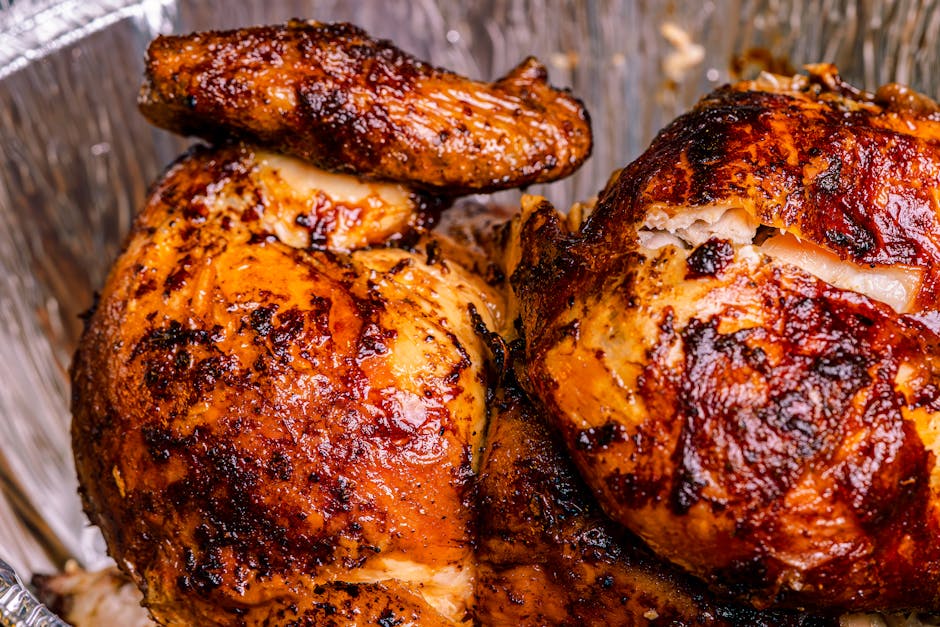
For crispy skin, maintain the oven temperature at 375°F. This moderate heat helps render the fat underneath the skin. The result is a deliciously crispy exterior that complements the juicy meat.
Some prefer increasing the temperature to 400°F (204°C) for the last 10 minutes. This boosts the crispiness without overcooking the meat.
Cooking Time Considerations
At 375°F, a 4-pound chicken usually takes about 1.5 hours to roast. Ensure the internal temperature reaches 165°F (74°C) for safe consumption.
Use a meat thermometer for accurate readings. Insert it into the thickest part of the chicken, avoiding bones.
Flavor Enhancements
Season the chicken with herbs and spices before roasting. This enhances its natural flavors and aroma.
Basting the chicken with butter or oil can add extra moisture and richness.
Prepping The Chicken
Roasting whole chicken at 375°F ensures juicy meat and crispy skin. Begin by prepping the bird with seasoning. This oven temperature cooks chicken evenly, preserving flavor and texture.
Preparing a whole chicken for roasting is a crucial step to achieving that delicious, mouth-watering meal. It might seem simple, but giving attention to the details can elevate your chicken from ordinary to extraordinary. Whether it’s your first time or you’re a seasoned cook, mastering the art of prepping the chicken can make a world of difference.
Cleaning And Drying
Start by rinsing the chicken under cold water. This helps remove any lingering residue. Pat it dry with paper towels to ensure a crispy skin. Don’t skip the drying process. Moisture on the skin can lead to steam, which prevents that desirable golden-brown finish. Would you ever bake a cake without first greasing the pan? Think of drying your chicken in the same way—it’s a simple step with significant results.
Seasoning Options
Seasoning is where you can let your creativity shine. A classic option is a simple mix of salt, pepper, and olive oil. This enhances the chicken’s natural flavors. If you want to experiment, consider adding herbs like rosemary or thyme. Another idea is using a spice rub with paprika and garlic powder for a smoky touch. Have you tried stuffing the cavity with lemon slices and garlic cloves? It infuses the meat with a subtle citrus aroma. Your guests might just ask for your secret recipe! How do you season your chicken? Sharing your go-to methods could inspire someone else’s perfect roast.
Choosing The Right Oven
Roasting a whole chicken calls for an oven temperature of 375°F. This ensures juicy meat and crispy skin. Preheat the oven to achieve even cooking throughout the bird.
Choosing the right oven is crucial when aiming for a perfectly roasted whole chicken. The type of oven you use can significantly impact the cooking time, texture, and flavor of your dish. Whether you have a convection or a conventional oven, understanding their differences can help you make the best choice for your culinary masterpiece.
Convection Vs. Conventional
A convection oven uses a fan to circulate hot air around the chicken, ensuring even cooking. This can lead to a beautifully crispy skin and juicy meat. On the other hand, a conventional oven relies on radiant heat from the top and bottom. While it may not offer the same level of crispiness, it is still a reliable option for those who prefer a more traditional cooking method. Have you ever noticed how some recipes suggest different temperatures for convection and conventional ovens? This is because convection ovens often require lower temperatures due to the efficient heat distribution. If you’re a fan of experimenting, try cooking your chicken in both types of ovens to see which you prefer.
Pros And Cons
Convection ovens are known for their efficiency. They can reduce cooking time, which is a win when you’re in a rush to get dinner on the table. However, they might dry out your chicken if not monitored closely. Conventional ovens, in contrast, offer a steady heat source, making them perfect for slow roasting. But what if you’re torn between the two? Consider your cooking style and kitchen needs. If you frequently roast meats and want faster results, a convection oven could be your best bet. Yet, if you enjoy the slower, more controlled cooking process, sticking with a conventional oven might suit you better. In my own kitchen, I’ve found that using a convection oven for a whole chicken results in a delightful crispiness that my family loves. But when I have more time to spare, the conventional oven gives me the comfort of a slow-cooked, tender dish. What will you choose for your next chicken roast?
Cooking Time Guidelines
Roasting a whole chicken perfectly requires setting the oven at 375°F (190°C). This temperature ensures juicy meat and crispy skin. Cooking time varies by weight, generally 20 minutes per pound. Always check for an internal temperature of 165°F (74°C) for safety.
Cooking a whole chicken perfectly can be an art, but knowing the right oven temperature is half the battle. One essential aspect to ensure a juicy, flavorful chicken is understanding the cooking time guidelines. These guidelines help you determine how long your chicken needs in the oven based on its weight and internal temperature. So, roll up your sleeves, preheat your oven, and let’s dive into the details.
Weight-based Timing
The weight of your chicken is crucial in calculating the cooking time. A common rule of thumb is to roast the chicken at 350°F (175°C) for about 20 minutes per pound. Imagine you have a 4-pound chicken. You’d set your timer for approximately 80 minutes. This guideline ensures the chicken cooks evenly and remains succulent. However, not all chickens are created equal. Some might be larger or smaller, affecting the timing. Do you often find yourself standing in front of the oven, wondering if your bird is done? Knowing the weight-based timing can remove that uncertainty.
Internal Temperature Check
Even if the clock says it’s time, the chicken might not be ready. An internal temperature check is your best friend here. The goal is to reach a safe internal temperature of 165°F (74°C). Place a meat thermometer in the thickest part of the chicken, usually the breast or thigh, avoiding the bone. Ever cut into a chicken only to find it’s undercooked? A quick internal temperature check can prevent this disappointment. This step is non-negotiable for ensuring both safety and taste. Using these guidelines, you can master the art of cooking a whole chicken. Ready to impress your dinner guests with a perfectly cooked bird?
Enhancing Flavor
Enhancing the flavor of whole chicken transforms a meal into a feast. The right oven temperature helps achieve juicy and flavorful meat. But seasoning plays a crucial role in elevating the taste. Let’s explore ways to enhance the flavor of your chicken.
Using Marinades
Marinades infuse chicken with moisture and flavor. Start with a simple mixture of olive oil, garlic, and lemon juice. Let the chicken soak for at least two hours. This allows the flavors to penetrate deeply. For a hint of sweetness, add honey or brown sugar. Soy sauce or balsamic vinegar brings a tangy twist. Experiment with different ingredients to create your perfect blend.
Herbs And Spices
Herbs and spices add depth to the chicken’s flavor. Fresh rosemary or thyme works wonders. Sprinkle paprika for a smoky touch. Use oregano for a Mediterranean flair. Garlic and onion powder bring savory notes. Combine these spices according to your taste preference. Rub them generously over the chicken before cooking. This ensures a flavorful crust and aromatic meat.
Achieving Crispy Skin
For perfect crispy skin, set your oven to 425°F. This temperature crisps the skin while keeping meat juicy. Ensure chicken is dry for best results.
Cooking a whole chicken to perfection can be an art. The secret lies in the skin. Achieving crispy skin elevates the dish. It adds texture and flavor. A common question is how to achieve this. The key is in the oven temperature.
Temperature Techniques
Start by preheating the oven to 425°F (220°C). This high temperature is crucial for crispy skin. It renders the fat beneath the skin. As the chicken cooks, the skin crisps up. Another method is to start at a lower temperature. Set the oven to 375°F (190°C). Cook until the chicken is almost done. Then increase to 425°F (220°C) for the final 15 minutes. This ensures even cooking and crispy skin.
Basting Methods
Basting enhances flavor and texture. Use melted butter or olive oil. Brush it over the chicken every 20 minutes. This adds moisture and aids in crisping the skin. Garlic or herbs can be added to the basting mixture. This introduces additional flavors. Basting helps prevent the skin from drying out. It ensures a delicious, crispy finish. `
Resting The Chicken
Resting the chicken after roasting ensures juicy and tender meat. The best oven temperature is 375°F for a whole chicken. This setting allows even cooking and preserves flavor.
Cooking a whole chicken to perfection is a culinary achievement that brings immense satisfaction. Yet, there’s a crucial step often overlooked that elevates your dish from good to great: resting the chicken. Resting is not just a fancy chef’s trick; it’s a game-changer that can transform the texture and flavor of your meal. Ever wondered why that beautifully roasted chicken at your favorite restaurant always tastes so much better? The secret could very well be in the resting.
Why Resting Matters
Resting allows the juices inside the chicken to redistribute. If you cut into a chicken straight out of the oven, those delicious juices will spill out, leaving your meat dry. Imagine spending all that time roasting, only to end up with a dry bird. Resting ensures each slice is juicy and flavorful. Another reason resting is important is that it helps the chicken finish cooking. Even out of the oven, your chicken continues to cook internally. This ensures the meat is tender and safe to eat. Have you ever found your chicken a bit undercooked in the middle? Letting it rest can solve that problem.
How Long To Rest
The general rule of thumb is to rest your chicken for at least 10 to 20 minutes. This time frame allows the juices to settle without the chicken getting cold. You might wonder if it’s okay to let it rest longer. Yes, but not too long, or you risk losing the desired temperature. You can even cover the chicken loosely with aluminum foil to retain heat while it rests. This keeps the skin from becoming soggy while maintaining warmth. Resting is a simple step that requires patience but rewards you with a more succulent chicken. Next time you roast a whole chicken, resist the urge to slice immediately. Instead, let it rest and enjoy the difference in every bite.
Serving Suggestions
Roasting a whole chicken at 375°F ensures juicy, tender meat. This temperature allows for even cooking. Serve with roasted vegetables for a complete meal.
When serving a whole chicken, the right accompaniments and presentation can elevate your meal from ordinary to extraordinary. It’s not just about roasting the chicken to perfection; it’s about what you pair it with and how you present it. Whether you’re hosting a dinner party or enjoying a family meal, thoughtful serving suggestions can make all the difference.
Accompaniments
Choosing the right side dishes can complement the flavors of your roasted chicken. Consider classic options like roasted vegetables, mashed potatoes, or a fresh garden salad. These sides not only enhance the taste but also add a variety of textures and colors to your plate. For a twist, try serving your chicken with a tangy cranberry sauce or a savory gravy. These flavors can add depth and excitement to your meal. If you enjoy a bit of spice, a jalapeño cornbread could be a delightful addition. What’s your favorite side dish to pair with chicken? Share it with your guests and see if they agree!
Presentation Tips
Presentation is key when serving your whole chicken. Start by carving the chicken into neat, even portions. Place the pieces on a large, attractive platter, ensuring each piece is easily accessible. Arrange your chosen accompaniments around the chicken to create a balanced and visually appealing display. Use fresh herbs like rosemary or thyme for a touch of elegance and to enhance the aroma. Adding a pop of color with cherry tomatoes or slices of citrus can make your dish look even more enticing. Remember, people eat with their eyes first. How will you make your dish irresistible? Consider the table setting too. A simple yet elegant tablecloth, matching napkins, and proper lighting can set the mood for your meal. Make your guests feel special with your thoughtful presentation.
Frequently Asked Questions
Is It Better To Bake A Whole Chicken At 350 Or 400?
Baking chicken at 400°F results in crispy skin and juicy meat, ideal for roasting. At 350°F, it cooks slower, making it tender but less crispy. Choose based on your preference for texture and cooking time. Always ensure the chicken reaches an internal temperature of 165°F for safety.
What Is The Best Oven Temperature To Cook A Whole Chicken?
The ideal oven temperature for cooking a whole chicken is 375°F (190°C). This ensures even cooking and crispy skin. Use a meat thermometer to check for an internal temperature of 165°F (74°C) in the thickest part of the chicken for safe consumption.
How Long To Roast A 6 Lb Chicken At 375 Degrees?
Roast a 6 lb chicken at 375 degrees for about 1. 5 to 2 hours. Ensure the internal temperature reaches 165°F. Let it rest for 10-15 minutes before carving. Use a meat thermometer for accuracy. Adjust time if the chicken is stuffed.
How Long For Chicken At 350 Degrees?
Bake chicken at 350 degrees Fahrenheit for 25-30 minutes per pound. Use a meat thermometer to ensure it reaches 165°F internally. Adjust cooking time based on thickness and type of chicken. Always rest cooked chicken for a few minutes before serving to retain juices.
Conclusion
Choosing the right oven temperature ensures a juicy whole chicken. Aim for 375°F to 400°F for best results. This range cooks the chicken evenly. A meat thermometer helps confirm it’s done. The internal temperature should hit 165°F. Let the chicken rest after cooking.
This keeps it moist and flavorful. A perfect meal for any occasion. Enjoy with your favorite sides. Now, you’re ready to impress family and friends. Cooking a whole chicken can be simple. Remember these tips for success. Happy cooking!








