Affiliate Disclosure: This post may contain affiliate links. If you purchase through links on our site, we may earn an affiliate commission at no extra cost to you.
Imagine pulling a golden-brown apple pie out of your oven, the sweet aroma filling your kitchen and enticing every member of your household. Sounds perfect, right?
But achieving that mouthwatering perfection isn’t just about the right mix of apples and spices. The secret ingredient? The oven temperature. Yes, the best oven temperature for apple pie can make all the difference between a soggy crust and one that’s irresistibly crisp and flaky.
You might be wondering, “What temperature should I set my oven to? ” Well, you’re in the right place. We’ll dive into the ideal baking temperature and why it matters, so your apple pie turns out deliciously every time. Keep reading, and discover how a simple adjustment can elevate your pie from good to unforgettable.
Ideal Temperature Range
Choosing the right oven temperature for baking apple pie can make the difference between a soggy crust and a perfectly golden masterpiece. You want your apple pie to be crisp and evenly cooked, with a filling that’s not too runny. But what is the ideal temperature range for achieving this? Let’s explore the sweet spot for your next apple pie adventure.
The Goldilocks Zone: Not Too Hot, Not Too Cold
Setting your oven temperature is like finding the Goldilocks zone—just right for the perfect bake. Most recipes suggest 350°F to 375°F for apple pie, but why stick to the norm? Experiment with 360°F and see if you notice a difference. Just as you wouldn’t want your pie too hot or too cold, this range ensures a flaky crust and a bubbly filling.
Consider Your Oven’s Personality
Every oven has a personality. Is yours a bit temperamental, heating unevenly? Use a thermometer to check its accuracy. My oven, for instance, tends to run hot, so I dial down the temperature a notch. Knowing your oven’s quirks can help you adjust the temperature for the best pie results.
Crust Perfection: The Sweet Spot
A perfectly baked crust is the crowning glory of any apple pie. Aim for a temperature that crisps up the edges without burning them. Try 375°F for a short burst, then reduce to 350°F. This technique can help achieve a golden crust while ensuring the filling cooks thoroughly.
Timing Is Everything: How Long Should You Bake?
It’s not just about temperature; timing plays a crucial role. Bake your pie for about 50 to 60 minutes. But keep an eye on it. If the crust browns too quickly, cover it with foil to prevent burning. Think of baking as a dance between time and temperature to achieve that perfect pie.
Personal Experimentation: Find Your Perfect Temperature
Why not make it personal? Maybe 365°F works best for your pie, creating the perfect balance between a crispy crust and juicy filling. Don’t be afraid to tweak temperatures based on your experience. What temperature have you found works best for you? Share your insights and compare notes.
Factors Influencing Temperature
Choosing the right oven temperature for apple pie is crucial. It affects the crust’s texture and the filling’s consistency. Generally, 375°F ensures a golden crust and perfectly cooked apples, balancing sweetness and tartness.
Determining the best oven temperature for apple pie can be a game-changer in your baking adventures. Several factors can influence your decision, leading to a perfectly baked pie. From the type of crust to the consistency of the filling, and even the kind of oven you use, each element plays a crucial role in achieving that golden-brown, delicious result. Let’s dive into these factors and see how they can affect your baking success.
Pie Crust Considerations
The crust is the first thing people notice about a pie. It should be crispy and golden, not soggy or burnt. A higher temperature, around 425°F (220°C), can help achieve a flaky crust by quickly setting the dough before the butter melts. If your crust tends to brown too quickly, consider using a pie shield or reducing the oven temperature after the initial 15 minutes. A personal tip: a family member once suggested brushing the crust with egg wash before baking. It made a noticeable difference in color and texture. Have you tried using egg wash for that extra shine and crispness?
Filling Consistency
The filling of your apple pie should be thick and flavorful, not runny. The temperature you choose can affect how the filling cooks and thickens. A moderate temperature, around 375°F (190°C), allows the apples to soften and the sugars to caramelize without burning. If you’ve ever had a pie where the filling was too liquidy, it might have been due to a low baking temperature. Consider using a higher temperature to let the filling bubble and thicken properly. Do you prefer your apple pie with a slightly chunky filling or a smooth one?
Oven Type Variations
Not all ovens bake the same. Conventional ovens can have hot spots, while convection ovens circulate heat more evenly. If you use a convection oven, consider reducing the temperature by 25°F (about 15°C) to prevent over-baking. In a gas oven, you might find that heat distribution is uneven. Rotating your pie halfway through baking can help achieve even cooking. Have you noticed differences in your pies when using different types of ovens? When you bake your next apple pie, remember these factors. Adjusting the oven temperature based on your crust, filling, and oven type can turn your good pie into an extraordinary one. What adjustments will you try to perfect your apple pie?
Preheating Essentials
Preheating your oven is crucial for baking the perfect apple pie. It sets the stage for even cooking and a golden crust. Many overlook this key step, but it’s fundamental. Proper preheating ensures your pie bakes consistently. This prevents soggy bottoms and uneven textures.
Why Preheat?
Preheating allows the oven to reach the desired temperature. It ensures the pie begins baking immediately. This helps seal the crust and lock in flavors. Without it, your pie may bake unevenly.
How Long To Preheat?
Typically, ovens need 15 to 20 minutes to preheat. This duration varies based on your oven type. Check your oven manual for specific guidance. Always preheat to 375°F for apple pies.
Check Oven Accuracy
Oven temperatures can be inaccurate. Use an oven thermometer to check yours. Confirm it matches the dial setting. Adjust if necessary to ensure proper baking.
Importance Of Consistent Temperature
Consistent temperature ensures even baking. Fluctuations can affect pie texture. Avoid opening the oven door frequently. Each opening can lower temperature and impact baking.
Tips For Preheating
Ensure your oven racks are in the right position. Middle placement is best for pies. Remove any other items from the oven. These can affect heat distribution and pie outcome.
Adjustments For Different Apples
Different apples require varied oven temperatures for the best apple pie. For juicy varieties like Fuji, 375°F ensures perfect baking, while firmer ones like Granny Smith excel at 350°F. Adjusting oven settings makes all the difference in achieving a delicious pie.
Baking the perfect apple pie is more of an art than a science, and one of the key elements is adjusting the oven temperature based on the type of apples you use. Each apple variety has unique characteristics that affect how they bake. Understanding these differences can elevate your pie from good to extraordinary.
Sweet Vs. Tart Varieties
The type of apple you choose significantly impacts your pie’s flavor and baking process. Sweet apples like Gala or Fuji add a gentle sweetness, which might not require additional sugar. Tart varieties such as Granny Smith offer a zingy contrast, potentially needing a sprinkle more of sugar to balance the flavors. If you prefer a sweet pie without much sugar, opt for sweet varieties. For a more complex flavor profile, mix sweet and tart apples. Ever tried a pie with both types? It can surprise your taste buds in the best way.
Moisture Content Impact
Different apples have varying moisture contents, affecting how your pie bakes. High-moisture apples, like McIntosh, can make your pie soggy, so consider reducing the oven temperature slightly to allow longer baking for moisture evaporation. On the other hand, apples with lower moisture, like Honeycrisp, hold their shape better but may require a higher temperature for even browning. Ever baked a pie that turned out too watery? Adjusting the oven temperature or adding a tablespoon of flour to the filling can make a difference. Have you experimented with different apple combinations to find your perfect balance? It’s a journey worth taking for pie perfection.
Remember, the best apple pie isn’t just about following a recipe. It’s about experimenting with different apples and temperatures to create a pie that’s uniquely yours. What adjustments will you try in your next bake?
Enhancing Flavor Profiles
Baking apple pie at 375°F ensures a perfect golden crust while preserving juicy, tender apples. This temperature allows flavors to meld beautifully, resulting in a delicious, aromatic pie. Achieve a harmonious blend of sweet and tart by maintaining consistent heat throughout the baking process.
Enhancing the flavor profiles of apple pie elevates the dessert. The right oven temperature can help, but it’s the spices and sweeteners that make it extraordinary. Baking apple pie is an art where flavors meld beautifully. Discover how different ingredients enhance the taste.
Spices And Seasonings
Spices add depth to apple pie. Cinnamon is a classic choice. It provides warmth and a touch of spice. Nutmeg adds a subtle sweetness. A pinch of cloves can enhance the aroma. Experimenting with cardamom can offer a unique twist. Each spice contributes differently. It’s important to balance them. Too much spice can overpower the apples. Just enough will complement their natural sweetness.
Sugars And Sweeteners
Sugar is essential in apple pie. It balances tart apples. Granulated sugar is a common option. It melts well during baking. Brown sugar adds a rich molasses flavor. Honey can offer a floral note. Maple syrup brings a hint of smokiness. Choose the right sweetener for your taste. Consider the sweetness of the apples. Adjust sugar accordingly. A blend of sugars can provide complexity.
Testing Doneness
Baking the perfect apple pie requires more than just the right recipe. Knowing when your pie is done is crucial. Testing doneness ensures your pie is neither undercooked nor overbaked. This involves observing visual cues, checking texture, and assessing firmness. Each step is vital for a delightful pie experience.
Visual Cues
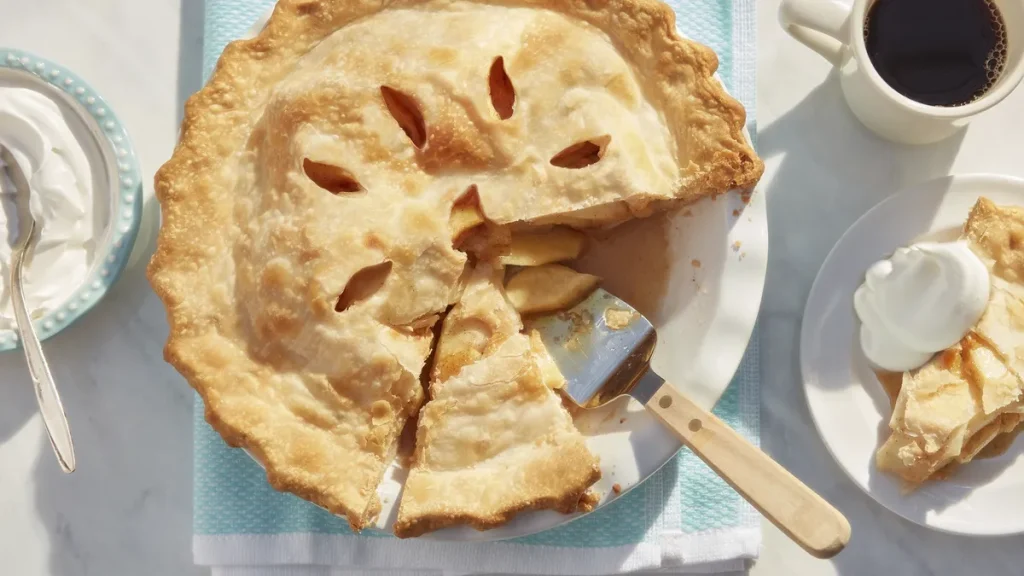
Look at the pie’s crust. It should be golden brown. This indicates that it’s cooked well. The filling should bubble through the slits. This shows that the apples are cooked. These visual cues are simple yet effective. They help you judge the pie’s doneness.
Texture And Firmness
Press the top crust gently. It should feel firm but not hard. A soft, yielding crust might mean it’s undercooked. The filling should also be checked. Poke the apples with a fork. They should be tender, not mushy. Proper texture ensures a perfect bite every time.
Troubleshooting Common Issues
Finding the best oven temperature for apple pie can be tricky. Set your oven to 375°F for a golden crust. Adjust time to ensure even baking and delicious results.
Baking the perfect apple pie is an art, but sometimes things don’t go as planned. You might find that your crust is soggy, or perhaps the top is overbrowning before the apples are tender. These common issues can be frustrating, especially when you’ve put so much effort into your homemade pie. But don’t worry! With a few tweaks, your pie can turn out just as you imagined. Let’s dive into some easy solutions and tips.
Soggy Crust Solutions
A soggy crust can turn your apple pie dreams into a disappointment. One solution is to pre-bake, or “blind bake,” your crust. This technique involves baking the crust partially before adding the filling. By doing this, you allow the crust to firm up, creating a barrier against the juicy apples. Another trick is to sprinkle a thin layer of breadcrumbs or crushed cornflakes on the bottom crust before adding the apples. This layer absorbs excess moisture without altering the taste of your pie. And finally, consider the type of apples you’re using. Apples like Granny Smith are less juicy and can help keep your crust crisp. Have you ever experimented with different apple varieties? It might be time to try.
Overbrowning Prevention
Overbrowning can happen when the top crust darkens too quickly, leaving the inside undercooked. This issue can be addressed by covering the pie with a piece of aluminum foil after it reaches the desired golden hue. Alternatively, you could adjust your oven temperature. Start baking at a higher temperature, around 425°F, then lower it to 350°F after the first 15 minutes. This method allows for an initial crisping of the crust without overbrowning. You could also try using a glass pie dish. This type of dish distributes heat more evenly, helping to avoid hotspots that cause overbrowning. Have you tried different baking dishes? Your choice might make more difference than you think. Balancing your oven temperature and baking techniques can save your pie from common mishaps. With these tips, you’ll be well on your way to a beautifully baked apple pie, ready to impress at your next gathering.
Credit: littlespoonfarm.com
Tips For Perfect Pie
Baking an apple pie isn’t just about following a recipe. It’s about creating a delightful experience that excites the senses. Imagine the aroma of fresh apples mixed with cinnamon wafting through your kitchen. To achieve this, knowing the best oven temperature is just the start. Here, you’ll find tips that transform your pie from good to unforgettable.
Cooling Techniques
Did you know the way you cool your pie can affect its texture? Allow your pie to cool on a wire rack after baking. This helps the bottom crust stay crisp instead of soggy.
Resist cutting into it right away. Letting it sit for a couple of hours lets the filling set properly. This ensures you get clean slices when serving.
Ever tried refrigerating your pie? For a firmer slice, pop it in the fridge for about 30 minutes before serving. It can be a game-changer for presentation!
Serving Suggestions
How do you serve your pie? Warm apple pie with vanilla ice cream is a classic pairing. The cold ice cream contrasts beautifully with the warm pie.
Or, try serving it with a dollop of whipped cream. Sprinkle a little cinnamon on top for extra flavor.
Feeling adventurous? Pair your pie with a slice of sharp cheddar cheese. The savory taste complements the sweetness of the apple pie surprisingly well.
What new twist will you add to your apple pie experience? Remember, every little detail counts in creating the perfect pie. Share your thoughts and tips below!
Frequently Asked Questions
What Temperature Do You Bake Apple Pie At?
Bake apple pie at 375°F (190°C) for 50 to 60 minutes. Ensure the crust turns golden brown.
How Long Do You Bake A Pie At 350 Degrees?
Bake a pie at 350 degrees for 45 to 60 minutes. Check for a golden-brown crust. Adjust baking time if necessary based on your specific recipe or filling. Always let the pie cool before serving for best results.
What Temperature Should A Pie Be Baked At?
Bake a pie at 350°F to 375°F for optimal results. Check recipe specifics for best timing and temperature adjustments. Maintain even heat for a golden crust. Ensure the pie is thoroughly cooked by checking the filling consistency. Adjust temperature slightly if using a convection oven for more even baking.
How Do You Bake An Apple Pie So The Bottom Crust Is Not Soggy?
Pre-bake the crust for 10 minutes before adding filling. Use a pie pan with holes and brush crust with egg wash. Avoid overloading with filling and ensure proper pie venting.
Conclusion
Choosing the right oven temperature makes your apple pie perfect. Too hot, and your crust burns. Too cool, and the filling remains mushy. Aim for 375°F to 400°F for a golden crust. Keep an eye on your pie while it bakes.
Different ovens might vary slightly. You want the fruit to bubble and the crust to brown. With practice, you’ll find your sweet spot. Experiment a little. Enjoy the delicious result. A well-baked pie brings joy to any table. Remember, the aroma is half the pleasure.
Savor the warm, comforting taste of homemade apple pie.








