Affiliate Disclosure: This post may contain affiliate links. If you purchase through links on our site, we may earn an affiliate commission at no extra cost to you.
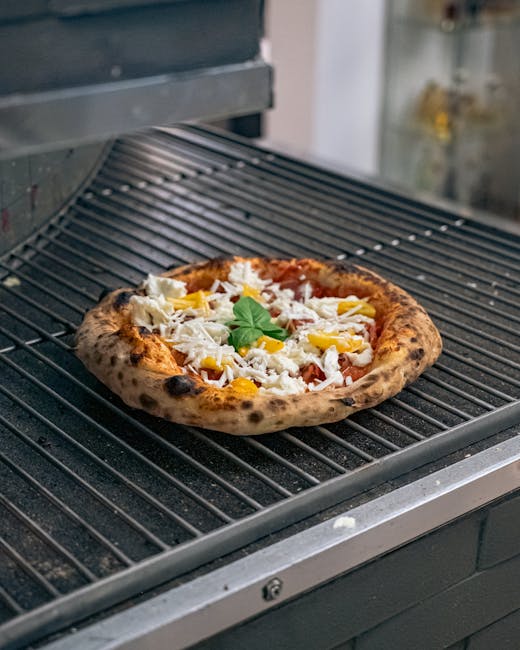
Imagine this: the enticing aroma of freshly baked pizza wafting through your kitchen, the satisfying crunch of a perfectly crisp crust with each bite, and the delight of knowing you created it all yourself. Yes, you can achieve pizzeria-quality results right at home, especially when you have the best pizza crust recipe designed specifically for your pizza oven.
You love pizza, and you want it to be perfect. The secret lies in the crust. It’s the foundation of any great pizza, and with the right recipe, you can transform a basic dinner into an unforgettable experience. But not just any recipe will do.
You need one that pairs flawlessly with the high heat of a pizza oven, delivering that sought-after balance of chewy and crispy. You’ll discover the ultimate pizza crust recipe that will elevate your homemade pizza game to new heights. Get ready to impress your family and friends with a crust that’s not just good, but outstanding. Keep reading to uncover the secrets that will turn your pizza nights into a culinary triumph.
Choosing The Right Flour
Creating the perfect pizza crust starts with choosing the right flour. The flour type greatly affects the crust’s texture and flavor. You must select a flour that suits your taste and pizza style. Some flours produce a chewy crust, while others give a crispy finish.
Understanding the different flour options helps in crafting your ideal crust. Whether you prefer a classic taste or something unique, the right flour makes a difference.
All-purpose Vs. Bread Flour
All-purpose flour is versatile and easy to find. It offers a balanced texture, making it suitable for beginners. It has less protein than bread flour, resulting in a softer crust. Bread flour contains more protein, which adds chewiness. This flour type is ideal for those who enjoy a hearty crust.
Each flour gives a distinct texture to your pizza. Your choice depends on the desired crust outcome. Experimenting with both can help find your favorite.
Exploring Specialty Flours
Specialty flours offer unique textures and flavors. Whole wheat flour adds a nutty taste and is healthier. It has more fiber but can make the crust denser. For a gluten-free option, try almond or rice flour. These give a different but tasty twist to your pizza.
Adding semolina flour to the mix creates a crispy edge. Blending different flours can lead to exciting results. Specialty flours broaden your pizza-making horizons.
Perfecting The Dough
Creating the perfect pizza crust is an art. It’s not just about throwing ingredients together; it’s about understanding each component and how it contributes to the final product. The dough is the foundation of your pizza, setting the stage for every bite. Whether you’re a seasoned chef or a beginner, mastering dough techniques can elevate your pizza game. Imagine biting into a slice with a crust that’s crispy on the outside and chewy on the inside. Sounds dreamy, right? Let’s dive into how you can achieve this perfection.
Yeast Activation Tips
Yeast is a living organism that needs a little care to perform its magic. Start by ensuring your yeast is fresh. Expired yeast can lead to a flat, dense crust. When adding yeast to water, sprinkle it evenly and let it sit for a few minutes. You should see it begin to foam. This is a good sign that your yeast is active.
Ask yourself: Is my kitchen too cold? Yeast loves warmth. If your space is chilly, consider placing your bowl in a warm spot. This simple step can make a huge difference.
Ideal Water Temperature
Water temperature can make or break your dough. Too hot, and you risk killing the yeast. Too cold, and the yeast won’t activate. Aim for lukewarm water, around 100°F (38°C). You can test it with your finger; it should feel comfortably warm, not hot.
Did you know that using a kitchen thermometer can help? It ensures you’re in the right range. Precise water temperature can be the secret to consistency in your pizza crust.
Mixing And Kneading Techniques
Once your yeast is activated, it’s time to mix. Combine your ingredients and mix until you achieve a cohesive dough. Be gentle but firm. The dough should be slightly sticky but not cling to your fingers.
Ready to knead? Use the heel of your hand to push the dough away from you, then fold it back. This process develops gluten, crucial for elasticity. Knead for about 10 minutes. Your dough should feel smooth and springy.
Consider this: Have you ever tried the windowpane test? Stretch a small piece of dough. If it stretches thin without tearing, you’ve got it right.
Perfecting the dough is a journey, but with these tips, you’re well on your way to making the best pizza crust that will impress both friends and family. Remember, practice makes perfect, and each attempt is a step closer to pizza nirvana.
Fermentation And Proofing
Fermentation and proofing are crucial steps in crafting the perfect pizza crust. These processes enhance the dough’s flavor and texture, making it ideal for a pizza oven. Understanding the role of fermentation and proofing will elevate your homemade pizza experience.
Cold Fermentation Benefits
Cold fermentation develops deep flavors in the pizza dough. It slows yeast activity, allowing the dough to rise slowly. This process enhances the complexity of flavors. Cold fermentation also strengthens the dough’s gluten network. The crust becomes chewy with a satisfying bite.
Store the dough in the fridge for 24 to 72 hours. This timeframe gives the best results. You’ll notice a distinct aroma and taste. Cold fermentation is a secret to achieving a professional-quality crust.
Room Temperature Proofing
Room temperature proofing is the final rise before baking. It allows the dough to reach optimal texture and volume. Proof the dough for 1 to 2 hours at room temperature. This helps the dough become airy and light.
Room temperature proofing is crucial for a crisp, airy crust. It prepares the dough for the high heat of a pizza oven. The result is a crust that is both tender and crunchy. Perfect for any topping you choose.
Shaping The Dough
Crafting the perfect pizza crust starts with shaping the dough just right. Stretch it gently, letting it breathe, until it’s round and even. The result is a crispy, chewy base ready for your favorite toppings.
Shaping the dough is a crucial step in crafting the perfect pizza crust for your pizza oven. It’s not just about getting the right size—it’s about achieving the perfect texture and consistency that complements your favorite toppings. Imagine the satisfaction of biting into a slice with a crust that’s crispy on the outside and chewy on the inside. To reach that pizza nirvana, you need to master the art of shaping dough. Let’s dive into some techniques that will make your pizza crust stand out.
Hand Stretching Methods
Hand stretching is a technique that connects you directly with the dough. It allows you to feel its elasticity and adjust your touch accordingly. Start by placing the dough on a lightly floured surface. Gently press the center, leaving a thicker edge for the crust. Use your fingers to gradually stretch the dough outward. Feel the dough; it should be supple but not sticky. Rotate it as you stretch to ensure even thickness. This process requires patience. Don’t rush. Your hands will become adept at sensing when the dough is ready.
Avoiding Common Mistakes
Shaping dough isn’t just about technique—it’s also about avoiding pitfalls. One common mistake is overworking the dough, which can lead to a tough crust. If you find the dough resisting, let it rest for a few minutes before resuming. This relaxes the gluten and makes it easier to shape. Another error is using too much flour. While flour prevents sticking, excess can dry out the dough. Use it sparingly, just enough to keep the dough manageable. Remember, practice makes perfect. Each attempt teaches you something new about your dough. Are you paying attention to the dough’s temperature? Cold dough can be difficult to stretch, while dough that’s too warm may become sticky. Aim for room temperature. This ensures the dough is pliable and easy to work with. Does your dough tear easily? Check its hydration level. Too little water can cause tearing. Adjust your recipe slightly if needed. These insights not only improve your crust but also enhance your overall pizza-making experience.
Choosing The Right Oven
Choosing the right oven for your pizza crust can transform your homemade pizza from good to unforgettable. The oven you select plays a crucial role in achieving the perfect crust, whether you prefer a crispy thin base or a fluffy, chewy texture. Understanding the differences between oven types and mastering temperature control will set you up for pizza success. So, what kind of oven will bring out the best in your pizza crust?
Wood-fired Vs. Electric Ovens
Wood-fired ovens are loved for their unique smoky flavor and high temperatures, usually reaching 800°F or more. This is ideal for those who crave authentic Italian-style pizzas with a slightly charred crust. Remember that these ovens require more attention and skill to manage the fire.
Electric ovens, on the other hand, offer convenience and precise temperature control. They are perfect for home cooks who want consistency in their pizzas without the hassle of managing a fire. While they might not give you that smoky flavor, they make up for it with ease of use.
Have you ever wondered which oven would bring out the best in your homemade pizza recipe? Consider your lifestyle and preferences before making this delicious decision.
Temperature Control Tips
Achieving the right temperature is crucial for a perfect pizza crust. In a wood-fired oven, use a thermometer to check the temperature. Aim for 700°F to 900°F for a quick bake that crisps the crust while keeping the toppings fresh.
For electric ovens, preheat your oven to the highest setting, usually around 450°F to 500°F. Use a pizza stone or steel to mimic the high heat of a wood-fired oven. These tools absorb and retain heat, giving your crust a crispy edge and soft center.
Are you ready to experiment with different temperatures to find your perfect pizza crust? Adjusting heat levels can make all the difference in your pizza-making adventure.
Whether you’re a fan of the smoky charm of wood-fired ovens or the steady precision of electric ones, the choice of oven can elevate your pizza game. Now, it’s your turn to decide which oven will be the hero of your kitchen.
Baking Techniques
Baking the perfect pizza crust requires more than just a good recipe; it’s about mastering the right techniques. Each step in the baking process can dramatically change the texture and flavor of your crust. Let’s dive into some tried-and-true methods that can elevate your homemade pizza to pizzeria-quality.
Using A Pizza Stone
A pizza stone is your best friend for achieving that ideal crispy crust. It mimics the intense heat of a traditional pizza oven, ensuring even cooking. Preheat your pizza stone in the oven at the highest setting for at least 30 minutes before baking.
Place your dough directly onto the hot stone using a pizza peel. This direct contact with the stone helps the crust to puff up and develop a delightful crunch. Have you ever noticed how restaurant pizzas have that perfect balance of crispy and chewy? That’s the magic of a pizza stone.
Using a pizza stone also helps in retaining heat, which cooks the pizza faster. This rapid cooking is crucial for a good crust. Consider it a secret weapon in your pizza-making arsenal.
Timing For Crispy Crust
Timing is everything when it comes to baking pizza. Cooking your pizza too long can make the crust tough, while too short a time can leave it doughy. Aim to bake your pizza for about 8-12 minutes.
Keep an eye on the crust’s edges; they should turn golden brown. If you’re using toppings, ensure they are cooked but not overdone. Timing can depend on your oven’s specifics, so adjust as needed.
Set a timer, but also trust your senses. Does the crust smell ready? Is the cheese bubbling and slightly browning? These are good indicators that your pizza is ready to come out of the oven.
What challenges do you face when baking pizza? Experiment with these techniques and find your own rhythm. Each attempt brings you closer to your personal pizza perfection.
Enhancing Flavor
Discover the secret to enhancing flavor with the best pizza crust recipe for your pizza oven. Achieve a crispy, golden crust that complements any topping. Enjoy a delightful homemade pizza experience.
Enhancing the flavor of your pizza crust can transform your homemade pizza from good to unforgettable. When you’re using a pizza oven, the high heat allows for subtle flavors to shine through. You have the power to make each bite a delightful experience by tweaking a few ingredients. This isn’t just about taste; it’s about elevating your pizza to an artisanal level. You might wonder, how can simple flour and water create such magic?
Infusing Herbs And Spices
Imagine the aroma of fresh basil or the warmth of garlic wafting through your kitchen as you bake. Adding herbs and spices directly into your dough can infuse your crust with layers of flavor. Think about mixing in dried oregano or thyme for an earthy taste. A sprinkle of red pepper flakes can add a subtle kick, making each bite interesting. You can even try rosemary for a fragrant twist. It’s a small change with a big impact, making your pizza uniquely yours. What herbs will you try in your next dough?
Experimenting With Oils
The type of oil you use in your pizza dough can significantly affect its flavor and texture. Olive oil is a classic choice, offering a smooth, rich taste that complements most toppings. For a nuttier flavor, try using sesame oil. If you love a buttery crust, consider adding a touch of melted butter to your dough mix. Each oil brings its own character, giving your pizza a distinct personality. Have you considered how the choice of oil could change your pizza experience? Enhancing your pizza crust’s flavor is about being adventurous and tailoring it to your taste. It’s these small adjustments that make your homemade pizza special and memorable. What’s your go-to secret for a delicious crust?
Frequently Asked Questions
What Is The Secret To A Good Pizza Crust?
A good pizza crust requires high-quality flour, proper hydration, and yeast fermentation. Knead the dough well for elasticity. Allow it to rise adequately for flavor. Use a hot oven for a crispy exterior and soft interior. Balance ingredients for the perfect texture and taste.
How To Get Crispy Crust In Pizza Oven?
Preheat your pizza oven to a high temperature, ideally 500°F (260°C). Use a pizza stone or steel for better heat distribution. Ensure the dough is thin and moisture-free. Brush the crust with olive oil for added crispiness. Cook until the edges are golden brown.
What Is The 55 Rule For Pizza?
The 55 rule for pizza suggests using 55% water relative to the flour weight in the dough. This ensures a well-hydrated dough for optimal texture and flavor. This balance helps achieve a crispy crust and chewy interior, making the pizza more delicious and enjoyable.
How To Get Pizza Dough Ready For Pizza Oven?
To prepare pizza dough for the oven, let it rise until doubled in size. Knead the dough briefly, then roll it out to your desired thickness. Preheat the pizza oven to a high temperature. Add toppings, and then bake until the crust is golden and crispy.
Conclusion
Crafting the perfect pizza crust can be simple and fun. With this recipe, you’ll enjoy making delicious pizzas at home. The crust is the foundation of any great pizza. Crisp on the outside. Soft on the inside. A great texture that holds your favorite toppings.
Practice makes perfect, so try this recipe today. Invite friends and family over for a pizza night. Share your homemade creation. They’ll be impressed with your pizza-making skills. Enjoy the process and the tasty results. Happy baking!








