Affiliate Disclosure: This post may contain affiliate links. If you purchase through links on our site, we may earn an affiliate commission at no extra cost to you.
Picture this: the perfect pizza with a crispy crust, bubbling cheese, and the freshest toppings, all cooked to perfection in your very own Ooni pizza oven. Sounds like a dream, doesn’t it?
But what if I told you that the key to achieving this pizza paradise lies in mastering the art of the dough? Yes, the foundation of every great pizza begins with the dough, and you’ve just stumbled upon the ultimate guide to making it.
In this blog post, we will reveal the best pizza dough recipe tailored specifically for your Ooni pizza oven. Whether you’re a seasoned pizza enthusiast or a curious beginner, this recipe will transform your homemade pizza experience. You’re about to discover the secrets that will make your dough rise to the occasion and create a pizza crust that rivals your favorite pizzeria. So, are you ready to unlock the full potential of your Ooni and impress everyone with your pizza-making prowess? Keep reading, because the best pizza dough recipe is just a scroll away.
Essentials For Perfect Pizza Dough
Crafting perfect pizza dough for your Ooni oven requires quality flour, yeast, water, and salt. Achieve ideal texture by kneading thoroughly. Let dough rise until doubled in size, ensuring a crispy crust.
Creating the perfect pizza dough for your Ooni Pizza Oven is an art and a science. It’s all about finding the right balance of ingredients and understanding how they work together. You don’t need to be a professional chef to get it right; just a few essentials can elevate your pizza game to the next level.
Key Ingredients
The cornerstone of any great pizza dough is its ingredients. Flour, water, yeast, and salt are the building blocks. Each plays a crucial role, but it’s how you blend them that makes the magic happen. Using fresh, high-quality ingredients can make all the difference in the flavor and texture of your dough.
Ideal Flour Types
Choosing the right flour is like choosing the canvas for your masterpiece. Not all flours are created equal. For a crispy, airy crust, consider using Tipo “00” flour, which is finely ground and high in protein. If you can’t find Tipo “00”, all-purpose flour is a good substitute. Experiment with different types to see which works best for your taste preferences.
Water And Hydration Levels
Water is not just about hydration; it’s about texture and flexibility. The amount of water you add will determine how elastic and soft your dough becomes. A general rule of thumb is to aim for a 60-65% hydration level, meaning 60-65 grams of water for every 100 grams of flour. Adjusting the water can make a big difference in how your pizza bakes, especially in a high-temperature oven like the Ooni.
Importance Of Yeast
Yeast is the life force behind your dough’s rise. It ferments the sugars in the flour, producing carbon dioxide and alcohol, which create bubbles in the dough. This is what gives your pizza its light, airy texture. Instant yeast is convenient and reliable, but active dry yeast works well too. Just remember to activate it in warm water before mixing it in. Ever tried making dough without yeast? It just doesn’t have the same lift or flavor. These essentials are the starting point for crafting a dough that sings in your Ooni Pizza Oven. What are your favorite dough-making secrets?
Step-by-step Dough Preparation
Creating the perfect pizza dough for your Ooni Pizza Oven starts with the right preparation. This step-by-step guide ensures a smooth and successful dough-making process. Each stage is crucial for achieving that delightful crust you crave. Ready to get started? Let’s dive into the details!
Measuring Ingredients
Begin with accuracy. Use a digital scale for precise measurements. Flour, water, yeast, and salt are your main ingredients. For a standard dough, you’ll need 500g of flour. Add 325ml of water. Follow with 10g of salt and 7g of yeast. Correct measurements ensure a balanced dough texture. This step is key to avoid any mishaps later.
Mixing Techniques
Pour the water into a large mixing bowl. Add yeast and mix until dissolved. Gradually add flour while stirring. Use a wooden spoon for best results. Mix until a shaggy dough forms. Once combined, sprinkle salt evenly. This prevents uneven salt distribution in the dough. Mix until everything is well incorporated.
Kneading Tips
Transfer the dough to a floured surface. Knead the dough with your palms. Push and fold the dough repeatedly. Knead for about 10 minutes. The dough should feel smooth and elastic. If sticky, dust with a little flour. Avoid over-flouring to maintain dough hydration. Aim for a pliable, soft texture.
Initial Rise Process
Place the kneaded dough in a lightly oiled bowl. Cover with a damp cloth or plastic wrap. Let it rise at room temperature. Allow about 1-2 hours for the initial rise. The dough should double in size. This process develops flavor and structure. After rising, gently deflate the dough. It’s now ready for shaping and baking in your Ooni Pizza Oven.
Secrets To Dough Fermentation
Discover the art of dough fermentation for the perfect pizza in your Ooni Pizza Oven. Achieve a crispy crust with the best pizza dough recipe by letting the dough rest and develop flavors. Enjoy a homemade pizza experience with simple ingredients and easy steps.
Secrets to Dough Fermentation Have you ever wondered what sets apart a good pizza from a great one? It’s all in the dough fermentation. This magical process transforms simple ingredients into a symphony of flavors that dance on your taste buds. Whether you’re a seasoned home cook or just starting your pizza-making journey, understanding dough fermentation is key to mastering the art of pizza making with your Ooni pizza oven.
Understanding Fermentation
Fermentation is like the secret handshake between flour, water, yeast, and time. When these ingredients mingle, they create gas bubbles that give rise to the dough, making it airy and chewy. The yeast feeds on the sugars in the flour, producing alcohol and carbon dioxide. This is not just a scientific process but a culinary dance that results in that perfect texture you crave. Have you ever noticed that distinct aroma of freshly baked pizza? That’s the fermentation magic at work. It’s what makes each bite memorable.
Optimal Fermentation Time
How long should you let your dough ferment? This is the million-dollar question for pizza lovers. While some swear by a quick few hours, others advocate for an overnight rest. A short fermentation might give you a decent crust, but for that rich flavor, allowing your dough to rest for 24 to 48 hours can be transformative. The longer fermentation time develops complex flavors and a tender texture that can make your homemade pizza rival any pizzeria.
Room Temperature Vs. Cold Fermentation
Should you leave your dough at room temperature or opt for the fridge? Each method has its own perks. Room temperature fermentation is quicker, giving you a ready-to-use dough in a few hours. Cold fermentation, on the other hand, slows down yeast activity, letting flavors deepen over time. This method requires patience but rewards you with a crust that’s full of character. Imagine cutting into a pizza with a crust that’s crispy on the outside and soft on the inside, all thanks to a cold fermentation. Which method will you choose for your next pizza night? By understanding these secrets to dough fermentation, you’re not just making pizza; you’re crafting an experience. Are you ready to take your pizza game to the next level?
Shaping And Stretching Dough
Crafting the perfect pizza dough requires careful shaping and stretching for the Ooni pizza oven. Achieve a balanced crust by gently stretching the dough to your desired thickness. This method ensures a crisp and evenly cooked base, ideal for homemade pizza lovers.
Shaping and stretching dough is an art form that can transform your homemade pizza into a masterpiece. The Ooni pizza oven demands finesse, and getting the dough right is crucial. Picture the joy of crafting a perfect pizza base, one that crisps to perfection in your Ooni oven. The secret lies not just in the recipe but in how you shape and stretch your dough. Let’s dive into this essential part of pizza making, and ensure every slice is a slice of heaven.
Proper Dough Ball Formation
The foundation of a great pizza starts with forming the perfect dough ball. After mixing your ingredients, divide the dough into equal portions. This ensures uniform cooking in your Ooni oven. Roll each portion into a tight ball using your palms. This method helps build tension in the dough. Let the dough rest; this relaxes the gluten and prepares it for stretching. Is your dough sticky? Lightly flour your hands and surface to avoid sticking. It’s a simple trick that makes handling the dough much easier.
Techniques For Stretching
Stretching dough can be intimidating, but it’s easier than it looks. Begin by pressing the dough ball into a small disk. Use your fingertips to stretch it outward from the center. Lift the dough and let gravity assist in stretching. Rotate it in your hands, letting it naturally expand. This technique creates a thin center with slightly thicker edges for that perfect crust. A common question arises: how thin should the center be? Aim for a translucent center, but ensure it can hold toppings without tearing.
Avoiding Common Mistakes
One major mistake is over-stretching the dough. This can lead to tears and uneven cooking. If a tear occurs, gently patch it and continue stretching. Using too much flour can make the dough dry and tough. Use just enough to prevent sticking, and no more. Another pitfall is rushing the process. Allow the dough to rest adequately after forming balls. This patience pays off when stretching. Have you faced dough challenges? Share your experiences and see how others have overcome them.
Preparing Dough For Ooni Oven
Preparing dough for an Ooni pizza oven is a unique experience that promises tantalizing results. The high heat of an Ooni oven gives your pizza a crispy crust and a perfect chewy texture. But how do you ensure your dough is ready for this fiery challenge? Let’s dive into the essentials for achieving the best pizza dough tailored for your Ooni oven.
Preheating The Ooni Oven
Preheating your Ooni oven is crucial to achieving that irresistible pizza crust. You might wonder, why is this step so important? The intense heat ensures your dough cooks evenly and quickly, creating that sought-after crispy exterior.
Once you ignite your oven, let it reach the optimal temperature. Most Ooni ovens need about 15 to 20 minutes to heat up completely. Be patient; this wait sets the foundation for your pizza’s success.
Choosing Baking Surfaces
The surface you choose to bake on can greatly influence the final outcome of your pizza. Many opt for a pizza stone, but is it the best option for your Ooni oven? A pizza stone retains heat well, ensuring your dough cooks evenly.
Alternatively, some prefer using a cast iron surface. It offers a different texture and flavor profile. Experiment with both to discover which surface brings out the best in your dough.
Managing Oven Temperature
Temperature management is key when working with an Ooni oven. High temperatures, while great for crispy crusts, can quickly burn your pizza if not monitored. Keep a close eye on your oven’s temperature using its built-in thermometer.
Consider adjusting the flame if your pizza is cooking too fast. It’s all about finding the balance between a crispy crust and a perfectly cooked interior. Have you tried lowering the flame halfway through cooking? This simple trick can prevent overcooking, ensuring your pizza is just right.
Your Ooni oven is a powerful tool that, with the right dough preparation, can deliver a pizza experience like no other. Are you ready to transform your pizza night into a gourmet affair?
Cooking The Perfect Crust
Crafting the perfect crust involves using the best pizza dough recipe suited for an Ooni Pizza Oven. This recipe ensures a crispy, delicious base that’s ideal for homemade pizza lovers. Enjoy a delightful pizza experience with every bite.
Cooking the perfect crust is the crowning achievement of any pizza-making adventure. When you’re using an Ooni Pizza Oven, the high heat and quick cook time can create a crust that’s crispy on the outside and perfectly chewy on the inside. Getting it just right requires a bit of practice and a few insider tips. So, how do you ensure that your crust is the talk of the table?
Optimal Cooking Time
Timing is everything when it comes to pizza crust. In an Ooni Pizza Oven, the ideal cook time is usually between 60 to 90 seconds. This might sound quick, but remember, the oven’s high temperature—up to 932°F—cooks the pizza in a flash. Have a timer ready, and keep a close eye on your pizza. Pull it out of the oven as soon as the crust turns golden brown with a slight char. This ensures a delightful crunch without burning.
Monitoring Dough Color And Texture
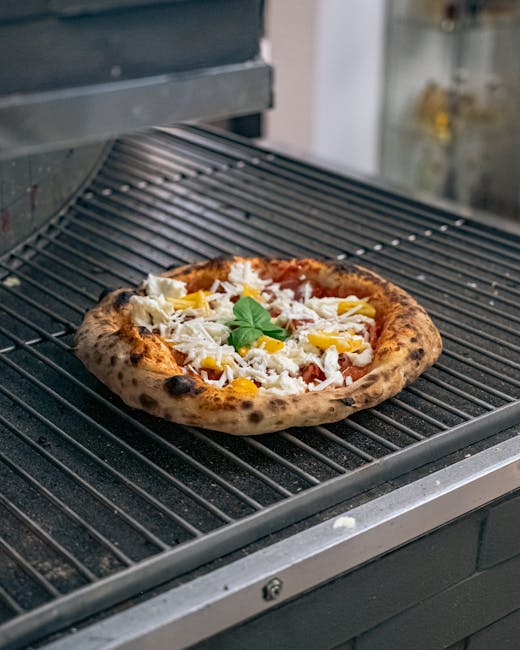
While cooking, observe the dough’s color and texture. A perfect crust should be a golden-brown hue with small leopard-like spots. This indicates the dough has cooked evenly and has developed the right flavor profile. The texture should be crisp yet pliable. If you find the dough too pale, try rotating the pizza in the oven for an even bake.
Adjusting For Different Toppings
Different toppings can affect your crust’s cooking time. Heavier toppings might require a slightly longer cook to ensure everything is heated through. Consider adjusting the dough’s thickness; a slightly thicker crust can help support weightier toppings. Experiment with timing and rotation to find what works best for your favorite combinations. Personalize your pizza by adjusting the crust to suit your topping preferences. What tricks have you discovered for achieving the ideal crust in your Ooni Pizza Oven? Share your insights and let’s perfect our pizza game together!
Troubleshooting Common Issues
Making pizza dough for your Ooni Pizza Oven can be fun. But sometimes, things go wrong. Sticky dough, overproofed dough, or underbaked crusts can be frustrating. Don’t worry, though. With a few adjustments, you can fix these problems. Let’s explore some common dough issues and how to solve them.
Dealing With Sticky Dough
Sticky dough often happens due to too much water. To fix it, add a little flour. Knead the dough gently. Add small amounts until the dough feels smooth. Sticky dough can also be a sign of under-kneading. Knead longer to develop gluten. This gives the dough structure.
Fixing Overproofed Dough
Overproofed dough rises too much. It becomes weak and airy. Gently punch the dough to release air. Shape it again and let it rest for 20 minutes. Keep the dough in a cool place next time. Watch it closely as it rises.
Addressing Underbaked Crusts
Underbaked crusts are often a result of low oven temperature. Ensure your Ooni Pizza Oven is hot enough. Preheat it for the recommended time. A thin crust can also bake unevenly. Roll the dough evenly. Thicker edges help cook it evenly.
Enhancing Dough Flavor
Creating the perfect pizza dough is an art, especially for the Ooni Pizza Oven. A crucial element of this art is enhancing the dough’s flavor. The secret lies in the ingredients. They can transform a basic dough into a culinary masterpiece. Let’s explore some ways to elevate your pizza dough.
Incorporating Herbs And Spices
Herbs add depth to pizza dough. Basil, oregano, and thyme are great choices. These herbs infuse the dough with aromatic flavors. You can also try garlic powder for a savory kick. Just a pinch can make a big difference. Mix them directly into the flour. This spreads the flavors evenly.
Experimenting With Different Flours
Flour affects dough texture and taste. Try whole wheat or spelt flour. Each offers a unique flavor profile. Whole wheat adds a nutty taste. Spelt offers a sweet, mild flavor. Mixing different flours can create interesting results. Aim for a balanced blend. This adds complexity without overpowering.
Adding Olive Oil Or Honey
Olive oil enriches dough texture. It makes it softer and easier to stretch. It also adds a subtle flavor. Honey, on the other hand, adds a touch of sweetness. This balances the savory toppings. Both enhance the dough’s overall flavor. Just a tablespoon can make a difference. Consider the toppings when choosing between them.
Frequently Asked Questions
What Is The Best Flour For Ooni Pizza Dough?
The best flour for Ooni pizza dough is Tipo “00” flour. This finely ground Italian flour creates a soft, chewy crust. It handles high heat well, making it perfect for the Ooni oven. It produces a light, airy dough that’s easy to stretch.
How Long Should Pizza Dough Rest?
Pizza dough should rest for at least 24 hours. This allows the gluten to develop and flavors to enhance. A longer fermentation time results in a tastier, more digestible crust. Be sure to cover and refrigerate the dough while it rests.
Can I Freeze Pizza Dough?
Yes, you can freeze pizza dough for later use. After the initial rise, divide and wrap the dough tightly in plastic. Store it in a freezer-safe bag for up to three months. Thaw in the refrigerator overnight before using.
How To Make Crispy Crust In Ooni?
To achieve a crispy crust, preheat your Ooni pizza oven thoroughly. Use a pizza stone and maintain a high temperature. Stretch the dough thinly and avoid overloading with toppings. A hot, even cooking surface ensures a perfectly crispy crust.
Conclusion
Creating the perfect pizza dough for your Ooni oven is simple. Use quality ingredients and follow the recipe closely. Your homemade pizza will impress friends and family. Enjoy the process and the delicious results. Remember to experiment with toppings and flavors.
The Ooni oven brings out the best in your dough. Share your pizza creations and enjoy every bite. With practice, your dough-making skills will improve. Your pizza nights will become unforgettable. Happy pizza making!








