Affiliate Disclosure: This post may contain affiliate links. If you purchase through links on our site, we may earn an affiliate commission at no extra cost to you.
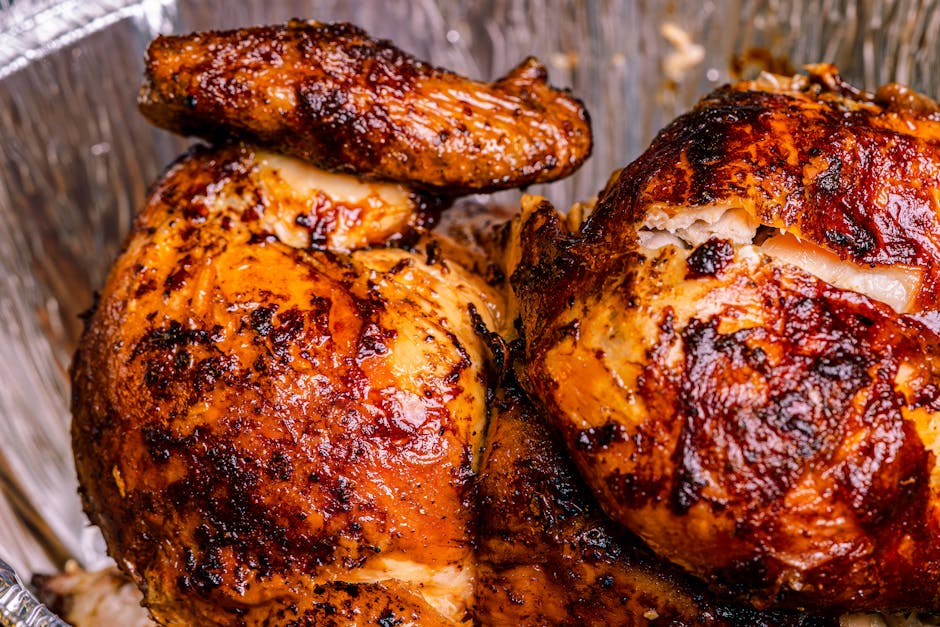
Imagine serving a meal that not only fills your home with an irresistible aroma but also brings smiles to everyone at your table. You can achieve this with the best recipe for oven-baked whole chicken.
This dish promises to be the star of your dinner, offering mouth-watering flavors and perfect tenderness. Why settle for less when you can easily create a masterpiece that looks like it came straight out of a gourmet magazine? You deserve to know the secrets that transform a simple chicken into a succulent feast.
With the right approach, every bite will be a burst of savory delight, leaving you and your guests longing for more. Curious about how to make this happen in your kitchen? Dive in to discover the ultimate recipe that will turn your regular dinner into a memorable experience. You won’t want to miss the tips and tricks that ensure your oven-baked whole chicken is cooked to perfection every time.
Choosing The Right Chicken
Selecting the right chicken ensures a juicy, flavorful dish. Opt for fresh, whole chicken with plump skin. This choice enhances the best recipe for oven-baked whole chicken, resulting in a delicious and satisfying meal.
Choosing the right chicken is the first step in making a mouth-watering oven-baked whole chicken. The chicken you select can make or break your dish. A high-quality chicken can elevate the flavors and provide a juicy, tender result. But how do you know which chicken to pick? Let’s break it down.
Understanding Chicken Labels
When you head to the grocery store, you’ll see various labels like “organic,” “free-range,” and “antibiotic-free.” Each label tells you something about how the chicken was raised. – Organic: Raised without synthetic pesticides and fertilizers. These chickens often have a more natural diet. – Free-range: These chickens have some access to the outdoors, which can affect their diet and quality. – Antibiotic-free: Raised without antibiotics, which is a plus for those concerned about antibiotic resistance. Taking a moment to understand these labels helps you make an informed choice.
Size Matters
Think about how many people you’re serving. A smaller chicken, around 3-4 pounds, is perfect for 2-4 people. A larger chicken, 5-6 pounds, can serve more guests. Smaller chickens usually cook faster and more evenly. If you’re planning a quick dinner, this might be your best bet.
Fresh Vs. Frozen
Fresh chickens are usually juicier and have a better texture. However, frozen chickens can be convenient and are often more affordable. If you opt for frozen, make sure to thaw it completely before cooking. This ensures even cooking and a deliciously crisp skin.
Personal Preferences
Consider your taste preferences. Some people prefer the taste of heritage breed chickens, which can be richer and more flavorful. Experimenting with different types of chickens can lead you to discover new flavors and textures. Have you found a favorite yet? Choosing the right chicken isn’t just about picking the first one you see. It’s about understanding what each option offers and how it will impact your meal. Next time you shop, take a moment to consider these factors. Your taste buds will thank you!
Essential Ingredients
Juicy and flavorful, oven-baked whole chicken requires garlic, rosemary, lemon, olive oil, salt, and pepper. These ingredients create a tender dish. Simple yet delicious, they enhance the natural taste of the chicken.
Cooking a whole chicken in the oven can transform your dinner from ordinary to extraordinary. The secret lies in using the right ingredients to enhance the flavor and juiciness of the bird. Whether you’re preparing a Sunday roast or a holiday feast, selecting the essential ingredients is the first step to culinary success.
Herbs And Spices
Fresh herbs like rosemary and thyme are key. They infuse the chicken with an earthy aroma. Garlic powder and paprika add a punch of flavor and a hint of spice. Consider using lemon zest for a citrusy kick that can elevate the taste. A sprinkle of salt and pepper is non-negotiable for seasoning. What’s your favorite herb to use?
Butter Or Olive Oil
Butter makes the skin crispy and golden. It also keeps the meat moist. If you prefer a healthier option, olive oil is excellent too. Both provide a rich base for the herbs and spices to adhere to. Ensure you coat the chicken evenly for the best results.
Vegetables For Roasting
Carrots, onions, and potatoes are classic choices. They soak up the chicken juices, making them incredibly tasty. Cut them into large chunks and scatter around the chicken. This creates a complete meal in one pan.
Broth Or Wine
Adding a cup of chicken broth to the roasting pan enhances the flavor. It also keeps the chicken juicy. White wine is a great alternative. It adds a subtle depth to the dish. What’s your choice for adding moisture?
Optional Extras
Consider stuffing the cavity with a lemon half or onion. This adds a burst of flavor from the inside out. Some people swear by adding a bay leaf or two. It’s a small step with a big impact on taste. Do these ingredients inspire you to try your hand at roasting a whole chicken?
Preparing The Chicken
Preparing the chicken involves seasoning it with herbs and spices for flavor. Ensure the oven is preheated to cook evenly. Bake until the chicken is golden brown and juices run clear.
Preparing a whole chicken for baking can be a delightful task. A well-prepared chicken leads to a delicious meal. It ensures the flavors penetrate deeply and the skin turns crispy. The preparation process is crucial to achieve the perfect baked chicken. Follow these steps for the best results.
Cleaning And Drying
Start by rinsing the chicken under cold water. This helps remove any residue. Pat the chicken dry with paper towels. Drying is important for crispy skin. Moisture on the skin leads to steaming, not roasting. Ensure the cavity is dry too. This step enhances the overall texture.
Seasoning Techniques
Seasoning is key for flavor. Rub olive oil over the chicken. This helps the seasonings stick. Use salt and pepper generously. Add herbs like rosemary or thyme for aroma. Consider garlic powder for extra taste. Lemon wedges inside the cavity add freshness. Let the chicken rest after seasoning. This allows flavors to absorb deeply.
Creating A Flavorful Marinade
A delightful marinade enhances the taste of oven-baked whole chicken. Mix lemon juice, garlic, olive oil, and herbs for a savory blend. Let the chicken soak to absorb these rich flavors, ensuring a juicy, tender meal.
Creating a flavorful marinade is key to a delicious oven baked whole chicken. A marinade infuses the chicken with moisture, enhancing its taste. It transforms a simple dish into a delightful meal. This section explores how to create a marinade that is both aromatic and savory.
Herbs And Spices
Fresh herbs make the best marinades. Use rosemary, thyme, and sage for earthy notes. Garlic adds depth to the flavor. Combine with paprika for a hint of smokiness. Black pepper gives a subtle kick. Experiment with combinations to suit your taste. Using fresh ingredients is essential for a vibrant marinade.
Marinade Duration
Timing affects the marinade’s effectiveness. Allow the chicken to soak for at least two hours. For deeper flavor, marinate overnight. This helps the herbs and spices penetrate the meat. Ensure the chicken is fully covered. Longer marinating leads to more succulent results. Be patient for the best taste.
Stuffing For Added Flavor
Stuffing boosts the flavor of oven-baked whole chicken, making each bite delightful. Fresh herbs, garlic, and lemon zest enhance the taste, creating a savory and aromatic dish. Perfect for family dinners, this recipe ensures a succulent and unforgettable meal.
Stuffing your oven-baked whole chicken adds a delightful layer of flavor. It transforms a simple dish into a feast of aromas and tastes. Different stuffing options can elevate your chicken to new heights. Whether you choose vegetables or herbs, or explore alternatives, each choice enhances your culinary creation.
Vegetables And Herbs
Vegetables bring color and texture to your stuffing. Carrots, onions, and celery are classic choices. They infuse the chicken with a sweet and savory profile. Chop them finely for even cooking and flavor distribution. Herbs are essential for aromatic stuffing. Rosemary and thyme offer robust flavors. Sage adds earthiness and depth to the dish. Fresh herbs impart a vibrant taste, while dried ones provide concentrated flavor. Mix herbs with vegetables for a balanced stuffing.
Alternative Stuffing Options
Bread stuffing is a traditional favorite. It absorbs juices from the chicken, becoming moist and flavorful. Use stale bread for the best texture. Add seasonings like garlic powder or pepper for extra taste. Fruit can surprise your taste buds. Apples add sweetness and moisture. Cranberries introduce a tart element. Combine fruit with nuts for a delightful crunch. This stuffing provides a unique twist on classic flavors. Rice stuffing is hearty and satisfying. Use wild rice for an earthy taste. Add mushrooms for an umami punch. Season with parsley or basil for freshness. Rice stuffing complements the chicken’s natural flavors beautifully.
Oven Baking Techniques
Baking a whole chicken in the oven demands precise techniques. Each step impacts the final taste and texture. The right techniques ensure juicy meat and crispy skin. Let’s explore essential methods for perfect oven-baked chicken.
Temperature Settings
The oven temperature affects how the chicken cooks. A common setting is 375°F (190°C). This temperature balances cooking the chicken thoroughly without burning the skin. Some prefer a higher setting of 425°F (220°C) for extra crispiness. Preheating the oven ensures even cooking from start to finish.
Cooking Time
Cooking time varies based on chicken size. A 5-pound chicken needs about 90 minutes. Always check for doneness with a meat thermometer. The internal temperature should reach 165°F (74°C). Let the chicken rest after cooking. This step allows juices to redistribute, enhancing flavor.
Basting For Juiciness
Basting creates a juicy, flavorful whole chicken baked in the oven. It helps keep the meat tender and moist. Regularly spooning its juices over the chicken enhances taste and texture.
Basting is a key technique for a juicy, oven-baked whole chicken. This simple process ensures the chicken stays moist and flavorful throughout cooking. Regularly brushing the chicken with its juices or a flavorful liquid enhances taste. Let’s explore the best practices for basting.
Frequency Of Basting
Baste the chicken every 20 to 30 minutes. This keeps the meat moist. Frequent basting helps distribute flavors evenly. It also prevents the skin from drying out. Set a timer to remind yourself. Consistency makes a difference.
Basting Liquids
Choose flavorful basting liquids. Chicken stock is a great option. Melted butter adds richness. Herbs and spices can enhance taste. Lemon juice offers a zesty kick. Combine these for a unique blend. Experiment to find your favorite mix.
Checking For Doneness
Ensure the chicken is fully cooked by checking its internal temperature. A meat thermometer should read 165°F. Juices should run clear when pierced.
Cooking a whole chicken in the oven can be a delightful experience, but ensuring it’s cooked perfectly requires attention to detail. You wouldn’t want to serve undercooked chicken or dry, overdone meat. So, how do you check for doneness? It’s all about understanding the right cues.
Temperature Check
One of the most reliable ways to confirm your chicken is fully cooked is by checking its internal temperature. Use a meat thermometer for precision. Insert the thermometer into the thickest part of the chicken, usually the thigh, without touching the bone. Aim for a temperature of 165°F (74°C). This ensures the chicken is safe to eat and juicy. Ever tried cooking without a thermometer? It can feel like a guessing game. Having one on hand transforms your cooking into a science, giving you confidence in every dish you serve.
Visual Indicators
While temperature is crucial, visual signs can also guide you. Check the juices running from the chicken. Clear juices indicate doneness, whereas pinkish juices suggest more cooking is needed. Observe the color of the meat. The chicken should have a lovely white color throughout. If you notice any pink areas, especially near the bones, it’s best to return the chicken to the oven for a few more minutes. Ever experienced the anticipation of cutting into a beautifully roasted chicken? That first slice reveals the truth. A perfectly baked chicken looks inviting and smells irresistible. What do your senses tell you when you cut into a chicken? By mastering these techniques, you ensure every chicken you bake is a triumph. Cooking is about paying attention to details and enjoying the process. How do you check for doneness in your kitchen?
Resting The Chicken
Letting the chicken rest after baking ensures juicy and tender meat. This step is key for oven-baked whole chicken recipes. Allowing it to sit for 10 minutes lets the juices redistribute evenly.
Resting the chicken might seem like a small step, but it’s a game-changer for your oven-baked whole chicken recipe. Many people rush to carve their chicken immediately after pulling it out of the oven. But, do you know the secret to juicy, flavorful meat lies in patience? Resting allows the juices to redistribute throughout the chicken, making every bite succulent and delicious.
Importance Of Resting
Imagine slicing into a fresh-out-of-the-oven chicken, only to watch all those precious juices spill onto the cutting board. It’s heartbreaking, right? Resting the chicken prevents this tragedy. When you let the chicken rest, the juices that moved to the surface during cooking flow back to the center. This ensures that each slice is moist and packed with flavor. It’s like giving your chicken a well-deserved break after its time in the oven, helping it reach its full potential. So, next time you’re tempted to skip this step, remember the disappointment of dry meat and opt for a juicy reward instead.
Optimal Resting Time
So, how long should you let your chicken rest? Timing is crucial here. A general rule is to let it rest for about 20 minutes. During this period, the chicken cools slightly, making it easier to carve without losing any juices. If you’re in a hurry, even a 15-minute rest can make a difference. However, the longer resting period allows flavors to enhance further, ensuring every bite is memorable. Have you ever tried resting your chicken longer? Share your experience in the comments! Resting is not just a chef’s fancy technique; it’s a practical step for home cooks like you. Every time you prepare oven-baked whole chicken, remember that patience can transform a good meal into an exceptional one.
Serving Suggestions
Serve oven-baked whole chicken with roasted vegetables or a fresh green salad. Enhance flavors with a side of garlic bread. Add a squeeze of lemon for a zesty finish.
Serving a whole oven-baked chicken can be a delightful experience. It not only fills your home with an enticing aroma but also leaves your guests impressed with the meal. But the question is, how do you elevate the experience from delightful to unforgettable? Let’s dive into some serving suggestions that will make your dish the star of the table.
Pairing With Side Dishes
Choosing the right side dishes can significantly enhance your oven-baked chicken. A classic choice is roasted vegetables, such as carrots and potatoes. They soak up the chicken juices and add a burst of flavor. If you want something lighter, consider a fresh green salad. Toss in some cherry tomatoes, cucumbers, and a simple vinaigrette. The crispness of the salad balances the richness of the chicken beautifully. Another great option is a creamy mashed potato. Its smooth texture and buttery flavor complement the tender chicken perfectly. Which side dish will you choose to create a memorable meal?
Presentation Tips
Presentation matters as much as taste. Start by placing your chicken on a large platter. Surround it with your chosen side dishes for a vibrant and inviting look. Carve the chicken at the table for a touch of drama and interaction. It adds excitement and gives you a chance to showcase your culinary skills. Use fresh herbs like rosemary or thyme as garnishes. They add a pop of color and an enticing aroma. Remember, a well-presented meal is always more appetizing. How will you make your dish stand out visually? Serving your oven-baked chicken with thoughtful sides and a keen eye for presentation will leave a lasting impression.
Frequently Asked Questions
How Long Does It Take To Fully Cook A Whole Chicken In The Oven?
Cook a whole chicken in the oven at 375°F (190°C) for 1. 5 to 2 hours. Ensure the internal temperature reaches 165°F (74°C) for safe consumption. Cooking time may vary with chicken size. Always use a meat thermometer for accuracy.
Should Baked Chicken Be Covered Or Uncovered In The Oven?
Bake chicken uncovered for crispy skin. Cover it to retain moisture and prevent drying. Adjust based on desired texture.
Is It Better To Bake A Whole Chicken At 350 Or 400?
Bake a whole chicken at 400°F for crispy skin and juicy meat. Baking at 350°F results in tender, evenly cooked chicken. Choose 400°F for quicker cooking and crispiness, or 350°F for a more traditional, slower roast. Always ensure the internal temperature reaches 165°F for safety.
How To Cook The Perfect Whole Chicken?
Preheat the oven to 375°F (190°C). Season the chicken with salt, pepper, and herbs. Place it in a roasting pan. Roast for about 1. 5 hours, basting occasionally. Ensure the internal temperature reaches 165°F (74°C). Let it rest for 15 minutes before carving.
Enjoy your perfectly cooked chicken!
Conclusion
Baking a whole chicken in the oven is simple and tasty. This recipe offers juicy meat with crispy skin. Perfect for family dinners or special occasions. Just follow the steps and enjoy a delicious meal. Your kitchen will smell amazing as the chicken cooks.
Serve with your favorite sides. The flavors will impress everyone. Remember, practice makes perfect. Try this recipe and build your cooking skills. Your loved ones will appreciate the effort and flavor. Enjoy every bite!








