Affiliate Disclosure: This post may contain affiliate links. If you purchase through links on our site, we may earn an affiliate commission at no extra cost to you.
Are you ready to impress your family and friends with a mouthwatering prime rib cooked to perfection in your very own kitchen? The quest for the best recipe for prime rib in the oven ends here.
Imagine the aroma of seasoned beef wafting through your home, and the sight of a perfectly cooked, juicy roast waiting to be served. This isn’t just another dinner—it’s a culinary experience that will leave your guests raving and your taste buds rejoicing.
Dive into this foolproof recipe that promises a tender, flavorful prime rib every time. Don’t miss out on discovering the secrets to achieving that perfect crust and succulent interior. Keep reading, and get ready to transform your next meal into a memorable feast.
Choosing The Right Cut
Choosing the right cut is crucial for a perfect prime rib dish. This step determines the meat’s flavor and tenderness. A good cut will make your prime rib juicy and delicious.
Understanding Prime Rib Terminology
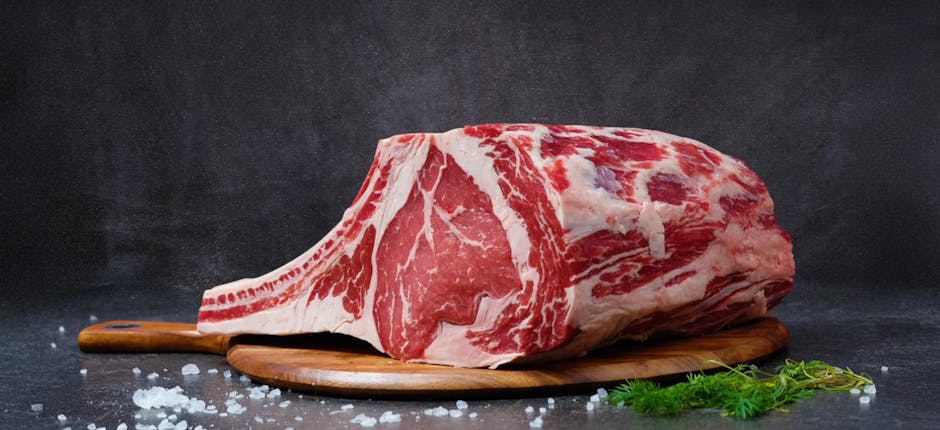
Prime rib is also known as a standing rib roast. It comes from the primal rib section of the cow. This cut consists of the six through twelve ribs. The ribeye steak is a section of the prime rib.
Bone-in Vs. Boneless
Bone-in cuts offer more flavor. The bones insulate the meat as it cooks, keeping it juicy. Boneless cuts are easier to carve and serve. The choice depends on your preference.
Prime, Choice, And Select Grades
USDA grades beef as Prime, Choice, or Select. Prime grade has the most marbling, offering rich taste. Choice is slightly less marbled but still flavorful. Select has the least marbling.
Size And Weight Considerations
Consider how many people you are serving. A two-pound rib serves two people. A larger roast works for a family gathering. Ensure your oven can accommodate the roast’s size.
Freshness And Quality
Freshness impacts taste and texture. Buy from a trusted butcher or market. Look for bright red meat with creamy white fat. Avoid cuts with brown edges or an unpleasant smell.
Preparing The Prime Rib
Preparing the prime rib is crucial for a delicious outcome. Proper preparation ensures that the meat is juicy, tender, and full of flavor. This involves a few key steps that set the stage for a perfect roast. From trimming excess fat to seasoning, every step matters.
Trimming Excess Fat
Start by removing excess fat from the prime rib. A sharp knife works best for this task. Trim the fat but leave a thin layer. This keeps the meat moist during cooking. Be careful not to cut too deep. You want to preserve the natural juices.
Seasoning Techniques
Seasoning the prime rib is where the magic happens. Use salt, pepper, and your favorite herbs. Rub the mixture generously over the meat. For deeper flavor, let it sit overnight in the fridge. Garlic and rosemary add a nice aroma. The right seasoning makes the difference.
Understanding Cooking Temperatures
Cooking a prime rib in the oven requires precision. Understanding cooking temperatures is crucial. This knowledge ensures your prime rib is tender and delicious. Different temperatures suit different preferences. Whether rare or well done, each temperature affects taste and texture.
Rare To Well Done
Prime rib can be cooked from rare to well done. Rare prime rib is juicy and pink inside. It cooks at a lower temperature. For medium, aim for a warm pink center. Well-done prime rib is fully browned. It requires a higher temperature. Each level has its unique charm. Choose the one that suits your taste.
Using A Meat Thermometer
A meat thermometer is essential for cooking prime rib. It ensures the meat reaches the right temperature. Insert the thermometer in the thickest part. Avoid bones and fat for an accurate reading. This tool prevents overcooking or undercooking. It makes sure your prime rib is perfect every time.
Oven Cooking Method
Cooking prime rib in the oven is a classic method. This technique ensures the meat is juicy and flavorful. The oven method allows for precise control over cooking time. It’s ideal for creating a delicious crust while maintaining tender meat inside.
Preheating The Oven
Begin by preheating the oven to 450°F. This high temperature is crucial for searing the prime rib. It helps lock in the juices. Let the oven reach the desired temperature before placing the meat inside. This step ensures even cooking.
Roasting Process
Once the oven is hot, place the prime rib on a roasting pan. Fat side up. This position allows the fat to melt and baste the meat. Roast at 450°F for 20 minutes. Then reduce the temperature to 325°F. Continue cooking until desired doneness. Use a meat thermometer for accuracy. Aim for 130°F for medium-rare. Let the rib rest for 15 minutes after removing it. This resting period is essential for juicy results.
Resting And Carving
Preparing a prime rib in the oven requires patience and precision. Two crucial steps are resting and carving. Resting allows the meat to retain its juices. Carving ensures each slice is perfect for serving.
Importance Of Resting
Resting the prime rib is essential. It helps the juices redistribute. Cutting too soon makes the meat dry. Allow it to sit for at least 15 minutes. This waiting period enhances flavor. It makes the meat juicy and tender.
Cover the prime rib loosely with foil. This traps the heat inside. The resting process finishes the cooking. It also makes carving easier. Skipping this step can affect taste.
How To Carve Prime Rib
Carving requires a sharp knife. Use a chef’s knife for best results. Start by removing the bones. Slice between the bones and meat carefully. Place the rib on a stable surface.
Cut thin slices across the grain. This makes the meat tenderer. Aim for even slices. Serve each portion with the juices. A beautiful presentation enhances the dining experience.
Arrange slices on a warm platter. Garnish with fresh herbs for color. Enjoy your prime rib with family and friends.
Serving Suggestions
For a delightful prime rib in the oven, accompany it with roasted vegetables or garlic mashed potatoes. Serve with a rich au jus or horseradish sauce for added flavor. Pair with a robust red wine to enhance the dining experience.
When you’ve perfected the art of cooking prime rib in the oven, the next step is to elevate your dining experience with thoughtful serving suggestions. Presentation and pairing can transform your meal from great to unforgettable. Let’s delve into some ideas that will complement your prime rib and delight your taste buds.
Accompaniments
Choosing the right side dishes can enhance the rich flavors of your prime rib. A classic choice would be creamy mashed potatoes, which offer a smooth texture that contrasts beautifully with the robust meat. Alternatively, consider roasted vegetables like carrots and Brussels sprouts for a healthy and colorful addition. If you’re looking for something unique, try a fresh arugula salad with shaved Parmesan and a hint of lemon. The peppery greens and citrus notes will cleanse your palate and prepare you for the next delicious bite. Remember, balance is key—choose sides that won’t overshadow the star of the meal.
Wine Pairings
A well-chosen wine can elevate your prime rib dinner to new heights. A full-bodied red wine like Cabernet Sauvignon is often a preferred choice, its tannins complementing the richness of the meat. If you’re feeling adventurous, try a Syrah, known for its spicy undertones that can add an interesting dimension to your meal. Don’t forget to consider your personal preferences and those of your guests. A Pinot Noir, with its softer profile, might appeal to those who favor a lighter red. What’s your go-to wine for a special dinner? Exploring different pairings can be a delightful journey in itself. Whether you’re hosting a grand dinner party or enjoying a cozy meal at home, these serving suggestions can help you craft a memorable dining experience. By thoughtfully pairing your prime rib with the right accompaniments and wine, you ensure every bite is savored and celebrated.
Tips For Perfect Juiciness
Achieving perfect juiciness in oven-baked prime rib involves selecting the right cut and seasoning it well. Ensure even cooking by preheating the oven and using a meat thermometer. Rest the meat before slicing to retain flavorful juices.
Achieving the perfect juiciness in your prime rib can transform your meal from ordinary to extraordinary. Whether you’re a seasoned chef or a home cook trying this dish for the first time, understanding the nuances of keeping your prime rib moist and flavorful is crucial. Let’s dive into some practical tips to ensure your prime rib is the star of your dinner table.
Avoiding Common Mistakes
Cooking prime rib can be intimidating, but avoiding common mistakes can make all the difference. One frequent error is roasting at too high a temperature. High heat can lead to a dry, tough exterior, so aim for a low and slow approach—325°F is often ideal. Another pitfall is over-seasoning. While it’s tempting to go heavy on the spices, too much can overpower the meat’s natural flavors. A simple mix of salt, pepper, and garlic is usually enough. Are you guilty of carving too soon? Letting the meat rest for about 20 minutes after cooking allows the juices to redistribute, making each slice more succulent.
Maintaining Moisture
Keeping your prime rib moist is all about technique. Start by ensuring the meat is at room temperature before it goes into the oven. This helps it cook evenly. Consider using a roasting rack. It elevates the meat, allowing heat to circulate and cook it uniformly without drying out the bottom. A digital meat thermometer is your best friend here. Aim for an internal temperature of 130°F for medium-rare. This ensures the center stays pink and juicy, while the outer layers develop a savory crust. Do you brush your prime rib with butter or oil? This simple step adds moisture and enhances flavor, creating a beautiful, golden-brown exterior. Remember, achieving perfect juiciness is about attention to detail and understanding your meat. Have you tried these tips? What works best for you? Share your experiences in the comments below.
Frequently Asked Questions
How Long Should You Cook Prime Rib In The Oven?
Cook prime rib at 325°F. For medium rare, allow 15-20 minutes per pound. Use a meat thermometer to ensure perfect doneness. Let it rest for 15 minutes before carving to retain juices. Adjust time for desired doneness level.
What Is The Most Important Thing To Do Before Roasting A Prime Rib Roast?
Let the prime rib roast reach room temperature before cooking. This ensures even cooking and better flavor. Season generously with salt, pepper, and herbs. Preheat the oven to the correct temperature. Use a meat thermometer to monitor doneness. Rest the roast before slicing for juicy results.
Should You Bake Prime Rib Covered Or Uncovered?
Bake prime rib uncovered for a delicious, crusty exterior. Covering can trap steam, making it less crispy. Let it rest before slicing for optimal flavor and juiciness. This method enhances the roast’s rich flavors and tender texture, pleasing any palate.
What Is The 500 Rule For Prime Rib Roast?
The 500 rule involves roasting prime rib at 500°F for 5 minutes per pound. Then, turn off the oven and let it sit unopened for 2 hours. This method ensures a juicy and perfectly cooked roast.
Conclusion
Cooking prime rib in the oven is simple and rewarding. With this recipe, you achieve tender, flavorful meat. Perfect for family gatherings or special dinners. Follow the steps closely for best results. Remember, patience is key. Let the meat rest before carving.
This ensures juicy slices every time. Impress your guests with minimal effort. A delicious prime rib is within reach. Enjoy the compliments and the delightful taste. Your next dinner is bound for success. Try it today and savor every bite.
Happy cooking!








