Affiliate Disclosure: This post may contain affiliate links. If you purchase through links on our site, we may earn an affiliate commission at no extra cost to you.
Do you ever find yourself craving a delicious, healthy side dish that’s bursting with flavor and so easy to make? Imagine the aroma of perfectly roasted vegetables wafting through your kitchen, making your mouth water with anticipation.
If you’re looking for a simple yet delectable way to enjoy your favorite veggies, you’re in the right place. This guide reveals the best recipe for roasted vegetables in the oven, designed to bring out their natural sweetness and earthy flavors.
Whether you’re a seasoned chef or a beginner, this recipe is your ticket to transforming ordinary vegetables into a culinary masterpiece. Stick around, because by the end of this article, you’ll not only have discovered a new favorite dish but also mastered the art of roasting vegetables to perfection.
Choosing The Right Vegetables
Choosing the right vegetables is key for delicious roasted veggies. The right mix enhances flavor, texture, and aroma. It also ensures a delightful, colorful dish that pleases the eyes and the palate.
Seasonal Selections
Fresh vegetables taste better and roast beautifully. Opt for seasonal produce. In spring, try asparagus and carrots. Summer offers zucchini and bell peppers. Fall brings squash and sweet potatoes. Winter features brussels sprouts and parsnips.
Balancing Flavors
Mix mild and bold flavors. Sweet potatoes pair well with earthy mushrooms. Combine crunchy bell peppers with soft zucchini. Add a touch of garlic or onion for depth.
Colorful Variety
Colorful veggies make the dish inviting. Red bell peppers, orange carrots, and green beans create a vibrant mix. Purple eggplant adds a unique hue. Mix different colors for a feast for the eyes.
Preparation Techniques
Discover the best way to roast vegetables in the oven. Toss chopped vegetables with olive oil, salt, and pepper. Roast them until golden brown and tender, enhancing their natural flavors effortlessly.
Preparing roasted vegetables in the oven requires attention to detail. Proper preparation ensures the best flavor and texture. Let’s dive into the key preparation techniques. These steps will guide you to perfect roasted vegetables every time.
Washing And Peeling
Start with washing your vegetables thoroughly under cold water. This removes dirt and pesticides. Use a vegetable brush for root vegetables like potatoes and carrots. Peeling depends on personal preference and the vegetable type. For example, carrots often benefit from peeling. For others, like potatoes, leaving the skin on adds texture. Always dry vegetables after washing to prevent sogginess during roasting.
Cutting And Chopping
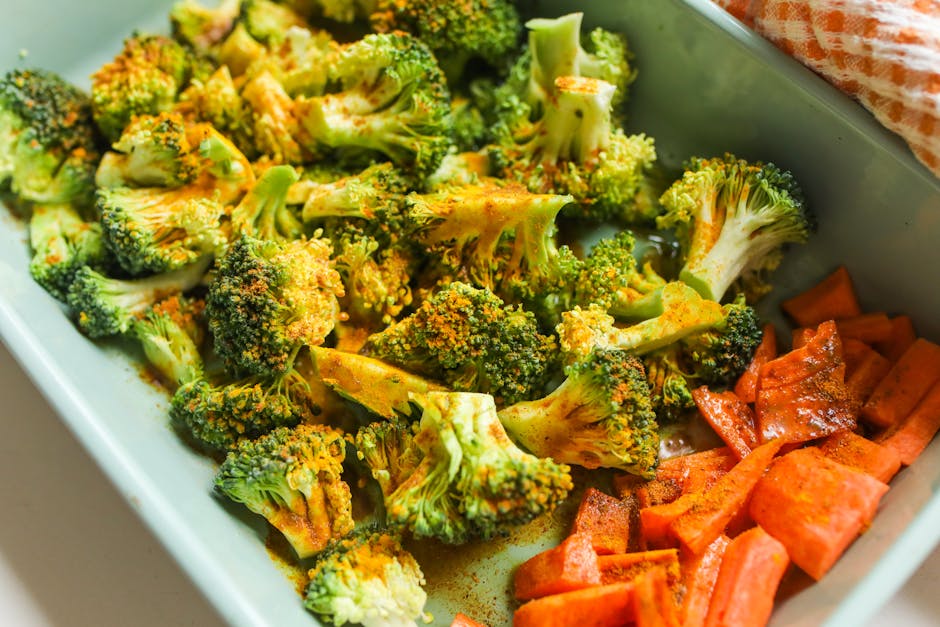
Choose a sharp knife for precise cuts. It ensures clean edges and reduces bruising. Depending on the vegetable, the cut style can vary. Carrots and potatoes work well in wedges or rounds. Broccoli and cauliflower can be cut into florets. Always aim for similar shapes for even cooking.
Uniform Sizing For Even Cooking
Uniform sizing is crucial for consistent cooking. Vegetables of the same size cook at the same rate. If pieces vary, some may overcook while others remain raw. Use a ruler if necessary to ensure uniformity. This practice leads to evenly cooked and delicious roasted vegetables.
Seasoning And Flavoring
Seasoning and flavoring are the heart and soul of any roasted vegetable dish. They can transform a bland assortment of veggies into a symphony of taste that bursts with every bite. Whether you’re a seasoned chef or a kitchen novice, the right combination of spices, oils, and citrus can elevate your culinary creations to new heights.
Basic Spices And Herbs
Let’s start with the basics. Salt and pepper are essential, but have you tried adding garlic powder or onion powder? These spices bring depth and richness to your veggies.
Fresh herbs like thyme, rosemary, and oregano are perfect for adding a fragrant touch. Chop them finely and sprinkle them generously over your vegetables before roasting.
Experiment with dried herbs such as basil or dill if fresh ones aren’t available. They can still provide a delightful punch of flavor. Which spice combination is your favorite?
Enhancing With Oils
Oils aren’t just for preventing your veggies from sticking. They also play a crucial role in flavor enhancement. Olive oil is a classic choice, offering a smooth, slightly peppery taste.
Consider using avocado oil for a buttery undertone or coconut oil for a hint of sweetness. Each oil has its unique character that can complement different vegetable assortments.
Ever tried sesame oil for an Asian twist? A small drizzle can make a big difference. Which oil do you think pairs best with your favorite veggies?
Adding Zest With Citrus
Citrus can add a refreshing twist to your roasted vegetables. Lemon zest or lime juice can brighten up the flavors and balance the richness of the oils.
Orange zest can add a sweet tangy note that surprises and delights. It’s an unexpected addition that can turn a simple dish into something extraordinary.
Why not try grapefruit zest for a bold, bitter edge? It’s a daring choice that might become your new favorite. How adventurous are you willing to get with your citrus choices?
Seasoning and flavoring your roasted vegetables doesn’t have to be complicated. With these insights, you can create dishes that not only taste great but are uniquely yours. The right combination of spices, oils, and citrus can make your vegetables the star of the meal.
Optimal Oven Settings
Roasting vegetables in the oven can transform simple ingredients into a flavorful delight. The secret lies in setting the oven just right. Proper oven settings ensure veggies turn out crispy outside and tender inside. This section will guide you through the best oven settings for roasting vegetables to perfection.
Temperature Guidelines
Set the oven temperature to 400°F (200°C). This heat crisps the exterior of vegetables while maintaining their moisture. Lower temperatures might leave them soggy. Higher temperatures can burn them. So, 400°F is ideal.
Rack Positioning
Place the baking sheet on the middle rack. This ensures even heat distribution. If the sheet is too high, veggies may scorch. Too low, and they might not crisp properly. The middle rack is a safe bet for balanced cooking.
Preheating Essentials
Preheat the oven for at least 10 minutes before adding vegetables. This step guarantees consistent cooking from start to finish. A cold oven won’t provide the needed initial heat. Start with a hot oven for crispy results.
Roasting Time And Techniques
Roasting vegetables in the oven transforms them into a delicious meal. The right timing and technique are crucial for perfect results. Understanding these elements can make a big difference in flavor and texture. Different vegetables require different cooking times. Knowing when to stir and how to test doneness is essential. This guide will help you achieve crispy, caramelized veggies every time.
Determining Cooking Time
Cooking time depends on the type of vegetable. Root vegetables like potatoes and carrots need longer roasting. Softer vegetables like zucchini and bell peppers cook faster. Cut vegetables into uniform pieces for even cooking. Generally, most vegetables roast well at 400°F for 20-45 minutes. Adjust the timing based on the size and type of the vegetable.
Stirring And Turning
Stir vegetables halfway through cooking. This ensures they cook evenly. Turning helps in achieving a uniform golden brown color. Use a spatula to gently flip them. This prevents sticking and helps in caramelization. Stirring also distributes heat evenly across all pieces. It enhances flavor and texture.
Testing For Doneness
Use a fork or knife to test doneness. Insert it into the thickest part of the vegetable. It should slide through easily if done. Check for a golden, caramelized surface. Taste a piece to ensure it’s cooked to your liking. Adjust cooking time if needed. Experience will guide you in perfecting this technique.
Serving Suggestions
Enhance the taste of roasted vegetables with a sprinkle of herbs and a dash of lemon juice. Pair them with grilled chicken or quinoa for a balanced meal. Serve warm as a colorful side dish or enjoy cold in a refreshing salad.
Roasted vegetables in the oven can transform any meal from ordinary to extraordinary. They bring out the natural sweetness and flavors of the veggies, making them a versatile side dish that can complement a variety of main courses. But how can you make the most of these roasted delights? Let’s delve into some serving suggestions that will make your meals even more enticing.
Pairing With Main Dishes
Choosing the right main dish to go with your roasted vegetables can elevate your dining experience. Consider pairing them with grilled chicken or fish for a healthy and balanced meal. The smoky flavors from the grill complement the caramelized sweetness of the vegetables perfectly. If you prefer a vegetarian option, serve the roasted vegetables alongside a hearty grain like quinoa or couscous. The grains will soak up the rich flavors of the veggies, creating a satisfying meal. For a more indulgent pairing, roasted vegetables can be served with a juicy steak or a rich pasta dish. The veggies add a burst of color and a fresh contrast to these heavier mains.
Garnishing Ideas
A simple garnish can add an exciting twist to your roasted vegetables. Fresh herbs like parsley or cilantro not only add color but also a burst of freshness. Sprinkle them just before serving for maximum flavor impact. Consider adding a sprinkle of feta cheese or a handful of toasted nuts for added texture and richness. These can turn a simple side dish into a standout part of your meal. A drizzle of balsamic glaze or a squeeze of lemon juice can enhance the flavors of the roasted vegetables. These garnishes add a tangy element that balances the sweetness of the roasted veggies.
Presentation Tips
How you present your roasted vegetables can make a big difference in how they’re received. Arrange the vegetables in a colorful pattern on a large platter. This not only looks inviting but also makes it easy for guests to serve themselves. Use a variety of vegetables to create a rainbow effect. The vibrant colors will catch the eye and make the dish more appealing. For a more elegant presentation, serve the vegetables in individual ramekins or small bowls. This adds a touch of sophistication and makes each serving feel special. Have you ever noticed how the way food looks can change your perception of taste? Use these presentation tips to make your roasted vegetables irresistible and watch as they disappear off the table!
Storing And Reheating
Roasted vegetables are a tasty and healthy dish. Sometimes you have leftovers. Knowing how to store and reheat them is important. This keeps their flavor and texture intact.
Storage Solutions
Use an airtight container to store roasted vegetables. This prevents moisture loss. Place the container in the fridge to keep them fresh. Roasted vegetables can last up to four days when stored properly.
If you want them to last longer, freeze them. Use a freezer-safe bag. Squeeze out excess air before sealing. This will keep them fresh for up to two months.
Maintaining Flavor
Roasted vegetables can lose flavor over time. Use olive oil or butter when reheating. This helps to enhance their taste. A dash of salt and pepper can also restore their original flavor. Always taste before adding more seasoning.
Reheating Methods
Reheat roasted vegetables in the oven for the best results. Preheat the oven to 350°F (175°C). Place vegetables on a baking sheet. Heat them for 10-15 minutes.
Microwaving is a faster option. Place vegetables in a microwave-safe dish. Cover with a lid or microwave-safe wrap. Heat on high for two minutes. Check and stir halfway through.
The stovetop is another option. Use a non-stick pan over medium heat. Add a little oil. Stir occasionally to heat evenly.
Frequently Asked Questions
What Is The Secret To Roasting Vegetables?
The secret to roasting vegetables is high heat. Cut them evenly, toss with oil and seasonings, and spread in a single layer. Roast until golden brown, flipping halfway for even cooking. This method enhances flavor, making them crisp outside and tender inside.
Enjoy delicious, perfectly roasted vegetables every time!
What Is The Single Ingredient You Need For The Crispiest Roasted Vegetables?
The secret to the crispiest roasted vegetables is using cornstarch. It absorbs moisture and creates a crunchy texture. Toss vegetables lightly in cornstarch before roasting for best results. This simple step enhances texture and flavor, delivering perfectly crispy vegetables every time.
How To Make Perfect Oven Roasted Vegetables?
Cut vegetables evenly for uniform roasting. Preheat oven to 425°F. Toss veggies with olive oil, salt, and pepper. Spread them on a baking sheet in a single layer. Roast for 20-30 minutes until tender and caramelized. Stir halfway for even cooking.
Enjoy your flavorful, perfectly roasted vegetables!
What Is The Best Temperature To Roast Vegetables At?
Roast vegetables at 400°F (200°C) for the best caramelization and flavor. This temperature enhances their natural sweetness and crispiness. Ensure even cooking by cutting vegetables into uniform pieces. Toss them in olive oil, salt, and pepper before roasting for optimal taste.
Conclusion
Roasting vegetables can transform your meals. The oven brings out deep flavors. It’s simple and satisfying. Just chop, season, and bake. Perfect for any occasion. Experiment with your favorite spices. Try different vegetable combinations. You’ll find your favorite mix. Roasted vegetables pair with any dish.
Healthy and delicious. They fit every diet and taste. Share your creations with friends. Enjoy the vibrant colors and tastes. Cooking has never been so rewarding. With this recipe, every meal feels special. Keep exploring new ways to roast. Your kitchen is a place of endless possibilities.
Happy cooking!








