Affiliate Disclosure: This post may contain affiliate links. If you purchase through links on our site, we may earn an affiliate commission at no extra cost to you.
Are you tired of soggy or burnt pizza crusts? Struggling to find that perfect balance between a crispy base and a gooey, melted cheese topping?
You’re not alone. Achieving pizza perfection at home is a common quest for many enthusiasts like yourself. But here’s the secret: it all starts with the right oven temperature. Get this right, and you’re already halfway to becoming a home pizza maestro.
We’ll uncover the best temperature for cooking pizza in your oven, ensuring every bite is as delightful as the last. Stay with us, and unlock the door to consistently delicious homemade pizzas.
Ideal Oven Temperature
Cooking pizza at the right temperature is crucial. It ensures a crispy crust and delicious toppings. The ideal oven temperature varies based on the type of pizza you want to make. Understanding these differences can elevate your pizza-making skills.
Understanding Different Pizza Styles
Each pizza style requires a unique temperature. For instance, Neapolitan pizzas need high heat. New York-style pizzas require moderate heat. Knowing these differences helps in achieving the best results.
Neapolitan Pizza Temperature
Neapolitan pizzas cook best at 900°F. This high heat creates a soft, chewy crust. If your oven can’t reach this, aim for the highest setting.
New York-style Pizza Temperature
New York-style pizzas do well at 500°F to 550°F. This temperature ensures a thin, crisp base. It also allows the cheese to melt perfectly.
Thick Crust Pizza Temperature
Thick crust pizzas need a lower temperature. A range of 375°F to 425°F works best. This allows the crust to cook thoroughly without burning the toppings.
Using A Pizza Stone
A pizza stone helps distribute heat evenly. Preheat the stone for about 30 minutes. This ensures your pizza cooks evenly and quickly.
Monitoring Oven Temperature
Oven temperatures can vary. Use an oven thermometer for accuracy. This tool helps you maintain the desired temperature throughout cooking.
Tips For Perfect Pizza
Avoid opening the oven door frequently. It causes heat loss and affects cooking time. Rotate the pizza halfway for even cooking.
Achieving Perfect Crust
Achieving the perfect crust on your homemade pizza is a delightful challenge that can elevate your pizza game to new heights. Whether you’re a fan of a crispy thin crust or a chewy thick one, the oven temperature plays a crucial role in achieving the desired texture. Let’s dive into the secrets of cooking the perfect pizza crust.
Crispy Thin Crust
If you’re aiming for a crispy thin crust that snaps when you bite into it, set your oven to a high temperature, around 475°F (245°C). The key is quick cooking, allowing the dough to crisp up without drying out. A pizza stone can be your best friend here, absorbing heat and distributing it evenly, mimicking a traditional pizza oven.
Have you ever wondered why pizzeria pizzas have such a delightful crunch? It’s the combination of high heat and direct contact with a hot surface. Try sliding your pizza directly onto a preheated stone or steel. This technique can give your homemade pizzas that restaurant-quality crisp.
Chewy Thick Crust
For those who prefer a chewy thick crust, a lower oven temperature around 400°F (205°C) is ideal. This allows the dough to cook through evenly, giving it time to rise and develop that coveted chewiness. A longer cooking time at a lower temperature ensures the crust stays soft on the inside.
Imagine biting into a thick slice with a golden brown bottom and a pillowy interior. Lower temperatures help achieve this by preventing the crust from becoming too hard while allowing the flavors to meld beautifully. Consider using a baking sheet instead of a stone to keep the base softer.
Do you enjoy experimenting with different crust types? Why not try adjusting your oven settings and observe the changes? What works for one pizza might not work for another, so find your perfect balance and enjoy the process. Remember, every pizza tells its own story through its crust.
Impact Of Temperature On Toppings
The temperature of your oven affects pizza toppings. Get it wrong, and your pizza may suffer. The perfect heat ensures that each topping cooks just right. This creates a delicious experience. Let’s explore how temperature impacts each topping.
Cheese Melting Point
Cheese melts at different temperatures. Mozzarella, a popular choice, melts between 130°F and 150°F. At the right heat, cheese becomes gooey. Too hot, and it may burn or become rubbery. Ensure your oven is set correctly. This keeps your cheese stretchy and delightful.
Vegetable Crispness
Vegetables need the right heat for crispness. High temperatures can make them soggy. Peppers and onions should stay crisp yet cooked. The magic number? Around 475°F to 500°F. This range keeps vegetables tasty and crunchy. Achieving this balance enhances your pizza’s texture.
Tips For Home Ovens
Pizza cooks best at a high temperature in the oven. Aim for around 475 to 500 degrees Fahrenheit. This creates a crispy crust while evenly melting the toppings.
Cooking pizza at home can be a delightful experience, but achieving that perfect crispy crust often feels elusive. If you’re wondering why your pizza doesn’t quite match the pizzeria standard, the secret might lie in your oven’s temperature settings. Here are some essential tips to elevate your homemade pizza game.
Preheating Essentials
Preheating your oven is a crucial step. It’s tempting to rush, but proper preheating ensures even cooking and a crisp crust. Aim for at least 20-30 minutes before popping in your pizza. Most home ovens can reach temperatures up to 500°F, which is ideal for pizza. Use an oven thermometer to verify the actual temperature. Ovens often vary, and this small tool can make a big difference. Have you ever noticed unevenly cooked pizza? It might be due to inaccurate temperature readings.
Temperature Adjustments
Not all pizzas are the same. Thin crusts require higher temperatures, while thicker crusts may benefit from a slightly lower setting. If you’re trying something new like a deep-dish, adjust the temperature down to around 425°F. This prevents the crust from burning while the toppings cook through. Experiment with different settings to find your sweet spot. Maybe you enjoy a slightly charred crust — try nudging the temperature up a notch. Keep a pizza stone or steel in your oven; they can help maintain heat consistency and improve results. In the quest for perfect homemade pizza, consider how your oven might be holding you back. Have you explored all its features? Small adjustments can lead to delicious discoveries.
Common Mistakes
Cooking pizza in the oven can sometimes lead to common mistakes. These errors can affect the flavor and texture of your pizza. Understanding these mistakes helps you avoid them. Let’s dive into some common pitfalls.
Overheating Issues
Overheating the oven can ruin your pizza. It may burn the crust or toppings. A too-hot oven can make the cheese bubble too fast. The crust might get hard and dry. Use the right temperature to achieve the perfect bake.
Underbaking Risks
Underbaking is another common mistake. It leaves the dough raw in the center. The cheese might not melt properly. Underbaked pizzas can be chewy and unappetizing. Ensure the oven reaches the recommended temperature for a complete bake.
Professional Oven Techniques
Cooking pizza at home can be an art. Professional oven techniques offer an edge. They help achieve that perfect crust and melt-in-your-mouth experience. Using specific tools can enhance your pizza-making skills. Two popular methods include using a stone oven and a pizza steel. Each technique brings unique benefits to the table.
Stone Oven Benefits
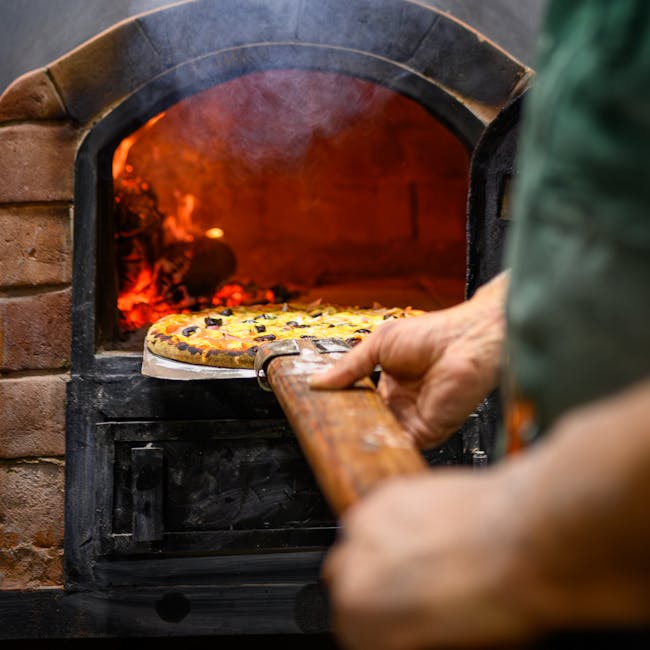
Stone ovens have been used for centuries. They provide even heat distribution. This results in a crispy crust every time. The stone retains heat well. It maintains a steady temperature throughout the cooking process. This consistency is crucial for a well-cooked pizza. The high heat helps the dough rise quickly. It creates those sought-after bubbles in the crust. Using a stone oven can mimic the professional pizzeria experience at home.
Using Pizza Steel
Pizza steel is a modern tool for home cooks. It conducts heat better than a stone. This ensures a faster cooking time. The steel preheats quickly, saving energy and time. Its durability is another advantage. It can withstand high temperatures without cracking. Pizza steel is also easy to clean. A simple wipe can remove any residue. This makes it a convenient option for regular use. Cooking with pizza steel offers a consistent, crisp finish.
Experimenting With Temperature
Finding the ideal oven temperature for pizza ensures a crispy crust and perfect toppings. Aim for around 475°F to 500°F for optimal results. Adjustments may be needed based on your oven type and personal preference.
Cooking pizza at home can be a delicious experiment in itself, especially when you start playing around with the oven temperature. The ideal temperature for cooking pizza isn’t set in stone, as it can vary based on the type of pizza you want to make. Some prefer a crispy thin crust, while others might go for a chewy, thicker base. So, how do you find the perfect temp for your pizza? Let’s dive into the art of experimenting with temperature.
Finding Your Preference
It’s all about discovering what makes your taste buds dance. You might like your pizza with a slightly charred crust, which requires a higher temperature. On the other hand, a softer, evenly cooked crust might need a lower, more consistent heat. Experimenting with different temperatures can lead to your signature pizza style.
Trial And Error Method
Start your pizza journey by setting your oven at a moderate temperature, around 450°F (232°C). Bake your pizza and take note of its texture and flavor. Did it hit the mark, or does it need a little tweak? If it’s not quite right, adjust the temperature. Maybe try 475°F (246°C) for a crispier crust, or dial it down to 425°F (218°C) for a softer base. Keep track of the changes. Write them down if needed. This is how you learn what works best for you. Remember, patience is key. Experimenting with temperature is about enjoying the process as much as the result. So, what’s your perfect pizza temperature?
Frequently Asked Questions
Is It Better To Bake Pizza At 450 Or 500?
Baking pizza at 500°F gives a crispier crust and faster cooking time. 450°F is suitable for thicker crusts. Choose based on your preference for crust texture and thickness. Adjust baking time accordingly to avoid burning.
Should Pizza Be At 375 Or 400?
Bake pizza at 400°F for a crispier crust and 375°F for a softer crust. Adjust based on preference.
What Is The Best Oven Temperature For Homemade Pizza?
Preheat your oven to 475°F (245°C) for homemade pizza. This high temperature ensures a crispy crust and perfectly cooked toppings. Use a pizza stone or baking steel for best results. Keep an eye on the pizza to prevent burning, typically baking for 10-15 minutes.
How Long To Bake Homemade Pizza At 425 Degrees?
Bake homemade pizza at 425 degrees for 12 to 15 minutes. Ensure the crust is golden brown and cheese is bubbly. Adjust the time based on thickness and toppings. Use a pizza stone for a crispier crust. Always preheat the oven for best results.
Conclusion
Perfect pizza requires the right oven temperature. A hot oven cooks pizza quickly. Crisp crust and gooey cheese are important. Aim for 475 to 500 degrees Fahrenheit. Preheat thoroughly for even cooking. Use a pizza stone or steel for best results.
These tools help distribute heat evenly. Experiment with oven settings for ideal results. Every oven is different. Keep your pizza simple for better flavor. Fresh ingredients enhance taste. Enjoy your homemade pizza with friends or family. Share your pizza cooking tips with others.
Happy baking and delicious pizza eating!








