Affiliate Disclosure: This post may contain affiliate links. If you purchase through links on our site, we may earn an affiliate commission at no extra cost to you.
Have you ever wondered why some pizzas just seem to taste better than others? You might think it’s all about the toppings, but there’s a secret ingredient that often gets overlooked: the temperature of your pizza oven.
Getting the oven temperature just right can transform a good pizza into an extraordinary one. Imagine biting into a slice with a perfectly crispy crust, gooey cheese, and toppings that are cooked to perfection. Sounds amazing, doesn’t it? This article will reveal the best temperature for a pizza oven, so you can recreate that mouthwatering experience in your own kitchen.
Don’t miss out on these essential tips that could make you the pizza master among your friends and family!
Ideal Pizza Oven Temperature
The perfect pizza requires the right oven temperature. This aspect is crucial for achieving the desired crust texture and flavor. A pizza oven temperature can make the difference between a soggy base and a crispy delight. Understanding the ideal temperature is essential for any pizza enthusiast.
The Science Behind Heat
Heat affects how pizza dough cooks and rises. It influences the moisture content in the crust. High temperatures cause rapid evaporation. This leads to a crispy exterior and soft interior. The right heat ensures cheese melts evenly and toppings cook perfectly. Heat allows flavors to blend beautifully.
Temperature Range For Different Styles
Different pizza styles require specific temperatures. Neapolitan pizzas need around 900°F. This high heat gives them their signature charred crust. New York-style pizzas bake best at 500°F to 600°F. This temperature range ensures a chewy yet crispy base. Deep-dish pizzas require a lower temperature, about 375°F. This allows the thick crust to cook through without burning.
Each temperature range impacts the final taste and texture. Choosing the correct temperature for your pizza style is key. It enhances the overall eating experience and satisfaction.
Factors Affecting Oven Temperature
When you’re making pizza at home, getting the oven temperature just right can make all the difference between a soggy crust and a crispy slice of heaven. Several factors influence the ideal temperature for your pizza oven. Understanding these can help you achieve that perfect pizza every time. Let’s dive into the details.
Type Of Oven
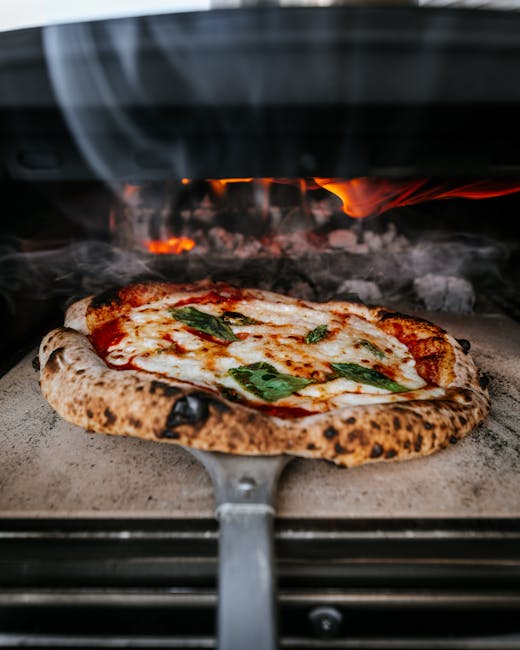
The type of oven you use can significantly affect how your pizza turns out. A traditional wood-fired oven can reach temperatures of up to 900°F, cooking your pizza in just 60 to 90 seconds. This high heat creates a beautifully charred crust with a soft, airy inside. On the other hand, most home ovens max out at around 500°F. This means your pizza might take a bit longer to cook—usually 8 to 12 minutes. You might need to preheat your oven longer to ensure the temperature is as high as possible when you slide that pizza in. Have you tried using a pizza stone or steel to mimic that wood-fired oven result?
Dough Composition
The ingredients in your dough can also influence the oven temperature you should aim for. A dough with higher sugar content will brown more quickly at lower temperatures. If your dough is rich in sugar, you might want to lower your oven temperature slightly to prevent burning. Conversely, dough with more water content may require a higher temperature to achieve that crispy crust. Experiment with different dough recipes and see how they react to your oven’s heat. What changes in the dough can you make for a better crust?
Cooking Time
Cooking time is another crucial factor. The hotter the oven, the faster your pizza will cook. However, a quicker cooking time isn’t always better. If your oven isn’t hot enough, your pizza might cook too slowly, resulting in a chewy crust. Balancing temperature and cooking time is key. If your pizza often comes out overcooked or underdone, consider adjusting either the heat or the time. Could a simple tweak in your cooking routine unlock the perfect pizza?
These factors can guide you towards the perfect oven temperature for your pizza. The next time you preheat your oven, remember these insights to elevate your homemade pizza game.
Achieving The Perfect Crust
Achieving the perfect crust starts with the right pizza oven temperature. Aim for 450-500°F for a crispy base. This heat cooks the dough evenly, creating a delicious texture.
Achieving the perfect crust for your pizza is an art that involves understanding the ideal temperature for your oven. The crust is not just a base; it’s the foundation of your pizza’s flavor and texture. When done right, it elevates the entire experience. Whether you’re a home cook or a professional, finding the right balance in temperature can transform your pizza from ordinary to extraordinary.
Balancing Crispness And Chewiness
Imagine biting into a slice and experiencing a delightful crunch, followed by a soft, chewy interior. That’s the magic of a well-balanced crust. A temperature of around 475°F to 500°F (245°C to 260°C) often works wonders. This range allows the edges to crisp up while maintaining a tender middle. The trick is not just in the heat but also in the timing. A higher temperature can achieve this balance in about 5 to 7 minutes. But remember, each oven can be a bit different, so keep an eye on your pizza. Have you ever noticed how some pizzas just don’t have that satisfying bite? It’s usually because the balance wasn’t right.
Impact Of Temperature On Texture
The temperature of your oven directly impacts the texture of your pizza crust. At lower temperatures, below 400°F (200°C), the crust might become too soft and doughy. This can ruin the overall pizza experience, leaving you with a lackluster base. Conversely, setting the oven too high, above 550°F (290°C), can result in a crust that’s overly crisp or even burnt. This temperature is often suited for very thin pizzas or those who prefer a charred flavor. If you’ve ever experimented with different temperatures, you know that small adjustments can make a big difference. So, what’s your sweet spot? It’s worth experimenting to find the temperature that gives you that perfect crust every time.
Temperature Tips For Home Ovens
Cooking pizza at home can be delightful. But achieving that perfect crust requires the right oven temperature. Many home cooks struggle to find the ideal heat. This section offers practical tips to get your pizza oven ready.
Preheating Strategies
Preheat your oven for at least 30 minutes. This ensures even heat distribution. Set the temperature to around 475°F to 500°F. High heat is essential for a crispy crust. Use an oven thermometer for accuracy. It helps avoid undercooked or burnt pizza. Consistent temperature is key.
Using Baking Stones
A baking stone can improve your pizza quality. Place it in the oven while preheating. It absorbs and retains heat efficiently. This leads to a well-baked crust. Baking stones mimic professional pizza ovens. They provide a great surface for your dough. Ensure the stone is hot before placing the pizza.
Common Mistakes To Avoid
Cooking the perfect pizza requires the right oven temperature. Many make mistakes that affect their pizza’s taste and texture. Understanding these common errors helps achieve a delicious result every time.
Overheating Issues
Too much heat can ruin your pizza. It leads to burnt crust and toppings. Many assume higher temperatures cook pizza faster. But it often results in uneven cooking. The outside burns while the inside remains undercooked. Keeping the temperature moderate ensures a crispy crust. It prevents charring and keeps toppings fresh.
Inconsistent Heat Distribution
Uneven heat affects pizza quality. Some areas might cook faster than others. This leads to parts being overcooked or undercooked. Checking oven settings can help. Using a pizza stone also aids in even heat spread. It creates a balanced cooking environment. Ensuring consistent heat distribution enhances flavor and texture.
Frequently Asked Questions
Should I Cook Pizza At 450 Or 500?
Cook pizza at 450°F for a crispy crust. For a softer, chewier crust, use 500°F. Adjust time accordingly.
What’s The Best Temperature For A Pizza Oven?
The ideal temperature for a pizza oven ranges from 450°F to 500°F (232°C to 260°C). This ensures a crispy crust and evenly cooked toppings. Wood-fired ovens might reach higher temperatures, around 700°F (371°C). Adjust based on your oven type for best results.
What Temperature Is Best For Homemade Pizza?
The ideal temperature for homemade pizza is 475°F to 500°F (245°C to 260°C). Preheat your oven thoroughly before baking. A hot oven ensures a crispy crust and evenly cooked toppings. Use a pizza stone or baking sheet for best results, placing your pizza on the center rack.
Is 350 Hot Enough For Pizza?
350°F is generally not hot enough for pizza. Ideal pizza baking temperatures range from 450°F to 500°F. Higher heat ensures a crispy crust and thoroughly cooked toppings. Baking at 350°F may result in a soggy crust and unevenly cooked pizza.
Adjust your oven settings for better results.
Conclusion
Finding the right temperature is key for perfect pizza. High heat, around 700°F, ensures a crispy crust. Lower temperatures make the pizza dough chewy. Experiment with your oven to see what works best. Consistency is important for delicious results. Always preheat your oven well before baking.
This helps the dough cook evenly. Don’t rush the process; patience pays off. Enjoy your pizza-making journey. Each trial improves your skill. Soon, you’ll bake pizzas like a pro. Remember, practice makes perfect. So, keep experimenting and tasting. Your efforts will lead to tasty success.








