Affiliate Disclosure: This post may contain affiliate links. If you purchase through links on our site, we may earn an affiliate commission at no extra cost to you.
Are you dreaming of that perfect, crispy pizza crust with bubbling cheese and savory toppings, all created right in your backyard? Your outdoor pizza oven holds the key to achieving this pizza perfection, but there’s one crucial element that can make or break your pizza experience: the temperature.
What is the best temperature for an outdoor pizza oven to ensure your homemade pizza rivals your favorite pizzeria? You might be surprised to learn that the answer lies in a delicate balance. Unlock the secrets to consistently delicious pizzas by discovering the ideal oven temperature.
Stick around, because this knowledge will transform your pizza nights and leave your guests craving more.
Ideal Temperature Range
Achieving the perfect pizza crust requires an outdoor oven temperature between 700°F and 900°F. This range ensures rapid cooking, preserving toppings’ freshness. High heat delivers that crispy texture and ideal flavor, making each bite delightful.
When you’re getting ready to fire up your outdoor pizza oven, nailing the right temperature is crucial. The ideal temperature range for cooking pizza in an outdoor oven typically falls between 700°F and 900°F (370°C to 480°C). This range ensures your pizza cooks quickly, giving you a crispy crust and perfectly melted cheese. But what factors can affect this optimal temperature? And what benefits do you gain from maintaining proper heat?
Factors Affecting Optimal Temperature
Several factors can influence the optimal temperature of your outdoor pizza oven. The type of oven you have plays a significant role. Wood-fired ovens often reach higher temperatures compared to electric or gas models. If you’re using wood, the quality and dryness of your wood can also affect the heat. Weather conditions can also impact your oven’s temperature. A windy day might cause heat loss, while a sunny day can help maintain the heat. Lastly, the thickness of your pizza crust matters. Thicker crusts may require a slightly lower temperature to cook through without burning the edges.
Benefits Of Proper Heat
Maintaining the proper heat in your pizza oven offers several benefits. First, it speeds up the cooking process, allowing you to enjoy your pizza faster. A high temperature ensures that your crust is crispy without being soggy, which is the hallmark of a great pizza. Proper heat also enhances the flavor of your toppings. The intense heat caramelizes sugars in the sauce and cheese, creating a rich, savory taste. Who wouldn’t want their pizza to taste like it came straight from a professional pizzeria? Have you ever noticed how your favorite pizza place always gets the crust just right? That’s the magic of hitting the ideal temperature. So, why not aim for the same at home?
Types Of Outdoor Pizza Ovens
Outdoor pizza ovens are gaining popularity among home cooks and professional chefs alike, thanks to their ability to produce authentic, crispy, and delicious pizzas. Whether you’re hosting a backyard party or having a quiet family dinner, selecting the right type of outdoor pizza oven can make all the difference. Each type brings unique advantages and features to the table, so it’s essential to understand what suits your culinary style.
Wood-fired Ovens
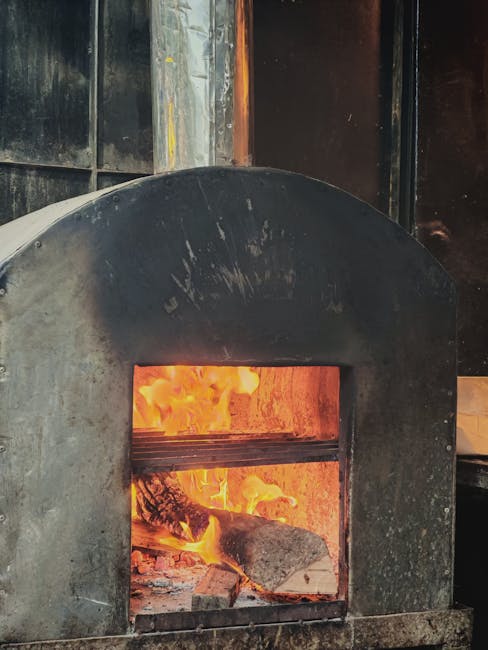
Wood-fired ovens are the traditional choice for outdoor pizza enthusiasts. They create a smoky flavor that enhances the taste of your pizza. The crackling wood and the aroma it produces can transform your backyard into an Italian pizzeria.
The temperature in wood-fired ovens can reach up to 900°F, making them perfect for quickly cooking pizzas with a beautifully blistered crust. However, maintaining this temperature requires some skill. You’ll need to regularly add wood and monitor the heat. It’s a bit of a dance, but the rewards are well worth the effort.
Have you ever tried experimenting with different types of wood? Each one adds a distinct flavor to your pizza. Cherry wood, for instance, imparts a sweeter taste, while hickory adds a robust, smoky profile. What’s your favorite?
Gas-powered Ovens
Gas-powered ovens offer convenience and consistency, making them a popular choice for many. They heat up quickly and maintain a steady temperature, usually between 500°F and 700°F. This makes them ideal for those who want the perfect pizza without the fuss.
These ovens are easier to control compared to wood-fired options, allowing you to focus on perfecting your dough and toppings rather than worrying about temperature fluctuations. Imagine saving time and still achieving that crispy crust every time.
Have you considered how a gas oven might fit into your outdoor space? They’re often compact and portable, making them suitable for smaller patios or balconies. They can be your trusty companion for impromptu pizza nights.
Electric Pizza Ovens
Electric pizza ovens are the newest addition to the outdoor cooking scene. They offer precise temperature control, typically ranging from 300°F to 750°F, providing flexibility for various pizza styles.
These ovens are plug-and-play, which means you can start cooking without the hassle of wood or gas. They are perfect for those who want simplicity and efficiency in their pizza-making process. Plus, they are environmentally friendly, reducing your carbon footprint.
Have you ever thought about the ease of cleaning? Electric ovens often come with easy-to-clean surfaces and removable racks. It’s a hassle-free experience that lets you enjoy more pizza and less cleanup.
Choosing the right outdoor pizza oven depends on your priorities—whether it’s flavor, convenience, or versatility. Each type offers its unique benefits, so consider what suits your lifestyle and space. Which one will be your pizza-making ally?
Temperature Control Techniques
Achieving the ideal temperature in an outdoor pizza oven ensures a perfect crust. Aim for 700°F to 900°F. This range cooks the pizza quickly, creating a crispy base and melted toppings. Proper temperature control enhances flavor and texture, making every bite enjoyable.
Controlling the temperature in your outdoor pizza oven is key to baking a perfect pizza. Achieving that ideal crispy crust and gooey cheese topping depends on precise temperature management. But how do you ensure your oven is at the right temperature? Let’s dive into some practical temperature control techniques.
Thermometers And Heat Gauges
Using a reliable thermometer or heat gauge is crucial for your outdoor pizza oven. These tools help you monitor the internal temperature accurately. Without them, you’re left guessing, which can lead to undercooked or burnt pizzas. Consider investing in a digital infrared thermometer. It provides quick readings and can measure the temperature of different spots in your oven. This way, you’ll know if your oven is evenly heated, which is essential for consistent cooking results.
Adjusting Heat Sources
Different ovens require different heat sources, such as wood, gas, or charcoal. Each of these heat sources offers unique benefits and challenges. The key is learning how to adjust them for optimal temperature control. If you’re using wood, start with smaller pieces to get a steady flame going. Gradually add larger logs to maintain the heat. For gas ovens, you can simply adjust the knobs to increase or decrease the flame. Charcoal users can control temperature by managing air vents and adding more coal gradually. Experiment with these adjustments to find what works best for your setup. Have you ever noticed how a small tweak in the heat source can drastically change the outcome? Share your experiences or ask fellow pizza enthusiasts for their tips in the comments. Temperature control isn’t just about tools and techniques; it’s about understanding your specific oven’s quirks and learning from each bake. What will you adjust in your next pizza-making session to perfect your temperature control?
Common Temperature Mistakes
Cooking pizza in an outdoor oven can be tricky. Many pizza lovers make common temperature mistakes that affect the pizza quality. Understanding these mistakes helps achieve the perfect crust and toppings.
Overheating Issues
Overheating the pizza oven can burn the crust. This mistake often ruins the pizza. High temperatures cook the edges too quickly. The toppings remain undercooked. It is crucial to monitor the heat. Keep the temperature balanced. 750°F is ideal for Neapolitan-style pizzas. Anything higher risks burning.
Underheating Problems
Not enough heat in the oven can lead to soggy crusts. Low temperatures take longer to cook pizzas. Extended cooking dries out the toppings. 500°F is too low for a good pizza. Aim for at least 700°F to get a crispy crust. Make sure the oven reaches the right heat before placing the pizza.
Effects Of Weather Conditions
Outdoor pizza ovens can be sensitive to weather conditions. Weather changes affect cooking times and pizza quality. Understanding how weather impacts your oven is key to a perfect pizza.
Cold Weather Challenges
Cold air slows down heat production in outdoor ovens. Longer preheating times are common. Insulation is vital for maintaining oven temperature. Wind can cause heat loss, leading to uneven cooking. Protect your oven from drafts with barriers. Snow or rain can dampen oven surfaces. Keep your oven dry for efficient heating.
Hot Weather Adjustments
High temperatures may cause your oven to overheat quickly. Monitor closely to avoid burning your pizza. Quick temperature rise can lead to faster cooking times. Be prepared to reduce heat if needed. Keep an eye on the oven’s surface temperature. Hot weather can make pizzas cook faster than expected. Adjust cooking times for crispy yet not burnt crusts.
Tips For Perfect Pizza Cooking
Cooking pizza in an outdoor oven can be a delightful experience. Achieving the perfect pizza requires attention to temperature. The right heat ensures a crispy crust and melted cheese. Here are some helpful tips to get the best results.
Preheating Strategies
Preheat your outdoor pizza oven for at least 30 minutes. This ensures even cooking. Check the oven’s manual for ideal temperature settings. Most pizzas cook well at 700 to 900 degrees Fahrenheit. Use an infrared thermometer to check the temperature. This helps in maintaining consistent heat throughout the cooking process.
Monitoring And Maintaining Temperature
Consistent temperature is key for perfect pizza. Use a thermometer to monitor the heat inside. Adjust the airflow to control the temperature. Open the vent to increase heat. Close it to reduce the temperature. Keep the door closed as much as possible. This prevents heat loss.
Recommended Tools And Equipment
Find the best temperature for your outdoor pizza oven with essential tools and equipment. Use an infrared thermometer to ensure the perfect heat for crispy crusts. Pizza peels and oven brushes make handling and cleaning a breeze.
When making the perfect pizza in an outdoor oven, having the right tools and equipment can make all the difference. Imagine the satisfaction of pulling out a perfectly crispy, golden crust topped with bubbling cheese. To achieve this culinary masterpiece, you need more than just a good recipe. You need the right accessories and tools to ensure your pizza is cooked to perfection. Below, you’ll find the essential equipment that will elevate your pizza-making game.
Pizza Oven Accessories
Having the right pizza oven accessories can transform your outdoor cooking experience. A pizza peel is a must-have. It helps you slide your pizza in and out of the oven with ease. Look for one with a long handle to keep your hands safe from the heat. Pizza stones or baking steels are also great for achieving that authentic, crispy crust. They retain heat and distribute it evenly, ensuring your pizza is cooked consistently. Consider investing in a stone that fits your oven perfectly, and remember to preheat it for the best results. Finally, don’t forget a pizza cutter. A sharp, sturdy cutter ensures clean slices, making serving a breeze. Ever tried cutting a pizza with a dull knife? It can be frustrating! A quality cutter saves time and keeps your pizza looking great.
High-quality Thermometers
Temperature is crucial when cooking pizza, and that’s where high-quality thermometers come in. You need to know the exact temperature inside your oven to achieve the best results. A digital infrared thermometer is perfect for this. It allows you to measure the surface temperature of your pizza stone or baking steel quickly. Another option is a built-in oven thermometer. These are often more accurate and provide a constant reading of your oven’s internal temperature. This can be particularly useful when you’re cooking multiple pizzas and need to maintain a steady temperature. Think about the last time you undercooked or overcooked a pizza. Could a good thermometer have prevented it? It’s a small investment that can make a big difference in the quality of your pizzas. Choosing the right tools and equipment for your outdoor pizza oven is more than just about convenience. It’s about ensuring every pizza you make is a delightful experience. Are you ready to elevate your pizza-making skills? Consider adding these tools to your collection and see the difference they make.
Faqs On Pizza Oven Temperatures
Mastering the art of outdoor pizza baking involves understanding oven temperatures. Many pizza enthusiasts seek the perfect temperature for a crispy crust and gooey cheese. This guide answers common questions about pizza oven temperatures, ensuring your next pizza party is a success.
Troubleshooting Temperature Issues
Struggling with uneven cooking? Check your oven’s thermometer accuracy. A faulty thermometer can mislead you. Ensure the oven is properly preheated. Cold spots might ruin your pizza. Adjust wood placement for consistent heat distribution. Experiment with different wood types for stable heat.
Expert Advice And Tips
Experts recommend a temperature range of 700-900°F for optimal results. High heat ensures a crisp crust without burning toppings. Use a pizza stone or steel for better heat retention. Rotate pizzas regularly to avoid uneven cooking. Monitor the flames closely. Adjusting the airflow can stabilize the temperature.
Frequently Asked Questions
What Is The Best Temperature For An Outdoor Pizza Oven?
The ideal temperature for an outdoor pizza oven is around 750°F to 900°F. This range ensures a crispy crust and perfectly cooked toppings. Preheat your oven for about 20 minutes to reach the desired temperature. Always use an infrared thermometer for accurate readings.
Is It Better To Bake Pizza At 450 Or 500?
Bake pizza at 500°F for crispy crust and even toppings. High temperatures ensure faster cooking and better results.
What Temperature To Set Your Oven For Pizza?
Set your oven to 475°F (245°C) for homemade pizza. Use a preheated pizza stone for best results. Adjust the temperature based on your oven’s performance. For thin crusts, consider 500°F (260°C) for a crispier texture. Always monitor the pizza closely to prevent burning.
Enjoy your delicious, homemade creation!
Is 500 Degrees Too Hot For Pizza?
500 degrees is ideal for pizza. It ensures a crispy crust and perfectly melted cheese. Many pizzerias use similar temperatures for authentic results. Home ovens may vary, so adjust according to your oven’s performance for best results. Always monitor the pizza to prevent burning.
Conclusion
Choosing the right temperature ensures perfect pizza every time. A steady 700-900°F works best for crispy crusts. High heat cooks the toppings evenly. Experiment with your oven to find what works. Always preheat your oven for 20 minutes. This step is crucial for even baking.
Keep an eye on your pizza to avoid burning. Practice makes perfect with outdoor ovens. Enjoy the delightful taste of homemade pizza. Happy baking!








