Affiliate Disclosure: This post may contain affiliate links. If you purchase through links on our site, we may earn an affiliate commission at no extra cost to you.
Have you ever pulled off a perfectly cooked meal, only to have it go cold and lose its deliciousness before serving? Keeping food warm in the oven without drying it out or overcooking can be a real challenge.
The secret lies in finding the perfect temperature to maintain that just-cooked taste. Imagine your guests savoring every bite, complimenting your culinary skills without a clue that your oven played a vital role in your success. You’ll discover the best temperature to keep your food warm in the oven, ensuring every dish stays fresh and flavorful.
Whether you’re hosting a dinner party or simply want to enjoy a leisurely meal, knowing this temperature will make all the difference. Let’s unlock the secret to effortlessly keeping your food warm and delightful. Keep reading to learn how this simple adjustment can transform your dining experience!
Ideal Oven Temperature
Finding the best oven temperature to keep food warm can be tricky. The right temperature ensures food stays tasty and safe to eat. If the oven is too hot, it might dry out the food. If it’s too low, bacteria can grow. Knowing the ideal oven temperature is crucial for maintaining food quality.
Understanding Oven Settings
Most ovens have a “warm” setting. This setting is usually between 170°F and 200°F. It’s designed to keep food warm without cooking it further. Always check your oven’s manual for specific settings. Some ovens may vary slightly in temperature.
Safe Temperature Range
The USDA recommends keeping food at 140°F or higher. This prevents bacteria growth. Setting the oven to at least 150°F can be a safe bet. This range keeps food both warm and safe.
Tips For Keeping Food Moist
Cover food with foil or a lid to retain moisture. This prevents it from drying out in the oven. Adding a small bowl of water can also help maintain humidity. This keeps your dishes delicious and juicy.
Using An Oven Thermometer
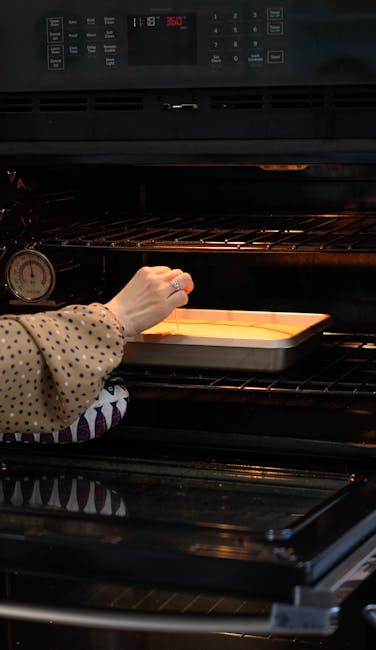
An oven thermometer ensures accurate temperature readings. Ovens can sometimes be off by several degrees. A thermometer helps verify the actual temperature inside. This ensures food remains safe and warm.
Choosing The Right Oven Rack
Place food on the middle oven rack. This allows even heating all around. If using multiple dishes, rotate them occasionally. This ensures consistent warming throughout.
Factors Affecting Temperature
When keeping food warm in an oven, temperature plays a crucial role. Several factors influence the ideal warming temperature. Understanding these factors helps maintain food quality and safety. This ensures your meals remain delicious and safe for consumption.
Type Of Food
The type of food determines the warming temperature needed. Meats often require a higher temperature. Vegetables and grains may need a lower setting. Each food has specific temperature needs to retain flavor and texture. For example, baked goods stay best at a lower temperature. This prevents them from drying out.
Duration Of Warming
The duration of warming affects the temperature setting too. Short-term warming needs a lower temperature. For longer periods, the setting should be slightly higher. This helps in maintaining the food’s warmth without overcooking. Be mindful of the time food stays in the oven. Extended warming can dry out or alter the food’s taste.
Safety Considerations
Maintaining the right temperature in your oven is crucial. It ensures food stays safe and warm. Incorrect temperatures can lead to spoilage or overcooking. Keeping food warm safely requires attention to detail. Proper temperature settings prevent health risks.
Avoiding Food Spoilage
Food spoilage can occur quickly. Keeping the oven between 140°F and 160°F is ideal. This temperature range keeps bacteria at bay. It prevents food from becoming unsafe to eat. Regularly check the oven’s temperature. Avoid keeping food warm for too long. This minimizes spoilage risks and ensures safety.
Preventing Overcooking
Overcooking is another concern. It can ruin the taste and texture of your food. Use the oven’s warm setting to avoid this. This setting is usually around 140°F. It maintains food quality while keeping it warm. Check your food periodically. This ensures it stays perfectly cooked. Avoid using high temperatures. They can dry out or overcook your food.
Expert Tips
Keeping food warm in the oven requires precision. Experts provide valuable tips to achieve the perfect temperature. These tips ensure your dishes stay delicious and safe for consumption. Learn how to maintain the right warmth without overcooking or drying out your meals. Follow these expert suggestions to keep food warm with ease.
Using A Thermometer
Use a thermometer to check the oven temperature. This tool ensures accuracy. Set the oven to around 200°F (93°C) for optimal warmth. Verify the temperature with the thermometer. Adjust as needed to maintain the desired heat level. A thermometer helps avoid overheating the food.
Monitoring Food Consistency
Pay attention to the food’s texture. Check if it remains moist and tender. Stir dishes occasionally to distribute the heat evenly. Cover food with foil to retain moisture. Keep an eye on color and texture changes. These signs indicate if the food is too dry or overcooked.
Oven Settings
When you’re hosting a dinner or waiting for family to arrive, keeping food warm in the oven can be a game-changer. But, what settings should you choose to ensure your dishes stay delicious without drying out? Understanding oven settings is essential to maintain the texture and taste of your food.
Warm Mode
Most modern ovens come with a ‘Warm’ mode, specifically designed for keeping food hot without further cooking it. This setting is usually between 140°F to 200°F. It’s perfect for those moments when your roast is ready, but your guests are running late.
Imagine this: You’ve prepared a beautiful casserole, but dinner is delayed. Simply pop it in the oven on ‘Warm’ mode, and it’ll be just as tasty when you’re ready to serve. Have you tried this setting yet?
Low Heat Options
If your oven doesn’t have a ‘Warm’ mode, low heat options are your best bet. Setting your oven between 200°F and 250°F can keep food warm without overcooking. This range works well for most dishes, from bread to meat.
Think back to that time you juggled multiple dishes for a holiday feast. Using low heat can help synchronize your cooking schedule, ensuring everything stays warm until it’s time to eat. What’s your go-to oven setting for keeping food warm?
Remember, the right oven setting can make all the difference in keeping your food just right. Whether it’s the ‘Warm’ mode or low heat, choose wisely to impress your guests with perfectly heated dishes!
Common Mistakes
Choosing the right oven temperature is crucial for keeping food warm. A common mistake is setting the oven too high, which can dry out or overcook the food. Keeping the oven around 200°F (93°C) ensures that meals stay warm without altering their taste or texture.
Keeping food warm in the oven might seem like a straightforward task, but it’s easy to make mistakes that can ruin your meal. Common errors can lead to food that’s either too cold or overcooked. Understanding these pitfalls can help you maintain the perfect temperature for your dishes.
Setting Temperature Too High
One common mistake is setting the oven temperature too high. When the heat is too intense, food can quickly dry out or even burn. Imagine preparing a meal for a gathering and your succulent roast becomes tough and chewy. To avoid this, keep the oven temperature between 140°F and 170°F. This range is ideal for keeping food warm without cooking it further. Remember, you’re aiming to maintain, not continue cooking.
Neglecting Regular Checks
Another frequent error is neglecting to check on your food regularly. It’s easy to set it and forget it, especially during busy times. However, without regular monitoring, you might end up with food that has gone cold or dried out. Set a timer to remind you to check on the food every 20 to 30 minutes. Use this time to stir, rotate, or add moisture if needed. This small step can make a huge difference in maintaining the perfect warmth and texture. Have you ever had a dish come out less than perfect because of these mistakes? By being mindful of these common errors, you can ensure your meals are served just right.
Additional Tools
Keeping food warm in the oven demands more than just temperature control. Additional tools can make the process easier and more efficient. With the right accessories, you can ensure your meals stay warm without losing flavor. Let’s explore some useful tools to enhance your kitchen experience.
Insulated Containers
Insulated containers are a practical choice for keeping food warm. They trap heat inside, maintaining the right temperature for hours. Use them for storing soups, stews, or hot side dishes. Their design ensures minimal heat escape, preserving food quality. Portable and easy to handle, these containers are ideal for both home and travel.
Heating Pads
Heating pads offer another solution for maintaining food warmth. They are electric devices designed to keep surfaces warm. Place them under trays or dishes to retain heat. Adjustable settings allow you to control the temperature as needed. Safe and effective, heating pads can be used on countertops or buffet tables. They are a great addition for hosting events or large gatherings.
Frequently Asked Questions
How To Keep Food Warm In The Oven Without Drying?
Set the oven to a low temperature, around 200°F (93°C). Cover food with aluminum foil. Use an oven-safe dish with a lid to retain moisture. Add a small water pan in the oven for extra humidity. Check food periodically to ensure it stays warm and moist.
What Temperature Can I Put My Oven On To Keep Food Warm?
Set your oven to 140-160°F (60-71°C) to keep food warm. This temperature prevents food from drying out. Ensure food is covered to maintain moisture. Regularly check food temperature to ensure safety and quality.
Can I Keep Food Warm In The Oven At 170 Degrees?
Yes, you can keep food warm in the oven at 170 degrees Fahrenheit. This temperature maintains warmth without further cooking. Use an oven-safe dish and cover the food to prevent drying out. Always check food safety guidelines to ensure safe temperature maintenance for different foods.
How To Keep Food Warm For 2 Hours?
Use insulated containers to keep food warm. Wrap dishes with foil or towels for added insulation. Utilize warming trays or slow cookers. Preheat containers before placing food inside. Ensure lids are tightly sealed to retain heat effectively.
Conclusion
Finding the right oven temperature keeps food warm and tasty. Aim for 140°F to 165°F. This range ensures safety and flavor. Always check your food’s temperature before serving. Using an oven thermometer helps maintain the right heat. This tool prevents food from cooling down or drying out.
Keep your dishes covered to retain moisture. Proper warming techniques enhance your meal’s enjoyment. Remember, warm food delights your guests and family. Stick to these tips for a successful dining experience. Happy cooking and serving!