Affiliate Disclosure: This post may contain affiliate links. If you purchase through links on our site, we may earn an affiliate commission at no extra cost to you.
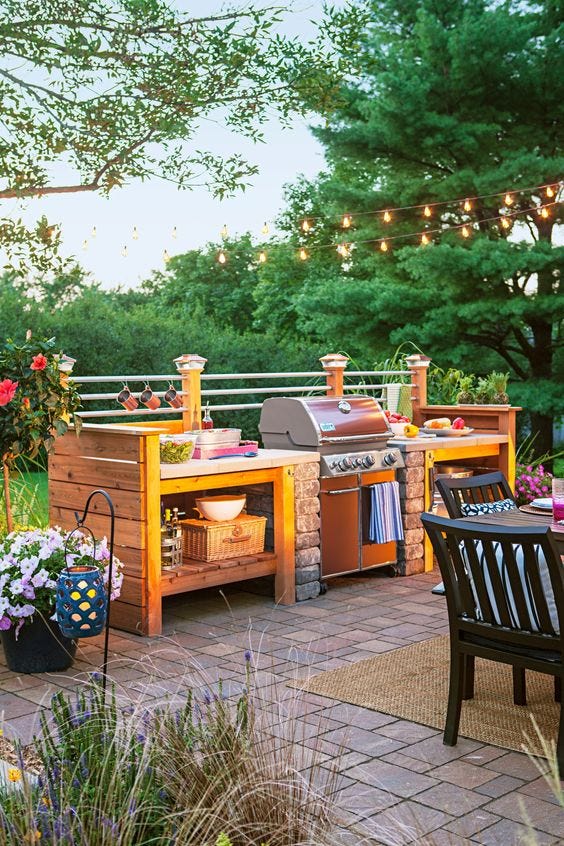
Imagine stepping into your backyard, greeted by the aroma of sizzling delicacies, the laughter of loved ones, and the satisfaction of having created your very own outdoor kitchen masterpiece. Yes, you can transform your outdoor space into a culinary haven with DIY outdoor kitchen designs.
It’s simpler than you might think, and the rewards are plentiful. You might wonder, why go the DIY route? Well, it’s about infusing your personality into every corner, saving money, and experiencing the thrill of building something with your own hands.
Picture a space tailored to your cooking style and entertainment needs, where every grill, countertop, and seating area reflects your taste and creativity. You’ll discover how to design an outdoor kitchen that’s both functional and inviting, ensuring it becomes the heart of your outdoor gatherings. Dive in to explore practical tips, inspiring ideas, and expert advice that will guide you every step of the way. Ready to unleash your inner designer and chef? Let’s get started!
Choosing The Right Location
Planning a DIY outdoor kitchen? Start by choosing the right location. The spot you pick can influence the success of your project. A well-chosen location ensures convenience and comfort. It also enhances the cooking and dining experience. Consider several factors to find the perfect spot.
Assessing Space And Accessibility
First, assess the available space. Measure the area to understand what fits. A spacious area allows for more features and movement. Accessibility is crucial too. Choose a location close to your indoor kitchen. This makes it easy to transport ingredients and utensils. Ensure there’s a clear path for moving items back and forth.
Considering Sun And Shade
Next, think about sun and shade. A spot with balanced sunlight works best. Too much sun can make cooking uncomfortable. A shaded area offers relief during hot days. Consider the sun’s path through the day. Install a pergola or umbrella for adjustable shade. It creates a pleasant atmosphere for cooking and dining.
Designing The Layout
Crafting your outdoor kitchen layout focuses on functionality and style. Consider space for grilling, food prep, and dining. Create zones that enhance cooking efficiency and comfort.
Designing the layout of your DIY outdoor kitchen is both exciting and crucial. A well-planned layout ensures your outdoor cooking experience is seamless and enjoyable. Think about how you move in your indoor kitchen. Now, imagine having that same efficiency under the open sky. Whether you’re flipping burgers or serving pasta, the layout can make or break the experience.
Optimizing Workflow
A smooth workflow is essential for an outdoor kitchen. Imagine your grill, prep area, and sink forming a triangle. This triangle helps you move effortlessly between tasks. It’s similar to the work triangle in your indoor kitchen. Keep commonly used items within arm’s reach to avoid unnecessary trips. Think about how many people will be cooking. If you often have help, consider adding extra counter space. This way, your helpers aren’t bumping into you while slicing veggies.
Incorporating Dining Areas
Including a dining area in your outdoor kitchen makes it more inviting. A nearby dining table allows you to serve meals hot and fresh. Do you enjoy casual dining with friends? A bar-style seating arrangement can be a great addition. Consider the number of guests you typically entertain. If you frequently host large gatherings, a spacious dining area is a must. For smaller, intimate meals, cozy seating works best. What ambiance do you want to create? Think about incorporating elements like lighting and shade to enhance the dining experience. Your outdoor kitchen can be a hub of activity, but it should also be a place of relaxation and enjoyment.
Selecting Materials
Choosing the right materials for your DIY outdoor kitchen involves balancing durability with aesthetic appeal. Opt for weather-resistant options like stainless steel and stone to ensure longevity. Prioritize eco-friendly materials to create a sustainable space that complements your home’s exterior.
Creating a DIY outdoor kitchen can be an exciting project, but selecting the right materials is crucial to ensure durability and style. Whether you’re cooking up a storm or hosting a cozy gathering, the materials you choose will play a significant role in your kitchen’s functionality and longevity. Let’s dive into two important aspects: weather-resistant options and sustainable choices.
Weather-resistant Options
Outdoor kitchens are exposed to the elements, so choosing weather-resistant materials is essential. Think about sturdy materials like stainless steel and stone. These can withstand rain, sun, and wind without losing their charm. Stainless steel is not just durable; it’s easy to clean. Ideal for countertops and appliances, it brings a sleek look to your outdoor space. Consider using granite for your countertops. It’s not only beautiful but also strong enough to resist scratches and chips. Imagine cooking on a surface that stays pristine, even after a busy BBQ night. What would you prefer: a kitchen that battles the weather or one that embraces it? Opt for materials that make maintenance a breeze and keep your kitchen looking great all year round.
Sustainable Choices
If you’re passionate about the environment, sustainable materials are a fantastic choice. Bamboo and recycled materials can give your kitchen an eco-friendly edge. They offer a stylish touch while being kind to the planet. Bamboo, for example, grows quickly and is incredibly versatile. Use it for cabinetry or flooring to add a natural warmth to your design. Recycled materials, like reclaimed wood, can bring character and history to your space. Picture a countertop with a story behind it, each mark a testament to its past life. Think about how your choices impact the world around you. Opting for sustainable materials can make your outdoor kitchen a space that not only nourishes your culinary creations but also fosters a healthier planet. As you plan your DIY outdoor kitchen, what material choices will you make to balance style, durability, and sustainability?
Credit: in.pinterest.com
Essential Kitchen Features
Creating your own outdoor kitchen offers a personalized space for cooking and entertaining. Essential features include durable countertops, weather-resistant appliances, and ample storage. These elements ensure functionality and enjoyment in any outdoor setting.
Designing your own outdoor kitchen is an exciting venture. Essential features not only enhance functionality but also elevate your cooking experience. Whether you’re a weekend griller or a culinary enthusiast, having the right elements in place makes all the difference.
Grills And Cooking Stations
A grill is often the heart of any outdoor kitchen. Choose one that suits your cooking style. Gas grills offer convenience, while charcoal grills add a smoky flavor. Consider a cooking station layout that allows you to prep, cook, and serve seamlessly. Do you prefer a built-in grill or a portable one? Built-in grills provide a sleek look and can be customized with additional features, while portable grills offer flexibility and easy storage. Think about incorporating side burners for multitasking. They’re perfect for preparing sauces or side dishes without running back to your indoor kitchen.
Countertops And Storage
Countertops are your workspace. Opt for materials that withstand weather changes and are easy to clean, like granite or stainless steel. These surfaces not only look great but are highly durable. Storage is crucial for an organized cooking experience. Include cabinets or shelves for your utensils, spices, and grilling tools. This setup minimizes trips inside, allowing more time for creativity outdoors. Consider your kitchen’s layout and available space. Would a simple countertop be enough, or do you need additional storage solutions? Adding drawers or cabinets under the counter can maximize space, keeping everything you need within arm’s reach. Designing an outdoor kitchen can be a rewarding project. Think about what makes cooking enjoyable for you and translate that into your space. What features would make your outdoor cooking experience effortless and fun?
Adding Comfort Elements
Creating an outdoor kitchen is a rewarding project. Making it comfortable enhances its use. Adding comfort elements transforms the space. It becomes a perfect spot for family gatherings.
Seating Arrangements
Choose seating that invites relaxation. Consider weather-resistant materials. Arrange seats to encourage conversation. Use cushions for added comfort. Chairs with armrests offer better support. A mix of seating styles adds variety.
Lighting And Heating Solutions
Proper lighting extends evening use. Use LED lights for energy savings. String lights create a warm atmosphere. Install solar lights for eco-friendly options. Heating solutions keep the area cozy in cooler months. Portable heaters are convenient and effective.
Personalizing Your Space
Craft your own outdoor kitchen with simple DIY designs. Use natural materials for a cozy and inviting atmosphere. Add personal touches like colorful tiles or unique lighting for a space that truly reflects your style.
Personalizing Your Space Creating a DIY outdoor kitchen is more than just assembling appliances and furniture. It’s about making a space that reflects your personality and meets your needs. How can you make your outdoor kitchen truly yours? Here are some ideas to consider.
Decorative Touches
Adding decorative touches can transform your outdoor kitchen from basic to beautiful. Consider using colorful tiles for your backsplash to add a pop of color. Choose materials and finishes that complement your home and garden, like rustic wood or sleek stainless steel. Lighting is another powerful tool. String lights or lanterns can create a cozy, inviting atmosphere. You might even hang a few wind chimes or plant some fragrant herbs nearby to enhance the sensory experience.
Integrating Technology
Technology can elevate your outdoor kitchen experience, making it both fun and functional. A weatherproof Bluetooth speaker system can provide the perfect soundtrack for your cooking sessions. You could even install a small outdoor TV to watch your favorite shows or sports games while you grill. Smart grills are another option to explore. They allow you to control cooking temperatures and monitor food remotely from your smartphone. Isn’t it amazing how tech can simplify tasks and add enjoyment? Personalizing your outdoor kitchen is an exciting endeavor that allows you to blend creativity with functionality. What unique features will you include to make your space feel like a true extension of your home?
Maintaining Your Outdoor Kitchen
Building an outdoor kitchen is a rewarding project. But, maintaining it ensures its longevity. Consistent care keeps it looking great. It also ensures it functions well. An outdoor kitchen faces different weather. This makes maintenance essential. Regular cleaning and care are key.
Cleaning Tips
Start with sweeping the area. Remove leaves and debris. Use mild soap and water for surfaces. Avoid harsh chemicals. They can damage finishes. Clean grills after each use. Remove food residue. Use a grill brush for stubborn spots. Stainless steel appliances need special care. Use a cleaner made for stainless steel. Rinse thoroughly with water. Dry with a soft cloth. This prevents water spots.
Seasonal Care
Each season has unique challenges. In spring, check for winter damage. Inspect plumbing and electric connections. Summer heat can cause wear. Check for fading or cracking. In fall, prepare for cold weather. Clean and store outdoor furniture. Drain water lines to prevent freezing. Winter requires extra precautions. Cover your kitchen to protect it. Use weatherproof covers. Remove snow buildup promptly. This prevents damage to structures. Regular inspections help catch problems early.
Frequently Asked Questions
What Is The Cheapest Way To Build An Outdoor Kitchen?
Use recycled materials to save on costs. Opt for a simple design without extravagant features. Purchase second-hand appliances and repurpose old furniture. Consider DIY projects for cabinets and countertops. Choose cost-effective materials like concrete or brick for construction. Shop sales for additional savings on necessary items.
What Is The Average Cost To Build An Outdoor Kitchen?
The average cost to build an outdoor kitchen ranges from $5,000 to $20,000. Costs vary based on materials, size, and design complexity. Factors like appliances, countertops, and additional features can increase expenses. Budget planning helps manage costs effectively.
What Is The Best Material To Build An Outdoor Kitchen With?
Stainless steel is the best material for outdoor kitchens. It resists rust, heat, and weather. Concrete and stone are also durable options. These materials ensure longevity and easy maintenance, making them ideal for outdoor use. Choose quality materials to enhance functionality and aesthetics.
Do I Need A Permit To Build An Outdoor Kitchen?
Building an outdoor kitchen often requires a permit, depending on local regulations. Contact your local building department for specific requirements. Permits ensure safety and compliance with zoning laws. Always check before starting construction to avoid fines or delays.
Conclusion
Creating your own outdoor kitchen is rewarding and fun. It allows personal creativity to shine through. You can design a space that fits your style and needs. Start small, and build up as confidence grows. Use materials that blend with your surroundings.
Remember, it’s about enjoying the process and result. Family and friends will love gathering in your handmade space. Cooking outdoors can become a cherished activity. Enjoy the fresh air while preparing meals. Keep it simple, functional, and stylish. Your dream outdoor kitchen is within reach.
Just start designing and building today!








