Affiliate Disclosure: This post may contain affiliate links. If you purchase through links on our site, we may earn an affiliate commission at no extra cost to you.
Imagine the aroma of freshly baked bread filling your kitchen, the crust crackling as it cools, and the soft, warm interior waiting to be savored. If you’re dreaming of baking the perfect loaf at home, you’re not alone.
Many home bakers are discovering the joy and satisfaction of crafting artisanal bread. But here’s a secret: the right tools can make all the difference. A Dutch oven can be your best ally in achieving that bakery-quality loaf right in your own kitchen.
But with so many options out there, how do you choose the best one for your needs? You’ll discover the top contenders that promise to elevate your bread-baking game. Whether you’re a beginner or a seasoned baker, the right Dutch oven can transform your homemade bread into a masterpiece. Keep reading to find out which Dutch oven will help you unlock your bread-baking potential and bring your culinary dreams to life.
Credit: dirtanddough.com
What Makes A Dutch Oven Ideal For Bread Baking
A Dutch oven is perfect for bread baking due to its ability to retain heat evenly. The heavy lid traps steam, creating a moist environment essential for crusty bread. Its thick walls ensure consistent baking temperature, resulting in perfectly baked loaves every time.
Baking bread is an art, and choosing the right tools can elevate your homemade loaves from good to unforgettable. If you’ve ever marveled at the perfect crust and airy crumb of bakery bread, you might be surprised to learn that a simple Dutch oven can help you achieve similar results at home. But why is this kitchen essential so ideal for bread baking? A Dutch oven is designed with thick walls and a heavy lid, which helps retain heat effectively. This even heat distribution creates an environment similar to a professional bakery oven, ensuring your bread bakes uniformly. Picture your bread developing a consistent golden crust without hot spots or undercooked sections. This is the magic a Dutch oven brings to your baking.
Moisture Retention
Ever wondered why bakery bread has that perfect crust? A Dutch oven traps steam, which is crucial for crust formation. The steam keeps the dough moist, allowing it to expand fully before the crust sets. Have you tried baking without steam and ended up with a dense loaf? Using a Dutch oven can transform your results, delivering a crispy exterior and a soft, airy interior.
Versatility In Sizes And Materials
Dutch ovens come in various sizes and materials, such as cast iron or ceramic, allowing you to choose based on your needs and preferences. Whether you’re baking a single loaf or multiple batches, there’s a Dutch oven that fits your requirements. Imagine experimenting with different recipes, knowing you have the right tool to handle varying dough volumes and types. Investing in a Dutch oven means you’re choosing a tool that lasts for years. Its sturdy construction can withstand high temperatures and frequent use, making it a reliable companion for your baking adventures. Think about the satisfaction of using equipment that stands the test of time, allowing you to focus on perfecting your bread-making skills.
Ease Of Use
Using a Dutch oven is straightforward. Simply preheat, place your dough inside, and let it work its magic. The process is intuitive, even for beginners, and the results are rewarding. Have you been hesitant to try baking bread at home? A Dutch oven simplifies the process, giving you the confidence to bake like a pro.
Do You Really Need A Dutch Oven?
Consider the quality of bread you want to achieve. If you’re aiming for professional results, a Dutch oven is a game-changer. It provides the conditions needed for exceptional bread, right in your kitchen. Could this be the missing piece in your quest for perfect homemade bread? Give it a try and see the difference it makes in your baking journey.
Material Matters
Choosing the right material for your Dutch oven affects your bread’s outcome. The material influences heat retention, durability, and ease of maintenance. Each material offers unique benefits and challenges. Understanding these can enhance your baking experience and results.
Cast Iron Benefits
Cast iron Dutch ovens are popular for good reasons. They offer excellent heat retention and even distribution. This ensures your bread bakes evenly and develops a perfect crust. Cast iron is also incredibly durable, lasting for decades if cared for properly. It can withstand high temperatures, making it versatile for other cooking needs too. Although heavy, its weight helps in maintaining steady heat.
Enameled Vs. Unenameled
Enameled Dutch ovens have a smooth coating inside and out. This coating prevents rust and makes cleaning easier. They also don’t require seasoning like unenameled cast iron. Enameled options come in various colors, adding visual appeal to your kitchen. On the other hand, unenameled cast iron offers a more traditional baking experience. It develops a natural non-stick surface over time with proper seasoning. This type is often more affordable, though it needs more maintenance to prevent rust.
Size And Shape Considerations
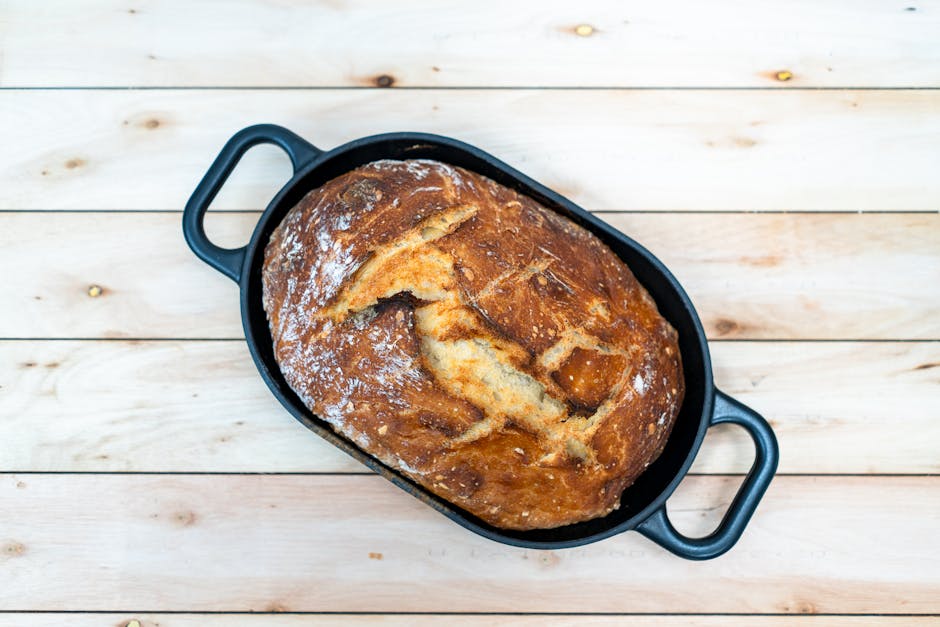
Choosing the right size and shape of a Dutch oven impacts your bread’s texture. A 5 to 6-quart round oven is ideal for most loaves. Oval shapes can accommodate longer bread, providing even baking and crusty results.
When choosing the best Dutch oven for baking bread, size and shape are crucial considerations. The right dimensions can significantly impact your bread’s texture and appearance. A Dutch oven that’s too small might stifle the growth of your dough, while one that’s too large could lead to uneven baking. Have you ever found yourself wondering why your bread didn’t rise as expected? It could be the size or shape of your Dutch oven.
Round Vs. Oval
Deciding between a round or oval Dutch oven can be a game-changer for your bread baking. Round Dutch ovens are perfect for rustic loaves with a classic look. They encourage even heat distribution, ensuring your bread bakes evenly. On the other hand, oval Dutch ovens provide more flexibility in terms of loaf size and shape. They are ideal for longer loaves, like baguettes or ciabatta, allowing them to stretch out comfortably. Think about the type of bread you bake most often. Do you lean towards traditional round loaves, or do you prefer experimenting with different shapes?
Capacity For Different Loaves
The capacity of your Dutch oven is another critical factor in achieving that perfect loaf. A Dutch oven with a capacity of 5 to 7 quarts is generally suitable for most bread recipes. It provides ample space for the dough to rise and expand without restriction. For smaller loaves or single servings, a 3-quart Dutch oven can be more convenient. It allows you to manage proportions better and avoid wastage. Consider the size of your family or how often you bake. Do you need a large Dutch oven for frequent baking, or would a smaller one suffice for occasional use? Choose wisely to match your baking habits.
Heat Retention And Distribution
Choosing the best Dutch oven for baking bread ensures even heat retention and distribution. A heavy, thick-walled design is ideal for capturing and spreading warmth uniformly. This creates perfect crust and texture, making it a favorite among home bakers.
The best Dutch oven for baking bread excels in heat retention and distribution. These features are crucial for achieving that perfect, crusty loaf. A Dutch oven traps heat efficiently, cooking bread evenly and thoroughly. This enhances the overall texture and taste. Let’s delve into why these elements are vital for bread baking.
Importance Of Even Heating
Even heating ensures that your bread cooks uniformly. Hot spots lead to unevenly baked loaves. A Dutch oven with excellent heat distribution prevents this issue. It allows for consistent baking results every time. The heavy cast iron construction plays a significant role. It maintains a steady temperature throughout the cooking process. This leads to beautifully browned crusts and soft interiors.
Lid Fit And Steam Trapping
The lid’s fit is essential for trapping steam. Steam helps develop the bread’s crust and texture. A well-fitting lid locks in moisture, creating an ideal baking environment. This steam enhances the bread’s rise and crust quality. The sealed environment mimics professional baking ovens. It allows home bakers to achieve bakery-quality results effortlessly.
Durability And Longevity
The durability and longevity of a Dutch oven are crucial factors when choosing the best one for baking bread. You want a pot that can withstand high heat, frequent use, and still offer consistent results over time. Imagine investing in a Dutch oven that outlasts trends and becomes a staple in your kitchen, making every loaf a delight. But what exactly makes a Dutch oven durable, and how can you ensure it lasts for years? Let’s dive into the details.
Factors Affecting Durability
Several elements determine the durability of a Dutch oven. The material is a key player; cast iron is a popular choice due to its robustness and heat retention. Yet, enamel-coated options bring additional protection, resisting rust and making cleaning easier.
Thickness matters too. A thicker pot retains heat better and withstands the rigors of frequent use. Handles should be sturdy, offering a solid grip even with oven mitts. A well-designed lid ensures heat stays inside, crucial for even baking.
Consider where you buy it. Well-established brands often provide better quality control, reducing the risk of imperfections that can affect longevity. It’s worth spending a bit more upfront for something that lasts.
Maintenance Tips
Proper care extends the life of your Dutch oven. Start by cleaning it gently; avoid harsh scrubbing pads that might damage the surface. Warm water and mild soap usually do the trick. Dry thoroughly to prevent rust.
Consider seasoning cast iron regularly. This adds a protective layer and enhances non-stick properties. If you have an enamel-coated oven, ensure you avoid metal utensils that could chip the coating.
Store your Dutch oven in a dry place. Moisture is the enemy of longevity, especially for cast iron. Placing a paper towel inside when storing can absorb residual moisture.
Are you giving your Dutch oven the care it deserves? Treating your kitchen tools with respect ensures they continue to serve you well, creating perfect loaves every time. Investing time in maintenance is investing in your culinary future.
Top Picks For Dutch Ovens
Discover the best Dutch oven for baking bread with our top picks. Each option offers exceptional heat retention and even cooking. Perfect for achieving that crusty, golden loaf every time.
Finding the right Dutch oven can elevate your bread baking to new heights. Whether you’re a beginner or a seasoned baker, choosing the best Dutch oven can make all the difference. Let’s explore some of the top options available, from budget-friendly choices to premium selections, to help you make an informed decision.
Budget-friendly Options
If you’re just starting out or looking to save a few bucks, there are several great Dutch ovens that won’t break the bank. Lodge Cast Iron Dutch Oven is a classic choice. It offers excellent heat retention and even heating, perfect for baking crusty bread. Plus, its durable design means it will last for years. AmazonBasics Enameled Cast Iron Dutch Oven is another wallet-friendly option. It combines affordability with performance, offering a smooth enamel finish that makes cleaning easy. Consider the size you need. A 5-quart Dutch oven is versatile for most bread recipes. What features matter most to you?
Premium Choices
If you’re ready to invest in a high-quality Dutch oven, there are options that offer exceptional performance and durability. Le Creuset Signature Enameled Cast-Iron Dutch Oven is a top-tier choice. Its vibrant colors and superior heat distribution make it a favorite among professional bakers. Staub Cast Iron Round Cocotte is another premium option. Known for its self-basting spikes, it keeps your dough moist, producing a perfect loaf every time. Think about the long-term. Investing in a premium Dutch oven might seem steep, but its durability and performance can be worth every penny. Choosing the right Dutch oven depends on your needs and budget. What’s your priority: cost, quality, or both?
Tips For Baking Bread In A Dutch Oven
Choosing the best Dutch oven helps in baking perfect bread with a crispy crust. Opt for a heavy, cast iron model with a tight lid. This ensures even heat distribution and moisture retention.
Baking bread in a Dutch oven can transform your homemade loaf into something bakery-worthy. The even heat distribution and steam-trapping qualities of a Dutch oven help create a perfect crust and tender crumb. Whether you’re a novice baker or a seasoned pro, a few tips can elevate your bread to new heights.
Preheating Techniques
Preheating your Dutch oven is crucial. It helps achieve that golden, crispy crust we all love. Place your empty Dutch oven in the oven as it preheats to the desired temperature, usually around 450°F (232°C). Some bakers recommend preheating for at least 30 minutes. This ensures the pot is evenly heated. Have you ever wondered why your bread sticks to the pot? Proper preheating can help prevent that. Consider experimenting with different preheat times. You might find that a longer preheat enhances your crust even more. But remember, always use oven mitts when handling the hot Dutch oven.
Using Parchment Paper
Parchment paper is a baker’s best friend. It makes transferring dough into the hot Dutch oven much easier and prevents sticking. Cut a piece of parchment paper large enough to hold your dough. Place the dough on the parchment, and then lift it into the hot Dutch oven. No more burned fingers from trying to drop dough directly into the pot. You might wonder if parchment paper can withstand the high heat. Most brands are safe up to 450°F (232°C). Always check the packaging to be sure. Using parchment paper also makes cleanup a breeze. The paper catches any flour or cornmeal you might use to prevent sticking, keeping your Dutch oven clean. Have you tried using it yet? It might just become your go-to method.
Common Mistakes To Avoid
Baking bread in a Dutch oven is a delightful experience that can fill your kitchen with warmth and the smell of freshly baked goodness. However, achieving that perfect crusty loaf requires attention to detail, and avoiding common mistakes can make all the difference. Let’s dive into some pitfalls you might encounter and how to steer clear of them for a flawless bake.
Overcrowding The Oven
Imagine trying to bake three loaves at once in a single Dutch oven. Sounds tempting, right? But overcrowding can lead to uneven baking, where some parts are undercooked while others are overdone. Each loaf needs space to rise and cook evenly.
Stick to one loaf per Dutch oven, especially if you’re just starting out. This ensures enough room for heat circulation, allowing your bread to expand and develop that lovely crust. Consider your oven size and how many loaves it can handle without sacrificing quality.
Have you ever tried squeezing too many loaves and ended up with a half-baked mess? It’s a common issue, but one easily avoided by planning your bake wisely.
Ignoring Preheating
Skipping preheating is like trying to bake in a cold oven—it just doesn’t work. A preheated Dutch oven is crucial for achieving that crispy crust and chewy interior. The initial burst of heat helps the dough rise quickly, setting the shape and texture.
Ensure your Dutch oven is piping hot before placing your dough inside. This step is non-negotiable for the best results. Preheating might seem like an extra hassle, but it’s worth the wait.
Ever wondered why your bread turned out flat and dense? Ignoring preheating could be the culprit. Make it a habit to set your oven to the desired temperature well in advance.
As you master these techniques, you’ll find your bread baking skills improve dramatically. Avoiding these common mistakes not only enhances your final product but also boosts your confidence in the kitchen. Are you ready to bake that perfect loaf?
User Reviews And Recommendations
People rave about Dutch ovens for baking bread. Users suggest sturdy models with even heat distribution for perfect crusts. Recommendations highlight brands known for durability and consistent results. Reviews often praise those with easy-to-clean surfaces and reliable lids.
When choosing the best Dutch oven for baking bread, user reviews and recommendations play a crucial role. They provide real-world insights that can guide your purchase decision. Let’s dive into the experiences of other baking enthusiasts to discover what makes a particular Dutch oven stand out.
What Users Love About Their Dutch Ovens
Many users rave about the heat retention of their Dutch ovens. This feature ensures even baking, producing bread with a perfectly crisp crust every time. One user mentioned how their bread achieved an artisan-like finish, reminiscent of a bakery. Another popular point is the versatility of Dutch ovens. While primarily used for bread, users appreciate the ability to cook stews and roasts. This multifunctionality adds value to their kitchen arsenal.
Common Concerns And How To Address Them
Some users express concerns about the weight of Dutch ovens. They can be quite heavy, especially when transferring in and out of the oven. Consider this if you prefer lighter cookware. Another issue is the price point. High-quality Dutch ovens can be an investment. However, many users find that the durability and performance justify the cost. Would you prefer a one-time purchase that lasts years or frequent replacements of cheaper alternatives?
Top User-recommended Brands
Le Creuset often tops the list for its durability and aesthetic appeal. Users love the vibrant colors and the lifetime warranty. One baker shared that their Le Creuset has been a family heirloom, passed down through generations. Lodge is another favorite, especially for those seeking affordability without compromising on quality. A user highlighted how their Lodge Dutch oven consistently delivered delicious sourdough with minimal effort.
Personal Experiences: A Baker’s Tale
I once hesitated before purchasing my first Dutch oven, overwhelmed by the choices. After reading countless reviews, I settled on a Lodge. The first loaf I baked had a golden crust and tender crumb, exactly as reviewers had described. Have you ever experienced a moment where a purchase exceeded your expectations based on user feedback? Such stories remind us of the power of shared experiences.
Final Thoughts On User Feedback
User reviews and recommendations are invaluable when selecting the best Dutch oven for baking bread. They offer practical insights and first-hand experiences that can guide your choice. By considering what others have loved or found challenging, you can make an informed decision tailored to your baking needs. How will you use these insights to choose your next kitchen companion?
Frequently Asked Questions
What Is The Best Dutch Oven To Bake Bread In?
The Lodge Cast Iron Dutch Oven is ideal for baking bread. It offers excellent heat retention and distribution. Choose a 5-quart size for versatility and ease. Its durable design ensures long-lasting use, perfect for achieving crusty, artisan-style loaves. Always preheat for optimal results.
What Is The Highest Quality Dutch Oven?
Le Creuset Dutch ovens are renowned for their quality and durability. Their enameled cast iron design ensures even heat distribution. Staub is another top-rated brand, known for its self-basting lids. Both brands offer long-lasting performance and come in various colors and sizes to suit any kitchen.
Which Dutch Oven Does America’s Test Kitchen Recommend?
America’s Test Kitchen recommends the Le Creuset 7¼-Quart Round Dutch Oven. It performs well in heat retention and durability. This Dutch oven is versatile and perfect for various cooking methods. Its quality and design make it a favorite among home cooks and professionals alike.
Is A Dutch Oven The Best Way To Bake Bread?
A Dutch oven is excellent for baking bread. It retains heat and moisture, creating a perfect crust. Many bakers prefer it for artisanal loaves. Its heavy lid traps steam, enhancing bread texture. Consider it for consistent results. Other methods exist, but a Dutch oven is popular among bread enthusiasts.
Conclusion
Choosing the right Dutch oven makes baking bread easier. It ensures even heat distribution. Your bread will have a perfect crust every time. Consider size and material before buying. Cast iron is durable and retains heat well. Handles should be sturdy for easy lifting.
A tight-fitting lid is important too. It keeps moisture in for a crispy crust. Try different brands to find your favorite. Practice makes perfect. Enjoy the aroma of freshly baked bread. It’s worth the effort. Happy baking!