Affiliate Disclosure: This post may contain affiliate links. If you purchase through links on our site, we may earn an affiliate commission at no extra cost to you.
Choosing the right salt for your cooking can completely transform your dishes from ordinary to extraordinary. You might wonder why such a simple ingredient can have such a significant impact.
Well, the truth is, not all salts are created equal. Each type of salt carries its own unique flavor, texture, and health benefits that can elevate your culinary creations. Have you ever stood in the grocery aisle, overwhelmed by the variety of salts on the shelves, unsure of which one will make your meals pop?
You’re not alone. We’ll unravel the mystery behind these grains of flavor, helping you discover the best salt for your cooking needs. Stick around, and you’ll gain the knowledge to enhance every meal you prepare, impressing even the most discerning palates.
Types Of Salt
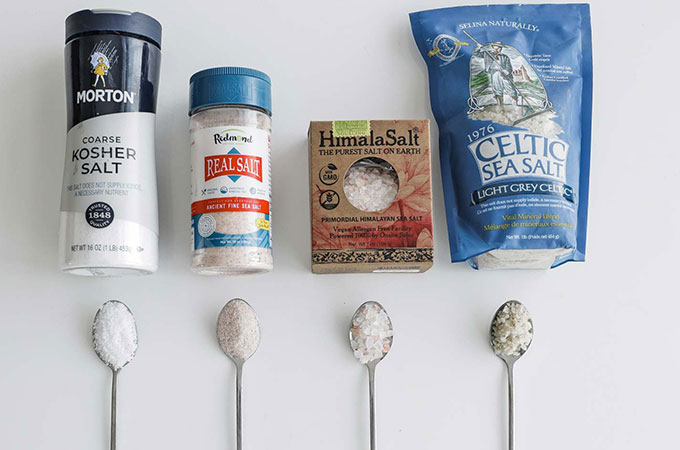
Choosing the best salt for cooking depends on the dish. Sea salt and Himalayan pink salt add unique flavors. Table salt is common for everyday use, while kosher salt is preferred for seasoning meats. Each type offers different textures and minerals, enhancing various culinary creations.
Salt is a kitchen essential that can transform your dishes from bland to brilliant. But with so many types available, which one should you choose? Understanding the different types of salt can elevate your cooking game and bring out the best flavors in your meals. Let’s dive into the specifics of each variety.
Table Salt
Table salt is probably what you grew up with. It’s fine, refined, and often iodized. Perfect for baking, its fine grains dissolve quickly. However, its intense saltiness can overpower delicate dishes. Have you ever noticed a metallic taste? That’s often due to anti-caking agents.
Kosher Salt
Kosher salt is a favorite among chefs. Its coarse texture makes it easy to pinch and sprinkle. It’s great for seasoning meats because it sticks well. Next time you’re seasoning a steak, try kosher salt. You’ll find it enhances the flavor without overpowering it.
Sea Salt
Sea salt is harvested from evaporated seawater. It contains trace minerals, adding subtle flavors to your dishes. It’s less refined than table salt, which can make it a healthier choice. Imagine sprinkling sea salt on a chocolate chip cookie. The contrast of sweet and salty creates a delightful experience.
Himalayan Pink Salt
Himalayan pink salt is visually stunning with its pink hue. It’s rich in minerals like calcium and magnesium. Many people love using it for its purported health benefits. Have you tried using it in a salt grinder? The crunch and flavor can elevate simple dishes like salads or grilled veggies.
Fleur De Sel
Fleur de Sel is the crème de la crème of salts. It’s hand-harvested from the surface of salt ponds. Known for its delicate flavor and moist texture, it’s often used as a finishing salt. Sprinkle Fleur de Sel on a caramel dessert. You’ll appreciate how it enhances the sweetness with a touch of luxury. Which type of salt do you gravitate towards in your kitchen? Trying different types can open up a world of flavors, and you might discover a new favorite.
Factors To Consider
Choosing the best salt for cooking might seem simple, but there are several factors to consider. The right salt can enhance flavors and make your dishes shine. However, with so many types available, it’s crucial to understand what makes each unique. Let’s dive into the important aspects that will guide your choice.
Texture And Grain Size
Texture and grain size matter significantly when selecting salt. Fine salt dissolves quickly, perfect for baking or seasoning soups. Coarse grains, like those found in kosher salt, are ideal for sprinkling over dishes just before serving, adding a delightful crunch. Imagine a fresh tomato salad where every bite has a tiny pop of salty goodness. Experimenting with different textures can really change the way your dish feels in the mouth.
Flavor Complexity
Salt is not just salty; it can carry other flavors too. Some salts, like Himalayan pink salt, offer a subtle earthiness, while smoked salts bring a rich, barbecue-like aroma. Think of salt as a spice that can add depth, not just saltiness. When you use a salt with complex flavors, it can elevate a simple grilled chicken to gourmet status. Have you ever tried smoked salt on chocolate? The surprising combination can be a game-changer!
Mineral Content
Different salts have varying mineral contents, which can impact both flavor and health. Sea salt retains trace minerals like magnesium and potassium, which might offer health benefits. Himalayan salt is often praised for its higher mineral content. However, it’s important to balance health aspects with taste. Would you choose a salt that offers minerals but alters the taste of your favorite dish? It’s a personal choice that depends on your priorities and taste preferences.
Choosing the best salt involves more than just grabbing the first one you see at the store. Consider texture, flavor, and mineral content to ensure it complements your cooking style and enhances your culinary creations. What will you sprinkle on your next masterpiece?
Best Salt For Different Dishes
Choosing the right salt can enhance your dish’s flavor. Different dishes need different types of salt. Each salt has unique properties that suit specific cooking methods. Understanding which salt to use can elevate your culinary creations.
Baking
Baking requires precision. Fine-grained salt dissolves quickly, ensuring even distribution. Table salt is ideal for its fine texture and consistent flavor. It mixes smoothly with other ingredients. Avoid coarse salts; they may not dissolve well.
Grilling And Roasting
Grilling and roasting benefit from coarse salt. Its larger crystals add a crunchy texture. Sea salt or kosher salt works well here. They enhance the meat’s natural flavors. Sprinkle them generously for a savory taste. Coarse salt holds up under high heat.
Finishing Touch
Finishing salts are about presentation and flavor. Use flaky sea salt for garnishing dishes. It provides a satisfying crunch and visual appeal. Maldon salt is popular for its delicate flakes. A pinch adds sophistication to any meal. Finish dishes with a light sprinkle for the best effect.
Health Considerations
Choosing the best salt for cooking involves considering health factors. Sea salt and Himalayan pink salt contain essential minerals. These options might enhance flavor while potentially offering health benefits.
When choosing salt for cooking, health considerations are crucial. The type of salt you use can impact your well-being. Different salts contain varying levels of sodium, iodine, and natural minerals. Understanding these elements helps you make informed choices for your health.
Sodium Intake
Sodium is essential for your body. It balances fluids and supports nerve function. But too much sodium can raise blood pressure. Table salt has more sodium than sea salt or Himalayan salt. Choose salts with lower sodium for a healthier option.
Iodine Content
Iodine is vital for thyroid health. It supports hormone production and metabolism. Some salts are iodized, adding this important mineral. Sea salt and kosher salt often lack iodine. If you need iodine, select iodized table salt.
Natural Minerals
Natural minerals enhance the flavor and nutritional value of salt. Himalayan salt contains trace minerals like potassium and magnesium. Sea salt has minerals from ocean water. These minerals can offer health benefits. Consider salts rich in minerals for added nutrition.
Sustainability And Sourcing
Choosing the best salt for cooking goes beyond taste. Consider sustainability and sourcing. These aspects ensure that the salt you use benefits both health and the planet. Sustainable salt production respects the environment and supports local communities. This section explores ethical harvesting and environmental impact in salt production.
Ethical Harvesting
Ethical harvesting involves fair labor practices. Workers receive fair wages and work in safe conditions. Ethical salt producers often support local communities. They invest in education and healthcare. This approach creates a positive impact on society.
Consumers can support ethical practices by choosing certified products. Look for labels indicating fair trade or ethical sourcing. These certifications ensure responsible production methods.
Environmental Impact
Sustainable salt production minimizes environmental harm. It involves careful management of natural resources. Producers aim to protect ecosystems. They avoid over-extraction and pollution.
Solar evaporation is an eco-friendly method. It uses the sun to evaporate seawater. This method reduces energy consumption. Another method is traditional mining. It causes less surface disruption than modern techniques.
Choosing salts from sustainable sources helps preserve the environment. It supports producers who prioritize the planet. This choice contributes to a healthier world.
Tips For Storing Salt
Salt is a vital ingredient in the culinary world. Proper storage ensures it remains fresh and effective. Understanding how to store salt prevents clumping and flavor loss. Here are some practical tips to keep your salt in top condition.
Moisture Control
Moisture is salt’s biggest enemy. It causes clumping and loss of texture. To combat this, keep salt in a dry place. Use a dehumidifier if your kitchen is humid. A few grains of rice in the salt container can absorb moisture. Rice works well for this purpose.
Storage Containers
Choose the right container to store your salt. Glass or ceramic jars with airtight lids are ideal. These materials keep moisture out effectively. Avoid metal containers, as salt can cause rust. Plastic containers can work, but ensure they are airtight. Label your containers to avoid confusion. This makes it easy to identify different types of salt.
Frequently Asked Questions
What Is The Healthiest Salt To Cook With?
Himalayan pink salt is considered the healthiest salt for cooking. It contains trace minerals and less sodium than regular table salt. Sea salt is another good option, as it retains natural minerals. Both enhance flavor while offering potential health benefits when used in moderation.
What Kind Of Salt Do Most Chefs Use?
Chefs usually prefer kosher salt for its coarse texture and purity. It enhances flavors without overpowering dishes. Kosher salt dissolves easily and is ideal for seasoning meats and vegetables. Its larger grains make it easier to control and distribute evenly, making it a favorite in professional kitchens.
Is It Better To Cook With Sea Salt Or Iodized Salt?
Sea salt offers trace minerals and a natural taste, while iodized salt provides essential iodine for thyroid health. Choose based on dietary needs and flavor preference. Both salts enhance dishes effectively, but iodized salt helps prevent iodine deficiency. Balance use for optimal health benefits and taste satisfaction.
Is Sea Salt Or Himalayan Salt Better For Cooking?
Himalayan salt contains more minerals than sea salt, offering a unique flavor. Sea salt is versatile and widely available. Both salts can enhance dishes, but preference depends on taste and texture. Choose Himalayan for its mineral content and sea salt for its milder flavor.
Conclusion
Choosing the right salt can enhance your dishes. Each type offers unique flavors. Sea salt adds a natural touch. Table salt is common and budget-friendly. Kosher salt is preferred by chefs for its texture. Himalayan pink salt brings a subtle flavor with minerals.
Experimenting with different salts can elevate your cooking. Consider the dish and personal taste when choosing. Remember, a little salt goes a long way. Enjoy exploring the world of salts in your kitchen. Happy cooking!








