Affiliate Disclosure: This post may contain affiliate links. If you purchase through links on our site, we may earn an affiliate commission at no extra cost to you.
Have you ever stood in the spice aisle, staring at a dizzying array of salts and wondering which one to pick for your culinary creations? You’re not alone.
Choosing the right salt can transform your dishes from ordinary to extraordinary, and you deserve to know which salt will give your meals that perfect touch. Whether you’re a seasoned chef or just starting to explore the world of cooking, knowing the best salt to use can make a significant difference in flavor, texture, and even the health benefits of your food.
Unlock the secrets behind the salts that top chefs swear by and discover how you can elevate your cooking game with just a pinch of the right choice. Stay with us to learn how you can turn your kitchen into a place where delicious magic happens.
Credit: heatherlea.ca
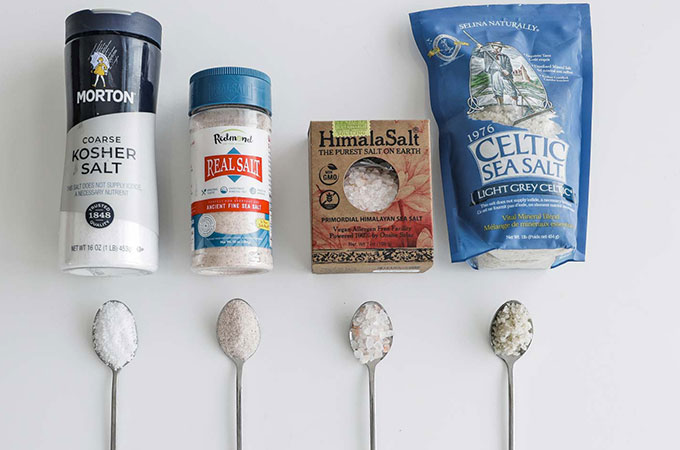
Types Of Salt
Choosing the right salt can change your cooking. Different salts bring unique flavors and textures. Knowing the types can help elevate your dishes. Each salt type has its own characteristics and uses. Let’s explore the most common types of salt used in kitchens around the world.
Table Salt
Table salt is the most common. It is fine and evenly sized. This makes it perfect for baking and everyday cooking. It often has iodine added. This helps prevent iodine deficiency. It dissolves quickly, making it ideal for soups and sauces.
Kosher Salt
Kosher salt has larger, coarser grains. Chefs love it for its texture and flavor. It is easy to pinch and sprinkle. Kosher salt is great for seasoning meat and vegetables. It does not contain iodine, which some prefer for a cleaner taste.
Sea Salt
Sea salt comes from evaporated seawater. It has a more complex flavor. You will find it in fine and coarse varieties. Sea salt is great for finishing dishes. It adds a touch of natural flavor. Use it in salads and on roasted vegetables.
Himalayan Pink Salt
Himalayan pink salt is mined from ancient sea beds. Its pink color comes from trace minerals. It has a milder flavor than table salt. Many like it for its unique look and taste. Use it as a finishing touch or in salt grinders.
Celtic Sea Salt
Celtic sea salt is harvested from coastal regions in France. It retains moisture and has a greyish hue. It is known for its rich mineral content. The flavor is slightly briny. It works well in hearty soups and stews.
Flavor Profiles
Salt is more than just a seasoning; it’s an essential ingredient that can elevate your dishes. Understanding the flavor profiles of different types of salt can make a huge difference in your cooking. It’s not just about adding saltiness; it’s about enhancing the overall flavor of your food. Let’s dive into what makes each type of salt unique, focusing on salt intensity, mineral content, and texture and grain size.
Salt Intensity
Have you ever wondered why some dishes taste overly salty while others are perfectly seasoned? The intensity of salt varies greatly. Table salt, for instance, is pure sodium chloride and packs a punch in terms of saltiness. It’s easy to overdo it with this type.
In contrast, sea salt or kosher salt might require you to add a little more due to their milder taste. This is because they contain less sodium per grain compared to table salt. Experimenting with different salts can help you find the right balance in your recipes. Do you have a favorite dish that could benefit from a milder salt?
Mineral Content
Mineral content can dramatically alter the flavor profile of salt. Himalayan pink salt, for example, contains trace minerals like potassium, magnesium, and calcium, giving it a subtly unique taste. It’s not just saltiness; it’s an intricate blend of flavors.
These minerals can add depth to your dishes, making them more complex. Have you noticed a difference when using Himalayan salt in your cooking? Sea salt also offers a range of minerals that can enhance the natural flavors in food. Consider the mineral content next time you choose a salt for your recipe.
Texture And Grain Size
Texture and grain size are not just about how the salt feels; they influence how it dissolves and interacts with food. Fine-grained table salt dissolves quickly, making it ideal for baking where even distribution is key.
On the other hand, coarse sea salt or flaky Maldon salt can add a delightful crunch and burst of flavor when sprinkled on finished dishes. These salts can create layers of taste and texture. Have you tried using flaky salt to finish a steak or salad? It can transform the eating experience. Think about how texture might change the way you enjoy your meal.
Best Uses For Each Type
Choosing the right salt for cooking can elevate your dishes from ordinary to extraordinary. With so many options available, understanding the best uses for each type of salt is essential. Whether you’re whipping up a quick dinner, baking a cake, or preserving seasonal veggies, each salt variety has its unique role in the kitchen. Let’s dive into the specifics and discover how you can make the most of these culinary staples.
Everyday Cooking
When preparing your daily meals, reach for kosher salt. Its coarse texture is perfect for seasoning meats and vegetables. You can feel the grains between your fingers, allowing for precise control over how much you’re adding. Imagine perfectly seasoned roasted potatoes or a juicy steak with just the right amount of saltiness.
Table salt also works well for soups and stews. Its fine grains dissolve quickly, ensuring even seasoning throughout the dish. Remember that table salt is often iodized, which some say can affect taste. Consider this when selecting your salt for everyday use.
Baking
In the world of baking, precision is key. Use fine sea salt for baked goods like cookies and cakes. It mixes smoothly with dry ingredients, ensuring your batter or dough is evenly seasoned. Have you ever bitten into a cookie and tasted a burst of unexpected saltiness? That’s often due to uneven mixing.
Not all baking recipes require salt, but when they do, the right choice can make all the difference. Think about how a pinch of salt enhances the sweetness of chocolate or balances the richness of butter.
Finishing Touches
For that final flourish, reach for flaky sea salt. It’s perfect for sprinkling over dishes just before serving. Picture a slice of watermelon with a hint of salt or a chocolate tart with a sprinkle on top. It adds texture and a burst of flavor.
Consider using fleur de sel, a popular finishing salt. Its delicate crystals provide a sophisticated touch to gourmet dishes. It’s a small detail that can make a big impact, elevating your meal from home-cooked to restaurant-quality.
Pickling And Preserving
When preserving foods, like pickles or sauerkraut, use pickling salt. It dissolves easily, creating a clear brine without additives that can cloud your jar. Imagine opening a jar of homemade pickles and seeing them crisp and vibrant.
Canning salt is another option for preserving. It ensures your fruits and vegetables maintain their texture and color over time. Have you tried making jam or jelly at home? Using the right salt can keep your preserves looking and tasting fresh longer.
With so many types of salt available, have you considered experimenting with them to find your perfect match? Each type has its unique charm and purpose, and understanding their uses can transform your cooking experience. So next time you’re in the kitchen, think about the salt you’re using—could switching it up make your dish shine?
Health Considerations
Choosing the right salt for cooking can impact your health. Sea salt retains minerals like magnesium and calcium. Himalayan pink salt offers trace elements that may support wellness. Opt for unrefined salts to add flavor and nutrients without excessive sodium intake.
Cooking with salt is a balancing act between flavor and health. While salt can enhance taste, it’s important to consider how it impacts your well-being. Different types of salt offer various health benefits and risks, and understanding these can help you make informed choices for your kitchen.
Sodium Content
Sodium is a vital mineral that helps regulate fluid balance and nerve function. However, high sodium intake can lead to health issues like high blood pressure. Most table salts contain high sodium levels, which can be concerning if you’re watching your intake. Have you ever noticed how sea salt tastes less salty? That’s because it typically contains less sodium than regular table salt. Choosing salts with lower sodium content can be a simple way to adjust your diet without sacrificing flavor.
Trace Minerals
Beyond sodium, some salts offer additional trace minerals that contribute to your overall health. Sea salt and Himalayan pink salt, for instance, contain minerals like magnesium and calcium. These minerals can support bone health and muscle function. Consider using salts with trace minerals to add a nutritional boost to your meals. Do you find yourself often fatigued? These minerals might help improve your energy levels when included in your diet regularly.
Allergies And Sensitivities
Salt isn’t just about taste—it’s also about how your body reacts to it. Some people experience allergies or sensitivities to certain types of salt. If you’ve ever felt bloated after a salty meal, you might be sensitive to additives in table salt, like anti-caking agents. Natural salts, like kosher or sea salt, are often free from these additives, offering a cleaner option. Have you ever tried switching to a different type of salt to see if it makes a difference in how you feel? It’s worth experimenting to find what suits your body best. Choosing the right salt involves more than just flavor. Consider how different salts impact your health and experiment to find the best fit for your lifestyle.
Choosing The Right Salt
Choosing the right salt can elevate your cooking. Each type of salt brings unique flavors and textures to dishes. Understanding the characteristics of different salts helps in selecting the perfect one for your culinary creations.
Personal Taste Preferences
Your taste buds guide your salt choice. Some prefer the bold flavor of sea salt. Others like the subtle taste of table salt. Experimenting with different salts can uncover new taste experiences. Flake salts add a delicate crunch. Kosher salt dissolves quickly, enhancing flavors gently. Try various salts to find what pleases your palate.
Dietary Needs
Your health needs matter when choosing salt. Those on low-sodium diets opt for potassium salt substitutes. Sea salt contains trace minerals, but it’s not low-sodium. Himalayan pink salt offers minerals like magnesium. It’s still essential to monitor salt intake. Balance flavor and health goals with the right salt choice.
Culinary Goals
Different salts serve different cooking purposes. Finishing salts like Maldon add texture to final dishes. Kosher salt works well for seasoning meats. Its coarse texture adheres nicely. Table salt dissolves quickly in soups and sauces. Choose salt based on your cooking objectives. Enhance flavors or textures, depending on your culinary goals.
Storing And Handling Salt
Choosing the best salt for cooking enhances flavor. Sea salt and kosher salt are popular choices for their purity and texture. Store in a cool, dry place to preserve quality.
Storing and handling salt might seem straightforward, but it plays a crucial role in maintaining its quality. Have you ever found your salt clumped together or lost its savory punch? Proper storage and handling can prevent these issues and keep your cooking experience enjoyable. Let’s dive into some practical tips to ensure your salt remains as fresh as the day you bought it.
Storage Tips
Storing salt correctly is essential to maintain its quality. Keep your salt in an airtight container to protect it from moisture. A cool, dry place, away from the stove, is ideal to prevent any changes in texture or flavor. Consider using glass, ceramic, or food-grade plastic containers. These materials don’t react with salt and preserve its taste. If you’re like me and enjoy aesthetics, a beautiful salt cellar can also serve as a functional kitchen accessory.
Preventing Clumping
Clumping is a common issue with salt, especially in humid environments. Adding a few grains of uncooked rice to your salt container can absorb excess moisture. This simple trick can prevent those frustrating clumps. If you prefer a more elegant solution, invest in a ceramic salt pig. Its design allows easy access while keeping moisture at bay. Have you ever thought about how your salt storage impacts your cooking efficiency?
Shelf Life
Did you know that salt doesn’t spoil, but its quality can degrade over time? While salt itself has an indefinite shelf life, iodized salt might lose its iodine content after a few years. Always check the label for any specific expiration information. To ensure optimal freshness, use salt within five years. This timeframe helps maintain both flavor and nutritional benefits. Your dishes deserve the best quality ingredients, and salt is no exception. Storing and handling salt properly can transform your cooking experience. Implement these tips today and notice the difference in your kitchen adventures. What new storage method will you try next?
Frequently Asked Questions
What Is The Healthiest Salt To Use For Cooking?
Himalayan pink salt is often considered the healthiest for cooking. It contains essential minerals and is less processed. Sea salt is another good option, rich in trace elements. Choose salts with minimal refining for better health benefits. Always consume salt in moderation for optimal health.
What Kind Of Salt Do Most Chefs Use?
Most chefs prefer using kosher salt for its coarse texture and clean taste. It dissolves quickly, enhancing flavors. Chefs also favor sea salt for its mineral-rich content and complex flavors. Both options are versatile, making them ideal for various culinary applications.
Kosher and sea salt remain top choices in professional kitchens.
Is It Better To Cook With Sea Salt Or Iodized Salt?
Sea salt offers trace minerals and a milder flavor, while iodized salt provides essential iodine for thyroid health. Choose sea salt for taste and iodized salt for nutrition. Both salts enhance dishes, but preferences depend on health needs and flavor profiles.
Which Salt Is Better, Himalayan Or Celtic Sea Salt?
Himalayan salt contains more minerals and trace elements, while Celtic sea salt retains more moisture. Both salts offer unique flavors and potential health benefits. Preference depends on taste and intended use. Choose based on personal preference and dietary needs.
Conclusion
Choosing the right salt can enhance your cooking. Each type offers unique benefits. Sea salt provides minerals and a fresh taste. Kosher salt is great for seasoning meats. Table salt dissolves quickly and is versatile. Himalayan salt adds a touch of color and minerals.
Consider your dish and preference when selecting salt. Experiment with different types to find your favorite. Remember, salt can make a big difference. A little goes a long way. Enjoy the exploration and discover new flavors. Happy cooking!








