Affiliate Disclosure: This post may contain affiliate links. If you purchase through links on our site, we may earn an affiliate commission at no extra cost to you.
Imagine biting into a slice of pizza where the crust is perfectly crisp, the cheese is bubbly, and the toppings are cooked to perfection. Achieving this mouth-watering result isn’t just about using the right ingredients; it’s about getting the temperature of your pizza oven just right.
If you’ve ever wondered what the best temperature is for baking the perfect pizza, you’re not alone. The right temperature can be the difference between a soggy slice and a pizza masterpiece. We’ll dive into the science and art of pizza oven temperatures, revealing the ideal heat settings that will elevate your pizza game.
So, are you ready to discover the secrets that pizza pros swear by? Stick with us, and you’ll soon be the go-to pizza guru in your circle.
Ideal Temperature Range
The best temperature for a pizza oven is between 450°F and 500°F. This range ensures a crispy crust and perfectly melted cheese. Maintain this heat for the ideal cooking experience.
Finding the right temperature for your pizza oven can make the difference between a soggy crust and a crispy masterpiece. The ideal temperature range is crucial to achieving that perfect balance of a well-cooked base and melted toppings. Understanding this range can transform your homemade pizza experience, bringing it closer to the authentic taste of a traditional pizzeria.
Why Temperature Matters
Pizza baking is an art that hinges on the oven’s heat. Too low, and your pizza might end up undercooked or chewy. Too high, and you risk burning the crust before the cheese melts.
What Is The Ideal Temperature Range?
For most traditional pizza ovens, the sweet spot is between 450°F to 500°F (232°C to 260°C). This range ensures the crust gets crispy while the toppings cook evenly. This temperature also helps the dough rise quickly, creating those airy pockets we love.
Experimenting With Different Temperatures
While 450°F to 500°F is optimal, don’t be afraid to experiment. If you prefer a slightly crispier crust, you might try nudging the temperature up a bit. On the other hand, if you like a thicker crust, lowering the temperature slightly can help cook the dough without over-browning the top.
Monitoring Your Oven
Invest in an oven thermometer for accuracy. Even if your oven has a built-in gauge, it might not reflect the actual temperature inside. Regular checks can ensure your pizza bakes perfectly every time.
Personal Experience With Different Ovens
I once borrowed a friend’s wood-fired oven, and the pizzas turned out divine at 700°F (371°C). However, when using a home oven, I find sticking to the 450°F to 500°F range yields the best results. Have you tried different ovens or temperatures?
Adjusting For Different Pizza Styles
Neapolitan pizzas thrive at higher temperatures around 800°F (427°C) for a quick bake. In contrast, New York-style pizzas are best at the lower end of the range. Understanding these nuances can make your pizza night a hit.
Final Thoughts
Adjusting your pizza oven to the right temperature can seem daunting at first. Yet, with practice and a bit of experimentation, you’ll find what works best for your style and taste. What temperature works best for your homemade pizzas? Share your experiences and tips to inspire fellow pizza enthusiasts.
Factors Affecting Temperature
Choosing the right temperature for a pizza oven involves various elements. These factors ensure your pizza cooks perfectly, with the right texture and flavor. From the type of pizza to the oven style, each plays a crucial role in the final product.
Type Of Pizza
Different pizzas require different temperatures. Neapolitan pizza needs a very hot oven, around 900°F. This helps it cook quickly and achieve a soft, chewy crust. Thin-crust pizzas, like New York style, cook well at 500°F to 600°F. This temperature makes the crust crispy while keeping the toppings moist.
Oven Type
The kind of oven influences how it heats the pizza. Wood-fired ovens reach high temperatures quickly. They provide a smoky flavor, ideal for traditional pizzas. Gas ovens heat evenly and are easier to control. Electric ovens offer consistent heat but might take longer to reach high temperatures.
Dough Thickness
Thick dough requires a lower temperature to cook through without burning. A temperature around 450°F works well. It ensures the inside cooks while the outside remains golden. Thin dough needs higher heat to crisp without becoming dry. Adjusting the temperature based on dough thickness is crucial for the perfect pizza.
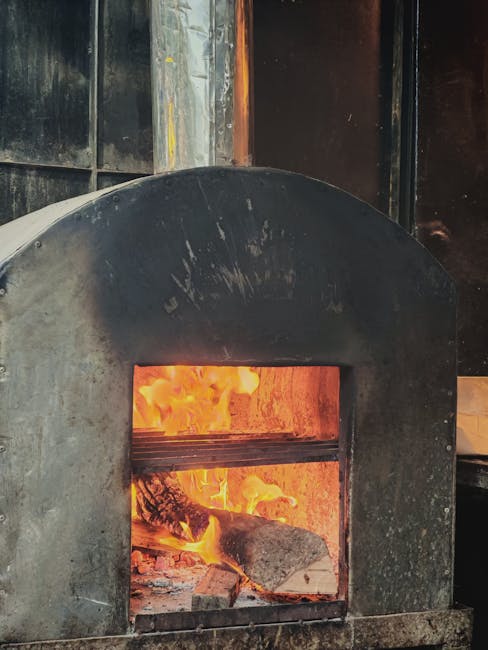
Wood-fired Ovens
Achieving the perfect pizza involves setting the right oven temperature. Wood-fired ovens typically need to be around 700°F to cook pizzas evenly. This heat ensures a crispy crust and melted cheese, delivering a delicious slice every time.
Wood-fired ovens are a culinary delight for pizza lovers, known for infusing the perfect smoky flavor into every bite. These ovens have been used for centuries and bring an authentic touch to your homemade pizzas. If you’re aiming to master your pizza-making skills, understanding the ideal temperature for a wood-fired oven is crucial.
Optimal Heat Levels
Getting the temperature right in a wood-fired oven can elevate your pizza to new heights. The sweet spot usually lies between 750°F and 900°F. At this temperature, your pizza cooks evenly and acquires a crispy crust while the toppings remain juicy and flavorful. A personal tip: I once hosted a pizza night and learned that maintaining a consistent high heat is key. The pizzas cooked perfectly in under two minutes, and the guests couldn’t get enough. Have you tried experimenting with different heat levels in your wood-fired oven?
Heat Distribution
Even heat distribution is another critical factor in achieving that perfect pizza. In a wood-fired oven, the fire’s position impacts how heat circulates. Typically, the fire should be built to one side, allowing the heat to move across the oven ceiling and reflect downwards. This method ensures that both the top and bottom of your pizza are cooked evenly. To make sure your oven is distributing heat properly, consider using an infrared thermometer. It helps you pinpoint any cold spots and adjust the fire accordingly. Have you ever noticed uneven baking in your pizzas? Adjusting the fire and monitoring the heat can make a significant difference. These little tweaks can transform your pizza-making experience, ensuring each slice is a perfect balance of texture and taste.
Gas Ovens
Gas ovens are the choice of many professional and home pizza makers. They offer quick heating and precise temperature control, which is crucial for achieving that perfect crust. While the debate over the best temperature can be heated (pun intended), understanding how to harness the power of a gas oven is key to mastering your pizza game.
Temperature Control
Gas ovens excel in temperature control, allowing you to fine-tune the heat to suit your pizza style. You can adjust the temperature quickly, offering flexibility to experiment with different crust textures.
To find your sweet spot, consider starting around 500°F (260°C). Adjust based on your preferences and the thickness of your pizza. Thicker crusts may need a slightly lower temperature to prevent burning while still cooking through.
Personal story: I’ve tried several settings, and I found that for a crisp crust without a charred bottom, 475°F works wonders. It’s all about trial and error, so don’t be afraid to adjust and taste-test!
Efficiency Considerations
Gas ovens heat up quickly, making them ideal for impromptu pizza nights. They maintain consistent heat, ensuring even cooking, which is essential for achieving a uniform crust.
Efficient heat distribution means you won’t need to constantly rotate your pizza or worry about uneven baking. This efficiency reduces the cooking time, saving both energy and your patience.
Think about how much time you save with a gas oven. Isn’t it great to spend more time enjoying your pizza rather than waiting for it to cook?
What’s your experience with gas ovens? Have you found a favorite temperature that never fails? Share your thoughts in the comments!
Electric Ovens
Electric ovens are popular for home pizza making. They are user-friendly and convenient. Their consistent performance makes them a favorite choice. Let’s explore the benefits of electric ovens.
Consistency In Heating
Electric ovens offer even heat distribution. This ensures the entire pizza cooks uniformly. No more unevenly cooked crusts or toppings. Consistent heating leads to a perfect pizza every time.
Energy Consumption
Electric ovens are energy-efficient. They use less power compared to traditional ovens. This means lower electricity bills. An eco-friendly choice for pizza lovers.
Tips For Maintaining Temperature
For perfect pizza, maintain your oven at 475-500°F. This heat ensures a crispy crust and melted cheese. Keep an eye on the temperature to avoid burning.
When it comes to baking the perfect pizza, maintaining the right temperature in your oven is crucial. A consistent temperature ensures that your pizza crust is crispy and toppings are perfectly cooked. Keeping your oven at the right heat level might sound challenging, but with the right techniques, you can achieve mouth-watering results every time. Here are some practical tips to help you maintain the ideal temperature for your pizza oven.
Preheating Techniques
Preheating your pizza oven is the first step to achieving a perfectly cooked pizza. A well-preheated oven ensures even cooking, which can make a big difference in your pizza’s texture. Start by heating your oven to its maximum temperature for at least 30 minutes before baking. This might seem like a long time, but it’s essential for getting that professional pizzeria taste. If you’re using a wood-fired oven, try using smaller pieces of wood. They burn faster and help reach the desired temperature more quickly.
Using A Thermometer
A reliable thermometer is your best friend in maintaining the perfect oven temperature. While many ovens have built-in thermometers, they aren’t always accurate. Consider investing in an infrared thermometer. It allows you to quickly and accurately check the surface temperature of your oven floor. Check the temperature before placing your pizza inside. Even a small variation can affect the cooking process. Have you ever found your pizza crust too chewy or undercooked? It might just be a temperature issue. Keeping a close eye on the heat can transform your pizza-making game. Ensuring the right temperature in your pizza oven isn’t about precision alone. It’s about enhancing your home cooking experience. Why not try these tips and see the difference in your next homemade pizza?
Common Mistakes
Finding the best temperature for a pizza oven is crucial. Many make common mistakes that affect pizza quality. A perfect pizza needs the right balance of heat. Too much or too little can ruin your efforts. Understanding these common pitfalls helps achieve the perfect bake.
Overheating Issues
Overheating the oven is a frequent mistake. High temperatures can burn the crust. This leaves the toppings undercooked. An overheated oven can also cause uneven cooking. The result? A pizza that’s crispy outside and raw inside. Always monitor the temperature closely. A balanced temperature ensures even baking and a delicious pizza.
Uneven Cooking
Uneven cooking is another common issue. It often results from poor temperature management. Some areas of the oven may get hotter. This leads to one side cooking faster. The other side may stay undercooked. Rotating the pizza midway can help. Consistent oven temperature is key for even cooking.
Adjusting For Altitude
Altitude can play a surprising role in your pizza-making success. If you’re living in the mountains or planning a pizza party at a high elevation, you might find that your favorite recipe doesn’t quite turn out the same way. The higher you go, the more the air pressure changes, which can affect the heat levels in your pizza oven. So, what should you do to adjust for altitude and make sure your pizzas come out perfect every time?
Impact On Heat Levels
At higher altitudes, the air is thinner, meaning heat behaves differently. Your oven might not reach the temperature you’re used to, or it might cool down faster. You may need to crank up the heat a bit more than usual. This is because the reduced air pressure allows water to boil at a lower temperature, affecting how your dough bakes.
Think about how your oven temperature gauge might mislead you. If you’re at 5,000 feet above sea level, your oven’s 700°F could feel more like 650°F. This can change the texture of your crust. Keep an eye on your oven and adjust accordingly.
Baking Adjustments
When baking at altitude, adjustments are your best friend. You might need to tweak your dough recipe a bit. Consider adding a bit more water to account for faster evaporation. This keeps your dough moist and prevents it from drying out.
If you’ve ever baked a cake at altitude, you’ll know that sometimes recipes need a little tweaking. The same goes for pizza dough. A pinch more yeast or a little less sugar can help your dough rise correctly. Experiment until you find the sweet spot for your altitude.
Have you ever tried cooking a pizza at altitude before? Did you notice it cooked faster or slower than expected? These are the kinds of questions you should ask yourself as you adjust your recipes for altitude. Keep notes on what works and what doesn’t so next time you can hit the ground running.
Frequently Asked Questions
Should I Cook Pizza At 450 Or 500?
Cook pizza at 500°F for a crispy crust and evenly melted toppings. This high temperature ensures a restaurant-quality result. Preheat your oven for the best outcome and monitor the pizza closely to avoid burning. Adjust baking time based on thickness and personal preference.
Is 350 Hot Enough For Pizza?
A 350°F oven is generally not hot enough for pizza. Optimal pizza baking temperature ranges between 450°F to 500°F. This ensures a crispy crust and evenly cooked toppings. Adjusting to higher temperatures enhances pizza quality and taste. Always preheat your oven for best results.
Is 500 Degrees Too Hot For A Pizza Stone?
500 degrees Fahrenheit is generally safe for most pizza stones. Always check the manufacturer’s guidelines. Preheat the stone properly to avoid cracking. Avoid placing cold or frozen items directly on a hot stone. Consistent high heat helps achieve a crispy crust.
Use caution and monitor your cooking.
What Temperature Do You Cook Homemade Pizza At?
Cook homemade pizza at 475°F to 500°F for optimal results. Preheat the oven for crisp crust. Use a pizza stone or baking sheet for even cooking. Bake until the cheese bubbles and the crust is golden brown, usually 10-15 minutes.
Adjust time based on thickness and toppings.
Conclusion
Perfect pizza requires the right oven temperature. The ideal range is 450-500°F. This ensures a crispy crust and melted cheese. Too low, and the pizza turns soggy. Too high, and it burns. Experiment with your oven for the best results.
Remember, the perfect pizza is a balance of heat and timing. Each oven is different, so adjust accordingly. Enjoy your delicious homemade pizza creations. Keep practicing to refine your pizza-making skills. The right temperature makes all the difference. Happy baking!








