Affiliate Disclosure: This post may contain affiliate links. If you purchase through links on our site, we may earn an affiliate commission at no extra cost to you.
Have you ever wondered why your evenings sometimes feel off-balance? You might be surprised to learn that the timing of your dinner could be the culprit.
Understanding the best time for dinner can transform not just your evenings, but also your overall health and wellbeing. Imagine finishing your meals at a time that boosts your energy, enhances your digestion, and even helps you sleep better. Curious about the perfect dinner timing that aligns with your lifestyle and body rhythm?
Stick around as we uncover the secrets to optimizing your evening meal.
Cultural Variations In Dinner Time
Dinner time varies widely across cultures. Different traditions shape this evening meal. From early bird dinners to late-night feasts, each culture has its unique rhythm.
European Dinner Time
In Europe, dinner times differ greatly. Italians often dine around 8 PM. The Spanish may eat even later, often closer to 10 PM. Early evenings are more common in Northern Europe. For instance, Germans might eat around 6 PM.
American Dinner Time
In the United States, dinner is typically between 5 and 7 PM. This timing aligns with the end of the workday. Families often gather for a meal soon after. This tradition blends convenience with social time.
Asian Dinner Time
Asian cultures offer diverse dinner traditions. In Japan, dinner can start as early as 6 PM. In China, dinner may stretch into the later evening hours. This variation is influenced by lifestyle and work schedules.
Middle Eastern Dinner Time
In the Middle East, dinner is often a late affair. Many families eat around 8 or 9 PM. This timing is influenced by the climate and social norms. Evening meals become a time for gathering and relaxation.
South American Dinner Time
South American countries present unique dinner habits. In Argentina, dinner may start as late as 10 PM. This timing allows for longer social interactions. Evening meals are part of the cultural fabric.
African Dinner Time
African nations showcase varied dinner times. In Nigeria, dinner might be served between 6 and 8 PM. Rural areas often have earlier meal times. Urban settings might stretch dinner hours further.
Health Benefits Of Early Dinner
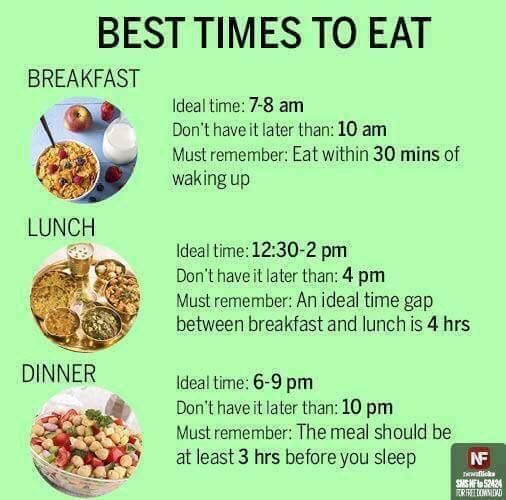
Eating dinner early can boost your health. The best time for dinner is before 7 PM. Early meals help digestion and improve sleep.
Eating dinner early can be a game changer for your health. Many people often overlook the timing of their meals. But when you eat dinner can impact your digestion, sleep, and overall wellness. Imagine the difference a simple change in timing can make in your daily life. You might wonder, why does eating early matter? Let’s explore some health benefits that can motivate you to shift your dinner habits.
Improved Digestion
Eating dinner early can greatly improve your digestion. When you eat late, your body has less time to process food before bedtime. This can lead to discomfort and bloating. By shifting dinner to an earlier time, you give your digestive system ample time to break down the food. Try having dinner around 6 or 7 pm. Your stomach will thank you, and you’ll avoid that heavy feeling when you hit the sack. Consider this: my grandmother always insisted on early dinners. Her secret? She claimed it kept her feeling light and energetic, even as she aged. Could an early dinner be your digestive solution too?
Better Sleep Quality
An early dinner can also enhance your sleep quality. Late-night meals can disrupt your sleep cycle, leaving you tired the next day. Eating early allows your body to wind down naturally, promoting deeper and more restful sleep. Picture this: you finish dinner by 7 pm and have a relaxing evening. Your body has time to relax, and by bedtime, you’re ready to sleep peacefully. This routine could be the key to overcoming those restless nights. Have you ever noticed how a late dinner can leave you tossing and turning? An early meal might be all you need to sleep like a baby. Give it a try and observe the difference in your sleep patterns. By adjusting your dinner time, you can enjoy better digestion and improved sleep quality. How willing are you to make a simple change for a healthier, more rested life?
Impacts Of Late Dinner
Eating late at night can affect health in surprising ways. The timing of your dinner can play a crucial role in overall well-being. Late dinners can disrupt sleep and cause weight gain. Understanding these impacts helps make informed choices about meal times.
Weight Gain Concerns
Eating late can lead to unwanted weight gain. The body has less time to burn calories before sleep. Metabolism slows down at night, storing more fat. People may also eat more unhealthy snacks at night. This can add extra calories and cause weight gain.
Sleep Disruptions
Late dinners often disturb sleep patterns. Eating close to bedtime can cause indigestion. This discomfort may make falling asleep difficult. Late meals can increase heart rate, affecting deep sleep. Poor sleep may lead to less energy the next day.
Expert Opinions On Optimal Dinner Time
Choosing the right dinner time impacts health and well-being. Experts offer diverse perspectives. Their insights can guide you toward the best choice for your lifestyle.
Dietitians’ Recommendations
Dietitians suggest having dinner at least three hours before bed. This timing aids digestion and helps maintain a healthy weight. Eating earlier also aligns with natural hunger patterns. It prevents late-night snacking, which can disrupt sleep.
A balanced dinner includes vegetables, lean protein, and whole grains. This combination provides essential nutrients. It supports metabolism and energy levels.
Chronobiologists’ Insights
Chronobiologists study the body’s natural rhythms. They advise eating dinner in sync with your internal clock. Most recommend dining between 6 PM and 7 PM. This period aligns with the body’s natural digestive peak.
Eating during this window can enhance digestion. It may also improve sleep quality and overall health. Aligning meals with biological rhythms helps optimize energy use.
Influence Of Lifestyle On Dinner Timing
Choosing the perfect dinner time can be challenging. Lifestyle plays a huge role. Different factors influence when people sit down to eat. Work schedules and family dynamics are two major elements that affect dinner timing. Let’s explore how these factors shape our dinner routines.
Work Schedules
Work schedules greatly impact dinner timing. Many people finish work in the late afternoon or evening. This often leads to dinner between 6 PM and 8 PM. Those with flexible jobs might eat earlier or later. Shift workers, like nurses, have unique dinner times. Their schedules are less predictable. They might have dinner late at night or even early morning. Remote workers may choose a more convenient time. Their ability to manage time offers more freedom.
Family Dynamics
Family dynamics strongly influence dinner schedules. Families with young children often eat earlier. Kids need to go to bed at a reasonable hour. Dinner usually happens around 5 PM to 6 PM. Families with teenagers might eat later. School activities and homework delay dinner time. Multigenerational homes may have varied dinner times. Elders often prefer earlier meals, while younger members might eat later. Each family finds a routine that suits their members.
Dinner Timing And Social Interactions
Eating dinner between 6 PM and 7 PM can boost social interactions. It allows enough time for relaxation and conversation. This timing aligns with natural body rhythms, enhancing both digestion and mood.
Dinner time is more than just a meal; it’s a chance to connect with family, friends, and your community. The timing of your evening meal can significantly impact your social interactions. Whether you’re dining with family, meeting up with friends, or participating in cultural traditions, understanding the best time for dinner can enhance these experiences. Let’s look closer at how dinner timing influences social gatherings and cultural norms.
Social Gatherings
Dinner often serves as the backdrop for social gatherings. It’s a time when families come together to share their day, friends catch up, and colleagues bond outside of work. Having dinner around 7 PM is ideal for social interactions as it allows most people to finish work and unwind before meeting others. Imagine a family dinner where everyone is relaxed and in a good mood because they aren’t rushed. This timing can lead to more meaningful conversations and stronger connections. If you’re planning a dinner party, consider your guests’ schedules. A slightly later dinner might mean more people can join and stay longer, enhancing the social aspect of your gathering.
Cultural Norms
Cultural norms play a crucial role in determining dinner time. In Spain, for example, dinner is typically served around 9 PM, allowing for extended social interactions throughout the evening. This late dinner time is a cultural norm that encourages leisurely dining and deep conversations. In contrast, if you visit Sweden, you might find yourself sitting down to dinner as early as 5 PM. This earlier time reflects the cultural emphasis on family meals and efficient use of the evening. Understanding these cultural differences can help you navigate social settings when traveling or hosting guests from different backgrounds. How does your cultural background influence your dinner time? Reflecting on this can help you appreciate the diversity in dining traditions. It may even inspire you to try different dinner times to see how they affect your social interactions.
Practical Tips For Choosing Dinner Time
Choosing the best time for dinner can enhance digestion and sleep quality. Consider factors like personal schedule, family routine, and bedtime. Generally, eating dinner 2-3 hours before sleeping helps prevent discomfort.
Choosing the right time for dinner can be more impactful than you might think. It’s not just about filling your stomach; it’s about aligning with your body’s needs and your daily routine. Let’s look at some practical tips to help you decide when to have dinner, making it a more enjoyable and healthier experience.
Listening To Your Body
Your body often signals when it’s hungry, but are you paying attention? Instead of sticking to a strict schedule, consider eating when your body tells you to. This can help prevent overeating and ensure you’re eating only when necessary. Try keeping a food journal to note when you feel hungry and when you actually eat. You might discover patterns that can guide you to a more suitable dinner time. Some people find their energy peaks in the early evening, while others prefer a later dinner to wind down the day. Think about how you feel after dinner. Are you sluggish or energized? This can provide clues about whether your dinner time is working for you.
Balancing With Daily Activities
Your daily routine can strongly influence your dinner time. If you exercise in the evening, you might need to eat earlier to fuel your workout. Conversely, if your evenings are packed with activities, a later dinner might fit better. Consider how your work schedule impacts your dining habits. Do you finish work late, or is your evening free? Adjust dinner time based on your availability and commitments. Planning meals around family time can also be important. Eating together can strengthen bonds, so finding a time that suits everyone can be beneficial. Discuss with your family to find a compromise that accommodates everyone’s schedules. Finding the best dinner time is a personal journey. What works for someone else might not work for you. Experiment with different times and pay attention to how your body and mind respond. What changes will you make to your dinner schedule?
Credit: x.com
Frequently Asked Questions
What Is The Healthiest Time To Eat Dinner?
Eating dinner 2-3 hours before bedtime is considered healthy. This timing aids digestion and improves sleep quality. Aim for a balanced meal with protein, vegetables, and healthy fats. Consistent meal timing can support metabolic health and weight management. Listen to your body’s hunger cues to determine the best dinner time.
Is 7pm Too Late For Dinner?
7pm is a common dinner time for many. It suits those with busy schedules or evening activities. Dinner time can vary based on personal preferences and lifestyle. Eating at 7pm allows ample time for digestion before bedtime. It’s not considered too late for most people.
What Time Of Day Is Best For Dinner?
The best time for dinner is between 6 PM and 7 PM. This timing aids digestion and promotes better sleep. Eating earlier aligns with natural circadian rhythms, optimizing metabolism. Adjust based on personal schedule and lifestyle for best results.
What Is The Best Dinner Time For Your Body?
Dinner is best consumed between 6 PM and 7 PM. Eating earlier helps digestion and improves sleep quality. Listen to your body’s hunger cues for optimal timing. Maintain consistency with meal schedules to support your body’s natural rhythm.
Conclusion
Choosing the best time for dinner can improve your health. Eating early helps with better digestion and sleep. Your body needs time to process food before bed. Try to eat at least three hours before sleeping. This habit can boost energy and mood.
Dinner timing also affects weight management. A regular schedule can help maintain a healthy lifestyle. Listen to your body and adjust as needed. Family meals can encourage bonding and mindfulness. Consider your daily routine when deciding dinner time. Finding what works for you is key.
Make dinner a relaxing and enjoyable part of your day.








