Affiliate Disclosure: This post may contain affiliate links. If you purchase through links on our site, we may earn an affiliate commission at no extra cost to you.
Choosing the right oil for cooking is more important than you might think. It’s not just about flavor; it’s about your health, the texture of your food, and even how it looks on your plate.
You might be wondering if the oil you use daily is the best choice for your meals and your well-being. Imagine impressing your family and friends with dishes that not only taste amazing but are also made with the healthiest options available.
Are you curious to know which oil could transform your cooking and make every meal a masterpiece? Keep reading to discover the secrets behind selecting the best type of oil for cooking, and unlock the potential to elevate your culinary creations to new heights.
Olive Oil Benefits
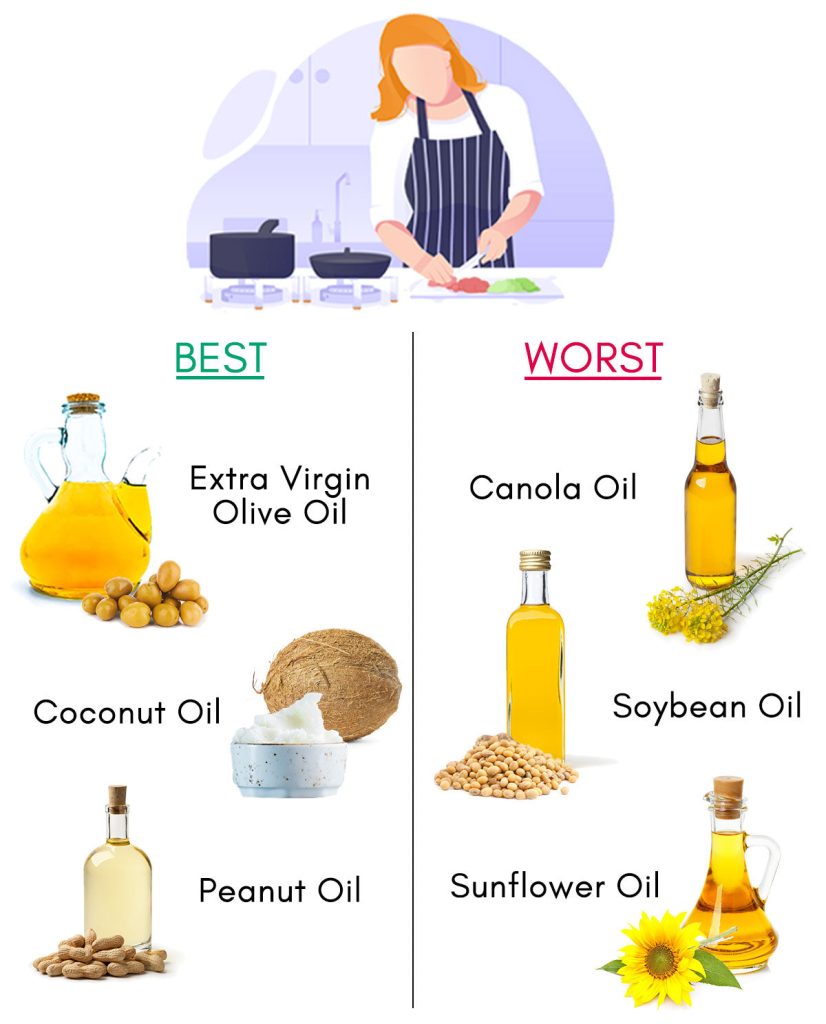
Extra virgin olive oil stands out as a great choice for cooking. It offers rich flavors and health benefits. This oil is known for its heart-healthy properties and is versatile in the kitchen.
Olive oil is a staple in many kitchens around the world, cherished for its rich flavor and myriad health benefits. Have you ever wondered why it’s so highly recommended? Let’s explore the benefits of olive oil and see why it might just be the best choice for your cooking needs.
Nutritional Value
Olive oil is packed with healthy monounsaturated fats, which are great for heart health. It also contains antioxidants like vitamin E, which help protect your cells from damage. A tablespoon of olive oil is rich in calories but offers valuable nutrients that can contribute to a balanced diet.
Flavor Profile
Olive oil has a distinct, robust flavor that can elevate simple dishes. Its taste can range from fruity to peppery, depending on the type and quality. This makes it a versatile ingredient that can add a unique touch to your meals.
Best Uses In Cooking
Olive oil is perfect for sautéing vegetables, drizzling over salads, or even baking. It’s ideal for dishes where its flavor can shine, like in a fresh caprese salad or a homemade pesto. Have you tried using olive oil in place of butter for your baking recipes? It can add a delightful depth of flavor while keeping the dish moist. Choosing the right type of oil can transform your cooking experience. Olive oil not only enhances the flavor of your dishes but also offers health benefits that are hard to ignore. What dishes will you try with olive oil next?
Canola Oil Characteristics
Canola oil often stands out as a popular choice when it comes to cooking. Derived from the seeds of the canola plant, it offers a mild taste and a light texture. These characteristics make it versatile and suitable for a wide range of recipes. But what exactly makes canola oil a good choice for your kitchen adventures?
Health Aspects
Canola oil is known for its heart-friendly properties. It’s low in saturated fats and contains healthy omega-3 and omega-6 fatty acids. These nutrients are essential for maintaining a balanced diet.
Studies show that canola oil can help reduce cholesterol levels. This makes it a healthier option compared to oils high in saturated fats.
Are you looking to make a healthier switch in your cooking routine? Canola oil might be the answer you are seeking.
Versatility In Recipes
Canola oil’s neutral flavor is a boon in the kitchen. It doesn’t overpower the taste of your dishes, allowing other ingredients to shine.
You can use it for baking, frying, or even salad dressings. Its adaptability is a reason why many chefs keep it handy.
Have you ever tried using canola oil in a cake recipe? You might be pleasantly surprised by the moist texture it adds.
Smoke Point Considerations
Canola oil has a relatively high smoke point, around 400°F (204°C). This means it’s suitable for high-temperature cooking methods like frying and sautéing.
Cooking at high temperatures requires oils that don’t break down easily. Canola oil’s stability under heat helps maintain flavor and nutritional value.
Do you often find yourself frying or grilling? Canola oil’s high smoke point ensures your dishes turn out perfectly without unwanted burnt flavors.
Choosing the right oil can elevate your cooking and make it healthier. Canola oil, with its beneficial characteristics, might just be the versatile addition your kitchen needs. Next time you’re whipping up a dish, consider how this humble oil can enhance your culinary creations.
Coconut Oil Uses
Coconut oil is a popular choice for cooking due to its high smoke point and rich flavor. It is versatile, suitable for frying, baking, and sautéing. Many prefer it for its health benefits and natural taste.
Coconut oil has been steadily gaining popularity in kitchens around the world. With its unique flavor and versatile uses, it’s no wonder more home cooks are turning to this tropical oil. But what makes coconut oil stand out, and how can you incorporate it into your daily cooking routine? Let’s explore the unique properties, cooking applications, and health impacts of coconut oil.
Unique Properties
Coconut oil is unique because it remains solid at room temperature, unlike most other oils. This is due to its high saturated fat content. Interestingly, the oil’s subtle coconut aroma can elevate your dishes. You can use it as a butter substitute in baking, offering a light and exotic hint to cookies and cakes. Coconut oil also has a high smoke point, making it suitable for frying. This property helps your food cook evenly without burning, making it a favorite choice for many chefs.
Cooking Applications
Have you tried using coconut oil for sautéing vegetables? The oil’s smooth texture and mild flavor make it an excellent choice for stir-fries. You can also use it to grease baking pans. It ensures your baked goods come out effortlessly, while adding a hint of flavor. For those who love smoothies, adding a spoonful of coconut oil can enhance the richness. It blends well, providing a creamy texture that is simply delightful.
Impact On Health
Coconut oil is often praised for its potential health benefits. It contains medium-chain triglycerides (MCTs), which some studies suggest may support weight management. However, it’s important to use it in moderation due to its high saturated fat content. Balance is key to maintaining a healthy diet. Are you concerned about cholesterol levels? While some believe coconut oil can raise HDL (good cholesterol), it’s essential to consult with healthcare professionals for personal advice. Incorporating coconut oil into your kitchen routine can be both exciting and beneficial. Have you experimented with it yet? If not, it might be time to give this versatile oil a try.
Credit: originz.co
Avocado Oil Advantages
Avocado oil has been making waves in the culinary world, and for good reason. If you’re searching for a versatile and healthy option for your kitchen, avocado oil might just be your new best friend. Let’s explore the advantages of avocado oil and see why it deserves a spot on your pantry shelf.
High Smoke Point
One of the standout features of avocado oil is its high smoke point, which reaches around 520°F (271°C). This makes it perfect for frying, grilling, and sautéing without the risk of burning or releasing harmful compounds. Ever had that moment where your oil starts smoking, and you’re scrambling to rescue your dish? With avocado oil, those frantic moments are a thing of the past.
Nutritional Benefits
Avocado oil is packed with monounsaturated fats, which are known for supporting heart health. It also contains vitamins E and K, antioxidants that help combat free radicals in your body. Imagine getting these nutritional boosts just by choosing a different cooking oil for your meals.
Flavor Enhancements
Avocado oil offers a subtle, buttery flavor that can elevate your dishes without overpowering them. This mild taste complements a wide range of ingredients, making it a versatile choice for both sweet and savory recipes. Have you ever tried drizzling avocado oil over a fresh salad or using it in a cake recipe? The results might surprise you.
So, what do you think? Is it time to switch up your cooking routine with avocado oil? With its high smoke point, nutritional perks, and delightful flavor, it certainly makes a compelling case for itself. Give it a try and see how it transforms your culinary creations!
Sunflower Oil Features
Sunflower oil boasts a light taste and high smoke point, perfect for frying or sautéing. Rich in vitamin E and healthy fats, it supports heart health. Its versatility makes it a popular choice among various cooking oils.
Sunflower oil is a popular choice for cooking. It’s versatile and easy to find. Many people choose it for its mild taste and numerous benefits. It’s extracted from sunflower seeds and offers several features worth considering.
High-temperature Cooking
Sunflower oil is ideal for high-temperature cooking. Its high smoke point makes it suitable for frying and sautéing. This oil remains stable under heat, preventing the release of harmful compounds. It’s perfect for achieving crispy textures in dishes.
Fat Composition
Sunflower oil contains healthy fats. It is rich in unsaturated fats, which are beneficial for heart health. The oil has low levels of saturated fats. This composition makes it a healthier option compared to other oils. It provides essential fatty acids that support various bodily functions.
Health Implications
Sunflower oil offers several health benefits. It is known for improving heart health due to its fat profile. Regular consumption may reduce cholesterol levels. The oil contains vitamin E, which acts as an antioxidant. It helps protect cells from damage and supports skin health. Sunflower oil can be part of a balanced diet.
Grapeseed Oil Benefits
Grapeseed oil is a popular choice in kitchens worldwide. Its benefits make it a favorite for many. Derived from grape seeds, it’s a byproduct of wine-making. This oil is known for its light texture and mild taste. Grapeseed oil holds a special place in cooking and health circles.
Light Flavor
Grapeseed oil has a very light flavor. It doesn’t overpower your dishes. This makes it ideal for recipes where you want other ingredients to shine. Its subtle taste blends well with various foods. Whether for sautéing vegetables or dressing a salad, it complements without dominating.
Cooking Versatility
The high smoke point of grapeseed oil is a major advantage. It can handle temperatures up to 420°F (215°C). This makes it great for frying, roasting, and baking. You can use it for stir-frying or grilling. Its versatility in cooking methods is unmatched. Grapeseed oil is suitable for both hot and cold dishes.
Nutritional Profile
Grapeseed oil is rich in vitamin E. This vitamin is essential for skin health and immunity. It also contains healthy fats. These fats support heart health and improve cholesterol levels. The oil is low in saturated fats. This makes it a healthier option for your cooking needs. Its nutritional benefits add value to your meals.
Sesame Oil Applications
Sesame oil offers a nutty flavor, making it a popular choice for stir-frying and salad dressings. Its high smoke point suits various cooking methods, enhancing dishes with its rich taste. Light and dark sesame oils cater to different culinary needs, providing versatility in the kitchen.
Sesame oil, a staple in many kitchens, brings a unique flavor and a range of culinary and health benefits to the table. Known for its distinct aroma and rich texture, this oil is a favorite among food enthusiasts worldwide. Whether you’re a seasoned chef or just starting out in the kitchen, understanding how to use sesame oil can elevate your cooking game significantly. Let’s dive into its distinct taste, common culinary uses, and health benefits to discover why it might be the best oil for your cooking needs.
Distinctive Taste
Sesame oil is renowned for its nutty and slightly sweet flavor. This distinctive taste can transform simple dishes into culinary delights. Next time you want to add depth to your stir-fry or salad, try a splash of sesame oil. You might be surprised at how it enhances the natural flavors of your ingredients. Remember to use it sparingly, as a little goes a long way.
Common Culinary Uses
In Asian cuisine, sesame oil is often used as a finishing oil rather than a cooking oil. It’s perfect for drizzling over cooked dishes to enhance their flavor. I once added it to my homemade ramen, and the result was a restaurant-quality dish right at home. It’s also ideal for marinades, salad dressings, and dipping sauces. Have you tried using it as a base for your homemade vinaigrette?
Health Benefits
Beyond its taste, sesame oil offers health benefits that make it an appealing choice. It’s rich in antioxidants and healthy fats that support heart health. Using it in moderation can contribute to a balanced diet. Plus, it’s known for its anti-inflammatory properties, which can be beneficial for overall well-being. Isn’t it great when something so tasty is also good for you? Sesame oil is more than just a cooking ingredient—it’s a key player in creating delicious and health-conscious meals. With its distinct taste, versatile uses, and health benefits, it’s worth having a bottle in your pantry. What’s your favorite way to use sesame oil in your cooking?
Credit: kalyatatva.com
Choosing The Right Oil
Choosing the right oil for cooking can enhance your dishes. Each oil has unique properties that affect taste and health. Understanding these characteristics helps in picking the best option.
Factors To Consider
Consider smoke point when selecting cooking oil. High smoke point oils are ideal for frying. Low smoke point oils suit dressings and light sautéing. Nutritional value is important too. Oils vary in fats and vitamins. Aim for oils with healthy fats. Price also matters. Quality oils can be costly, but they offer better health benefits.
Balancing Health And Flavor
Flavor profile of oil impacts the dish’s taste. Some oils have strong flavors. Others are mild and versatile. Olive oil offers rich taste. Canola oil is neutral. Choose based on your recipe needs. Health benefits are crucial. Olive oil is heart-healthy. Coconut oil has medium-chain triglycerides. Pick oils that support your health goals.
Cooking Techniques
Different oils suit different cooking methods. Use grapeseed oil for high-heat cooking. It has a high smoke point. Use sesame oil for stir-frying. It adds distinct flavor. For baking, try vegetable oil. It keeps baked goods moist. Understanding cooking techniques helps you choose the best oil.
Frequently Asked Questions
What Is The Healthiest Oil To Cook With?
Olive oil is one of the healthiest cooking oils. It contains healthy monounsaturated fats and antioxidants. Extra virgin olive oil is best for low to medium-heat cooking. It supports heart health and reduces inflammation. Consider using avocado oil for high-heat cooking due to its high smoke point.
What Oil Works Best For Cooking?
Olive oil is ideal for cooking due to its health benefits and versatility. Use extra virgin olive oil for salads and low-heat dishes. Choose canola or sunflower oil for high-heat cooking and frying. These oils offer a good balance of flavor, health benefits, and cooking performance.
What Is The Unhealthiest Oil To Cook With?
Palm oil is the unhealthiest for cooking due to high saturated fats. It can increase bad cholesterol levels. Opt for healthier choices like olive or avocado oil to reduce health risks. Avoid oils with trans fats and prioritize heart-friendly options for better wellness.
Which Oil Do Doctors Recommend?
Doctors often recommend olive oil for its heart-healthy benefits. It is rich in monounsaturated fats and antioxidants. Choose extra virgin olive oil for maximum health benefits. Always consult your doctor for personalized advice.
Conclusion
Choosing the right cooking oil is essential for health and flavor. Olive oil is great for salads and low-heat cooking. Coconut oil adds a unique taste to dishes. Canola oil works well for frying due to its high smoke point.
Avocado oil is versatile and nutritious. Each oil has its benefits, so consider your cooking needs. Experiment with different oils to find your favorite. Remember, the best oil depends on your health goals and cooking style. Keep exploring and cooking with confidence.








