Affiliate Disclosure: This post may contain affiliate links. If you purchase through links on our site, we may earn an affiliate commission at no extra cost to you.
Are you ready to bake the perfect loaf of sourdough bread? The secret might just be in the size of your Dutch oven.
Choosing the right Dutch oven can transform your baking experience and make a world of difference in the outcome. But how do you decide which size is best for you? This is where many home bakers get stuck, and you might be wondering the same.
You don’t want to end up with a loaf that’s too small or a crust that’s not quite right, do you? Keep reading, because understanding the right Dutch oven size is the first step towards achieving that golden-brown crust and airy crumb you’ve been dreaming about. Let’s dive into the details that will make your sourdough baking a success!
Credit: dirtanddough.com
Choosing The Right Dutch Oven
Choosing a 5-quart Dutch oven is ideal for baking sourdough bread, providing ample space for dough to rise. A larger oven promotes even heat distribution, ensuring a perfect crust and texture. Consider material and lid fit for optimal baking results.
Choosing the right Dutch oven can make all the difference when baking sourdough bread. The size, material, and shape of your Dutch oven can impact your bread’s crust, rise, and overall texture. Getting it right can be the key to transforming your homemade loaves from good to exceptional. Let’s explore how to choose a Dutch oven that meets your baking needs.
Size Matters: Finding The Perfect Fit
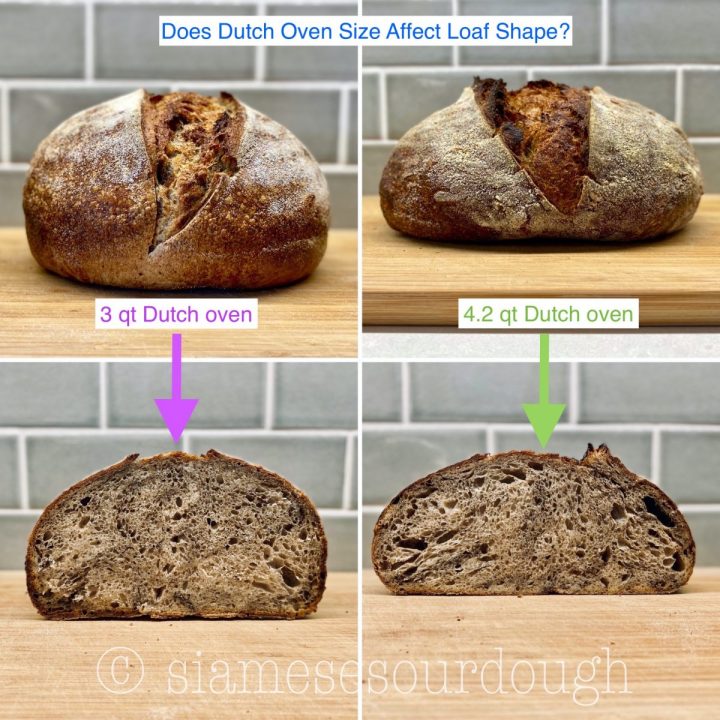
When considering size, think about the weight of the dough you’re working with. A 5-quart Dutch oven is often a sweet spot for most home bakers, allowing enough room for the bread to expand while maintaining a stable temperature. A smaller 3-quart option might be tempting, but it could restrict your dough’s growth. If you’re planning to bake larger loaves or even double batches, an 8-quart Dutch oven might be more suitable.
Material Choices: Cast Iron Vs. Enameled
You might wonder if the material of your Dutch oven affects your bread. Cast iron Dutch ovens are excellent for retaining heat, ensuring a crispy crust. They can also withstand high temperatures, which is essential for baking bread. Enameled Dutch ovens offer the same heat retention with the added benefit of easier cleaning. They also come in a variety of colors, adding a personal touch to your kitchen.
Shape And Design: Round Or Oval?
The shape of your Dutch oven can influence the final look of your bread. Round Dutch ovens are ideal for traditional, artisan-style sourdough loaves with a nice dome shape. They provide even heat distribution, which is crucial for an even bake. An oval Dutch oven might suit those who prefer a more rustic or oblong loaf. Think about the style of bread you wish to bake regularly before deciding.
Practical Features: Lids And Handles
Consider the lid’s design, as a tight-fitting lid helps trap steam, creating a perfect crust. Some Dutch ovens have knobs that can withstand high oven temperatures, while others may need to be replaced or removed. Handles are another aspect to consider. Opt for sturdy and comfortable handles that make it easy to maneuver the pot, especially when it’s hot and heavy.
Budget Considerations: Investing Wisely
Dutch ovens come in a wide range of prices. While it might be tempting to go for a cheaper option, investing in a high-quality Dutch oven can pay off in the long run. Quality options ensure durability and consistent results. Consider it a worthwhile investment for your baking endeavors, one that can serve you for many years.
Personal Experience: My Go-to Dutch Oven
I remember my first attempt at sourdough bread in a small, ill-fitting pot. The bread was decent, but it lacked the airy crumb and crispy crust I was aiming for. Switching to a 5-quart enameled cast iron Dutch oven made a world of difference. The results were more consistent, and the bread was everything I hoped it would be—crusty on the outside, soft and chewy on the inside. Choosing the right Dutch oven is a personal decision, but with these insights, you’re well on your way to making an informed choice. What will be your next baking adventure?
Popular Sizes For Sourdough Bread
Choosing the right size Dutch oven for sourdough bread is crucial. It affects the baking process and final bread quality. Sourdough bread needs space to rise and expand. A well-sized Dutch oven ensures even heat distribution. This helps achieve perfect crust and texture. Popular sizes vary based on personal preferences and baking goals.
3-quart Dutch Oven
A 3-quart Dutch oven is compact. Suitable for small loaves and limited kitchen space. It offers excellent heat retention. Ideal for beginners experimenting with sourdough recipes. The smaller size creates a tight environment. This helps the dough rise efficiently. Perfect for single-person households or small families.
5-quart Dutch Oven
Common choice for many home bakers. Provides ample space for medium-sized loaves. Offers versatility for various recipes. Balances size and efficiency. Ensures even baking and crispy crusts. Popular among experienced bakers. Great for family-sized portions. Fits comfortably in most ovens.
7-quart Dutch Oven
Ideal for larger batches and gatherings. Accommodates big loaves and multiple servings. Suitable for ambitious bakers. Offers space for experimenting with different recipes. Promotes even heat distribution and superior crust. Requires more storage space. Perfect for those baking in larger quantities.
9-quart Dutch Oven
Largest option for sourdough enthusiasts. Best for professional or serious bakers. Allows for massive loaves and versatile baking. Requires ample storage and oven space. Provides ultimate flexibility in bread making. Great for community baking or events. Offers substantial heat retention.
Benefits Of A 4-quart Dutch Oven
If you’re passionate about baking sourdough bread, you might have wondered what size Dutch oven is best for achieving that perfect crust and crumb. A 4-quart Dutch oven could be your secret weapon. Compact yet spacious enough for most sourdough recipes, it offers several benefits that enhance your bread-baking journey.
One of the main advantages of a 4-quart Dutch oven is its ability to retain heat efficiently. This size provides a snug environment for your dough, ensuring even heat distribution. As a result, your bread will bake uniformly, allowing you to achieve a beautiful golden crust every time.
Have you ever struggled with storing bulky kitchen equipment? A 4-quart Dutch oven is compact enough to fit in most kitchen cabinets without occupying excessive space. Its manageable size means you won’t dread pulling it out for your baking sessions.
Perfect Size For Standard Loaves
Are you aiming to bake a standard-sized sourdough loaf? A 4-quart Dutch oven is just right for this. It accommodates the typical dough volume, allowing it to rise adequately without overcrowding. This ensures your loaf develops its signature airy texture.
Imagine baking a loaf that doesn’t spread too thin or rise too high. With a 4-quart Dutch oven, you have control over your bread’s shape, helping you achieve consistency in your baking endeavors.
Ease Of Handling
Have you ever found it challenging to maneuver heavy cookware? The 4-quart Dutch oven is lighter and easier to handle compared to larger alternatives. You can lift and move it with ease, making the baking process more enjoyable.
Think about the last time you had to transfer a scorching hot Dutch oven from the oven. A 4-quart size offers you comfort and safety, reducing the risk of accidents in your kitchen.
Versatility In Use
While perfect for sourdough, a 4-quart Dutch oven isn’t limited to bread. You can use it for soups, stews, and even roasting meats. This versatility makes it a valuable addition to your cookware collection.
Have you considered trying new recipes? This Dutch oven size invites experimentation, allowing you to expand your culinary skills beyond bread baking.
In your quest for the perfect sourdough loaf, the 4-quart Dutch oven might just be your ideal companion. Its benefits cater to both novice and seasoned bakers, ensuring consistent and delightful results with every bake. Why not give it a try and see how it transforms your baking experience?
Advantages Of A 5.5-quart Dutch Oven
The 5. 5-quart Dutch oven is perfect for baking sourdough bread. Its size provides even heat distribution, ensuring a beautifully crusted loaf. This capacity accommodates standard bread recipes, offering enough space for dough to rise.
When you’re ready to bake sourdough bread, choosing the right size Dutch oven can make a big difference. A 5.5-quart Dutch oven is often recommended by both home bakers and professionals. It strikes a perfect balance between size and functionality, offering numerous benefits that enhance your bread-baking experience.
Perfect Fit For Average Bread Loaves
A 5.5-quart Dutch oven comfortably accommodates a standard-sized loaf, usually around 1 to 1.5 pounds. This size is ideal for most sourdough recipes you might want to try. You won’t have to worry about your dough spilling over the sides.
Optimal Heat Retention
The heavy lid and walls of a 5.5-quart Dutch oven provide excellent heat retention. This is crucial for creating the steam environment needed for that perfect sourdough crust. Even if you’re new to baking, this oven size helps you achieve a professional finish.
Space-efficient
A 5.5-quart Dutch oven doesn’t take up too much space in your kitchen. It’s easy to store and handle compared to larger models. Plus, it’s less cumbersome to move in and out of your oven, reducing the risk of mishaps.
Versatility Beyond Bread
This size is not only perfect for bread but also versatile enough for other cooking needs. You can use it to make stews, casseroles, or even roast a small chicken. Owning one means you’re ready for a variety of recipes.
Personal Experience
When I first started baking sourdough, I was unsure about which Dutch oven size to choose. I opted for a 5.5-quart, and it turned out to be a game-changer. The even heat distribution and perfect loaf size made my baking journey enjoyable and successful.
Consider Your Baking Needs
Think about how often you bake and the size of your oven. A 5.5-quart Dutch oven might be the right choice if you frequently make bread and have limited kitchen space. What are your priorities when choosing kitchen equipment?
Cost-effective Investment
A 5.5-quart Dutch oven often comes at a reasonable price point. It offers excellent value for money considering its versatility and durability. Investing in one can simplify your baking process and elevate your bread-making skills. Choosing the right Dutch oven size is essential for successful sourdough bread. A 5.5-quart model can make your baking experience both enjoyable and rewarding.
Why A 6-quart Dutch Oven Works
A 6-quart Dutch oven provides ample space for sourdough bread to rise and bake evenly. Its size ensures a good crust while accommodating most standard bread recipes. Perfect for achieving that ideal loaf without overcrowding.
If you’re a sourdough enthusiast, you might have wondered about the best equipment to bake that perfect loaf. The Dutch oven is a popular choice among bakers for its ability to create a crusty exterior while keeping the inside soft and chewy. But what size should you choose? A 6-quart Dutch oven is often recommended, and for good reason. Let’s dive into why this size works so well for sourdough bread.
Why Does Size Matter?
The size of your Dutch oven can significantly impact your baking experience. A 6-quart size offers ample space for the dough to expand, ensuring your bread achieves a good rise. Too small, and the dough may touch the sides, affecting the shape and crust.
Perfect Fit For Most Recipes
Most sourdough recipes are designed for a loaf size that comfortably fits in a 6-quart Dutch oven. It’s the Goldilocks of sizes—not too big, not too small. This size gives your bread room to grow, allowing for even heat distribution.
Heat Retention And Distribution
A 6-quart Dutch oven ensures excellent heat retention and distribution. This is crucial for achieving that coveted crispy crust. The size allows for a consistent baking environment, which helps the dough cook evenly from all sides.
Ease Of Handling
Handling a 6-quart Dutch oven is manageable, even when it’s hot and heavy. Larger ovens can be cumbersome and challenging to maneuver in and out of the oven. A 6-quart size strikes a balance between capacity and ease of use.
Personal Experience With A 6-quart Dutch Oven
I remember my first attempt at baking sourdough in a smaller pot. The dough stuck to the sides, and the crust wasn’t as crispy as I’d hoped. Switching to a 6-quart Dutch oven made all the difference. The loaf had a beautiful rise and an irresistible crust that made every slice a delight.
Consider Your Baking Frequency
Think about how often you bake and the quantities you prefer. If you’re baking weekly, a 6-quart Dutch oven will serve you well for both small and medium-sized loaves. It’s versatile enough to handle different types of bread, making it a great all-rounder.
Is A 6-quart Dutch Oven Right For You?
Ask yourself what you want out of your baking experience. Do you prioritize ease of use and consistent results? If so, a 6-quart Dutch oven might just be the perfect fit for your sourdough adventures. Choosing the right size can enhance your sourdough journey, making each bake an enjoyable and rewarding experience.
Credit: kanalifestyle.com
Expert Recommendations
Choosing the right Dutch oven size is key for baking sourdough bread. A 5 to 7-quart Dutch oven provides ample space for dough expansion and heat circulation. This size ensures a crispy crust and even cooking.
When baking sourdough bread, choosing the right size Dutch oven can make a significant difference in the quality of your bread. Experts often have specific recommendations based on their experiences, and their insights can guide you toward the best choice for your baking needs. Here, we delve into these expert recommendations to help you achieve that perfect loaf.
Understanding Bread Volume
The volume of your loaf is a crucial factor. A Dutch oven that’s too small can restrict the rise, while one that’s too large may lead to uneven heat distribution. A 5 to 7-quart Dutch oven is typically recommended for a standard loaf size of 500 grams of flour. This size offers enough space for expansion and ensures even baking.
Material Matters
Most experts prefer cast iron Dutch ovens for baking sourdough. Cast iron retains and distributes heat evenly, creating the ideal environment for bread. Enamel-coated cast iron is also favored for its easy cleaning and durability. Do you have a preference for materials based on your kitchen habits?
Weight And Portability
Consider the weight of the Dutch oven. Cast iron is heavy, which can be cumbersome if you frequently move your cookware. A lighter material may be more manageable, but ensure it still offers good heat retention. How much weight are you comfortable handling in your kitchen?
Lid Design
The lid design is crucial for trapping steam, which is vital for a crispy crust. A tight-fitting lid ensures steam is kept inside, improving the bread’s texture. Some bakers suggest choosing a Dutch oven with a knob that can withstand high temperatures. Does your current cookware lid fit snugly?
Personal Baking Experience
Drawing from personal experience, using a 6-quart Dutch oven has consistently yielded perfect sourdough loaves. The size allows for ample bread rise and even heat distribution. This balance is essential for achieving a golden crust and airy crumb. What’s been your experience with different sizes?
Budget Considerations
Dutch ovens can range widely in price. While it’s tempting to opt for a budget option, investing in a quality piece can enhance your baking results. A well-made Dutch oven can last for decades, making it a worthwhile investment. Are you willing to invest in a long-lasting tool for your kitchen? In choosing the right Dutch oven, consider your loaf size, material preference, and personal baking habits. These expert recommendations can help you make an informed decision to elevate your sourdough baking experience.
Factors Influencing Size Choice
Choosing the right Dutch oven size impacts sourdough bread quality. A 5 to 6-quart Dutch oven is ideal for most loaves, providing even heat and ample space for dough expansion. Consider your oven’s capacity and the loaf size you typically bake.
Choosing the right size Dutch oven for baking sourdough bread can make a significant difference in your baking experience. The perfect size depends on various factors, including how much bread you plan to bake, where you will store your Dutch oven, and how you intend to use it in your kitchen. Understanding these elements will help you select a Dutch oven that fits seamlessly into your baking routine and meets your needs effectively.
Batch Size Considerations
When deciding on the size of your Dutch oven, think about how many loaves you typically bake at a time. A 4 to 6-quart Dutch oven is often ideal for a single loaf of sourdough. If you find yourself baking for larger gatherings or meal prep, a larger 7 to 8-quart pot can accommodate two loaves. Consider the size of your dough as well. A larger Dutch oven allows for more expansion, which can enhance the texture and rise of your bread. It’s worth experimenting with different sizes to see which yields the best results for your recipe.
Storage And Handling
Space is a premium in many kitchens, and Dutch ovens can be hefty. Think about where you’ll store this kitchen essential. A smaller, more compact Dutch oven might be easier to tuck away in a cabinet or on a shelf. Handling is another aspect to consider. A larger Dutch oven can be heavy, especially when filled with dough. Make sure the size you choose is something you can comfortably lift and maneuver without straining yourself.
Cooking Versatility
A Dutch oven isn’t just for bread. If you want a pot that will serve multiple purposes, think about the types of dishes you like to cook. A larger Dutch oven can be perfect for soups, stews, and roasts, offering you more flexibility in the kitchen. If your goal is to have an all-purpose pot, lean towards a size that suits a variety of recipes. This way, you’re not limited to just bread-making, and can explore different culinary adventures with ease. What’s your go-to size for a Dutch oven? Have you found a particular size that seems to elevate your sourdough baking? Share your thoughts and experiences below!
Materials And Design Features
Choosing the perfect Dutch oven for baking sourdough bread isn’t just about size; it’s also about the materials and design features that can make or break your baking experience. The right Dutch oven can transform your bread from good to great, offering the ideal crust and rise. Let’s dive into the benefits of different materials and design features to help you make an informed decision.
Cast Iron Benefits
Cast iron is a popular choice for Dutch ovens because it retains heat exceptionally well. This heat retention is crucial for achieving that sought-after crispy crust on your sourdough. Cast iron distributes heat evenly, ensuring consistent baking results every time.
Moreover, cast iron is incredibly durable. Investing in a high-quality cast iron Dutch oven can last you a lifetime. You might remember your grandmother using one for her cooking, showcasing its long-lasting nature. Imagine passing down your Dutch oven along with your perfected sourdough recipe!
Consider the weight, though. Cast iron Dutch ovens are heavy, which can be a challenge if you plan to move them frequently. However, the stability they offer during baking is unmatched.
Enameled Vs. Traditional
When deciding between enameled and traditional cast iron, think about maintenance. Enameled Dutch ovens provide a non-reactive surface, which means you won’t have to worry about acidic ingredients affecting the seasoning. This makes them easier to clean and maintain.
On the other hand, traditional cast iron requires regular seasoning to maintain its non-stick surface. If you enjoy the ritual of seasoning and the deepening patina it brings, traditional might be your go-to. It’s a hands-on approach that some find rewarding.
Another consideration is aesthetics. Enameled Dutch ovens come in various colors, adding a splash of personality to your kitchen. They can be a conversation starter when friends see your vibrant, eye-catching cookware.
Does the thought of spending extra time on maintenance appeal to you, or do you prefer the convenience of enameled? Your choice can impact your overall baking experience, so weigh the pros and cons carefully.
In deciding on a Dutch oven, consider how its materials and design will fit into your lifestyle and baking habits. What features resonate most with your baking aspirations?
Tips For Baking Perfect Sourdough
Choosing the right Dutch oven size is key for perfect sourdough bread. A 4 to 6-quart Dutch oven provides even heat distribution and space for bread to rise. This size ensures a crispy crust and soft interior.
Baking the perfect sourdough bread is an art that combines precise techniques and a touch of patience. The right size Dutch oven can make all the difference in achieving that coveted crust and chewy interior. Here, we’ll explore some essential tips to elevate your sourdough baking game and ensure your bread emerges from the oven just as you imagined.
Preheating The Dutch Oven
Preheating your Dutch oven is a crucial step. It creates a hot environment that helps the bread rise and develop a crispy crust. Aim for preheating at least 30 minutes before you bake. Place your Dutch oven in the oven while it’s heating up. This ensures it’s evenly hot when you place the dough inside. A well-heated Dutch oven can mimic the intense heat of a professional bread oven, resulting in a better rise and superior crust.
Steam And Crust Development
Steam plays a vital role in crust development. It keeps the crust soft initially, allowing the dough to expand fully. This results in a loaf with a beautiful, open crumb. When you place your dough into the Dutch oven, quickly cover it with the lid. This traps steam inside, which is essential during the first half of baking. Removing the lid halfway through the baking process allows the crust to develop that golden, crunchy finish we all love. Have you ever noticed a difference in your bread’s texture when you skipped these steps? Paying attention to details like steam and preheating can transform your sourdough from good to extraordinary. Are there any other tips you swear by when baking sourdough? Share your thoughts and let’s keep the conversation going!
Credit: siamesesourdough.com
Frequently Asked Questions
What Size Dutch Oven For Sourdough Bread?
A 5 to 7-quart Dutch oven is ideal for sourdough bread. It provides ample space for dough expansion. This size ensures even heat distribution, promoting a perfect crust. Larger sizes can accommodate bigger loaves. Choose a Dutch oven with a lid for best results.
Why Choose A Dutch Oven For Baking Bread?
Dutch ovens retain heat, creating a steam-filled environment for baking. This results in a crispy crust and moist interior. The heavy lid traps moisture, enhancing the texture. It’s versatile, suitable for various bread types. A Dutch oven’s durability ensures long-lasting use.
Does Dutch Oven Material Affect Bread Quality?
Yes, the material impacts heat retention and distribution. Cast iron is preferred for its consistent heat. It enhances crust formation and browning. Enameled cast iron offers easy cleaning and aesthetics. Choose quality materials for optimal baking results. Proper maintenance prolongs the Dutch oven’s life.
Can I Use A Small Dutch Oven For Bread?
A small Dutch oven may limit bread expansion. It can lead to uneven baking. A 5-quart size is recommended for most loaves. Smaller sizes can work for personal-sized bread. Adequate space is crucial for proper crust formation. Consider loaf size when choosing your Dutch oven.
Conclusion
Choosing the right Dutch oven size matters for sourdough success. A 5 to 7-quart size often works best for most loaves. It offers ample space for rising and baking. Consider your oven size and storage space, too. A heavier lid helps trap steam, perfecting the crust.
Think about your baking frequency and loaf size preference. A well-chosen Dutch oven enhances your baking experience. Your sourdough will thank you with a golden, crispy crust. Enjoy the baking journey with your ideal Dutch oven companion. Happy baking!








