Affiliate Disclosure: This post may contain affiliate links. If you purchase through links on our site, we may earn an affiliate commission at no extra cost to you.
Have you ever stood in the cooking oil aisle, overwhelmed by the countless options staring back at you? Picking the right oil can feel like a daunting task.
After all, the oil you choose can significantly impact the flavor and healthiness of your meals. Whether you’re frying, baking, or drizzling, there’s an ideal oil for every culinary adventure. But how do you know which one to choose? Imagine transforming your cooking with just a simple swap.
We’ll dive into the best oils for cooking, helping you make informed decisions that not only enhance your dishes but also support your health. Let’s uncover the secrets behind these kitchen staples and discover which oil is truly best for you.
Types Of Cooking Oils
Choosing the right oil for cooking can be a game-changer in your kitchen adventures. With so many options available, it’s easy to get overwhelmed. Each type of oil brings its own unique flavor, health benefits, and cooking properties. Let’s dive into the different types of cooking oils so you can make the best choice for your culinary masterpieces.
Vegetable Oils
Vegetable oils are a staple in many kitchens due to their versatility and affordability. They come from seeds, grains, or nuts and are often refined, which makes them neutral in flavor. Common options include canola, soybean, and corn oil. These oils are great for frying and baking because they have a high smoke point. Next time you reach for an oil, consider how the neutral taste of vegetable oils can let your spices and ingredients shine.
Animal-based Oils
Animal-based oils, like butter and lard, add rich flavors to your dishes. They’re perfect for recipes where you want a deep, savory taste. Imagine sautéing vegetables in butter; the aroma alone is mouthwatering. These oils are solid at room temperature and provide a unique texture that liquid oils can’t match. However, they might not be the healthiest choice for daily use, so think about using them for special occasions or indulgent meals.
Nut And Seed Oils
Nut and seed oils are packed with flavor and nutrients. Options like walnut, sesame, and flaxseed oil bring a nutty or earthy taste to your dishes. They’re often used for dressing salads or drizzling over cooked foods due to their low smoke point. Have you ever tried adding toasted sesame oil to a stir-fry? It can elevate the dish with just a small amount. Consider these oils when you want to add depth and complexity to your meals.
Fruit Oils
Fruit oils, such as olive and avocado oil, are celebrated for their health benefits and distinctive flavors. Olive oil is a kitchen favorite for salads, pasta, and marinades. Its robust taste can transform simple dishes into gourmet delights. Avocado oil, with its high smoke point, is excellent for grilling or frying. When you’re searching for an oil that’s both nutritious and flavorful, fruit oils might be your go-to. What flavor profile do you want to create in your next meal?
Choosing the right oil can enhance your cooking and health. Which type will you experiment with next?
Nutritional Value Of Oils
Choosing the right oil for cooking enhances both flavor and nutrition. Oils vary widely in their nutritional profiles, affecting health differently. Understanding the nutritional value of oils helps in making informed choices. Let’s delve into the key components that contribute to their nutritional benefits.
Healthy Fats
Oils are rich in healthy fats which are essential for body functions. Monounsaturated fats found in olive oil can promote heart health. These fats help lower bad cholesterol levels. Polyunsaturated fats, like those in sunflower oil, also offer health benefits. They support overall heart health and improve blood circulation.
Vitamins And Minerals
Many oils are packed with vitamins and minerals. Vitamin E is abundant in oils like almond and sunflower oil. It acts as an antioxidant, protecting cells from damage. Sesame oil contains zinc and magnesium. These minerals are vital for immune support and bone health.
Omega Fatty Acids
Omega fatty acids play a crucial role in maintaining health. Fish oil and flaxseed oil are rich sources of omega-3 fatty acids. They reduce inflammation and support brain health. Omega-6 fatty acids, found in soybean oil, are also important. They help in managing cholesterol and support skin health.
Smoke Point And Its Importance
Choosing the right oil for cooking isn’t just about flavor; it’s about science. One crucial factor to consider is the smoke point of the oil. This number can make or break your dish. Why? Because when oil overheats, it starts to smoke, loses its nutritional value, and might even spoil your food’s taste. Understanding the smoke point can transform your cooking from a smoky disaster to a culinary triumph.
Understanding Smoke Point
What exactly is the smoke point? It’s the temperature at which oil starts to smoke and break down. Different oils have different smoke points. For example, olive oil has a lower smoke point compared to avocado oil. When oil smokes, it can create harmful compounds and a bitter taste. Knowing this temperature can help you choose the right oil for each cooking method.
Have you ever tried frying with olive oil only to end up with a smoky kitchen? That’s because olive oil’s smoke point is around 375°F (190°C). Switching to an oil with a higher smoke point, like canola oil, might save you from setting off the smoke alarm.
Impact On Cooking Methods
The smoke point directly affects how you cook your meals. High smoke point oils are ideal for high-heat cooking methods like frying and sautéing. Oils like peanut and grapeseed can reach up to 450°F (232°C) without smoking. This makes them perfect for crispy fries or stir-fried veggies.
On the other hand, if you’re dressing a salad or drizzling over a finished dish, oils with lower smoke points like sesame or walnut are excellent choices. They add rich flavors without the need for high heat. Think about the dish you’re preparing. Is it a quick stir-fry or a slow roast? Your answer will guide your oil choice.
Next time you’re in the kitchen, take a moment to consider the smoke point of your oil. Which cooking method are you using? How hot will it get? Making these choices can elevate your cooking and enhance the flavors of your dishes.
What oil do you usually use for frying or baking? Have you ever thought about its smoke point before? Share your experiences in the comments!
Flavor Profiles Of Oils
Different oils bring unique flavors to dishes. Olive oil adds a fruity taste, while coconut oil gives a sweet note. For high heat cooking, use canola or sunflower oil for their neutral flavors. Choosing the right oil enhances the taste and texture of your meals.
Flavor profiles play a crucial role in cooking. Oils can enhance or mask flavors. Choosing the right oil can elevate your dish. Each oil has its own unique taste. Some are subtle, while others are bold.
Neutral Vs. Distinct Flavors
Neutral oils have a mild taste. They blend seamlessly with other ingredients. Examples include canola and vegetable oils. These oils are perfect for baking and frying. Their subtlety keeps the focus on the dish. Distinct oils offer bold flavors. Olive oil is a popular choice. It adds a fruity note to recipes. Sesame oil delivers a nutty taste. Distinct oils can transform simple dishes. Use them sparingly for best results.
Pairing Oils With Dishes
Pairing oils with dishes requires thought. Olive oil works well with salads. It complements fresh vegetables and herbs. Use sesame oil in Asian cuisine. It enhances stir-fries and marinades. Coconut oil is ideal for tropical dishes. It adds a sweet, creamy touch. Peanut oil suits deep-fried recipes. It withstands high temperatures without burning. Experiment with different oils. Discover new flavor combinations. Make your meals memorable and delicious.
Health Implications
Choosing the right oil impacts health significantly. Olive oil offers heart benefits, while coconut oil provides medium-chain fatty acids. Vegetable oils like canola are versatile but may contain unhealthy fats. Understanding these differences helps make healthier cooking choices.
When choosing the right cooking oil, understanding health implications is crucial. Different oils impact your body in various ways, influencing your heart health, weight management, and potential allergies. Selecting the right oil can be as important as choosing fresh vegetables or lean proteins for your meals. Let’s dive deeper into these health aspects to help you make informed choices.
Heart Health
Cooking oils can either support or hinder heart health. Oils high in unsaturated fats, such as olive oil, can improve cholesterol levels. On the other hand, oils rich in trans fats can contribute to heart disease. You might recall switching from butter to olive oil after a doctor’s visit. It felt like a small change, but it had a big impact on your heart health. Think about the oils you use daily—are they heart-friendly?
Weight Management
The type of oil you use can influence your weight. Oils like coconut and avocado are calorie-dense but can increase satiety, helping you feel full longer. This means you might eat less overall. Have you noticed how a salad drizzled with a bit of avocado oil keeps you satisfied until dinner? It’s about finding the balance that works for your body without over-consuming. Could the oils in your kitchen be affecting your weight management goals?
Allergy Considerations
Allergies can limit your oil choices. Peanut oil, for example, is popular but problematic for those with peanut allergies. If you’re allergic, you might find yourself constantly scanning labels for hidden allergens. This vigilance can seem daunting but is necessary for your safety. Have you ever had to switch oils due to unexpected reactions? It’s not just about taste—it’s about health. What oils are safe for your family? Choosing the right cooking oil involves more than just taste preferences. By considering heart health, weight management, and allergies, you can make smarter, healthier choices for you and your loved ones.
Environmental Impact
Choosing the right cooking oil affects more than taste and health. It also impacts the environment. The production and sourcing of oils can harm ecosystems. They can deplete natural resources. Understanding the environmental impact helps you make better choices.
Sustainability
Sustainability is key in selecting cooking oils. Some oils require intensive farming. This can lead to deforestation and soil erosion. Palm oil is a common example. It often involves clearing large forest areas. Opting for oils with a smaller carbon footprint is wise.
Olive oil is a more sustainable choice. It often requires less water and land. Sunflower and canola oils also have lower environmental impacts. They are grown in regions with better farming practices.
Ethical Sourcing
Ethical sourcing ensures oils come from responsible producers. Fair trade certifications help identify ethically sourced products. They guarantee fair wages and safe conditions for workers.
Look for oils that support local communities. These often invest in sustainable practices. Coconut oil from community farms is an example. It supports small farmers and reduces environmental harm.
Ethically sourced oils contribute to a healthier planet. They also support social justice. Choosing such oils can make a significant difference.
Best Oils For Specific Cooking Techniques
Different oils suit different cooking techniques. Olive oil is great for sautéing, adding flavor and richness. For high-heat frying, try vegetable or canola oil, which can withstand higher temperatures. Use sesame oil to enhance Asian dishes with its unique aroma.
Cooking with the right oil enhances flavor and texture. Each cooking technique needs a specific oil type. Choosing the right oil affects your dish’s taste and health benefits. Let’s explore the best oils for various cooking methods.
Frying
Frying needs oil with a high smoke point. Canola oil is a popular choice. It has a mild flavor and is affordable. Peanut oil is another option. It adds a nutty taste and handles high heat well. Both oils keep fried foods crispy and delicious.
Baking
Baking needs oils that add moisture without overpowering flavors. Olive oil is great for savory bakes. It gives a rich flavor to bread and muffins. For sweet treats, try using coconut oil. It adds a subtle sweetness and light texture to cakes and cookies.
Salad Dressings
Salad dressings need oils with bold flavors. Extra virgin olive oil is a favorite. It enhances the taste with its fruity notes. For a nutty twist, use sesame oil. It pairs well with Asian-inspired salads. Both oils create a delightful dressing experience.
Sautéing And Stir-frying
Sautéing and stir-frying require oils that heat quickly. Grapeseed oil is excellent. It has a neutral flavor and high smoke point. Sesame oil is also a good choice. It brings a rich, toasty aroma to your stir-fries. Both oils deliver vibrant and tasty dishes.
Credit: meenakshirecipe.com
Storing And Preserving Oil
Storing and preserving oil correctly ensures its taste and nutritional value. Different oils have unique storage needs. Knowing these can help maintain their quality and flavor.
Shelf Life
Each type of cooking oil has its own shelf life. Olive oil lasts up to two years. Canola and vegetable oils can last for a year. Always check the label for expiration dates. Rancid oil loses its flavor and health benefits.
Proper Storage Techniques
Store oil in a cool, dark place. Light and heat can spoil oil quickly. Use airtight containers to keep oil fresh. Glass or stainless steel containers work best. Avoid storing oil near the stove or windows.
Refrigeration can extend oil’s shelf life. Coconut and sesame oils may thicken in the fridge. Let them sit at room temperature before use.
Credit: shahzadidevje.com
Frequently Asked Questions
What Is The Healthiest Oil To Cook With?
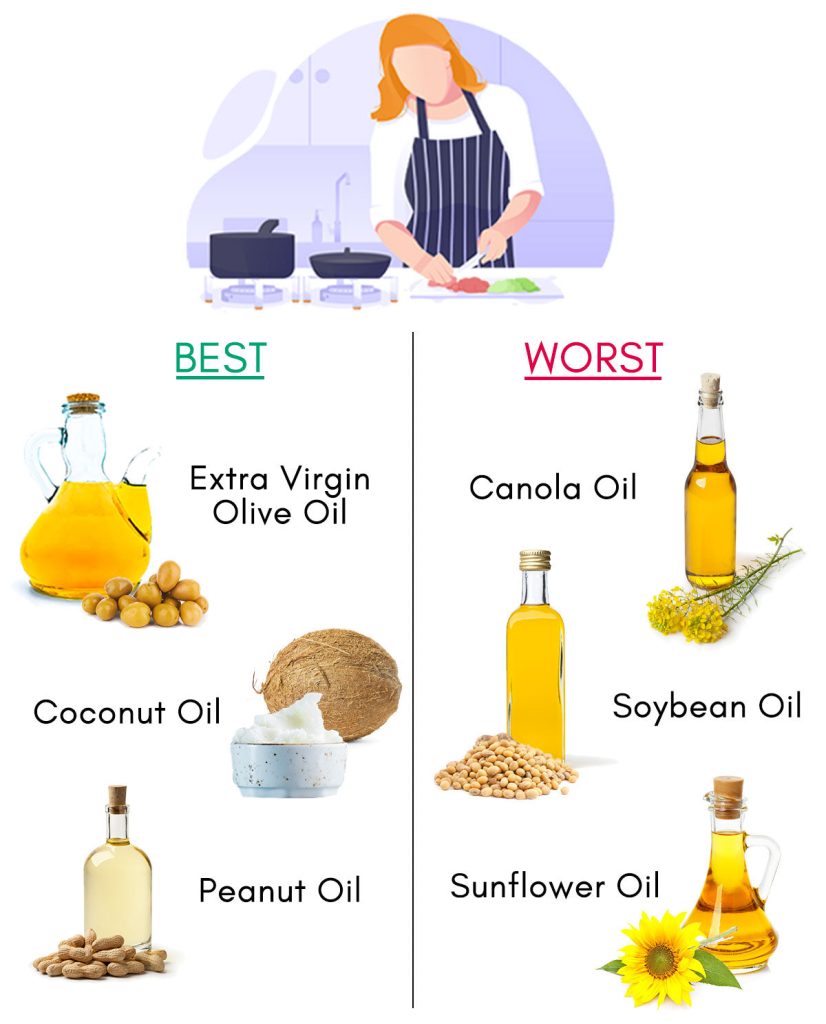
Extra virgin olive oil is the healthiest for cooking. It contains healthy monounsaturated fats and antioxidants. This oil can reduce inflammation and improve heart health. Use it for sautéing, roasting, or drizzling over salads. It has a moderate smoke point, making it versatile for various cooking methods.
Which Is The Unhealthiest Cooking Oil?
Palm oil is often considered the unhealthiest cooking oil due to high saturated fat content. It may increase cholesterol levels and risk of heart disease. Opt for healthier oils like olive or canola for better heart health. Always prioritize oils with lower saturated fats for cooking.
What Oils Should Not Be Cooked?
Certain oils like flaxseed, walnut, and extra virgin olive oil should not be cooked. They have low smoke points. Heating these oils can destroy beneficial nutrients and produce harmful compounds. Use them for salad dressings or drizzling over finished dishes for flavor enhancement.
Which Oil Is Best For Cooking And Frying?
Olive oil and avocado oil are great for cooking due to their healthy fats and high smoke points. Canola oil and peanut oil are excellent for frying, offering high smoke points and neutral flavors. Choose oils rich in monounsaturated fats for health benefits.
Conclusion
Choosing the right cooking oil matters for health and taste. Olive oil offers great flavor and health benefits. Canola oil is versatile and good for frying. Coconut oil adds a unique taste to dishes. Avocado oil is ideal for high-heat cooking.
Sunflower oil suits baking well. Each oil has its own strengths. Consider dish type and cooking method. Always check oil quality and freshness. This ensures the best flavor and health benefits. Happy cooking!








