Affiliate Disclosure: This post may contain affiliate links. If you purchase through links on our site, we may earn an affiliate commission at no extra cost to you.
Are you dreaming of crafting the perfect pizza right in your backyard? If so, the type of wood you use in your pizza oven is crucial.
It’s not just about getting the right temperature; the flavor, aroma, and even the texture of your pizza can be significantly influenced by your choice of wood. Imagine biting into a slice with that perfect crispy crust and a hint of smoky flavor that dances on your taste buds.
You want every pizza night to be a delightful experience, and choosing the best wood for your pizza oven is a step you cannot overlook. Dive into this guide to discover which type of wood will elevate your pizza-making game to the next level. You won’t want to miss out on crafting pizzas that your friends and family will rave about.
Choosing The Right Wood
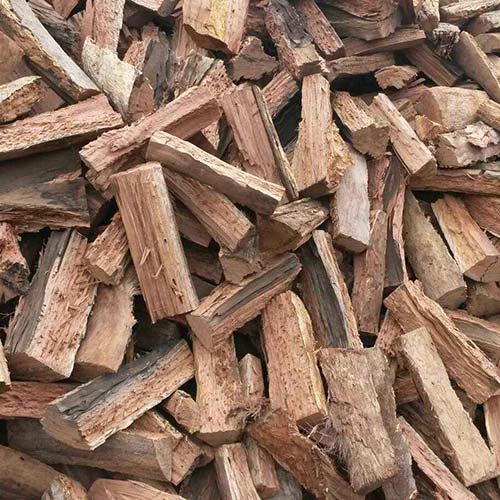
Choosing the right wood for your pizza oven can transform your cooking experience. The type of wood you use affects the flavor, texture, and cooking speed of your pizza. Different woods impart unique flavors, enhancing the taste of your homemade pizza. It’s important to consider both quality and type for the best results.
Importance Of Wood Quality
High-quality wood burns efficiently and produces less smoke. This ensures a consistent cooking temperature, which is crucial for baking pizza evenly. Well-seasoned wood also reduces the risk of soot, keeping your oven cleaner. Quality wood contains less moisture, resulting in a hotter, more sustained fire.
Impact On Flavor And Cooking
The wood type influences the pizza’s taste significantly. Hardwoods like oak and maple offer a mild, sweet flavor. Fruitwoods such as apple and cherry provide a subtle fruity aroma. These flavors infuse into the crust and toppings, creating a unique taste experience. The right wood choice can enhance your pizza’s overall appeal.
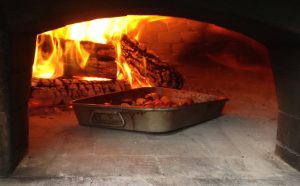
Different woods also affect cooking times and heat levels. Hardwoods burn longer and hotter, ideal for a crispy crust. Softer woods burn quickly and may require frequent refueling. Consider your cooking style and preference when selecting wood for your pizza oven.
Hardwoods Vs. Softwoods
Choosing the right wood for your pizza oven impacts the flavor. The debate often centers on hardwoods vs. softwoods. Both types offer unique qualities. But which is best for pizza ovens? Let’s explore the characteristics and benefits of each.
Characteristics Of Hardwoods
Hardwoods come from trees like oak, maple, and hickory. They are dense and burn longer. This makes them a popular choice for pizza ovens. The heat is consistent and steady. This is ideal for baking pizzas. Hardwoods produce less smoke. They offer a cleaner burn. The flavor they impart is rich and deep.
Benefits Of Softwoods
Softwoods are lighter and come from trees like pine and spruce. They ignite quickly and burn hot. This makes them good for starting fires. They are usually more affordable. Softwoods tend to be more accessible. They are often easier to find. But they produce more smoke. So, use them with caution in pizza ovens. They can impart a unique flavor but may not suit all tastes.
Top Wood Choices For Pizza Ovens
Choosing the right wood for your pizza oven can affect taste and aroma. Different types of wood impart unique flavors. Some woods burn hotter or longer, affecting cooking times. Here, we explore top wood choices for your pizza oven. Each option has its own benefits and characteristics.
Oak: A Popular Option
Oak is a favorite for many pizza enthusiasts. It burns hot and long, providing consistent heat. This makes it excellent for cooking pizzas evenly. The flavor is mild yet distinct. This makes it a versatile choice for various toppings.
Maple: Sweet And Smoky
Maple wood offers a sweet, smoky flavor. It complements both savory and sweet pizza toppings well. Maple burns moderately hot, making it suitable for slow cooking. This wood is ideal for those who enjoy a gentle, nuanced flavor.
Cherry: Adding Fruity Notes
Cherry wood brings a subtle fruity note to your pizza. It burns at a moderate temperature. This allows for even cooking. The aroma is pleasing and unique. Cherry wood is perfect for adventurous cooks.
Hickory: Bold Flavor
Hickory provides a strong, bold flavor. It burns very hot, which is great for quick cooking. This wood is ideal for those who love intense flavors. Hickory pairs well with rich, hearty toppings. Its unique taste makes it a standout choice.
Sustainability And Sourcing
Choosing the right wood for a pizza oven impacts flavor and efficiency. Sustainability and sourcing are vital factors in this decision. Understanding how wood is harvested and where it comes from helps ensure environmentally friendly choices.
Ethical Wood Harvesting
Ethical wood harvesting involves practices that protect forests. It ensures that trees are cut down responsibly. This method promotes the health of ecosystems. Sustainable harvesting prevents overexploitation. It maintains biodiversity and ecological balance. Buying wood from certified sources ensures ethical practices.
Local Vs. Imported Woods
Local woods are often more sustainable. They reduce transportation emissions. Supporting local producers boosts regional economies. Imported woods might offer unique flavors. They can come with a larger carbon footprint. Weighing local versus imported options helps make eco-friendly decisions.
Tips For Optimal Wood Use
Choosing the right wood for your pizza oven is crucial. The wood type impacts flavor, cooking efficiency, and safety. It’s not just about selecting quality wood; using it optimally is key. This involves proper storage and understanding moisture content.
Proper Storage Techniques
Store wood in a dry, ventilated area. This prevents mold and rot. Elevate wood off the ground using pallets or shelves. Covering the woodpile with a tarp keeps it dry. Ensure the tarp allows air circulation. Avoid closed containers that trap moisture.
Moisture Content Considerations
Wood with high moisture content burns inefficiently. It produces more smoke and less heat. Season wood for at least six months. This reduces moisture content. You can use a moisture meter to check wood dryness. Aim for less than 20% moisture for best results.
Credit: cruovens.com
Frequently Asked Questions
What’s The Best Wood To Use In A Pizza Oven?
Hardwoods like oak, maple, or ash are ideal for pizza ovens. They burn hotter and longer, providing consistent heat. Avoid softwoods as they produce resin and smoke. Always choose dry, seasoned wood for optimal performance and flavor.
Can I Use Any Wood In A Pizza Oven?
Not all wood is suitable for pizza ovens. Use hardwoods like oak, maple, or hickory. These burn efficiently, producing consistent heat and minimal smoke. Avoid softwoods, treated, or painted wood as they release harmful toxins. Always ensure wood is dry and seasoned for optimal performance and flavor.
Is Hickory Or Oak Better For Pizza?
Hickory offers a robust, smoky flavor ideal for barbecue-style pizzas. Oak provides a milder, versatile aroma, perfect for traditional pizzas. Choose based on your flavor preference and pizza style. Both woods enhance the taste through unique smokiness, ensuring a delicious, wood-fired pizza experience.
What Kind Of Wood Is Used In The Ooni Pizza Oven?
Ooni pizza ovens can use hardwood pellets, kiln-dried wood, or charcoal. Hardwood pellets are popular for their convenience. Kiln-dried wood burns cleanly, offering authentic wood-fired flavor. Always choose high-quality, dry wood for the best results.
Conclusion
Choosing the right wood boosts pizza oven performance. Different woods offer unique flavors. Oak and maple are popular for their steady burn. They provide a consistent heat. Fruitwoods like apple add a sweet aroma. They enhance the pizza’s taste. Avoid softwoods; they produce unwanted smoke.
Hardwoods ensure even cooking and crispy crusts. Consider availability and price in your choice. Experiment to find your favorite flavor. Remember, wood quality impacts your pizza’s taste. Enjoy the process and delicious results. Happy baking!