Affiliate Disclosure: This post may contain affiliate links. If you purchase through links on our site, we may earn an affiliate commission at no extra cost to you.
Imagine the aroma of a delicious meal wafting through your kitchen. You’re preparing to cook something special, and you’ve heard that adding wine can elevate your dish to new heights.
But where do you start? Choosing the right wine for cooking can seem daunting, especially with so many options on the shelves. You want to impress your taste buds and those of anyone sharing your table. Let’s uncover the secrets to picking the perfect wine that will not only enhance the flavor of your dish but also turn a simple meal into a culinary masterpiece.
Stay with me, and you’ll discover how a splash of the right wine can transform your cooking experience.
Choosing The Right Wine
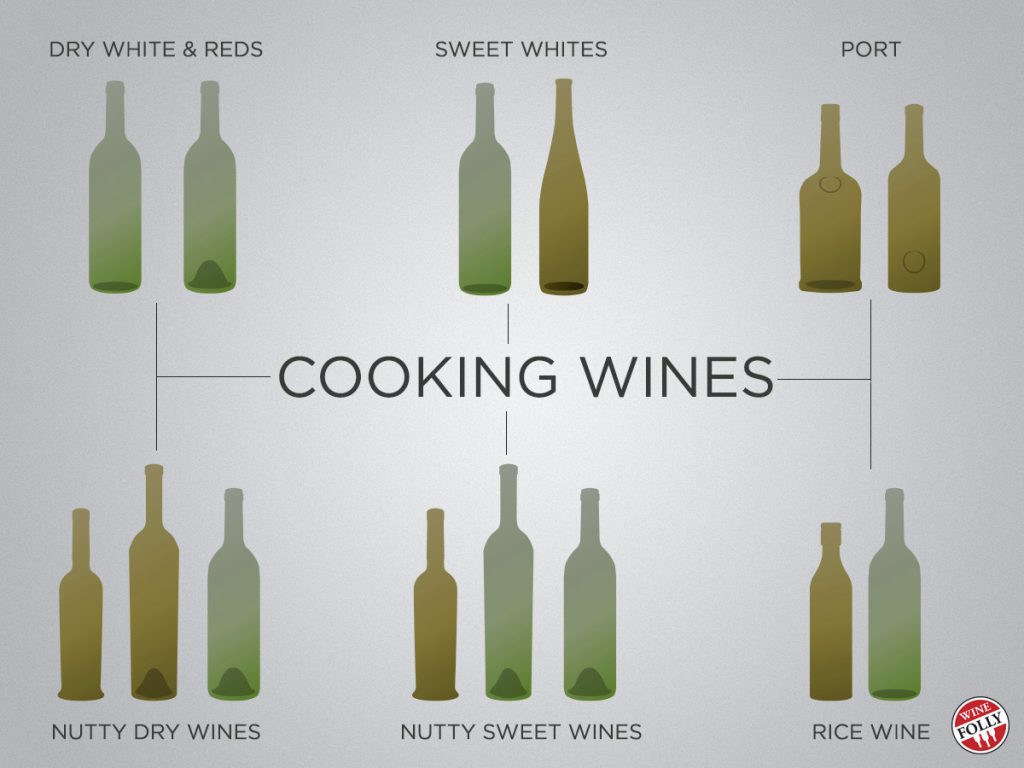
Selecting the best wine for cooking enhances flavors. Choose dry red or white wines for savory dishes. Sweet wines suit desserts well. Experiment to find your favorite combination.
Choosing the right wine for cooking can elevate your dishes from ordinary to extraordinary. Whether you’re a seasoned chef or a home cook, knowing which wine to use can be a game-changer. The right wine not only enhances flavors but also adds a depth that plain water or stock simply cannot achieve. But with so many options available, how do you decide which wine to pour into your pan?
Red Vs. White Wines
Red and white wines each bring unique qualities to your cooking. Red wine is often rich and robust, ideal for hearty dishes like stews and braises. It adds a depth of flavor that can make your beef bourguignon unforgettable. On the other hand, white wine is lighter and more acidic, perfect for deglazing pans or adding a crisp finish to a creamy risotto. Its bright notes can balance the richness of butter or cream in seafood dishes. Think about the dish you’re preparing. A tomato-based sauce might benefit from the richness of red wine, while a delicate fish dish could shine with a splash of white. Remember, the goal is to complement, not overpower your ingredients.
Factors To Consider
Several factors come into play when choosing the right wine for cooking. First, consider the flavor profile of your dish. Is it robust or delicate? A strong-flavored dish might need a bold wine, whereas a subtle dish would pair well with something more delicate. Also, think about acidity. Wines with higher acidity can cut through fatty or rich dishes, adding balance. Your budget is another factor. While you don’t need to splurge on an expensive bottle, avoid cooking wines from the grocery store, as they often contain added salt and preservatives. Choose a wine that you would enjoy sipping. This way, you ensure that the flavor is something you’d want to incorporate into your meal. Lastly, consider your personal taste. Cooking is an art, and your preferences matter. If you love a particular wine, experiment with it in your cooking. The joy of culinary creation often comes from personal touches and experimentation. What’s your favorite wine to cook with, and how does it enhance your dishes?
Wine Varieties And Their Uses
Cooking with wine can elevate your dishes from simple to extraordinary. But selecting the right wine is crucial. Different wine varieties bring distinct flavors and aromas that can complement or overpower your meals. Let’s delve into some popular wine options and how they can enhance your cooking.
Cabernet Sauvignon
Cabernet Sauvignon is a red wine known for its bold flavor and high tannins. It’s perfect for hearty dishes like beef stew or braised short ribs. The robust taste can stand up to rich flavors and fatty meats, adding depth to your dish. Have you ever tried using it in a red wine reduction sauce? The result is simply exquisite.
Chardonnay
Chardonnay is a versatile white wine that works well in creamy dishes. It’s often used in recipes that call for a touch of acidity, like chicken Alfredo or mushroom risotto. Its buttery notes can add a luxurious feel to your sauce. Imagine the rich taste it brings to a simple pan-seared chicken breast!
Merlot
Merlot is milder than Cabernet Sauvignon, making it an excellent choice for dishes that need a softer touch. Use it in tomato-based sauces for pasta or in a classic coq au vin. Its fruit-forward taste complements the sweetness of tomatoes and the earthiness of mushrooms. Could this be the secret ingredient your spaghetti has been missing?
Sauvignon Blanc
Sauvignon Blanc is a crisp and refreshing white wine, ideal for lighter dishes. Pair it with seafood or chicken to bring out the delicate flavors without overwhelming them. Think of how a splash of Sauvignon Blanc can brighten a lemon garlic shrimp or a summery salad dressing. Have you considered trying it in your next seafood pasta?
Choosing the right wine can transform your cooking. The key is understanding the unique attributes each wine brings to the table. So next time you’re in the kitchen, ask yourself: what flavor do you want to highlight in your dish? Your answer will guide you to the perfect wine variety.
Cooking Techniques With Wine
Cooking with wine adds depth and complexity to dishes. It’s a secret weapon in the kitchen, enhancing flavors and aromas. Different techniques unlock the full potential of wine in cooking. Let’s explore how wine can transform your culinary creations.
Deglazing
Deglazing lifts and dissolves caramelized bits from the pan. Use wine to deglaze and add a burst of flavor. White or red wine works great here. Pour a splash into the hot pan after cooking meat. Scrape the pan to release the flavors, creating a rich base for sauces.
Marinating
Wine is perfect for marinating. It tenderizes meat and infuses it with flavor. Choose a wine that complements the dish. Red wine suits beef or lamb. White wine pairs well with chicken or fish. Combine wine with herbs and spices for a delicious marinade. Let it soak for hours or overnight.
Sauces And Reductions
Wine is key to making sauces and reductions. It adds depth and enhances the taste. Choose the right wine for the sauce. Red wine for hearty sauces. White wine for light, creamy ones. Simmer the wine with ingredients until it thickens. The concentrated flavor elevates any dish.
Enhancing Flavors With Wine
Cooking with wine can transform your dishes. It adds a unique flavor that cannot be replicated. Wine brings out the best in ingredients. Whether using red or white, it enhances every bite. Choosing the right wine is key. It makes the difference between a bland dish and a memorable one.
Balancing Acidity
Acidity is crucial in cooking. It brightens flavors and adds a fresh taste. White wines like Sauvignon Blanc have high acidity. They work well in chicken or seafood dishes. Red wines, like Pinot Noir, offer a softer acidity. They balance rich, hearty meals. Consider the dish’s ingredients. Match the wine’s acidity to complement them.
Adding Depth To Dishes
Wine adds depth, making dishes richer. It enhances the natural flavors of the food. A dry red wine pairs well with beef. It deepens the flavors and adds complexity. White wine, like Chardonnay, can do wonders for sauces. It brings out buttery, creamy notes. The alcohol cooks off, leaving behind a robust flavor.
Common Mistakes To Avoid
Cooking with wine adds depth and flavor. But choosing the right wine is crucial. Many make mistakes without knowing it. These errors can ruin a dish. Understanding common pitfalls helps create a delicious meal.
Using ‘cooking Wine’
‘Cooking wine’ is often salty and low quality. It may spoil the taste of your dish. Always choose a wine you’d drink. Quality matters in cooking. Even a small amount can affect flavor. Don’t settle for less in your recipes.
Overpowering The Dish
Too much wine can dominate the dish. It may mask other flavors. Balance is key. Use just enough to enhance, not overwhelm. Let other ingredients shine. Wine should complement, not overshadow.
Tips For Storing And Using Wine
Wine adds depth and flavor to many dishes. Knowing how to store and use it properly can make a big difference. Proper storage helps maintain its flavor. Using leftover wine creatively can save money and reduce waste. Let’s explore some practical tips.
Storage Solutions
Store wine in a cool, dark place to preserve its quality. A wine rack or cellar is ideal. Keep bottles on their side to keep the cork moist. This prevents it from drying out and spoiling the wine. If you don’t have a wine fridge, a regular fridge works for short-term storage. Just remember to let red wine come to room temperature before using it.
Repurposing Leftover Wine
Leftover wine can enhance many dishes. Freeze it in ice cube trays for future use. Wine cubes are great for soups and sauces. They add flavor without needing fresh wine. You can also use leftover wine in marinades. It tenderizes meat and adds a rich taste. Another option is making wine vinegar. Simply let it ferment for a few weeks. This creates a homemade vinegar perfect for dressings.
Frequently Asked Questions
Which Wine Is The Best For Cooking?
Choose dry white wine like Sauvignon Blanc or Chardonnay for cooking. These wines enhance flavors without adding sweetness. For red wine dishes, opt for a Cabernet Sauvignon or Merlot. Avoid wines labeled “cooking wine” as they contain added salt and preservatives.
Always use a wine you’d enjoy drinking.
What White Wine Is Best For Cooking?
Use dry white wines like Sauvignon Blanc, Pinot Grigio, or Chardonnay for cooking. They enhance flavors without overpowering dishes. Avoid sweet wines, as they alter the taste profile. Wine acidity balances and adds depth to sauces and marinades. Choose quality but affordable wines for the best results.
Can You Use Any Type Of Wine For Cooking?
Yes, you can use any type of wine for cooking. Choose wines that enhance flavors. Dry red or white wines work best. Avoid overly sweet or high-tannin wines. Select wines you enjoy drinking. Quality matters, but expensive wines aren’t necessary.
The right wine can elevate your dish’s taste and aroma.
Is It Better To Cook With White Or Red Wine?
Choose wine based on dish type. Red wine suits hearty dishes like beef or lamb. White wine works well with lighter meals like chicken or fish. Each wine enhances flavors differently. Experiment with both to find your preference. Quality matters, so use good wine for the best taste.
Conclusion
Choosing the right wine enhances your cooking. It boosts flavors. Dry white wines suit chicken dishes well. Red wines work great with beef. Sweet wines pair with desserts. Always pick a wine you like to drink. It should complement your dish.
Avoid cooking wines with added salt. They alter taste. Quality matters in cooking too. Experiment with different types. Discover what suits your style best. Happy cooking and tasting!








