Affiliate Disclosure: This post may contain affiliate links. If you purchase through links on our site, we may earn an affiliate commission at no extra cost to you.
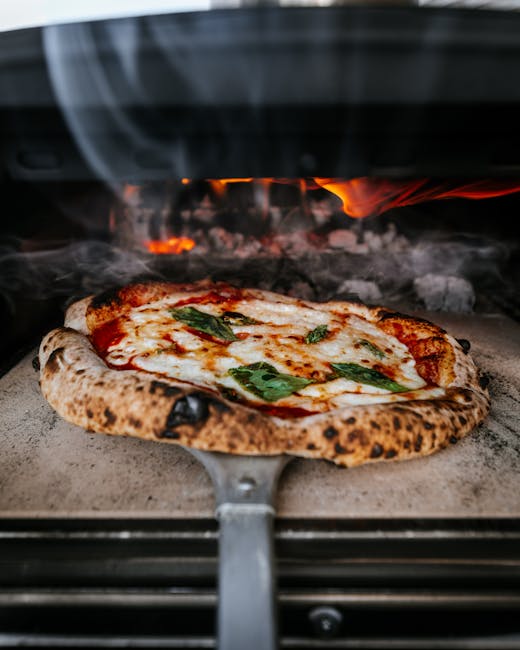
Are you ready to elevate your pizza-making game? Imagine the perfect slice—crispy crust, gooey cheese, and that irresistible smoky flavor.
The secret ingredient? It’s not just the dough or sauce; it’s the wood you use in your pizza oven. Choosing the right wood can make the difference between an ordinary pizza and a masterpiece. But with so many options available, how do you know which wood is the best for your pizza oven?
Don’t worry; we’ve got you covered. We’ll unveil the best types of wood for your pizza oven, ensuring every bite is a delicious success. Get ready to transform your homemade pizzas into pizzeria-quality delights!
Types Of Wood For Pizza Ovens
Choosing the right wood for your pizza oven can enhance flavors. It also affects the cooking process. Different types of wood burn at various temperatures. Some produce more smoke than others. Understanding the types of wood helps achieve the perfect pizza.
Hardwoods Vs Softwoods
Hardwoods burn hotter and longer than softwoods. They provide a steady heat source. This makes them ideal for pizza ovens. Examples include oak, hickory, and maple. Hardwoods produce less smoke. This results in a cleaner taste. Softwoods burn quickly and produce more smoke. They contain resin, which can affect the flavor. Pine and cedar are common softwoods. For pizza ovens, hardwoods are generally preferred.
Popular Wood Choices
Oak is a top choice for pizza ovens. It burns hot and has a mild flavor. Hickory is another favorite. It adds a strong, smoky taste. Maple offers a sweet aroma. This enhances the pizza’s flavor. Fruitwoods like apple and cherry are also popular. They provide a subtle, fruity taste. These woods burn evenly and add unique flavors.
Characteristics Of Ideal Wood
Choosing the best wood for a pizza oven involves selecting hardwoods like oak or maple for their slow burn and high heat. These woods produce a consistent flame, ensuring even cooking and enhancing the flavor of your pizza. Dense wood types also create less smoke, making them ideal for a cleaner cooking experience.
Choosing the right wood for your pizza oven can make or break your cooking experience. The characteristics of ideal wood are crucial in determining how well your pizza bakes. Have you ever wondered why some pizzas have that perfect crust while others fall flat? It often boils down to the type of wood used. Let’s dive into what makes the best wood for your pizza oven.
Moisture Content
The moisture content of wood affects how it burns and the flavor it imparts. Wood with high moisture takes longer to ignite and produces more smoke. This can lead to an uneven cooking temperature. Aim for wood with a moisture content of less than 20%. You can achieve this by using seasoned wood, which has been dried for at least six months. Properly dried wood burns hotter and cleaner, giving you a perfect pizza every time.
Size And Shape
The size and shape of your wood pieces can influence the heat and cooking time. Larger logs burn longer but take more time to catch fire. Smaller pieces ignite quickly and are great for getting the oven hot fast. Consider having a mix of both to control your oven’s temperature effectively. Have you ever noticed how some pizzas cook unevenly? It might be due to the inconsistent size of the wood in your oven.
Burn Efficiency
Burn efficiency is about how well the wood converts into heat. Hardwoods like oak and hickory are renowned for their high burn efficiency. They burn slowly and steadily, providing a consistent heat source. Softwoods, on the other hand, burn quickly and can lead to temperature spikes. Choosing the right wood for burn efficiency means less time managing the fire and more time enjoying delicious pizza. Choosing the right wood is more than just a preference; it’s a skill. Have you found your perfect wood yet?
Hardwood Options
Choosing the right wood for a pizza oven is essential for perfect cooking. Oak is popular due to its consistent burn and heat. Hickory adds a smoky flavor, making pizzas taste delicious.
Choosing the right wood for your pizza oven can make all the difference in achieving that perfect crust and smoky flavor. Hardwood options are often preferred for their ability to burn hotter and longer, ensuring an even cooking temperature. But which hardwood should you choose for your pizza oven? Here’s a breakdown of some popular choices to help you decide.
Oak
Oak is a favorite among pizza enthusiasts for its steady and strong burn. It provides a consistent heat, making it easier to maintain the ideal temperature for pizza cooking. Have you ever tried cooking pizza only to find the crust is unevenly cooked? Oak helps avoid this by offering a reliable and steady burn. You’ll find that oak adds a subtle smoky flavor without overwhelming your toppings.
Maple
Maple wood is another great option if you’re looking for a slightly sweeter flavor profile. This hardwood burns hot and clean, which is perfect for cooking pizzas quickly. Imagine biting into a pizza with a hint of sweetness that complements your savory toppings. Maple can achieve that without overpowering the taste. It’s a great choice if you want to add a unique twist to your pizza experience.
Hickory
If you’re aiming for a bolder, more robust flavor, hickory might be the wood for you. Known for its strong smoke, hickory can add a depth of flavor that’s especially enjoyable with meat-topped pizzas. Be cautious, though. Its intense flavor can be too much if used excessively. Try mixing hickory with a milder wood to balance the flavors while still enjoying its distinctive taste. Consider what you value most in your pizza—consistency, sweetness, or a strong smoky flavor. Each wood type brings something unique to the table. Which hardwood will you choose for your next pizza night?
Fruitwoods For Flavor
Have you ever wondered how to elevate your pizza game with just a simple tweak? Choosing the right wood can transform your homemade pizza from good to mouthwateringly delicious. Fruitwoods are renowned for imparting delightful, subtle flavors to your pizza. Let’s dive into how apple, cherry, and pecan woods can be game-changers in your pizza oven.
Apple
Apple wood is a popular choice for many pizza enthusiasts. It adds a sweet, mild flavor that complements the savory taste of pizza toppings. Imagine biting into a slice where the cheese melts perfectly, and the apple wood aroma envelops each bite. You might find that apple wood gives your pizza a slightly fruity undertone that is hard to resist.
Have you tried using apple wood in your oven? It burns slowly and evenly, making it a practical choice for maintaining consistent heat. Next time you fire up your pizza oven, consider apple wood for that perfect balance of flavor and aroma.
Cherry
Cherry wood offers a slightly stronger flavor than apple wood but still maintains a subtle sweetness. It can transform your pizza into a gourmet experience with just a hint of smokiness. Picture your favorite pizza, now enhanced with a touch of cherry wood’s unique aroma.
Cherry wood is also a favorite because it burns cleanly, reducing unwanted smoke that can overwhelm delicate toppings. Have you ever had a pizza where the smoke was overpowering? Cherry wood could be your answer to achieving that perfect, smoky balance.
Pecan
Pecan wood brings a nutty flavor to your pizza, ideal for those who love experimenting with different tastes. It provides a rich, warm aroma that can enhance the overall pizza experience. Imagine a pizza where the crust has a slightly toasted, nutty essence, making each bite unforgettable.
Pecan wood also burns longer, allowing you to enjoy extended cooking sessions without frequent refueling. Are you ready to try pecan wood for a unique twist on your favorite recipes? It might just be the secret ingredient you’ve been missing.
Fruitwoods are more than just fuel; they are flavor enhancers that can redefine your pizza-making journey. Which wood will you choose for your next masterpiece? Your pizza oven awaits the transformation.
Avoiding Unfit Woods
Choosing the right wood for your pizza oven is crucial for perfect pies. Certain woods are unfit for this purpose and should be avoided. They can affect the taste of your pizza or even damage your oven. Understanding which woods to steer clear of ensures better cooking results.
Treated Woods
Avoid using treated woods in your pizza oven. These woods have chemicals that can release toxins when burned. Such toxins can alter the flavor of your pizza and pose health risks. Treated woods often include pallets or construction scraps.
Softwoods
Softwoods are not ideal for pizza ovens. They burn quickly and produce less heat compared to hardwoods. This can lead to uneven cooking and longer baking times. Pine and spruce are common examples of softwoods to avoid.
Resinous Woods
Resinous woods produce a lot of smoke and soot. This can coat your pizza oven and affect its efficiency. The sticky residue can be hard to clean and alter the taste of your pizza. Woods like cedar and fir are resinous and should be avoided.
Sourcing And Storing Wood
Choosing the right wood for a pizza oven is crucial for perfect flavors. Hardwoods like oak, hickory, and maple burn steadily, providing consistent heat. Properly storing wood ensures it stays dry and ready for use, enhancing the cooking experience.
Sourcing and storing wood for your pizza oven can greatly impact the quality of your cooking. Fresh and properly stored wood not only enhances the flavor of your pizzas but also ensures efficient burning. Let’s explore how to find the right wood and keep it in prime condition for your culinary adventures.
Local Suppliers
Finding the right wood starts with choosing a reliable local supplier. Local suppliers often offer wood that is more suited to your climate and cooking needs. You might even find a family-owned business that provides personalized advice based on their own experiences. Consider visiting a nearby farmer’s market where local artisans might sell seasoned wood. They often know the best types of wood for pizza ovens because they use them too. This can be a great opportunity to ask questions and get recommendations. Remember, different woods impart different flavors. Oak and maple, for example, are excellent for long, slow burns and add a subtle smokiness to your pizza.
Proper Storage Techniques
Storing your wood correctly is as important as choosing the right type. Moisture is the enemy here. Wood must be kept dry to burn efficiently and produce the best heat for your oven. Create a designated storage area that allows air circulation. Stack the wood in a crisscross pattern to ensure air can flow between the logs. This helps in drying the wood evenly and prevents mold growth. Cover the wood with a tarp, but leave the sides open. This protects it from rain while allowing it to breathe. If you’re storing wood indoors, ensure the space is dry and well-ventilated. Consider using a moisture meter to check the wood’s readiness. Wood with less than 20% moisture content is ideal for a pizza oven. Have you ever noticed your pizza tasting a bit off? It could be the result of burning damp wood, which produces more smoke and less heat. By sourcing high-quality wood and storing it properly, you set the stage for the perfect pizza oven experience. What’s your go-to wood choice for that perfect crust and flavor?
Environmental Impact
Choosing the right wood for a pizza oven impacts the environment. Different types of wood come from various sources. Each source has a unique environmental footprint. Using wood responsibly helps maintain our planet’s health. This section explores the environmental impact of wood choices. It highlights sustainable sourcing and eco-friendly practices.
Sustainable Sourcing
Sustainable sourcing means getting wood without harming forests. Responsible sources grow trees specifically for harvesting. This practice keeps forest ecosystems balanced. Forests can regrow and provide resources for the future. Always look for wood with certifications. These indicate the wood comes from managed forests. Examples include FSC or PEFC certifications. They ensure the wood was sustainably harvested.
Eco-friendly Practices
Eco-friendly practices reduce environmental harm. Using local wood minimizes transportation emissions. Less distance traveled means less pollution. Choosing hardwoods over softwoods can be beneficial. Hardwoods burn longer and cleaner. Less wood is needed, reducing overall consumption. Proper storage of wood also matters. Dry wood burns more efficiently. Efficient burning reduces smoke and emissions. Select wood that supports these eco-friendly practices.
Frequently Asked Questions
What Wood Should You Not Use In A Wood Fired Pizza Oven?
Avoid using treated, painted, or laminated wood in a wood-fired pizza oven. These can release harmful chemicals. Pine and other resinous woods produce excessive soot and creosote. Opt for hardwoods like oak, maple, or ash for optimal results. Always ensure wood is well-seasoned and dry for efficient burning.
What Kind Of Wood Is Used In The Ooni Pizza Oven?
OONI pizza ovens use hardwood pellets for optimal performance. Hardwood provides consistent heat and efficient cooking. Choose natural, food-grade pellets for best results. Popular options include oak, maple, or cherry pellets. Ensure pellets are dry for optimal burning and flavor.
Use quality pellets for delicious pizza and authentic wood-fired taste.
Is Hickory Or Oak Better For Pizza?
Hickory provides a stronger, smokier flavor, ideal for bold toppings. Oak offers a milder, balanced smoke, suitable for delicate pizzas. Choose based on your taste preference and desired pizza flavor profile. Both woods enhance pizza with unique smokiness.
Can You Use Any Hardwood In A Pizza Oven?
Not all hardwoods are suitable for pizza ovens. Use seasoned hardwoods like oak, maple, or apple. Avoid resinous or treated woods as they can release harmful chemicals. Proper hardwood enhances flavor and ensures consistent cooking. Always prioritize safety and quality when selecting wood for your pizza oven.
Conclusion
Choosing the right wood makes a big difference in pizza taste. Oak burns evenly, giving steady heat. Birch provides a quick burn for fast cooking. Fruit woods like apple add a sweet, smoky flavor. Consider local availability and cost when selecting wood.
Experiment with different types to find your favorite. Each wood offers a unique flavor profile to enhance your pizza. Keep safety in mind; use seasoned wood. Your choice impacts cooking time and flavor. Enjoy crafting delicious pizzas with the perfect wood for your oven.








