Affiliate Disclosure: This post may contain affiliate links. If you purchase through links on our site, we may earn an affiliate commission at no extra cost to you.
Are you standing in the kitchen, staring at bottles of oil, and wondering which is the best for your cooking needs? You’re not alone.
Choosing the right oil can transform your dish from ordinary to extraordinary. Whether you’re frying, sautéing, or baking, each oil has unique qualities that can enhance flavor, texture, and even the nutritional value of your meals. But with so many options, how do you decide?
You’ll discover the best oils for cooking and learn how they can elevate your culinary creations, ensuring every bite is delicious and healthy. Keep reading to make your next meal a masterpiece.
Types Of Cooking Oils
Choosing the right cooking oil can elevate your dishes and impact your health. With a wide range of oils available, understanding their differences is essential. Whether you’re sautéing vegetables or frying chicken, the type of oil you use matters.
Vegetable Oils
Vegetable oils are popular in many kitchens for their versatility. They often have a neutral taste, making them suitable for various dishes. Common examples include canola, sunflower, and soybean oils.
These oils are typically high in unsaturated fats, which can be beneficial for heart health. However, their processing can sometimes strip away nutrients. Always check the label for refined vs. unrefined options.
One weekend, I swapped my usual oil for avocado oil in a stir-fry. The difference was noticeable with a lighter taste and better texture. It made me wonder: how often do we think about the oil’s influence on our meals?
Animal-based Oils
Animal-based oils, like butter and lard, have been used for centuries. They bring rich flavors to dishes, often enhancing baked goods and fried foods. While they contain saturated fats, using them in moderation can be part of a balanced diet.
Butter, for instance, adds a creamy texture to sauces and pastries. On the other hand, lard, often rendered from pork fat, is excellent for crispy fries or flaky pie crusts.
Have you ever tried making cookies with ghee instead of butter? The nutty aroma and unique taste can transform a simple batch into something extraordinary. Small changes in your oil choice can make a big difference in your cooking adventures.
Choosing the right oil depends on your cooking style, health goals, and flavor preferences. Next time you reach for a bottle or tub of oil, think about what it brings to your meal. After all, a small change in the kitchen can lead to delightful culinary surprises.
Health Considerations
Choosing the best oil for cooking involves health considerations. Olive oil is often recommended due to its heart-friendly fats. Coconut oil, rich in saturated fat, is better for high-temperature cooking. Always consider the smoke point and nutritional benefits when selecting cooking oils.
When choosing the best oil for cooking, health considerations are crucial. Oils can impact your body’s well-being in various ways. Understanding both the benefits and risks can guide you to make healthier choices in your kitchen.
Nutritional Benefits
Cooking oils aren’t just for flavor; they also provide nutritional value. Olive oil, especially extra virgin, is rich in monounsaturated fats, which are known for supporting heart health. Coconut oil offers medium-chain triglycerides that are easy to digest and can boost energy. Some oils, like flaxseed oil, are great sources of omega-3 fatty acids. These are essential for brain health and reducing inflammation. Avocado oil contains lutein, which is beneficial for eye health. Are you using oils that support your specific dietary needs?
Potential Health Risks
Not all oils are created equal when it comes to health risks. Some oils, like canola and soybean, can be highly processed. This processing can strip them of nutrients and introduce unhealthy trans fats. Trans fats have been linked to heart disease and should be avoided. High-temperature cooking with certain oils can also pose risks. When oils like sunflower or corn oil reach their smoke point, they can release harmful compounds. These compounds can contribute to health issues over time. How often do you consider the smoke point of your cooking oil? Choosing the right oil is not just about taste but also about your health. By weighing the benefits and risks, you can make choices that enhance your meals and support your well-being. What will you choose for your next cooking adventure?
Smoke Points Of Oils
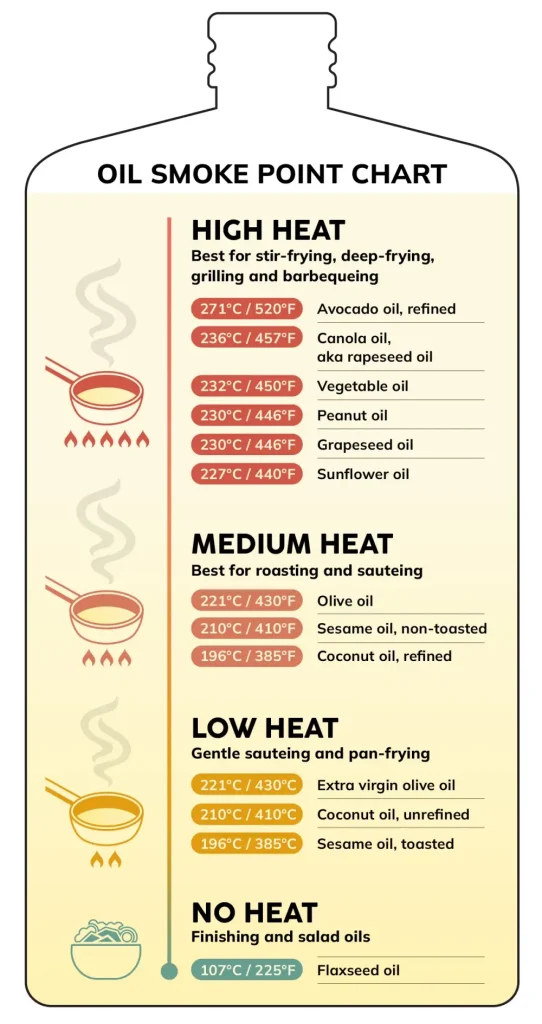
Smoke points are crucial in choosing cooking oils. They determine how hot oil can get before it starts smoking. Knowing smoke points helps you avoid burnt flavors and harmful compounds. Different oils have different smoke points. They fall into three categories: low, medium, and high.
Low Smoke Point Oils
Oils with low smoke points are best for dressings. Examples include flaxseed oil and walnut oil. These oils smoke at lower temperatures, usually under 325°F. They preserve flavor and nutrients when used cold.
Medium Smoke Point Oils
Medium smoke point oils suit sautéing and baking. Olive oil and sesame oil are common choices. They can withstand heat up to 375°F. This makes them versatile for many recipes.
High Smoke Point Oils
High smoke point oils are ideal for frying. Examples include avocado oil and peanut oil. They resist smoking even at temperatures above 400°F. Use them for cooking that requires high heat.
Flavor Profiles
Cooking oils are essential in the kitchen. Each oil has a unique flavor profile. Choosing the right oil can enhance your dish’s taste. Some oils have a neutral taste, while others are rich and distinctive. Understanding these profiles helps you make better cooking choices.
Neutral Tasting Oils
Neutral tasting oils are versatile. They have a mild flavor. Common examples include canola, vegetable, and sunflower oil. These oils are perfect for baking, frying, or sautéing. They don’t overpower the dish. Instead, they let other ingredients shine. Neutral oils are great for everyday cooking. They provide a consistent taste.
Rich And Distinctive Oils
Rich oils offer bold flavors. Olive oil is a popular choice. It adds depth to salads and pastas. Coconut oil brings a hint of sweetness. It’s excellent in curries and desserts. Sesame oil is another flavorful option. It’s ideal for Asian dishes. These oils can transform a meal. Their strong taste enhances the culinary experience. Use them when you want your dish to stand out.
Best Oils For Frying
Frying is a popular cooking method worldwide. Choosing the right oil is crucial for health and taste. Some oils withstand high heat better than others. These oils make frying safer and more delicious. Let’s explore the best oils for frying.
Canola Oil
Canola oil has a high smoke point. It is suitable for frying. It is low in saturated fats. This oil is heart-friendly. Many people use it for deep frying foods.
Peanut Oil
Peanut oil has a nutty flavor. It enhances the taste of fried foods. It has a high smoke point. This makes it perfect for frying. It is commonly used in Asian cuisine.
Sunflower Oil
Sunflower oil is light and mild. It withstands high temperatures well. This oil is great for frying. It has a neutral taste. This keeps the focus on the food’s flavor.
Corn Oil
Corn oil is affordable and versatile. It is ideal for frying due to its high smoke point. The oil is commonly found in many kitchens. It has a mild taste.
Avocado Oil
Avocado oil is rich in healthy fats. It has a high smoke point. This oil is excellent for frying. It adds a subtle flavor to dishes. Many health-conscious cooks prefer it.
Best Oils For Baking
Baking is an art that combines precision with creativity. Choosing the right oil can enhance flavors and textures. The oil you select affects the taste and moisture of your baked goods. From cakes to cookies, oils play a crucial role. Here’s a guide to the best oils for baking to help you make informed choices.
1. Olive Oil
Olive oil offers a rich, fruity flavor perfect for savory baked goods. Use it in breads, muffins, and some cookies. Its healthy fats add moisture and a unique taste. Choose a light olive oil for a milder flavor. This oil is heart-healthy, packed with antioxidants.
2. Coconut Oil
Coconut oil brings a subtle tropical flavor to your baked items. It’s solid at room temperature but melts quickly. Use it in recipes calling for butter for a dairy-free option. Ideal for cakes, brownies, and cookies, it adds a rich texture. Remember, it has a strong coconut scent.
3. Canola Oil
Canola oil is a neutral oil, making it versatile for baking. It won’t overpower the flavors of your recipes. Use it in cakes, muffins, and quick breads. It’s low in saturated fat and contains omega-3 fatty acids. This oil ensures a soft, moist crumb.
4. Avocado Oil
Avocado oil provides a buttery flavor and is excellent for baking. It’s rich in monounsaturated fats, which are heart-friendly. Use it in chocolate cakes or brownies for added richness. Its high smoke point makes it stable during baking. This oil is nutrient-rich and adds a unique taste.
5. Sunflower Oil
Sunflower oil is light and neutral, perfect for delicate baked goods. It works well in cakes and pastries, offering moisture without added flavor. It’s rich in vitamin E and low in saturated fats. This oil is budget-friendly and widely available.
Best Oils For Salad Dressings
Olive oil offers a rich taste for salad dressings, enhancing flavors. Avocado oil provides a mild, buttery texture. Grapeseed oil is light and perfect for delicate salads. Each oil brings a unique flavor and health benefits, making them ideal choices for delicious dressings.
When it comes to crafting the perfect salad, choosing the right oil for your dressing can elevate your meal from ordinary to extraordinary. The best oils for salad dressings not only add flavor but also enhance the nutritional value of your dish. With so many options available, how do you decide which oil is the best for your salad dressing needs?
Extra Virgin Olive Oil
Extra virgin olive oil is a classic choice for salad dressings. Its rich, fruity flavor pairs beautifully with fresh greens and vegetables. Plus, it’s packed with healthy monounsaturated fats and antioxidants.
Avocado Oil
Avocado oil is another excellent option, especially if you prefer a milder taste. It’s smooth, buttery, and rich in heart-healthy fats. This oil can add a subtle creaminess to your salad without overpowering other ingredients.
Walnut Oil
Walnut oil provides a nutty flavor that can transform a simple salad into a gourmet experience. It’s particularly good in salads featuring nuts, apples, or blue cheese. Rich in omega-3 fatty acids, it’s a nutritious choice that adds depth to your dressing.
Grapeseed Oil
Grapeseed oil is known for its light and neutral taste, making it a versatile choice. It’s ideal when you want the flavors of your other ingredients to shine. This oil is also high in polyunsaturated fats, which can be beneficial for heart health.
Sesame Oil
For an Asian-inspired salad, sesame oil can be a game-changer. Its toasty flavor adds an exotic twist to your dressing. Just a small amount can bring a delightful complexity to your dish.
Flaxseed Oil
Flaxseed oil is renowned for its health benefits, especially its high omega-3 content. However, it’s best used in cold applications like salad dressings to preserve its nutrients. If you enjoy a slightly earthy flavor, this oil might be the perfect fit for your salad. When you’re selecting an oil for your salad dressing, consider the flavor profile you want to achieve. Do you want something bold and robust or light and subtle? Experiment with different oils and pair them with various ingredients to find your perfect match. Your taste buds might just thank you for the adventure!
Credit: originz.co
Sustainability And Environmental Impact
When choosing the best oil for cooking, sustainability and environmental impact should be a priority. It’s easy to overlook these aspects, but they play a significant role in the health of our planet. You might not think your cooking choices can make a big difference, but they do. Each drop of oil contributes to a larger global footprint. Let’s explore how your choice can be more sustainable.
Understanding Sustainable Cooking Oils
Sustainable cooking oils are produced with minimal harm to the environment. They are sourced responsibly, often from plants that regenerate quickly. For example, sunflower oil is a good choice. It’s derived from sunflowers, which grow rapidly and require less water than other crops. This means less strain on natural resources.
The Environmental Impact Of Palm Oil
Palm oil is a common ingredient in many kitchens, but its environmental impact is severe. Large-scale palm oil production leads to deforestation and loss of biodiversity. If you’ve ever wondered why orangutans are endangered, palm oil plantations are a big reason. Choosing alternatives like olive or avocado oil can reduce this impact.
Personal Experience With Sustainable Oils
I switched to using olive oil not only for its health benefits but also for sustainability. It feels good to know that my cooking doesn’t contribute to deforestation. Plus, the rich flavor of olive oil enhances my dishes beautifully. You might find that making this switch also adds new dimensions to your cooking.
How Your Choice Matters
Every cooking decision you make counts. Think about the long-term effects of the oil you choose. Does it support environmentally friendly practices? By opting for oils like coconut or rapeseed, you are encouraging sustainable agriculture. What kind of world do you want your children to inherit? These choices shape that future.
Practical Tips For Sustainable Choices
- Research brands that prioritize sustainable sourcing.
- Consider oils that come from local producers to reduce carbon footprint.
- Check for certifications like Fair Trade or Rainforest Alliance.
Making these small changes can lead to a big impact. Start with one sustainable oil and see how it fits into your cooking routine. You might be surprised by how easy it is to make a positive change.
Cost And Availability
Choosing the right cooking oil involves considering cost and availability. These factors can influence your decision on which oil to use. It’s important to find an oil that fits your budget and is easy to find. This section explores the cost and availability of various cooking oils.
Cost Of Olive Oil
Olive oil is popular but can be pricey. Its cost varies by brand and region. Extra virgin olive oil is more expensive than regular olive oil. Despite the cost, many prefer it for its health benefits and flavor.
Availability Of Coconut Oil
Coconut oil is widely available in most supermarkets. It comes in solid and liquid forms. The price can fluctuate based on quality and origin. Organic coconut oil is often more expensive.
Cost Of Canola Oil
Canola oil is budget-friendly and versatile. It’s one of the cheapest oils available. Its affordability makes it popular in many households.
Availability Of Sunflower Oil
Sunflower oil is easy to find in stores. It’s a common choice for frying. The price is moderate, offering good value for its quality.
Cost Of Avocado Oil
Avocado oil is more costly than many other oils. Its price reflects its nutritional benefits. It’s often used in gourmet cooking due to its rich flavor.
Availability Of Vegetable Oil
Vegetable oil is readily available everywhere. It’s a staple in many kitchens. Its low cost and availability make it a popular choice.
Top Picks For Cooking Oils
Choosing the best cooking oil depends on flavor and health benefits. Olive oil is popular for its rich taste and heart health properties. Coconut oil adds tropical flavor, while canola oil offers a neutral taste and versatility for various dishes.
Choosing the right cooking oil can make or break your meal. The oil you pick affects the flavor, texture, and even the nutritional profile of your dishes. With so many options out there, it can be overwhelming. But don’t worry, we’re breaking it down for you with some top picks for cooking oils. Let’s dive in and explore which oils you should consider for your next culinary adventure.
Olive Oil: A Mediterranean Marvel
Olive oil is a staple in many kitchens and for good reason. It’s rich in monounsaturated fats, which are known to be heart-friendly. The flavor is distinct, adding a touch of elegance to salads and pasta. Extra virgin olive oil, in particular, is great for drizzling and low-heat cooking. Its smoke point is lower, so it’s not the best for frying. But its robust flavor more than makes up for it. If you haven’t tried dipping fresh bread into olive oil, give it a go. It’s a simple pleasure you won’t regret.
Canola Oil: The Versatile All-rounder
Canola oil is a crowd-pleaser in the kitchen. It’s versatile and has a neutral flavor, making it ideal for a wide range of dishes. Baking, frying, sautéing—you name it, canola oil can handle it. Its high smoke point means it’s perfect for high-heat cooking. Plus, it’s low in saturated fat, which is a bonus if you’re watching your cholesterol. If you’re ever in doubt about which oil to use, canola oil is a safe bet.
Coconut Oil: For A Tropical Twist
Coconut oil is having its moment in the spotlight. It brings a unique, sweet aroma to your dishes. Perfect for curries and baked goods, it adds an exotic twist. It’s solid at room temperature, which makes it great for creating texture in baked treats. Coconut oil does contain saturated fats, but some studies suggest they might not be as harmful as once thought. If you’re looking to add a hint of the tropics to your meal, coconut oil is your best friend.
Avocado Oil: The Nutrient Powerhouse
Avocado oil is gaining popularity for its health benefits. High in oleic acid, it’s great for heart health. It also packs in vitamin E, which is good for your skin. With a high smoke point, avocado oil is excellent for frying and grilling. It’s slightly more expensive, but the benefits are worth it. If you want to make a nutritious choice without compromising on taste, consider adding avocado oil to your pantry.
Grapeseed Oil: The Light And Neutral Choice
Grapeseed oil is often overlooked but deserves attention. It’s light, neutral, and perfect for dressings and mayonnaise. Its clean flavor allows the other ingredients in your dish to shine. It has a moderately high smoke point, making it suitable for frying and sautéing. Plus, it contains vitamin E and antioxidants, adding a health boost. If you’re looking for something subtle yet effective, grapeseed oil is worth trying. Which oil do you reach for most often? Each has its unique qualities, so why not experiment a little? Your kitchen is your playground, and the right oil can elevate your cooking game significantly.
Frequently Asked Questions
What Is The Healthiest Oil To Cook With?
Extra virgin olive oil is the healthiest oil for cooking. It contains heart-healthy monounsaturated fats and antioxidants. Use it for sautéing and salad dressings. It has a moderate smoke point, making it suitable for most cooking methods. Choose high-quality olive oil for maximum benefits.
What Oils Should Not Be Cooked?
Avoid cooking with flaxseed, walnut, and hemp oils. These oils have low smoke points and can produce harmful compounds when heated. Use them for salad dressings or drizzling instead.
Which Oil Is Best For Heart And Cholesterol?
Olive oil is excellent for heart health and cholesterol management. Rich in monounsaturated fats, it reduces bad cholesterol levels. Additionally, it contains antioxidants that support cardiovascular health. Opt for extra virgin olive oil for maximum benefits. Regular consumption can improve overall heart health and maintain balanced cholesterol levels.
Is It Better To Cook With Sunflower Oil Or Olive Oil?
Sunflower oil is better for high-temperature cooking due to its high smoke point. Olive oil is healthier, rich in antioxidants and good for low-heat cooking or salads. Choose sunflower oil for frying and olive oil for flavor and health benefits.
Consider your cooking needs and health preferences.
Conclusion
Choosing the right cooking oil is essential. It impacts flavor and health. Olive oil is great for low-heat cooking. It has a rich taste and healthy fats. For high-heat cooking, consider canola or sunflower oil. They withstand heat better. Coconut oil offers a unique flavor.
It’s perfect for baking and sautéing. Each oil has its benefits. Consider your cooking needs and health goals. Experiment with different oils. Find what suits your taste and lifestyle best. Remember, moderation is key. Enjoy your cooking adventures!








