Affiliate Disclosure: This post may contain affiliate links. If you purchase through links on our site, we may earn an affiliate commission at no extra cost to you.
Are you standing in the produce aisle, unsure which onion to toss into your shopping cart? With so many varieties, it can be tricky to pick the right one for your culinary masterpiece.
Whether you’re whipping up a savory stew, a zesty salad, or a comforting soup, the onion you choose can make all the difference in taste and aroma. Imagine slicing through an onion, only to find it elevates your dish to restaurant-quality perfection.
That’s the power of picking the right one! You’ll discover which onions are best for cooking and how they can transform your meals. Ready to unlock the secret to mouthwatering dishes? Let’s dive in!
Types Of Onions
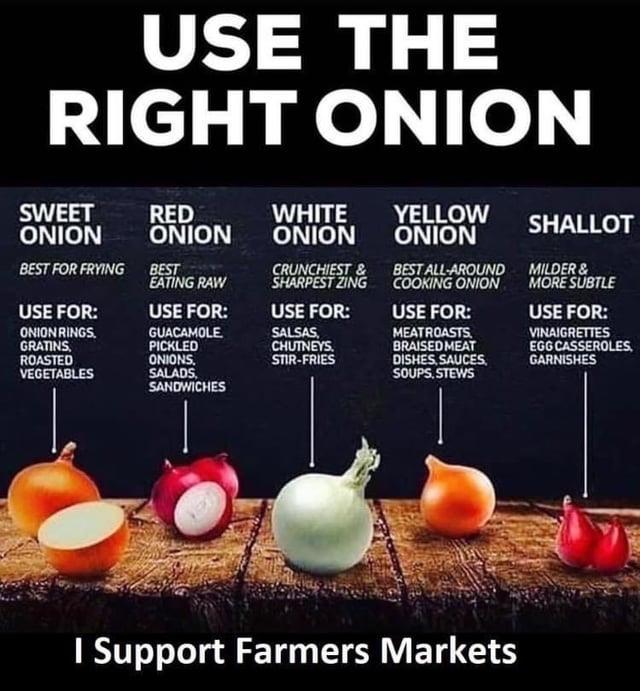
Onions are a fundamental ingredient in countless dishes, but not all onions are created equal. Each type offers a unique flavor profile and texture, making them suitable for different cooking methods. By understanding the characteristics of various onions, you can elevate your dishes and bring out the best in your recipes.
Yellow Onions
Yellow onions are the workhorse of the kitchen. They’re versatile and hold up well under heat, making them perfect for sautéing, roasting, and caramelizing. Their slightly sweet yet robust flavor deepens as they cook, adding richness to soups, stews, and sauces.
White Onions
White onions offer a sharper, more pungent flavor compared to yellow onions. They maintain their texture well, making them ideal for salsas and salads. Their crispness adds a fresh bite to Mexican dishes, and they work beautifully when you need a strong onion flavor.
Red Onions
Red onions are known for their vibrant color and mild sweetness. They’re often used raw in salads, sandwiches, and as a topping for burgers due to their attractive appearance and milder taste. They can also be pickled to add a tangy crunch to dishes.
Sweet Onions
Sweet onions, like Vidalia or Walla Walla, have a higher sugar content and a milder flavor. They are perfect for recipes where you want a subtle onion presence without overpowering other ingredients. Use them in raw applications like salads or as a topping for grilled meats.
Shallots
Shallots are smaller and have a more delicate, refined flavor than other onions. They are great for vinaigrettes, sauces, and dishes where you want a hint of onion without overwhelming the palate. Their subtlety makes them a favorite in French cooking.
Green Onions
Green onions, also known as scallions, are prized for their mild taste and versatility. They are excellent as a garnish or in dishes that require a fresh, subtle onion flavor. Both the white base and green tops can be used, adding a pop of color and flavor to stir-fries, soups, and salads.
Next time you’re cooking, think about the type of onion that will best complement your dish. Have you ever tried swapping one type for another? You might discover a new favorite flavor combination!
Flavor Profiles
Sweet onions bring a mild taste, perfect for caramelizing. Red onions add sharpness, ideal for salads and grilling. Yellow onions offer a robust flavor, great for soups and stews. Each type enhances different dishes, creating unique flavor profiles. Choosing the right onion makes a big difference in cooking.
In the world of cooking, onions play a vital role. Their unique flavors enhance dishes and bring depth to recipes. Understanding their flavor profiles is key to choosing the right onion for your dish. Some onions offer mild and sweet notes, while others are strong and pungent. There’s also a middle ground with balanced and versatile onions.
Mild And Sweet
Mild onions are perfect for raw dishes. They add sweetness without overpowering. Vidalia and Walla Walla onions are known for their sugary taste. Sliced thin, they elevate salads and sandwiches. Their gentle flavor makes them ideal for caramelizing. This process enhances their natural sweetness further.
Strong And Pungent
Strong onions bring bold flavors. Yellow and red onions fit this category. They are perfect for soups and stews. Their sharp taste withstands cooking processes. When sautéed, they provide a robust foundation. They are also good in pickling recipes. Their pungency infuses dishes with deep flavors.
Balanced And Versatile
Balanced onions offer a mix of sweet and sharp. Shallots and Spanish onions are great examples. They work well in various recipes. Use them in sauces for a subtle onion taste. Their versatility shines in baked dishes. They adapt to different cooking styles easily. These onions suit both raw and cooked applications.
Cooking Techniques
Onions are essential in many dishes, enhancing flavors with their unique taste. Different cooking techniques can bring out distinct flavors and textures from onions. Each method uses specific onion types to achieve the best results. Let’s explore various techniques to understand which onions suit each method.
Sautéing
Sautéing uses high heat to brown onions quickly. Yellow onions are ideal for this method. They hold their shape and develop a rich flavor. Their sweetness increases as they cook. Use them in stir-fries or pasta dishes.
Caramelizing
Caramelizing turns onions into a sweet, sticky delight. Red onions work well for this technique. Their natural sugars enhance the caramelization process. Cook them slowly over low heat. Perfect for topping burgers or adding to quiches.
Grilling
Grilling gives onions a smoky flavor. Use sweet onions like Vidalia or Walla Walla. They become tender and slightly charred. Slice them thick to keep them from falling apart. Ideal for kebabs and salads.
Roasting
Roasting concentrates the sweetness of onions. Shallots or yellow onions are best here. Their flavors deepen and soften. Roast them with other vegetables or meats. A great addition to any roast dinner.
Raw Uses
Raw onions add crunch and zest to dishes. Red onions are preferred for raw applications. Their flavor is sharp yet not overpowering. Use them in salads, sandwiches, or salsas. They provide a fresh bite.
Pairing Onions With Dishes
Onions are a staple in many kitchens. Their versatility adds depth to various dishes. Choosing the right onion can enhance your culinary experience. Different onions have distinct flavors and textures. Pairing them wisely with dishes can elevate your cooking.
Soups And Stews
Yellow onions are perfect for soups and stews. They offer a balanced flavor and sweetness. Their texture holds well during long cooking times. Try using them in a hearty beef stew. They become soft and sweet, adding richness to the broth.
Salads And Salsas
Red onions are ideal for salads and salsas. Their sharp taste adds a fresh bite. They bring vibrant color to your dish. Use them raw for the best crunch and flavor. A simple tomato salsa benefits from their crispness.
Stir-fries And Curries
White onions work well in stir-fries and curries. They have a mild flavor that blends easily. Their slight sweetness enhances Asian dishes. Slice them thin for quick cooking. They add a subtle layer of flavor to spicy curries.
Barbecue And Grilled Dishes
Sweet onions are great for barbecue and grilled dishes. Their high sugar content caramelizes beautifully. This creates a sweet and smoky flavor. Grilled onions pair well with steaks and burgers. They add a delightful sweetness.
Sandwiches And Burgers
Raw onions can be too strong for sandwiches. Use Vidalia onions for a mild option. Their sweetness complements meats and cheeses. Thin slices add flavor without overpowering. A classic burger benefits from their gentle crunch.
Seasonal Availability
Sweet onions are perfect for caramelizing, providing a rich flavor to dishes. Red onions add a punch to salads and sandwiches. Yellow onions are versatile, ideal for soups and stews, offering a mild taste that balances well with other ingredients.
Understanding the seasonal availability of onions can enhance your cooking skills and elevate your dishes. Each season brings its own unique onion varieties, offering different flavors and textures. Knowing which onions are in season can help you make better choices at the market. This can lead to fresher and more delicious meals.
Spring And Summer Varieties
In spring and summer, you often find onions that are milder and sweeter. These include green onions and Vidalia onions. Green onions, also known as scallions, are perfect for salads and garnishes. They add a fresh, crisp flavor without overpowering other ingredients. Vidalia onions are another summer favorite. Their natural sweetness makes them ideal for grilling or caramelizing. Imagine adding these to a summer BBQ—sweet, smoky, and full of flavor. Next time you’re planning a picnic, consider these summer onions for your salad or burger toppings.
Fall And Winter Varieties
As the weather cools, heartier onions like yellow and red onions become more prevalent. Yellow onions are versatile and often used in stews and soups. Their robust flavor stands up well to long cooking processes, making them ideal for hearty winter dishes. Red onions, with their deep color and sharp taste, are perfect for pickling. They can add a vibrant crunch to your winter meals. Try them in a sandwich or as a topping for warm dishes. Have you noticed how different onions can transform your meals throughout the year? Embrace the seasonal changes and explore the diverse flavors onions can bring to your table. Which variety will you try next season?
Credit: thishealthytable.com
Selecting And Storing Onions
Choosing the right onions enhances cooking flavors. Yellow onions are perfect for savory dishes, while red onions add color and mild taste to salads. Proper storage in a cool, dry place keeps them fresh longer.
Selecting and storing onions is essential for cooking success. Fresh onions enhance flavors and improve dishes. Proper storage extends their shelf life. Knowing signs of spoilage prevents culinary mishaps.
Choosing Fresh Onions
Select onions with firm and smooth skin. Avoid those with soft spots or cuts. The skin should be dry and papery. A strong onion aroma indicates freshness. Choose onions that feel heavy for their size.
Proper Storage Techniques
Store onions in a cool, dry place. Keep them in a mesh bag or basket. Ensure good air circulation to prevent mold. Avoid storing onions in plastic bags. Separate onions from potatoes to prevent spoiling.
Signs Of Spoilage
Watch for soft spots or sprouting. Discolored patches signal decay. A strong, off-putting odor indicates spoilage. Slimy or wet textures mean they are spoiled. Discard onions with these spoilage signs.
Health Benefits
Yellow onions are perfect for cooking, offering a balanced flavor that enhances many dishes. Red onions work well in salads and grilling, adding a sweet, crisp touch. White onions are ideal for Mexican cuisine, providing a sharper taste. Each type brings unique benefits to your culinary creations.
When cooking, onions do more than just add flavor. They offer numerous health benefits too. Onions are a staple in many kitchens worldwide. They are full of nutrients and have potential health boosts. Let’s explore the health benefits of onions.
Nutritional Content
Onions are low in calories but rich in vitamins and minerals. They contain vitamin C, which supports the immune system. Fiber in onions aids digestion. Onions provide small amounts of calcium, iron, and folate. These nutrients are essential for good health.
Antioxidant Properties
Onions are packed with antioxidants. Antioxidants protect your cells from damage. Quercetin is a strong antioxidant found in onions. It helps reduce inflammation in the body. Eating onions may help combat oxidative stress.
Potential Health Boosts
Eating onions regularly may improve heart health. They can lower cholesterol levels and help maintain blood pressure. Onions also support bone health. Some studies suggest onions may have cancer-fighting properties. They may help regulate blood sugar levels too.
Common Mistakes
Choosing the right onion enhances flavors. Many use sweet onions in dishes that need a milder taste. Ignoring onion type can result in overpowering flavors.
Cooking with onions can be a transformative experience, adding depth and flavor to your dishes. However, many home cooks make common mistakes that can compromise the taste and texture of their meals. Understanding these pitfalls can elevate your culinary skills and enhance your dishes.
Overcooking
It’s easy to overcook onions, especially when you’re multitasking in the kitchen. Overcooked onions lose their distinct flavor and can become mushy. Aim for a translucent, slightly golden appearance to maintain their sweetness and texture.
Using The Wrong Type
Not all onions are created equal. Different types of onions bring different flavors and textures. For example, red onions are great in salads for their mild flavor, while yellow onions are perfect for caramelizing. Have you ever used a red onion in a stew only to find it too sweet? Choose wisely to match the onion type to your dish.
Improper Storage
Storing onions incorrectly can lead to spoilage or loss of flavor. Onions should be kept in a cool, dry place, away from potatoes, which can speed up their spoilage. Ever noticed your onions sprouting or becoming soft? This could be due to storing them in damp or warm conditions. Avoid these common mistakes, and your dishes will thank you. Your meals will burst with flavor, and you might even inspire others to perfect their onion game. What’s your favorite onion to cook with? Share your thoughts below!
Frequently Asked Questions
Which Is Better For Cooking Red Or White Onions?
Red onions offer a milder, sweeter taste, ideal for salads and salsas. White onions provide a sharper, more pungent flavor, suitable for cooking dishes like soups and stews. Choose based on your recipe’s flavor preference.
Which Onion Is Sauteed Better?
Yellow onions are best for sautéing due to their balanced flavor and sweetness. They caramelize nicely, adding depth to dishes.
Which Onion Is Best For Spaghetti?
Yellow onions are best for spaghetti. They offer a balanced sweetness and sharpness, enhancing the sauce’s flavor. Their texture holds well during cooking, making them ideal for pasta dishes. Always sauté until translucent for optimal taste.
Which Onions To Cook With Meat?
Use yellow or white onions for cooking with meat. They add rich flavor and sweetness. Red onions offer a sharper taste, ideal for grilling. Shallots add a subtle, mild flavor. Choose based on your recipe and taste preference for the best results.
Conclusion
Choosing the right onion can enhance your dish’s flavor. Yellow onions are great for most recipes. They add sweetness and depth to stews and soups. Red onions work well in salads and sandwiches. They add a mild, sharp taste. White onions have a more intense flavor.
Ideal for salsas and Mexican dishes. Sweet onions, like Vidalias, are perfect for caramelizing. They bring out natural sugars. Each onion type has unique qualities. Use them wisely to enrich your cooking. Experiment with different varieties. Find what suits your taste best.
Enjoy exploring the world of onions.








