Affiliate Disclosure: This post may contain affiliate links. If you purchase through links on our site, we may earn an affiliate commission at no extra cost to you.
Are you tired of cakes that don’t rise, or ones that bake unevenly? You’re not alone.
Choosing the right oven can be a game-changer for your baking adventures. Imagine pulling out a perfectly baked cake, its aroma filling your kitchen, and knowing it’s just as delicious as it smells. The secret? It often starts with the right oven.
But with so many options available, how do you know which one is the best for baking cakes? In this guide, we’ll dive into the world of ovens and help you discover the best one for your cake-baking needs. Get ready to transform your baking skills and impress everyone with your delicious creations. Stay with us, and you’ll soon be baking cakes that are the talk of the town!
Types Of Ovens
Choosing the right oven for baking cakes can significantly impact the quality of your baked goods. Different types of ovens offer unique benefits and challenges. Understanding these differences will help you make an informed decision. Let’s dive into the various types of ovens that can turn your baking experience from ordinary to extraordinary.
Conventional Ovens
Conventional ovens are the go-to choice for many home bakers. They use heating elements at the top and bottom of the oven. This setup provides consistent heat, making it easier to bake cakes evenly.
However, you might have experienced uneven browning if your cake was placed too close to the heating element. Adjusting the rack position can help solve this issue. Many bakers swear by conventional ovens for their simplicity and reliability.
Convection Ovens
Convection ovens take your baking game up a notch with a fan that circulates hot air. This feature ensures even baking and can reduce cooking times. Have you ever baked a cake that was perfect on the outside but raw in the middle? A convection oven can help prevent this.
Remember, you may need to adjust your baking temperature and time when using a convection oven. Once you get the hang of it, the results are worth the effort.
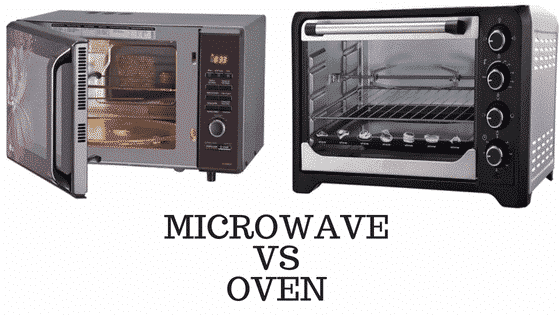
Microwave Ovens
Microwave ovens are not just for reheating leftovers. Some models come with a convection feature, allowing you to bake cakes. It’s a convenient option if you’re short on space or time.
However, be cautious—microwave ovens can sometimes dry out your cakes if not used properly. If you’ve ever tried baking in a microwave, you know it requires a bit of trial and error to perfect your technique.
Toaster Ovens
Toaster ovens are surprisingly versatile and can be a handy tool for baking smaller cakes. They are compact and heat up quickly, which is perfect for impromptu baking sessions.
One drawback is limited space, which can affect your cake’s rise and texture. Have you ever tried baking a cake in a toaster oven? The results can be delightful if you make adjustments to your recipe.
Now that you know the types of ovens, which one will you choose for your next baking adventure? Think about your needs and kitchen space. Each oven type offers unique advantages, so choose wisely to create the perfect cake.
Key Features To Consider
Choosing the perfect oven for baking cakes involves several key features. Consider the oven’s temperature accuracy to ensure even baking. Look for a convection setting to circulate heat evenly. Adjustable racks provide flexibility for different cake sizes.
When choosing the best oven for baking cakes, it’s essential to focus on specific features that can make or break your baking experience. An oven is more than just a kitchen appliance; it’s a tool that can help you create delightful treats. By considering the right features, you ensure that your cakes not only taste great but also look professionally baked.
Temperature Control
Precise temperature control is crucial for baking the perfect cake. An oven with a reliable thermostat ensures even baking and prevents undercooked or burnt cakes. Look for models that offer digital temperature settings, as they tend to be more accurate. Have you ever baked a cake that was burnt on the edges but raw in the middle? That’s often due to poor temperature control.
Capacity And Size
The oven’s capacity and size determine how many cakes you can bake at once and what size they can be. If you love baking large cakes or multiple batches, consider a larger oven. A friend of mine once realized her new oven was too small only after trying to fit in her favorite cake pan. Don’t let that happen to you! Measure your space and check the dimensions of the oven before purchasing.
Energy Efficiency
An energy-efficient oven helps you save on utility bills and is better for the environment. Look for models with energy-saving certifications, which often indicate they use less power. Did you know that some ovens have eco modes that reduce energy consumption while maintaining performance? This feature can be particularly handy for frequent bakers.
Ease Of Cleaning
An oven that’s easy to clean saves you time and hassle in the long run. Non-stick interiors and removable racks make cleaning a breeze. Consider ovens with self-cleaning options or steam cleaning functions. After a long day of baking, the last thing you want is to spend hours scrubbing your oven. Choose a model that makes cleaning up quick and easy. When selecting an oven, which feature do you prioritize the most? Your choice can significantly impact your baking success and overall kitchen experience. By focusing on these key features, you can find the perfect oven that meets your baking needs and helps you create wonderful cakes every time.
Pros And Cons
Choosing the best oven for baking cakes involves weighing pros and cons. Gas ovens offer even heating, but electric ovens provide precise temperature control. Convection ovens circulate hot air, ensuring uniform baking, while traditional ovens may produce inconsistent results. Each type has its strengths and weaknesses, influencing baking success.
When baking a cake, choosing the right oven is essential. Each type has its own advantages and drawbacks. Understanding these pros and cons can help you make an informed decision. Let’s explore the differences between conventional, convection, microwave, and toaster ovens.
Conventional Vs Convection
A conventional oven is the traditional choice for many. It uses heating elements on the top and bottom. This method can result in uneven heat distribution. Cakes can sometimes bake unevenly. On the plus side, conventional ovens are widely available. They’re easy to use and familiar to most bakers. Convection ovens have a fan that circulates hot air. This ensures even baking and browning. Cakes often rise better and cook more evenly. This oven usually offers faster baking times. But, it can dry out cakes if not monitored. Adjusting recipes is often necessary due to the efficient heat distribution.
Microwave Vs Toaster
Microwave ovens are convenient and quick. They’re great for reheating but not ideal for baking cakes. The microwave’s heat is not evenly distributed. This can lead to unevenly cooked cakes. Also, microwaves can dry out cakes and affect texture. Toaster ovens are compact and energy-efficient. They’re suitable for small cakes and batches. Their size makes them perfect for limited spaces. They can bake more evenly compared to microwaves. But, they have limited space for large cakes. Baking time may vary due to their smaller size and heating capacity. Choosing the right oven depends on your needs and preferences. Consider these pros and cons before making a decision.
Best Brands For Baking
Choosing the right oven makes baking cakes easy and enjoyable. Consider brands like KitchenAid, Whirlpool, and Bosch for reliable performance. Each offers unique features tailored for cake baking success.
Choosing the right oven for baking cakes can feel like a daunting task, especially with so many brands vying for your attention. The oven you choose can make or break your baking experience, and ultimately, the quality of your cakes. With the right brand, you’ll not only enjoy better baking results but also a more satisfying baking journey.
Top Picks For Home Bakers
For home bakers, reliability and ease of use are crucial. Brands like Breville and KitchenAid are often praised for their user-friendly designs and consistent performance. Breville’s Smart Oven series, for example, is perfect for those who want precision without the complexity. Another excellent option for home bakers is the Cuisinart convection ovens. They offer even baking, a crucial factor when aiming for that perfectly risen cake. Think about the number of times you’ve been frustrated with unevenly baked cakes. These ovens can help eliminate that issue.
Professional-grade Options
If you’re looking to elevate your baking to a professional level, brands like Wolf and Viking should be on your radar. These ovens are designed for serious bakers who need reliable, high-performance equipment. Wolf ovens, for instance, are renowned for their precise temperature control, which is vital when baking intricate cakes that require specific conditions. Viking, on the other hand, offers robust build quality and durability, ensuring your investment stands the test of time. As someone who once struggled with inconsistent baking results, switching to a professional-grade oven made all the difference. It was like a light bulb moment when I realized the importance of quality equipment. What about you? Have you considered how the right oven could transform your baking adventures?
User Reviews And Ratings
Choosing the right oven for baking cakes can be challenging. User reviews and ratings provide valuable insights. They help you understand which oven suits your needs best. This section explores common complaints and highly rated features. Learn what to expect from different ovens.
Common Complaints
Many users mention uneven heating as a major issue. Some ovens bake cakes unevenly. This results in overcooked edges and undercooked centers. Another frequent complaint is slow preheating times. Waiting for the oven to reach the right temperature can be frustrating. Noise levels also bother some users. Ovens with loud fans can disrupt a peaceful baking experience.
Highly Rated Features
Many users praise ovens with consistent temperature control. This feature ensures cakes bake evenly. Quick preheating is another highly rated feature. It saves time and energy. Silent operation is appreciated by many. Low noise levels make baking more enjoyable. Ovens with spacious interiors get positive feedback too. They allow users to bake multiple cakes at once.
Budget Considerations
Choosing the right oven for baking cakes involves considering your budget. Affordable options include convection ovens, which distribute heat evenly. Investing in a quality oven ensures perfect cakes every time without overspending.
When choosing an oven for baking cakes, budget considerations play a crucial role. Whether you’re a beginner baker or a seasoned pro, knowing how much you’re willing to spend can guide your decision-making process. Let’s take a closer look at the options available based on your budget.
Affordable Options
For those who are budget-conscious, there are plenty of ovens that won’t break the bank. Basic models from brands like Hamilton Beach or Oster offer decent performance without the hefty price tag. These ovens often come with essential features like adjustable temperature settings and timers, perfect for casual baking. You might wonder if these affordable options can deliver quality results. Many home bakers, including myself, started with budget-friendly ovens and achieved delicious cakes. It’s all about understanding your oven’s quirks and adapting your recipes accordingly. Look out for sales or second-hand options. Sometimes, local marketplaces or online platforms offer great deals on gently used ovens. This way, you can save money while still getting a reliable appliance.
High-end Models
If your budget allows for a splurge, high-end models bring advanced technology to your baking experience. Brands like KitchenAid and Bosch are known for their high-performance ovens. These models often include features like convection baking, which ensures even heat distribution. Investing in a high-end oven can elevate your baking. Picture this: a cake that rises perfectly and bakes evenly every time. That’s the kind of consistency many professional bakers swear by. However, consider if the extra features match your baking needs. If you’re baking occasionally, a simpler model might suffice. But if you’re baking regularly or experimenting with complex recipes, a high-end model could be worth every penny. In deciding which oven suits you best, think about how often you bake and what features matter most to you. Would a budget-friendly option meet your needs, or does a high-end model align better with your baking ambitions? Your perfect cake-baking oven is out there, just waiting to be part of your kitchen adventures.
Tips For Choosing The Right Oven
Choosing the right oven is crucial for perfect cake baking. A good oven ensures even baking and excellent texture. Follow these tips to find the ideal oven for your needs. Consider your baking habits and kitchen space before making a decision.
Assessing Your Baking Needs
Think about how often you bake cakes. If you bake frequently, invest in a reliable oven with consistent heat. Consider the types of cakes you bake. Some cakes need specific baking conditions. Choose an oven with features that match your baking style.
Do you bake large batches? A convection oven may be helpful. It circulates heat evenly, ideal for multiple cakes. For occasional bakers, a conventional oven may suffice. It provides steady heat for most cake types.
Space And Kitchen Setup
Measure your kitchen space before buying an oven. Ensure the oven fits comfortably in your kitchen. Check if you have a dedicated outlet. Larger ovens need more power and space. Consider ventilation and placement.
Think about your kitchen layout. A built-in oven saves counter space. Freestanding models offer more flexibility. Choose an oven that matches your kitchen design. A well-placed oven enhances your baking experience.
Frequently Asked Questions
Is A Fan Or Conventional Oven Better For Baking Cakes?
Fan ovens distribute heat evenly, ideal for cakes with consistent textures. Conventional ovens may require rotating pans for even baking. Choose a fan oven for reliable results.
Is It Better To Bake A Cake In A Convection Oven Or Not?
Baking a cake in a convection oven offers even heat distribution and faster cooking times. Use lower temperatures, about 25 degrees less, to prevent overcooking. Some cakes may benefit from traditional baking for specific textures. Always check the recipe for best results in your oven type.
Do Bakers Prefer Gas Or Electric Ovens?
Bakers often prefer gas ovens for their precise temperature control and even heat distribution. They value electric ovens for consistent baking results and easy cleaning. The choice depends on personal preference and baking needs. Both oven types have their unique benefits.
What Is The Best Oven Mode For Cakes?
Use the “Bake” mode for cakes. It ensures even heat distribution, resulting in a perfectly cooked cake. Avoid “Fan” mode as it may dry out the cake. Preheat your oven to the recommended temperature for best results. Always follow specific recipe instructions for optimal baking outcomes.
Conclusion
Choosing the right oven makes baking cakes enjoyable. Consider your needs first. Do you bake often or occasionally? An electric oven ensures even heat. Gas ovens heat quickly and cost less. Convection ovens circulate air for even baking. Space is crucial.
Small kitchens need compact ovens. Larger ovens bake multiple cakes. Budget matters too. Compare prices and features. Read reviews for real experiences. Your perfect oven matches your baking style. Enjoy the joy of baking delicious cakes at home. Happy baking!








